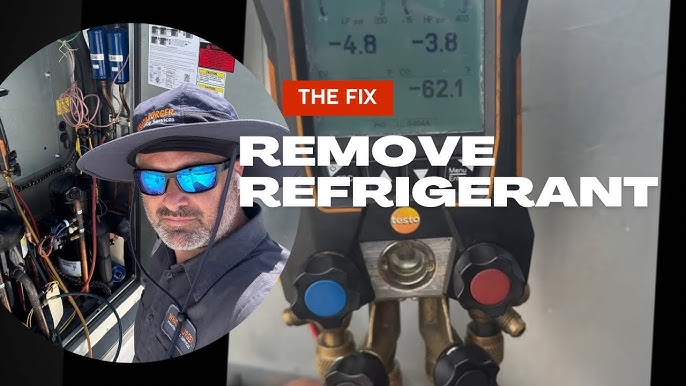
Are you wondering how to remove refrigerant from your air conditioner safely and effectively? Whether you’re planning a repair, maintenance, or replacement, handling refrigerant the right way is crucial for your safety and the environment.
You’ll discover simple, clear steps to remove refrigerant without hassle. Keep reading to learn practical tips that will save you time, protect your home, and ensure your air conditioner works smoothly again. Don’t risk costly mistakes—let’s get started!

Credit: www.youtube.com
Safety Precautions
Always wear protective glovesand safety gogglesbefore handling refrigerants. These protect your skin and eyes from harmful chemicals. Use a face maskto avoid breathing in fumes. Wear long sleeves and pants to cover your body fully.
Handle refrigerants in a well-ventilated areato prevent gas buildup. Avoid smoking or sparks near refrigerants. Use proper tools designed for refrigerant removal. Never release refrigerants directly into the air. Follow the correct procedures to capture and store them safely.
| Regulation | Description |
|---|---|
| EPA Rules | Requires certified technicians for refrigerant handling. |
| Disposal Laws | Prohibits releasing refrigerants into the atmosphere. |
| Reporting | Must report refrigerant leaks and losses to authorities. |
Tools And Equipment Needed
Removing refrigerant requires some important toolsto work safely and well.
- Recovery Machine: This device pulls refrigerant from the air conditioner.
- Recovery Cylinder: A special tank to store the removed refrigerant safely.
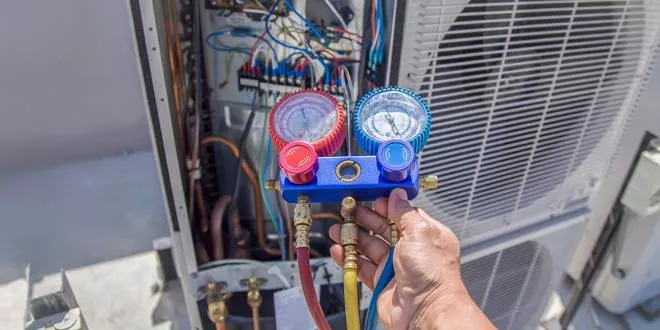
- Manifold Gauge Set: Helps check pressure and control refrigerant flow.
- Vacuum Pump: Clears air and moisture from the system after refrigerant removal.
Each tool has a specific job. Using all ensures safe and clean removal.
Preparing The Air Conditioner
Ensure the air conditioner is completely powered off. Unplug it from the electrical outlet to avoid any risk of electric shock. Safety first.
Locate the service portson the outdoor unit. These ports allow access to the refrigerant system. They are usually covered by caps that need to be unscrewed carefully.
- Wear gloves to protect your hands.
- Use a wrench or proper tool to open the caps.
- Check for any dirt or debris and clean if necessary.
- Make sure the valves are closed before proceeding.
Credit: nicksac.com
Recovering Refrigerant
Connect the recovery machine to the air conditioner using the correct hoses. Ensure all connections are tight to avoid leaks. Use the service ports on the unit to attach the hoses securely. Check the recovery tank is empty and ready to store refrigerant safely.
Turn on the recovery machine and open the valves slowly. Watch the machine pull refrigerant from the system. The process may take several minutes depending on the amount of refrigerant. Keep the machine running until the system pressure drops to near zero.
| Pressure Level | Action |
|---|---|
| High Pressure | Keep the valves open and let recovery continue. |
| Medium Pressure | Monitor the gauge closely for steady drop. |
| Near Zero Pressure | Close valves and turn off the recovery machine. |
Post-recovery Steps
After removing refrigerant, seal the systemtightly to prevent leaks. Use proper caps and plugson all openings. This keeps the system clean and safe.
Dispose or recycle refrigerant at approved centers. Never release refrigerant into the air. It harms the environmentand is illegal in many places.
Check the system for leaks using leak detection tools. Look for bubbles or hissing sounds. Fix any leaks before refilling refrigerant.
Common Mistakes To Avoid
Overcharging the recovery cylindercan cause dangerous pressure build-up. Always check the cylinder’s capacity and never exceed it. Overfilled cylinders risk leaks or explosions. Proper monitoring during refrigerant removal is essential for safety.
Ignoring safety guidelinesincreases risks. Wear protective gear like gloves and goggles. Work in a well-ventilated area to avoid inhaling fumes. Follow manufacturer instructions and local laws to protect yourself and others.
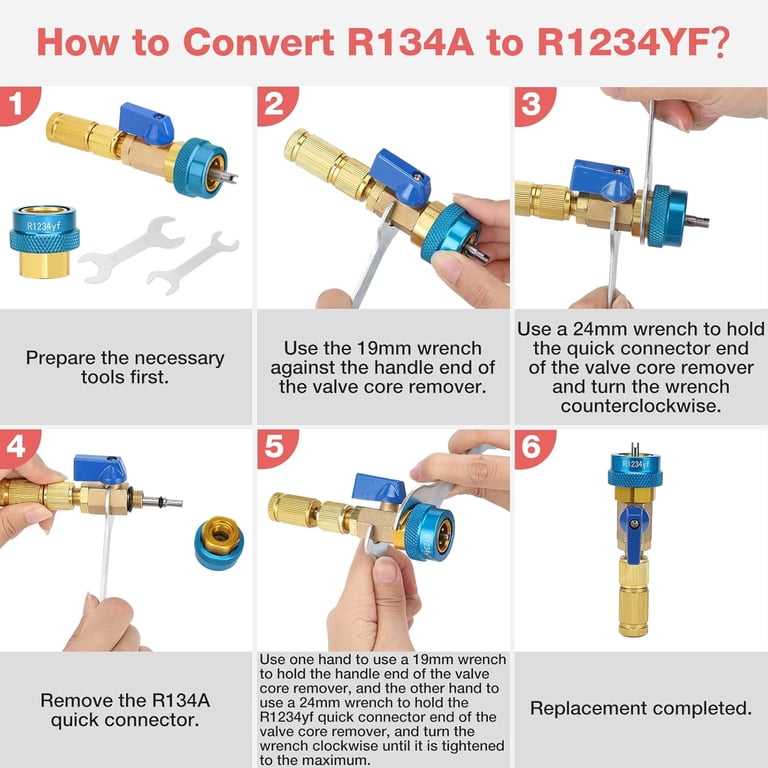
Improper equipment usecan cause damage or leaks. Use tools made for refrigerant recovery only. Avoid using old or damaged hoses and gauges. Regularly inspect and maintain your equipment to ensure proper function.
Credit: www.walmart.com
Frequently Asked Questions
How Do You Safely Remove Refrigerant From An Air Conditioner?
To safely remove refrigerant, use proper recovery equipment and follow EPA guidelines. Avoid releasing refrigerant into the atmosphere. Always wear protective gear and ensure the system is off before starting the process.
Can I Remove Refrigerant From My Ac Myself?
Removing refrigerant requires specialized tools and knowledge. It’s best to hire a certified HVAC technician. Improper handling can cause harm to you and the environment.
Why Is Refrigerant Removal Important During Ac Repair?
Refrigerant removal prevents leaks and environmental damage. It ensures safe repairs and maintains system efficiency. Proper removal also complies with legal regulations.
What Tools Are Needed To Remove Refrigerant From Ac?
Essential tools include a refrigerant recovery machine, gauges, hoses, and safety equipment. These tools help capture and store refrigerant safely during removal.
Conclusion
Removing refrigerant from an air conditioner needs care and the right tools. Always follow safety rules to avoid harm and damage. Using proper steps helps keep the environment safe and your system working well. If unsure, ask a professional for help.
Taking these actions protects your home and the planet. Keep your air conditioner running smoothly and safely.