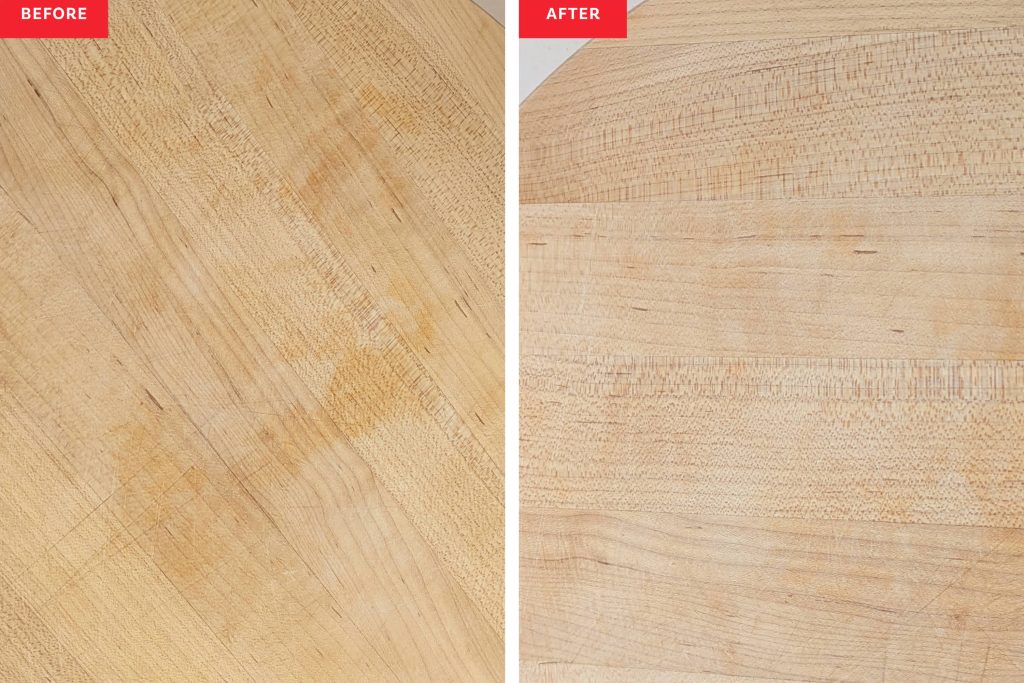
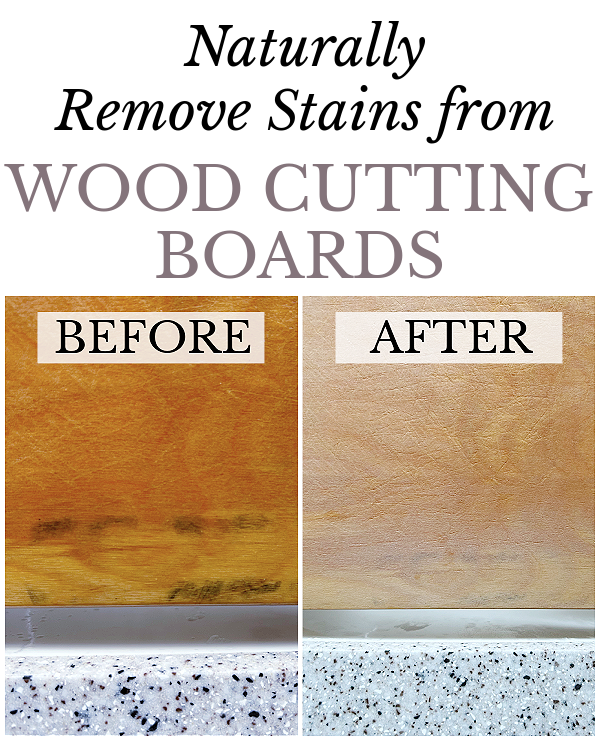
Your wood cutting board is a kitchen essential, but stains can make it look old and worn out. You might feel frustrated seeing those stubborn marks and wonder if they’ll ever go away.
The good news? You don’t have to replace your board or hide it away. With a few simple steps, you can bring back its natural beauty and keep it looking fresh. Keep reading, and you’ll learn easy, effective ways to remove stains from your wood cutting board—so it stays clean and ready for your next cooking adventure.
Common Stains On Wood Boards
Wood cutting boards often get stained from daily use. Stains can make the board look old and dirty. Knowing the types and causes helps to clean them better.
This guide explains common stain types and why they happen on wood boards. Use this to keep your board looking fresh.
Types Of Stains
Wood cutting boards can have several stain types. Each comes from different foods or materials. Some stains are easier to remove than others.
- Food Stains:From fruits, vegetables, and sauces like tomato or beet juice.
- Oil and Grease:Leftover oils from cooking or dressing can soak into the wood.
- Water Marks:Caused by standing water or improper drying.
- Knife Marks:Dark spots from metal knives cutting the wood surface.
- Mold and Mildew:Develop in damp conditions if the board is not dried well.
Causes Of Stains
Stains happen because of how the board is used and cared for. Wood is porous and absorbs liquids easily. Some causes are avoidable with good habits.
| Cause | Description |
|---|---|
| Food Contact | Strong colors and acids from food soak into the wood. |
| Oils and Fats | Oils stay in wood pores and darken the surface over time. |
| Moisture | Water left on the board causes discoloration and spots. |
| Knife Cuts | Deep cuts trap dirt and moisture, causing dark stains. |
| Poor Cleaning | Not washing or drying the board properly leads to mold stains. |
Basic Cleaning Techniques
Wood cutting boards can get stains from fruits, vegetables, and meats. Cleaning them well keeps them safe and looking good.
Some simple ways can remove stains without damaging the wood. These methods use things you find at home.
Soap And Water Method
Start by washing your board with warm water and mild soap. Use a sponge or soft cloth to scrub gently.
Rinse the board well and dry it with a clean towel. Do not soak the board in water to avoid damage.
Using Baking Soda
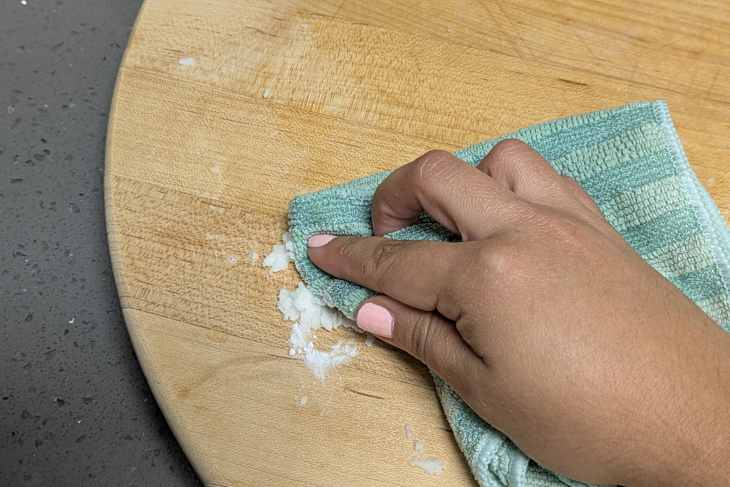
Baking soda is great for removing tough stains. Sprinkle a thick layer on the stained area of the board.
Use a damp cloth or sponge to rub the baking soda in a circular motion. Let it sit for a few minutes, then rinse and dry.
- Sprinkle baking soda on the stain
- Rub gently with a damp cloth
- Wait 5 minutes
- Rinse with warm water
- Dry with a clean towel
Natural Stain Removers
Wood cutting boards can get stains from food like fruits and vegetables. Natural stain removers work well to clean without chemicals. They keep your board safe and fresh.
Using simple ingredients from your kitchen helps remove stains and odors. Two common natural methods are lemon and salt scrub and vinegar solutions.
Lemon And Salt Scrub
Lemon and salt make a strong scrub that removes stains and cleans your board. The lemon’s acid breaks down stains, and salt acts as a gentle scrub.
- Cut a lemon in half and sprinkle coarse salt on the cut side.
- Rub the lemon over the stained area with salt.
- Let it sit for 5 minutes to work on the stain.
- Rinse the board with warm water and dry it well.
Vinegar Solutions
White vinegar cleans and disinfects wood cutting boards. It also helps fade stains and remove smells. Vinegar is safe and easy to use.
| Vinegar Use | How to Apply |
| Spray or wipe | Spray vinegar on the board or wipe with a cloth soaked in vinegar. |
| Soak | Soak a cloth in vinegar and place it on the stain for 10 minutes. |
| Rinse | Rinse the board with water and dry it completely. |
Credit: www.thekitchn.com
Deep Cleaning Methods
Wood cutting boards absorb stains from food and liquids over time. Deep cleaning helps remove these stains and restores the board’s appearance.
Two effective methods for deep cleaning are sanding the surface and using hydrogen peroxide. Both remove stains and sanitize the wood.
Sanding The Surface
Sanding removes the top layer of wood where stains sit. It also smooths out scratches and cuts on the board.
- Start with coarse sandpaper (80-100 grit) to remove the stained layer.
- Sand evenly across the entire surface in the direction of the wood grain.
- Switch to finer sandpaper (150-220 grit) to smooth the surface.
- Wipe the board with a damp cloth to remove dust.
- Let the board dry completely before use.
Hydrogen Peroxide Treatment
Hydrogen peroxide is a natural cleaner that kills bacteria and lightens stains on wood. It is safe to use on cutting boards.
| What You Need | How to Use |
| 3% hydrogen peroxide solution | Pour or spray onto the stained area |
| Clean cloth or sponge | Let sit 10 minutes, then wipe clean |
| Warm water | Rinse the board thoroughly after treatment |
| Dry towel | Dry the board completely before storing |
Preventing Future Stains
Stains on wood cutting boards are common but preventable. Taking simple steps can keep your board looking fresh.
Regular care and smart storage help stop stains from setting in. This saves time cleaning later.
Regular Maintenance
Clean your cutting board right after use. Use mild soap and warm water to remove food particles.
Dry the board completely with a clean towel. Moisture can cause stains and damage wood over time.
- Wash with mild soap and warm water
- Dry immediately after washing
- Apply food-safe mineral oil weekly
- Use a soft scrub for tough spots
- Avoid soaking the board in water
Proper Storage Tips
Store your cutting board in a dry place. Avoid areas with high humidity or direct sunlight.
Keep the board upright or on a rack. This helps air flow around it and prevents moisture build-up.
- Place board in a well-ventilated spot
- Store upright to allow air circulation
- Keep away from heat sources
- Do not stack heavy items on top
- Use a protective cover if needed

Credit: homewithgraceandjoy.com
Restoring Wood Cutting Boards
Wood cutting boards can get stains and scratches over time. Cleaning and caring for them helps keep them looking good. You can restore your board with simple steps.
Two main ways to restore a wood cutting board are oiling and conditioning, and repairing scratches. Both help protect the wood and extend the board’s life.
Oiling And Conditioning
Oiling wood cutting boards keeps the wood from drying out. It also helps to remove stains and protect the surface from moisture. Use food-safe oils like mineral oil or beeswax.
Apply the oil evenly with a soft cloth. Let the oil soak in for a few hours or overnight. Wipe off any extra oil before using the board again.
- Clean the board with soap and water first
- Dry the board completely before oiling
- Use a clean cloth to spread the oil
- Repeat oiling once a month or as needed
Repairing Scratches
Scratches can make a board look old and rough. Light scratches can be sanded out using fine sandpaper. Sand in the direction of the wood grain to avoid damage.
After sanding, clean the dust off and apply oil to restore the smooth surface. Deep scratches might need extra sanding or filling with wood filler made for food surfaces.
- Use 220-grit sandpaper for light scratches
- Sand gently and evenly over scratched areas
- Remove all dust before oiling
- Apply oil to protect the wood after sanding
Credit: www.lemonslavenderandlaundry.com
Frequently Asked Questions
How Do You Remove Tough Stains From Wood Cutting Boards?
To remove tough stains, sprinkle baking soda on the board. Add a few drops of water to form a paste. Scrub the stain gently with a soft-bristle brush. Rinse thoroughly with warm water and let it air dry. Repeat if necessary for stubborn stains.
Can Vinegar Damage Wood Cutting Boards?
Vinegar is safe for wood cutting boards when used correctly. Dilute vinegar with equal parts water. Wipe the board with the solution using a soft cloth. Rinse with warm water and dry immediately. Avoid soaking the board in vinegar to prevent damage.
Is Lemon Effective For Cleaning Wood Cutting Boards?
Yes, lemon is effective for cleaning wood cutting boards. Cut a lemon in half and rub it over the stained area. The natural acidity of lemon helps break down stains. Rinse with warm water and dry the board thoroughly. It’s a natural and refreshing cleaning option.
What Should You Avoid On Wood Cutting Boards?
Avoid using harsh chemicals, steel wool, or scouring pads on wood cutting boards. These can damage the surface and the wood fibers. Also, never soak the board in water, as it can cause warping. Always use gentle cleaning methods to maintain the board’s integrity.
Conclusion
Removing stains from a wood cutting board is simple with the right steps. Use gentle scrubbing and natural cleaners to protect the wood. Regular cleaning keeps your board safe and looking good. Avoid harsh chemicals that can damage the surface.
Small efforts lead to a clean, fresh board every time. Keep your cutting board healthy and ready for cooking. Clean boards make cooking safer and more enjoyable. Try these tips and see the difference yourself.