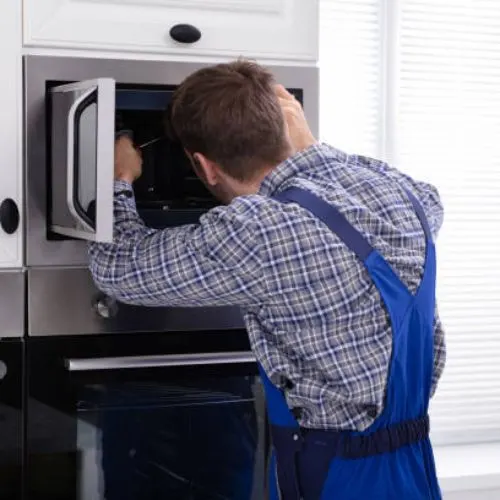
Have you ever felt the frustration of pressing the start button on your microwave oven, only to find it stubbornly silent? Or perhaps you’ve noticed that familiar hum isn’t quite right, leaving your food undercooked?
Microwaves are essential kitchen companions, making meal prep quick and easy. But when they malfunction, it can throw a wrench in your daily routine. Instead of rushing to buy a new one or calling in an expensive repair service, why not learn how to fix it yourself?
In this guide, we’ll walk you through simple, effective steps to troubleshoot and repair your microwave oven. You’ll gain the confidence to handle common issues, saving you time and money. Ready to become your own appliance hero? Let’s dive in and get your microwave back in action!

Credit: www.youtube.com
Common Microwave Issues
Microwaves often face common issues that affect their performance and convenience. These problems can stop your microwave from working properly or even cause safety concerns. Knowing these common issues helps you fix them quickly and safely. Below are some typical microwave problems and how to identify them.
Microwave Not Heating
Your microwave runs but does not heat food. This issue often happens due to a faulty magnetron. The magnetron creates the heat inside the microwave. Other causes include a broken door switch or blown fuse. Testing these parts requires care and some technical knowledge.
Turntable Not Rotating
The turntable inside the microwave does not spin. This can cause uneven cooking. Common causes include a broken turntable motor or a misaligned roller guide. Sometimes, food debris blocks the turntable mechanism. Cleaning the area or replacing the motor can solve this problem.
Sparking Inside Microwave
Sparks inside the microwave can be scary and dangerous. They often happen due to metal inside the microwave or a damaged waveguide cover. Sparks can also result from dirty interior walls. Remove any metal objects and clean the inside regularly to avoid sparks.
Microwave Door Problems
The door may not close properly or the latch might break. A faulty door switch prevents the microwave from starting. Sometimes, the door seal wears out, causing heat loss. Inspect the door and latch for damage. Replace broken parts to ensure safe operation.
Safety Precautions
Microwave ovens can be dangerous to repair without proper safety steps. Electrical parts inside carry high voltages. Taking safety precautions protects you from shocks and injuries. Always prepare your workspace and tools before starting any work.
Unplugging The Microwave
Always unplug the microwave before opening it. This cuts off all power and lowers shock risk. Do not rely on just turning off the microwave. Confirm the plug is out of the socket. Avoid working on a plugged-in appliance under any condition.
Handling High-voltage Components
Microwaves have parts that store strong electric charges. The capacitor is one such part and can hold dangerous voltage. Discharge the capacitor before touching it. Use an insulated screwdriver for this task. Never touch components with bare hands. Treat all internal parts as live until proven safe.
Using Proper Tools
Select tools made for electrical repairs. Insulated screwdrivers and pliers reduce shock risk. Avoid using metal tools without insulation. Use a multimeter to check for voltage. Keep a flashlight handy for better visibility. Organize tools to avoid mistakes and accidents.
Basic Tools Needed
Repairing a microwave oven requires some basic tools. These tools help you open the microwave safely and check parts for faults. Having the right tools makes the process easier and safer. Below are the essential tools you need before starting the repair.
Screwdrivers
Screwdrivers are necessary for opening the microwave case. Most microwaves use Phillips head screws, but some may have flathead screws. A set with different sizes is useful. A magnetic screwdriver helps hold screws firmly. This prevents losing small screws inside the microwave.
Multimeter
A multimeter tests electrical parts for faults. It measures voltage, current, and resistance. This tool helps find broken fuses, bad switches, or faulty capacitors. Using a multimeter ensures you replace only the damaged parts. It saves time and money in repairs.
Replacement Parts
Replacement parts depend on the microwave problem. Common parts include fuses, door switches, and capacitors. Use parts that match your microwave model. Using the wrong parts can cause more damage. Keep spare parts ready before starting the repair.

Credit: vancouverapplianceservice.ca
Step-by-step Repair Guide
Repairing a microwave oven can seem intimidating, but breaking the process down into clear steps makes it manageable. This guide walks you through key repairs, helping you save money and avoid unnecessary replacements. You don’t need to be an expert; just some patience and attention to detail will get you through.
Diagnosing The Problem
Start by identifying what’s wrong with your microwave. Does it fail to heat? Is the turntable not spinning? Or maybe the door won’t latch properly. Observing these symptoms narrows down which part needs attention.
Check for obvious signs like blown fuses or burnt smells. Use a multimeter to test electrical components safely. Have you noticed any unusual noises or flickering lights during operation? These clues guide your next steps.
Replacing The Fuse
A blown fuse is a common cause of microwave failure. Before you replace it, unplug the microwave and remove the outer casing carefully. Locate the fuse near the power cord or control board.
Test the fuse with a multimeter for continuity. If it’s blown, swap it with an identical fuse type and rating. Remember, using the wrong fuse can cause further damage or be unsafe.
Fixing The Turntable Motor
If your microwave’s turntable isn’t rotating, the motor might be faulty. First, check if the turntable is obstructed or if the roller ring is misaligned. Sometimes cleaning or repositioning fixes the issue.
If the motor is defective, remove it by disconnecting wires and unscrewing mounts. Replace it with a compatible motor, ensuring wiring matches exactly. Have you checked if the motor shaft spins freely before replacement? That’s a quick test to avoid buying unnecessary parts.
Replacing The Door Switch
The door switch ensures the microwave only runs when the door is securely closed. If your microwave starts or stops unexpectedly, the switch might be faulty. Test the switch using a multimeter for continuity when the door is closed.
To replace, unplug the microwave and open the casing. Locate the switch near the door latch, disconnect the wires, and install the new one. Double-check the door mechanism aligns correctly with the switch to avoid future issues.
Repairing Or Replacing The Magnetron
The magnetron generates the microwaves that heat your food. If your microwave runs but doesn’t heat, this part might be damaged. Testing the magnetron requires caution due to high voltage, so ensure you’re comfortable working safely.
If you find the magnetron faulty, replacing it is often more practical than repairing. Order an exact replacement part and install it carefully, following manufacturer guidelines. Have you ever considered the costs versus buying a new microwave? Sometimes, repair saves money, but other times replacement is smarter.
Testing After Repair
Testing after repair is crucial to confirm the microwave works correctly and safely. It ensures the issue is fixed and prevents further damage. This stage requires careful observation of the microwave’s main functions.
Powering On Safely
Plug the microwave into a grounded outlet. Stand to the side before turning it on. Listen for unusual sounds or smells. If anything seems wrong, unplug it immediately. Use a low power setting for the initial test.
Checking Heating Function
Place a microwave-safe cup of water inside. Run the microwave for about one minute. Check if the water heats up properly. Uneven heating may indicate a problem. Repeat the test if needed to ensure consistency.
Ensuring Turntable Movement
Observe the turntable during operation. It should rotate smoothly without stopping. Any noise or jerky movement suggests an issue. Check the turntable motor and roller ring if needed. Proper rotation ensures even cooking.
Verifying Door Safety
Close the door firmly and start the microwave. The microwave should only operate when the door is closed. Open the door to see if it stops immediately. Faulty door switches can cause safety risks. Replace switches if the microwave runs with the door open.
When To Call A Professional
Knowing when to call a professional for microwave oven repair can save you time, money, and potential hazards. Some issues are straightforward, but others require expert skills and tools. Understanding these signs helps you avoid making problems worse or putting yourself in danger.
Complex Electrical Issues
If your microwave shows signs of electrical problems like sparks, burning smells, or frequent power trips, it’s time to get professional help. These issues often involve high-voltage components that can be dangerous without proper training.
Trying to fix electrical faults yourself might lead to electric shocks or permanent damage to the microwave. Have you ever noticed flickering lights inside your microwave or unusual noises? These subtle signs can point to deeper electrical faults that only a technician can safely diagnose and repair.
Parts Not Available
Sometimes, the specific part your microwave needs is hard to find or discontinued. If you can’t find the right replacement, a professional can suggest compatible alternatives or recommend the best course of action.
Professionals also have access to suppliers and can ensure that the parts used meet safety and quality standards. Have you checked if your model’s parts are still being made? If not, a technician’s advice could save you from buying a new microwave prematurely.
Safety Concerns
Microwaves contain components that store dangerous amounts of energy, like capacitors. Even when unplugged, these parts can hold a charge and cause serious injury if handled incorrectly.
If you feel unsure about your ability to work safely or if the repair involves opening sealed sections, calling a professional is the safest choice. Are you confident in handling tools around high-voltage parts? If not, a trained repair technician is your best bet to avoid accidents.
Maintenance Tips To Prevent Future Problems
Keeping your microwave in top shape doesn’t have to be a chore. Small, consistent actions can protect your appliance from breakdowns and extend its lifespan. Think of these maintenance tips as your microwave’s daily vitamins—easy to take but powerful in effect.
Regular Cleaning
Cleaning your microwave regularly stops food splatters from turning into stubborn stains. Use a damp cloth or sponge with mild soap to wipe the interior after each use. Avoid harsh chemicals that can damage the surfaces or leave harmful residues.
Steam cleaning is a simple trick that works wonders. Place a bowl of water with lemon slices inside and run the microwave for a few minutes. The steam loosens grime, making it easier to wipe away.
Avoiding Metal Objects
Have you ever accidentally put metal in the microwave and seen sparks fly? Metal reflects microwaves, causing sparks that can damage your oven’s interior and even start a fire. Always double-check containers and utensils before heating.
Opt for microwave-safe glass, ceramic, or plastic instead. If you’re unsure, look for labels or test by placing the item in the microwave with a cup of water and running it briefly. If the container heats up, it’s not safe to use.
Proper Usage Practices
Are you using your microwave the right way? Overloading or running it empty can strain the magnetron, the key component that generates microwaves. Never operate the microwave without food or liquid inside to absorb the energy.
Pay attention to recommended cooking times and power levels in your microwave’s manual. Heating foods unevenly can cause damage and reduce efficiency. Stir or rotate food midway through cooking to avoid hotspots and ensure even heating.

Credit: www.youtube.com
Frequently Asked Questions
How Do I Diagnose Microwave Oven Problems?
Start by checking if the microwave powers on. Listen for unusual noises or smells. Inspect the door latch and fuse. Use a multimeter to test components like the magnetron and capacitor for continuity.
Can I Fix A Microwave That Won’t Heat?
Yes, often the magnetron or high-voltage diode is faulty. Replace these parts carefully, following safety guidelines. Ensure the door switch is working, as a broken switch can stop heating.
What Tools Are Needed To Repair A Microwave Oven?
You’ll need a multimeter, screwdriver set, needle-nose pliers, and insulated gloves. These tools help safely open the microwave and test electrical components. Always unplug the microwave before starting repairs.
Is It Safe To Repair A Microwave Oven Myself?
Only if you have basic electrical knowledge. Microwaves contain high-voltage parts that can cause shocks. Always unplug the unit and discharge capacitors before repairs. If unsure, consult a professional technician.
Conclusion
Repairing a microwave oven can save money and reduce waste. Basic fixes often solve common problems quickly. Always unplug the microwave before starting any work. Use the right tools and follow safety steps carefully. Small repairs help your microwave last longer.
Remember, some issues need expert help. Taking time to fix your microwave keeps it working well. Try these tips to handle simple repairs at home. A working microwave makes cooking easy and fast again.