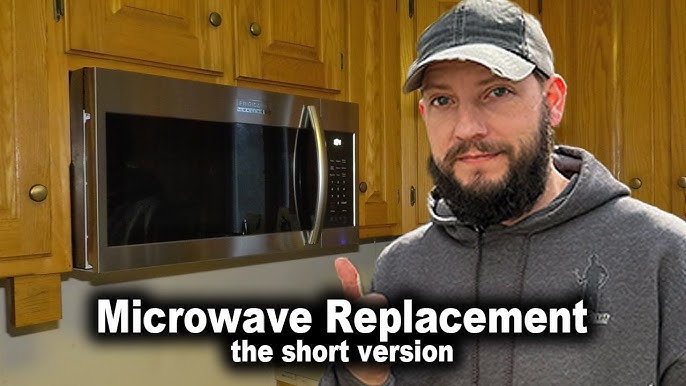
Replacing a microwave oven might seem like a daunting task, but it doesn’t have to be. Imagine this: you’re finally ready to upgrade that old microwave that’s been chugging along for years, and now you have a shiny new model waiting to be installed.
But where do you start? This guide will show you step-by-step how to replace your microwave oven with ease and confidence. Whether you’re a seasoned DIYer or a first-timer, you’ll find everything you need right here. By the end, you’ll not only have a fully functional microwave but also the satisfaction of having done it yourself.
So, let’s dive in and get your kitchen running smoothly again.

Credit: www.youtube.com
Choosing The Right Microwave
Choosing the right microwave is more than picking a brand or color. It’s about matching the appliance to your kitchen space, cooking habits, and energy goals. Your choice impacts how often you use it and how satisfied you’ll be with your new microwave every day.
Size And Capacity
Think about the space where your microwave will live. Measure the area carefully—both width and depth matter. A microwave that’s too big won’t fit, and one that’s too small might not handle your cooking needs.
Capacity is usually measured in cubic feet. If you often heat large dishes or cook meals for several people, aim for a larger capacity, around 1.5 cubic feet or more. For simple reheating and small meals, a smaller size between 0.7 to 1.0 cubic feet works well.
Features To Consider
Features can make your microwave more useful and easier to use. Look for presets like popcorn, defrost, and reheat that simplify cooking. Some models offer sensor cooking, which adjusts time and power automatically—saving guesswork.
Think about convenience too. Do you want a turntable or flatbed design? Is a child lock important for your household? Features like quick-start buttons or easy-to-clean interiors can make a big difference in daily use.
Energy Efficiency
Energy-efficient microwaves use less power while still cooking food quickly. This helps reduce your electricity bill and is better for the environment. Check for models with an Energy Star rating—they meet strict efficiency guidelines.
Consider how often you use your microwave. If it’s a daily kitchen staple, energy efficiency pays off faster. Some microwaves also have eco modes that reduce standby power consumption, cutting waste when the microwave isn’t in use.
Gathering Necessary Tools
Before you dive into replacing your microwave oven, gathering the right tools is crucial. Having everything ready saves time and reduces frustration. It also helps you avoid unnecessary trips to the hardware store mid-project.
Basic Tools Needed
Start with a reliable screwdriver set—both flathead and Phillips types are essential. You’ll need these to remove screws holding the microwave in place and to detach mounting brackets.
A voltage tester or multimeter is another must-have. It ensures the power is off before you start working, protecting you from shocks.
Don’t forget a tape measure. Microwaves come in various sizes, and accurate measurements help you confirm the new unit will fit perfectly.
- Screwdrivers (flathead and Phillips)
- Voltage tester or multimeter
- Tape measure
- Utility knife (to cut any sealant or caulk)
- Adjustable wrench (for loosening bolts if necessary)
Safety Equipment
Safety gear is often overlooked but vital. Wearing gloves protects your hands from sharp edges on the microwave or mounting hardware.
Safety goggles shield your eyes from dust and debris, especially if you need to drill or pry parts loose.
Consider using a dust mask if your work area is dusty or if you’re removing old insulation. It helps prevent inhaling harmful particles.
- Protective gloves
- Safety goggles
- Dust mask
- Non-slip shoes for steady footing
Have you ever started a project only to realize halfway that you’re missing a key tool? Preparing these basics upfront makes your microwave replacement smoother and safer. What tools do you already have ready for your next home improvement task?
Preparing For Removal
Preparing for the removal of your microwave oven ensures a smooth and safe process. Proper preparation helps avoid damage and accidents. It also saves time during installation of the new unit.
Unplugging The Old Microwave
Always unplug the microwave before starting removal. Locate the power cord and pull it gently from the outlet. Avoid yanking the cord to prevent electrical hazards. If the microwave is hardwired, consider turning off the circuit breaker for safety.
Clearing The Area
Remove all items around the microwave. Clear countertops and cabinets nearby to create workspace. Make sure there is enough room to move the microwave safely. This helps prevent dropping or bumping into other objects. Keep pets and children away during removal.

Credit: www.youtube.com
Removing The Old Microwave
Removing your old microwave is the first real task in upgrading your kitchen. It might look simple, but this step requires care to avoid damage or injury. Taking your time and understanding the structure will save you trouble later.
Detaching Mounting Brackets
Start by unplugging the microwave from the power outlet to ensure safety. Locate the mounting brackets—these are usually screws or bolts holding the microwave to the wall or cabinet. Use a screwdriver or drill to carefully remove these fasteners.
Sometimes, brackets are hidden behind the microwave or under a vent hood. If you feel resistance, double-check for additional screws—you don’t want to force the appliance and risk breaking anything. Keep all screws in a small container so you don’t lose them, especially if you plan to reuse the brackets.
Handling Heavy Appliances Safely
Microwaves can be surprisingly heavy and awkward to handle. Don’t try to lift it alone; ask someone to help you. This prevents accidental drops and personal injury.
- Wear gloves to improve your grip and protect your hands from sharp edges.
- Stand close to the microwave to reduce strain on your back.
- Lift with your legs, not your back, to avoid injury.
Think about where you’ll place the microwave once removed. Clearing a spot beforehand makes the process smoother. Are you prepared for the weight and bulk of the appliance? This question can prevent last-minute mishaps.
Installing The New Microwave
Installing a new microwave is an exciting step that refreshes your kitchen and improves your cooking experience. This process requires careful attention to detail to ensure the unit is secure and safely powered. Let’s dive into the key parts: mounting the unit and connecting the power supply.
Mounting The Unit
Start by checking the wall bracket or mounting plate that came with your microwave. Make sure it’s firmly attached to the wall studs to support the microwave’s weight. If you’re reusing an old bracket, inspect it for damage or rust before proceeding.
Lift the microwave carefully and align it with the bracket. It helps to have a second person assist you to avoid dropping or scratching the appliance. Once aligned, slide or hook the microwave onto the bracket until it clicks or sits snugly.
After mounting, test the stability by gently pushing on the unit. It shouldn’t wobble or shift. If it feels loose, double-check the screws and wall anchors. Remember, a securely mounted microwave prevents accidents and ensures proper operation.
Connecting Power Supply
Before plugging in your new microwave, confirm the electrical outlet matches the power requirements listed in the manual. Most countertop units use a standard 120-volt outlet, but built-in models may have different needs. Never use an extension cord or power strip, as these can cause electrical hazards.
Plug the microwave directly into the outlet. If your microwave is hardwired, this step requires turning off power at the circuit breaker and connecting wires according to the manufacturer’s instructions. If you’re unsure about electrical work, hiring a licensed electrician is the safest option.
Once powered, turn the microwave on to test basic functions like the display, light, and turntable. If everything works smoothly, you’re ready to enjoy your new kitchen upgrade. What feature are you most excited to try on your new microwave?
Testing And Final Adjustments
Testing and making final adjustments are crucial after installing a new microwave oven. This step ensures the appliance works safely and efficiently. A careful check helps avoid future problems and guarantees proper operation.
Running Initial Tests
Start by plugging in the microwave and closing the door securely. Set a short timer and run the microwave empty for a few seconds. Listen for unusual noises and watch for sparks or smoke. Test basic functions like heating and the turntable rotation. Check the display panel and buttons for response. Confirm the microwave stops immediately when the door opens. These simple tests verify if the installation was successful.
Troubleshooting Common Issues
If the microwave does not start, check the power source and outlet. Ensure the door latch is fully engaged. If the turntable does not rotate, verify the roller guide and motor alignment. For weak heating, confirm the power level settings and use microwave-safe containers. Strange noises might mean loose parts or a misaligned magnetron. Address these problems by reviewing the installation steps or consulting the user manual. Safety first: unplug the microwave before adjusting any parts.
Maintaining Your Microwave
Maintaining your microwave helps keep it working well and safe. Regular care stops bad smells and keeps food tasting fresh. Simple actions can save money by avoiding early replacements. Clean parts often and check for any damage. Use gentle products and avoid harsh scrubbing. Small efforts extend your microwave’s life and performance.
Cleaning Tips
- Wipe the inside after each use with a damp cloth.
- Use mild soap and warm water for tough stains.
- Place a bowl of water with lemon juice inside and run for 3 minutes to loosen grime.
- Clean the door seals and edges carefully to prevent dirt build-up.
- Dry all parts fully before closing the door to avoid mold.
Extending Appliance Life
- Do not run the microwave empty; it can cause damage.
- Use microwave-safe containers to avoid sparks and melting.
- Keep the vents clear to stop overheating.
- Check the turntable regularly and clean beneath it.
- Unplug the microwave during electrical storms to prevent surges.
Credit: www.maytag.com
Frequently Asked Questions
How Do I Safely Remove My Old Microwave Oven?
First, unplug the microwave and disconnect any mounting hardware. Use caution with electrical cords and avoid damaging the wall. If it’s built-in, carefully detach from cabinetry. Always follow the manufacturer’s instructions for removal to ensure safety and prevent damage.
What Tools Are Needed To Replace A Microwave Oven?
You’ll typically need a screwdriver, drill, level, tape measure, and possibly a wrench. A stud finder and mounting brackets may also be required. Having the right tools ensures proper installation and secure mounting of your new microwave oven.
Can I Replace A Microwave Oven Myself?
Yes, if you follow safety guidelines and instructions carefully. Basic electrical knowledge helps but is not always necessary. For built-in models, precise measurements and mounting skills are important. When in doubt, consult a professional installer to avoid damage or injury.
How Do I Choose The Right Replacement Microwave Oven?
Measure your available space accurately. Consider power wattage, features, and style that fit your kitchen needs. Read reviews and check energy efficiency. Choose a microwave that matches your cooking habits and kitchen aesthetics for the best experience.
Conclusion
Replacing a microwave oven is easier than you think. Follow each step carefully and stay safe. Take your time to remove the old one properly. Choose a new microwave that fits your space well. Connect it correctly to avoid any problems.
Test the microwave before using it fully. Enjoy the convenience of a fresh kitchen appliance. Simple tasks like this save money and effort. You can do it yourself with a bit of patience. Ready for your next cooking adventure?