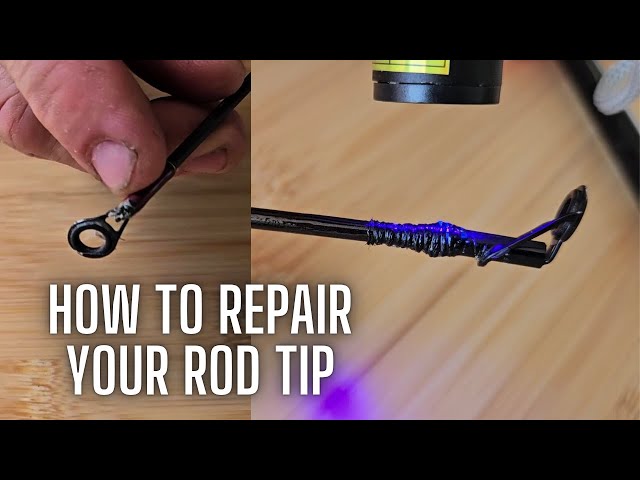
Have you ever felt the frustration of a broken fishing rod tip just when you’re about to catch that big fish? It can ruin your whole day on the water.
But here’s the good news: replacing your fishing rod tip is easier than you think. With a few simple steps, you can fix your rod and get back to fishing without spending a lot of money or time. Keep reading, and you’ll learn exactly how to replace your fishing rod tip quickly and confidently—so you never miss a moment on the water again.
Signs Of A Damaged Rod Tip
The tip of a fishing rod is a small but important part. It helps you feel bites and control the line. If the tip is damaged, your fishing experience may suffer.
Knowing the signs of a damaged rod tip helps you fix it on time. This keeps your rod working well and avoids bigger problems.
Common Tip Breakage Causes
Rod tips break for many reasons. Some common causes include rough use and poor care. Here are the main reasons tips get damaged:
- Hitting hard surfaces like rocks or docks
- Backing the rod too far during casting
- Using too much force when a fish pulls
- Dropping the rod accidentally
- Leaving the rod in extreme heat or cold
Visual And Functional Damage Indicators
Look closely at your rod tip for signs of damage. Some problems you can see. Others you notice when you use the rod.
| Indicator | Description | Effect on Fishing |
| Cracks or Splits | Visible breaks in the tip material | Weakens rod, may break completely |
| Loose or Missing Guides | Top guide is loose or fallen off | Line can tangle or wear quickly |
| Bent or Warped Tip | Tip does not align straight | Affects casting accuracy and feel |
| Rough or Sharp Edges | Damaged guide or tip feels rough | Can cut or fray fishing line |
| Reduced Sensitivity | Harder to feel fish bites | Missed catches and poor control |

Credit: www.reddit.com
Tools And Materials Needed
Replacing a fishing rod tip is easy with the right tools. You can fix it quickly and get back to fishing.
This guide will help you gather what you need. Follow the steps to replace the tip of your fishing rod.
Essential Repair Tools
Having the correct tools is crucial for a successful repair. Gather these items before starting.
- Glue or epoxy suitable for fishing rods
- A lighter or matches for heating
- Needle-nose pliers for gripping
- Sandpaper to smooth surfaces
Choosing The Right Replacement Tip
Selecting the right tip ensures your rod performs well. Match the tip to your rod’s size and type.
| Rod Type | Tip Size |
| Lightweight | 2-4 mm |
| Medium | 4-6 mm |
| Heavy | 6-8 mm |
Removing The Old Rod Tip
Replacing a fishing rod tip starts with removing the old one. This part is important to do carefully. Damaging the rod can cause more problems later.
Follow simple steps to prepare and remove the rod tip safely. This will make the process smooth and protect your fishing rod.
Preparing The Rod
First, clean the rod tip area to remove dirt and old glue. This helps the new tip fit better. Use a soft cloth for cleaning.
Make sure the rod is steady. Hold it firmly or place it on a flat surface to avoid slipping. This keeps you safe and protects the rod.
- Wipe the rod tip area clean
- Use rubbing alcohol if needed
- Secure the rod on a flat surface
- Wear gloves for better grip
Safe Tip Removal Techniques
Heat softens the glue holding the old tip. Use a hairdryer or heat gun on low heat. Warm the tip evenly for a few minutes.
After heating, gently twist the tip back and forth. Do this slowly to avoid breaking the rod or the tip. Pull the tip off carefully once loose.
- Heat the rod tip with a hairdryer for 2-3 minutes
- Do not overheat or burn the rod
- Twist the tip gently to loosen it
- Pull the tip straight off without force
- Use pliers with soft covers if needed

Credit: anglersresource.net
Preparing The Rod For The New Tip
Replacing a fishing rod tip needs careful preparation. You must get the rod ready before attaching the new tip.
This guide covers cleaning and smoothing the rod end and measuring for a proper tip fit.
Cleaning And Smoothing The Rod End
Clean the rod end to remove old glue and dirt. This helps the new tip fit well and stay secure.
- Use fine sandpaper to smooth the rod end.
- Remove any loose fibers or rough spots.
- Wipe the area with a damp cloth to clear dust.
- Let the rod dry completely before the next step.
Measuring For Proper Tip Fit
Measure the rod end carefully to choose the right size tip. A good fit ensures the tip stays in place during use.
| Measurement | How to Measure |
| Rod Tip Outer Diameter | Use calipers to find the rod end width. |
| New Tip Inner Diameter | Check if the new tip slides over the rod end easily. |
| Length of Overlap | Measure how far the tip should slide onto the rod. |
Attaching The New Rod Tip
Replacing the tip on your fishing rod needs care and precision. This guide covers how to attach the new tip properly.
Following these steps will ensure the tip stays secure and works well when you fish.
Applying Adhesive Correctly
Use the right adhesive to hold the new rod tip firmly. Too much glue can cause a mess, and too little won’t hold the tip well.
- Choose a strong, waterproof adhesive made for fishing rods.
- Apply a thin, even layer inside the tip’s tube.
- Avoid getting glue on the outside of the tip.
- Insert the rod tip gently, twisting slightly to spread the glue.
- Wipe away any extra glue immediately with a cloth.
Securing The Tip In Place
Keep the rod tip steady while the adhesive dries. This prevents the tip from moving and ensures a strong bond.
| Tip | Drying Time | Method |
| Use masking tape | 15-30 minutes | Wrap tape to hold tip steady |
| Use a clamp | 30-60 minutes | Apply gentle pressure with a clamp |
| Hold by hand | 5-10 minutes | Keep steady until glue sets |

Credit: anglersresource.net
Finishing Touches And Testing
Replacing a fishing rod tip is almost done. The last steps help make sure it works well. You must let the adhesive dry fully and check the rod’s strength and line alignment.
These finishing touches keep your rod safe to use and improve fishing performance. Take time with this part to avoid damage later.
Allowing Adhesive To Cure
After gluing the new tip, let the adhesive cure completely. This can take from a few hours to a full day. Avoid moving or using the rod during this time.
- Place the rod in a dry, dust-free area
- Keep the rod straight to avoid bending the tip
- Do not touch or test the tip until the adhesive is dry
- Check the adhesive instructions for exact curing time
Checking Alignment And Strength
Once the adhesive is dry, test the rod tip for proper alignment and strength. This step ensures your repair is safe for fishing.
| Check | What to Do | Expected Result |
| Tip Alignment | Look along the rod from base to tip | The tip should line up straight with the rod |
| Adhesion Strength | Gently twist and flex the tip | No movement or loosening at the joint |
| Line Guide | Run fishing line through the guides | Line moves smoothly without catching |
Tips For Maintaining Your Rod Tip
Maintaining your fishing rod tip helps keep it in good shape for longer. A well-kept tip improves your fishing experience and prevents damage.
Simple care steps can protect your rod tip and save you money on repairs or replacements.
Preventing Future Damage
Protect your rod tip from damage by handling it carefully. Avoid hitting it on hard surfaces or bending it too much.
Use a rod cover or case when you carry your fishing gear. This prevents scratches and cracks during transport.
- Keep the rod tip away from sharp objects
- Do not overload the rod with heavy lures
- Store the rod vertically or in a holder
- Use protective sleeves during travel
Regular Inspection Practices
Check your rod tip often for any signs of wear or cracks. Early detection helps avoid bigger problems.
Look closely at the tip guide and the rod end. Make sure the guide is secure and not bent or loose.
- Inspect the tip after each fishing trip
- Clean the tip with fresh water and dry it well
- Replace damaged guides immediately
- Use a soft cloth to wipe the rod tip
Frequently Asked Questions
How Do I Know When To Replace A Fishing Rod Tip?
Check for visible damage like cracks, bends, or missing guides. If your line frequently tangles or breaks near the tip, replacement is needed. A worn tip affects casting accuracy and rod performance.
What Tools Are Needed To Replace A Fishing Rod Tip?
You need a heat source (lighter or heat gun), replacement tip, glue (epoxy or rod tip cement), and pliers. These tools help remove the old tip and securely attach the new one for durability.
How Long Does It Take To Replace A Fishing Rod Tip?
Replacing a rod tip usually takes 15 to 30 minutes. Time varies based on your experience and drying time of adhesive. Proper alignment and curing are key for a strong repair.
Can I Replace A Fishing Rod Tip Myself?
Yes, replacing a fishing rod tip is a simple DIY task. With basic tools and careful steps, you can restore your rod’s performance. Follow instructions precisely for best results.
Conclusion
Replacing a fishing rod tip can save your favorite rod. It takes some care but is not hard. Choose the right tip and tools before starting. Follow the steps carefully for a good fit. A repaired rod works well and lasts longer.
Keep your fishing gear ready for the next trip. Small repairs make a big difference in fishing fun. Try it yourself and enjoy fishing more often.