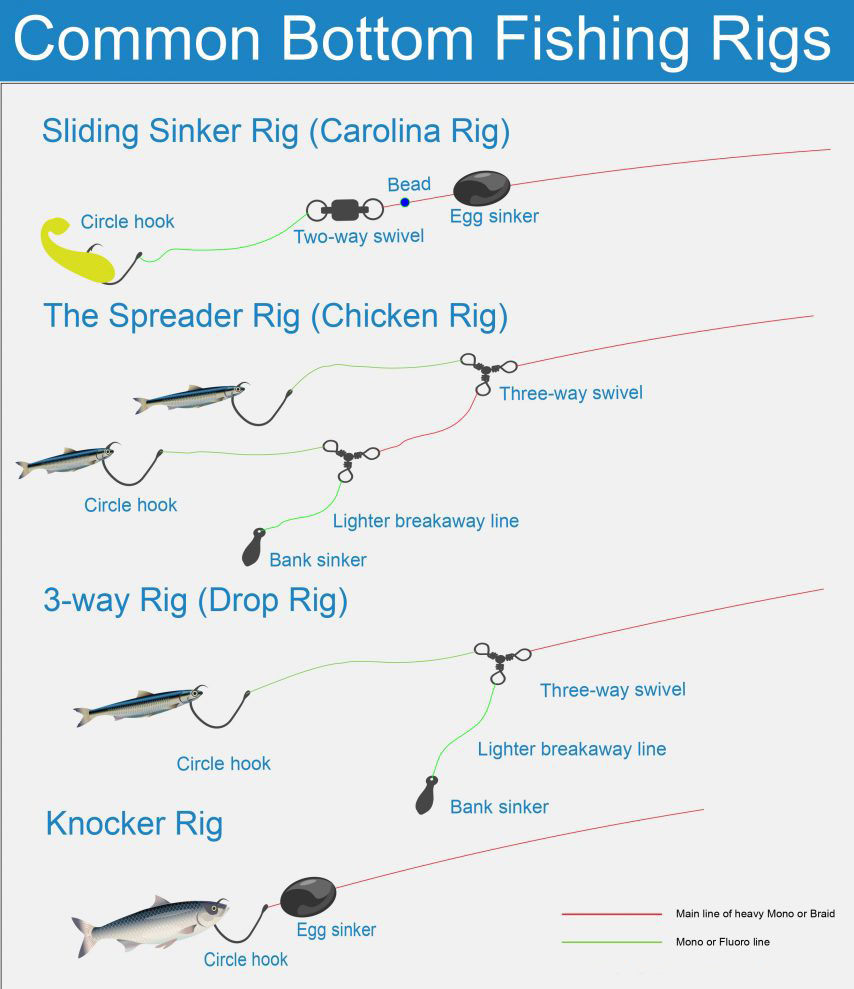
Are you tired of losing fish because your fishing line isn’t set up right? How you rig your fishing line can make all the difference between a successful catch and an empty hook.
Whether you’re a beginner or just need a quick refresher, learning the right way to rig your line will boost your confidence and improve your chances on the water. You’ll discover simple, step-by-step methods that anyone can follow. Keep reading, and soon you’ll be ready to reel in more fish with ease.
Choosing The Right Line
Choosing the right fishing line is important for a good fishing experience. The line affects how you cast, feel bites, and catch fish.
There are different types of lines. Each type has its own strengths and uses. Knowing these helps you pick the best line for your needs.
Monofilament Vs. Braided Vs. Fluorocarbon
Monofilament is a single strand of nylon. It is stretchy and easy to handle. It is good for beginners and general fishing.
Braided line has many small fibers woven together. It is very strong and has little stretch. It works well for heavy cover and deep water.
Fluorocarbon is made from a special plastic. It is nearly invisible underwater. It sinks faster and resists abrasion better than others.
- Monofilament:Stretchy, easy to knot, cheaper
- Braided:Very strong, thin, no stretch
- Fluorocarbon:Clear, sinks fast, abrasion-resistant
Line Strength And Test Ratings
Line strength shows how much weight the line can hold before breaking. It is called the test rating. Test ratings help you pick the right line for your target fish.
Choose a line with a test rating above the weight of the fish you want to catch. Stronger lines handle bigger fish but are thicker and harder to cast.
| Line Type | Test Range (lbs) | Best For |
|---|---|---|
| Monofilament | 2 – 30 | Small to medium fish |
| Braided | 10 – 80+ | Large fish, heavy cover |
| Fluorocarbon | 4 – 40 | Clear water, finesse fishing |
Matching Line To Fishing Conditions
Fishing conditions affect what line you should use. Clear water needs low visibility lines. Heavy cover needs strong, abrasion-resistant lines.
Use braided line in thick weeds or rocks. Use fluorocarbon for clear lakes and streams. Monofilament works well in general conditions and for beginners.
- Clear water: Fluorocarbon or light monofilament
- Heavy cover: Braided line for strength
- General fishing: Monofilament for versatility
- Deep water: Braided or fluorocarbon for sensitivity

Credit: mysterytacklebox.com
Essential Rigging Tools
Rigging fishing line needs some basic tools. These tools help you tie knots and prepare your gear.
Having the right tools makes the rigging process easier and faster. It also ensures your setup is strong and reliable.
Types Of Fishing Knots
Different knots serve different purposes in fishing. Some knots hold the hook, others connect lines or attach lures.
- Improved Clinch Knot – strong and simple for tying hooks.
- Palomar Knot – easy to tie and very strong.
- Loop Knot – allows the lure to move freely.
- Bimini Twist – creates a strong double line.
- Uni Knot – good for tying line to reel or other lines.
Necessary Accessories
Accessories help you handle and organize your fishing line better. They save time and improve your fishing experience.
| Accessory | Use |
| Line Clippers | Cut fishing line cleanly |
| Needle Nose Pliers | Hold small items and tighten knots |
| Hook Remover | Remove hooks safely from fish |
| Bobbers | Keep bait at the right depth |
| Swivels | Prevent line twisting |
Organizing Your Rigging Station
Keep your tools and accessories in one place. This helps you find items quickly and keeps your area neat.
- Use a tackle box with compartments for small items.
- Label each compartment for easy access.
- Keep scissors and pliers in a separate holder.
- Store extra lines and hooks in sealed bags.
- Clean your station after each use to avoid rust and dirt.
Step-by-step Rigging Process
Rigging a fishing line is important for a successful fishing trip. This guide will show you how to rig your line properly.
Follow these steps to prepare, tie knots, and attach hooks and weights efficiently.
Preparing The Line
Start by selecting the right fishing line for your needs. Consider the type of fish you want to catch.
Check the line for any damage or weak spots. Ensure it is strong enough to handle the fish.
- Monofilament lines are versatile
- Braided lines offer strength
- Fluorocarbon lines are nearly invisible underwater
Tying Strong Knots
Knots are vital for keeping your line secure. Practice tying knots to make them strong.
Use knots like the improved clinch knot or Palomar knot. These are reliable and easy to tie.
- Improved clinch knot is good for most situations
- Palomar knot is simple and strong
- Practice makes tying knots easier
Attaching Hooks And Weights
Hooks and weights are important for catching fish. Attach them correctly to your line.
Choose the right size and type of hook for your target fish. Weights help you cast further and keep the bait steady.
- Use small hooks for small fish
- Heavier weights are best for deep waters
- Secure weights above the hook

Credit: mysterytacklebox.com
Advanced Rigging Techniques
Rigging your fishing line correctly improves your chances of catching fish. Advanced rigging helps with stronger setups and better control.
This guide covers using swivels and leaders, setting up for different fish species, and improving cast distance and accuracy.
Using Swivels And Leaders
Swivels prevent your line from twisting and tangling. Leaders protect your main line from sharp teeth and rough surfaces.
Use a strong swivel to connect your main line to the leader. Choose leaders made from fluorocarbon or wire depending on fish type.
- Attach swivel with a strong knot like the Palomar knot
- Use fluorocarbon leaders for clear water and cautious fish
- Use wire leaders for toothy fish like pike or mackerel
- Change leaders regularly to avoid line damage
Setting Up For Different Fish Species
Different fish need different rig setups. Adjust your line strength, hooks, and bait size based on the fish you want.
Light lines work for small fish. Heavy lines and strong hooks are best for big, powerful fish.
- Use light line and small hooks for panfish and trout
- Use medium line and hooks for bass and walleye
- Use heavy line and large hooks for catfish and saltwater fish
- Match bait size to target fish to attract bites
Improving Cast Distance And Accuracy
Proper rigging helps you cast farther and hit your target. Smooth knots and correct weight placement reduce drag.
Balance your rig by placing weights near the bait. Use thin, strong lines to reduce wind resistance and improve accuracy.
- Tie smooth knots like the improved clinch or Palomar for less line bulk
- Place split shots or sinkers close to the bait for better control
- Use braided line to increase casting distance
- Practice your casting to improve aim and distance
Troubleshooting Common Issues
Fishing line problems can ruin your fishing trip. Knowing how to fix them helps you catch more fish.
This guide covers common issues and easy fixes for fishing line troubles.
Avoiding Line Twist And Tangles
Line twist makes casting hard and causes knots. It happens when the reel spins too much.
Use a swivel between the main line and leader to stop twists. Also, spool line evenly on the reel.
- Use quality swivels to reduce line twist
- Keep tension on line while spooling
- Check for loose knots that can cause tangles
- Cast smoothly to prevent line from twisting
Fixing Weak Knots
Weak knots break easily and cause lost fish. Tighten knots well and trim excess tag ends.
Practice common knots like the improved clinch or Palomar knot. Test knots by pulling hard before fishing.
- Wet line before tightening knots
- Pull knots firmly to secure them
- Trim tag ends close to knot
- Retie knots if line looks worn or damaged
Maintaining Line Durability
Fishing line weakens over time from sun and water. Replace line regularly to avoid breaks.
Store line in a cool, dry place. Avoid knots and tight bends that cause damage.
- Check line for nicks and abrasions often
- Replace old or faded line every few months
- Keep line away from direct sunlight
- Use line conditioner to keep it flexible

Credit: greatdaysoutdoors.com
Maintaining Your Rig
Keeping your fishing rig in good shape helps you catch more fish. Regular care stops problems before they start. This guide covers how to clean, store, and check your fishing line and parts.
Simple habits can extend the life of your gear. Spend a few minutes after each trip on maintenance. This will save you time and money in the long run.
Cleaning And Storing Line
Salt, dirt, and sun can damage fishing line over time. Cleaning it properly keeps it strong and smooth. Store it in a dry, cool place to avoid wear and tear.
- Rinse the line with fresh water after each use.
- Wipe it gently with a soft cloth to remove grime.
- Avoid exposing line to direct sunlight for long periods.
- Keep the line on the spool and cover it to prevent dust.
- Use a line conditioner if recommended by the manufacturer.
Replacing Worn Components
Parts like hooks, swivels, and leaders wear out after repeated use. Replace any piece showing signs of rust, cracks, or bending. Using fresh components ensures your rig works well.
| Component | Signs to Replace |
|---|---|
| Hook | Dull point, rust, bent shape |
| Swivel | Corrosion, stiff rotation, cracks |
| Leader | Frays, cuts, discoloration |
| Sinker | Broken clips, loose attachments |
Regular Inspection Tips
Inspect your rig before and after each fishing trip. Look closely for any damage or weak spots. Early detection helps avoid losing fish and gear.
- Check knots for tightness and wear.
- Look for line abrasions near guides and knots.
- Test swivel and snap connections for smooth movement.
- Examine the reel for dirt and salt buildup.
- Ensure all parts move freely and are secure.
Frequently Asked Questions
How Do I Choose The Right Fishing Line For Rigging?
Choose fishing line based on target fish, water type, and fishing style. Monofilament is versatile, fluorocarbon is nearly invisible, and braided line offers strength. Consider line strength and stretch for best rigging performance.
What Is The Best Knot For Rigging Fishing Line?
The improved clinch knot is popular for rigging fishing line. It is strong, easy to tie, and reliable. Properly tying this knot ensures your bait stays secure during casting and fighting fish.
How Do I Rig A Fishing Line For Beginners?
Start by selecting the line and hook size. Tie the hook using a strong knot. Add weights or bobbers if needed. Practice casting to ensure the rig is balanced and effective for your fishing spot.
Can I Rig Fishing Line Without A Swivel?
Yes, but using a swivel reduces line twist and tangles. Without a swivel, your line may twist when reeling in. For smooth rigging and casting, a swivel is recommended, especially with spinning reels.
Conclusion
Rigging fishing line is a skill anyone can learn with practice. Start slow and follow each step carefully. Choose the right knot and check your line for strength. Keep your gear organized and ready for fishing trips. Remember, patience helps improve your technique over time.
Enjoy the process and the quiet moments by the water. Rigging well makes fishing more fun and successful. Try different methods to find what works best for you. Soon, you will feel confident and ready to catch more fish.