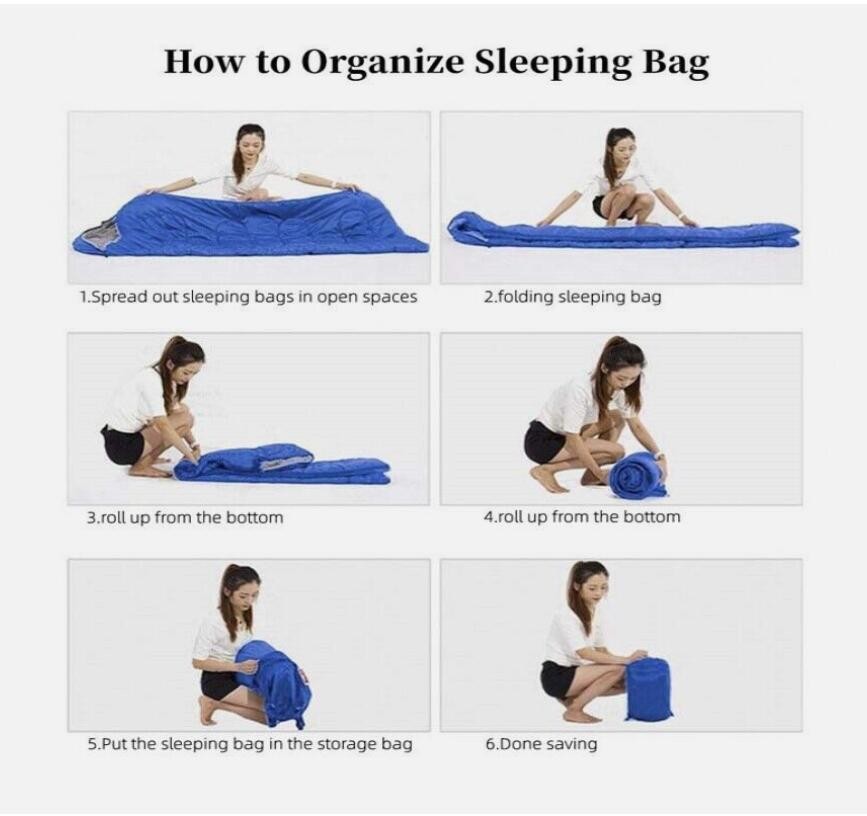
Packing up your sleeping bag doesn’t have to be a hassle. If you’ve ever struggled to roll it up tightly or found it taking up too much space in your backpack, you’re not alone.
But once you learn the right technique, you’ll save time, keep your gear organized, and make your next adventure easier. In this guide, you’ll discover simple, step-by-step tips to roll up your sleeping bag quickly and efficiently. Ready to master this essential camping skill?
Let’s get started!
Choose The Right Surface
Choosing the right surface is important before rolling up your sleeping bag. The surface affects how clean and dry your sleeping bag stays. It also helps you roll it neatly and store it easily.
A smooth and flat surface is best. Avoid rough or wet areas that can damage or soil your sleeping bag. Let’s look at some good and bad surfaces to use.
Flat And Dry Ground
Flat and dry ground is the ideal surface. It keeps the sleeping bag clean and free from moisture. Grass, dry dirt, or a clean tarp work well. These surfaces prevent damage and make rolling easier.
Avoid Wet Or Muddy Areas
Do not roll your sleeping bag on wet or muddy ground. Moisture can soak into the bag and cause bad smells or mildew. Mud can stain and make cleaning hard. Always check the ground before you start rolling.
Use A Clean Tarp Or Mat
If you can, place a clean tarp or mat under your sleeping bag. This protects it from dirt, small stones, and moisture. It also gives you a smooth surface for rolling.
- Choose a tarp made from waterproof material
- Make sure the tarp is free from debris
- Lay the tarp flat before placing your sleeping bag
- Fold the tarp over the sleeping bag after rolling
Avoid Rough Or Rocky Surfaces
Rough or rocky surfaces can tear or damage the sleeping bag fabric. Stones may create holes or snags. Always check for sharp objects and remove them before rolling your bag.
| Surface Type | Good for Rolling? | Reason |
|---|---|---|
| Flat dry grass | Yes | Keeps bag clean and dry |
| Wet or muddy ground | No | Causes moisture and stains |
| Clean tarp or mat | Yes | Protects from dirt and moisture |
| Rocky or rough ground | No | May damage fabric |

Credit: www.amazon.co.uk
Lay Out The Sleeping Bag
Rolling up a sleeping bag properly is important. It keeps the bag clean and ready for the next use.
The first step is to lay it out flat. This helps remove any wrinkles or folds.
Find A Flat Surface
Choose a flat and clean area. This will make it easier to roll the sleeping bag.
Grass or a clean floor works well. Avoid uneven surfaces like rocks or sand.
- Check for sharp objects
- Ensure the area is dry
- Remove any debris
Unzip The Sleeping Bag
Unzip the sleeping bag fully. This allows it to lie flat without bunching up.
Straighten the edges and corners. Make sure it is as flat as possible.
Smooth Out Any Wrinkles
Use your hands to smooth the fabric. This helps in rolling it tightly.
Check both sides for any lumps. A smooth bag is easier to roll and store.
| Surface | Clean and flat |
| Bag Position | Unzipped and spread out |
| Final Check | No wrinkles or lumps |
Zip Up Completely
Zipping up your sleeping bag fully helps in rolling it tight and neat. It stops the bag from opening while you roll it.
A zipped sleeping bag is easier to handle. It keeps the insulation in place and reduces bulk.
Check The Zipper Before Rolling
Make sure the zipper is clean and free of dirt. Dirt can cause the zipper to get stuck or break.
Run the zipper up and down a few times to test it. Fix any snags before rolling the bag.
Zip The Sleeping Bag Fully
Close the zipper from the bottom to the top. This seals the sleeping bag completely.
A fully zipped bag keeps air out and helps compress the bag better.
Hold The Zipper Tight While Rolling
Hold the zipper tab firmly to prevent it from opening. This keeps the sleeping bag secure.
Rolling with the zipper closed makes packing faster and easier.

Credit: www.amazon.ae
Smooth Out Wrinkles
Rolling up a sleeping bag neatly helps it stay clean and dry. Smoothing out wrinkles makes rolling easier. It also saves space in your backpack.
Wrinkles trap air and moisture. Removing them helps your sleeping bag stay compact. This keeps it in good shape for your next trip.
Lay The Sleeping Bag Flat
Start by spreading the sleeping bag on a flat surface. Make sure the inside is facing up. This helps you see any wrinkles clearly.
Use your hands to gently press down on the bag. Smooth the fabric from the center to the edges. This removes most wrinkles before rolling.
Use Your Hands To Flatten Wrinkles
Run your palms slowly over the sleeping bag surface. Apply light pressure to push out wrinkles. Work from one end to the other.
- Press gently but firmly
- Focus on thicker areas
- Repeat until smooth
Roll Tightly To Keep Wrinkles Out
Start rolling from the foot end. Keep the roll tight to avoid new wrinkles. Use your hands to guide the fabric as you roll.
A tight roll keeps the sleeping bag compact. It also prevents creases from forming inside the roll. This makes it easier to pack and carry.
Use A Compression Sack For Extra Smoothness
Place the rolled sleeping bag inside a compression sack. Tighten the straps to keep it compressed. This helps remove any small wrinkles left.
- Insert sleeping bag carefully
- Adjust straps evenly
- Check for wrinkles through the sack
Fold Lengthwise
Folding your sleeping bag lengthwise makes it easier to roll. This method saves space and keeps the bag neat.
Start by laying the sleeping bag flat on the ground. Smooth out any wrinkles for an even fold.
Lay The Sleeping Bag Flat
Place the sleeping bag on a clean, flat surface. Make sure it is zipped up fully to keep it together.
Smooth the bag with your hands. Remove air pockets and creases for a tighter roll later.
Fold The Bag In Half Lengthwise
Bring one side of the sleeping bag over to the other side. The bag should now be half as wide.
Make sure the edges line up straight. A clean fold helps in rolling the bag tightly.
Fold Again If Needed
If your sleeping bag is very wide, fold it lengthwise once more. This makes the bag easier to handle.
- Fold the bag in half lengthwise again
- Check if the width is easier to roll
- Adjust the folds for a straight edge
Prepare To Roll
After folding lengthwise, start rolling from the foot end. Keep the roll tight to save space.
Use your hands to press and roll evenly. A tight roll fits better in your backpack or storage bag.
Start Rolling From The Foot
Rolling up your sleeping bag properly keeps it compact and easy to carry. Starting from the foot end helps push out air and makes rolling tighter.
This method works well with most sleeping bags. It keeps the insulation evenly packed and prevents damage.
Prepare The Sleeping Bag
Lay your sleeping bag flat on a clean surface. Make sure the zipper is fully closed to keep the bag secure during rolling.
Smooth Out Air Pockets
Press the sleeping bag gently from the top to the foot end. This pushes trapped air toward the foot section, making rolling easier.
Roll Tightly From The Foot
- Grab the foot end firmly and start rolling toward the head.
- Keep the roll tight by pressing down as you move along.
- Adjust your grip to keep the roll even and compact.
- Stop rolling when you reach the head end.
Secure The Rolled Bag
Use straps or the sleeping bag’s built-in ties to keep it rolled tightly. This prevents it from unrolling during transport.
| Tip | Reason |
|---|---|
| Start rolling from the foot | Pushes air out and makes the roll tighter |
| Keep the roll tight | Saves space and protects insulation |
| Use straps to secure | Prevents unrolling and keeps shape |
Keep The Roll Tight
Rolling up a sleeping bag tightly saves space and keeps it dry. A tight roll also makes it easier to carry on trips.
Learning how to keep the roll tight helps you pack better and stay organized outdoors.
Prepare The Sleeping Bag
Lay the sleeping bag flat on a clean surface. Smooth out any wrinkles or air pockets. This makes rolling easier and tighter.
Start Rolling From The Foot End
Begin rolling at the foot end of the sleeping bag. Roll firmly and evenly. This pushes air out and keeps the roll tight.
Use Your Hands To Compress
Press down firmly with your hands as you roll. Use your palms to push air out and keep the roll compact.
- Keep the roll tight by squeezing as you go.
- Use your forearms to press the roll flat.
- Keep the sleeping bag aligned to avoid loose spots.
Secure The Roll
Once rolled, fasten the sleeping bag with straps or ties. This keeps it from unrolling during transport.
Secure With Straps Or Sack
Rolling up a sleeping bag tightly helps save space and keeps it clean. Using straps or a sack makes carrying easier.
This guide shows how to secure your sleeping bag with straps or a sack for neat packing.
Using Compression Straps
Compression straps help tighten the sleeping bag after rolling. They keep it compact and prevent it from unrolling.
- Roll the sleeping bag tightly from the foot end.
- Wrap the compression straps evenly around the rolled bag.
- Tighten the straps until the bag feels secure.
- Fasten the buckles or clips to hold the straps in place.
Packing Into A Stuff Sack
A stuff sack holds the sleeping bag in a compact form and protects it from dirt. It also makes carrying easier.
- Spread the sleeping bag flat and fold it evenly.
- Roll the bag tightly from one end.
- Place the rolled bag inside the open stuff sack.
- Pull the drawstring or zipper to close the sack securely.
Comparing Straps And Sack
| Feature | Compression Straps | Stuff Sack |
| Protection | Minimal | Good |
| Size Control | Excellent | Good |
| Ease of Use | Moderate | Easy |
| Weight | Light | Varies |
Tips For Different Sleeping Bag Types
Rolling up a sleeping bag correctly saves space and keeps it clean. Different sleeping bags need different rolling methods.
Knowing how to handle each type helps protect the bag’s insulation and shape.
Down Sleeping Bags
Down sleeping bags use feathers for warmth. They are lightweight and compress well but need careful rolling to avoid damage.
- Shake the bag to loft the down before rolling.
- Start rolling from the foot end to keep feathers aligned.
- Roll gently to avoid crushing the down.
- Store the bag loosely after use to maintain loft.
Synthetic Sleeping Bags
Synthetic sleeping bags dry faster and are easier to clean. They are bulkier and need a firm roll to save space.
| Tip | Reason |
| Compress firmly but not too tight | Prevents damage to synthetic fibers |
| Roll from the head end | Keeps the insulation even |
| Use compression sack if available | Reduces packed size |
Mummy Vs. Rectangular Bags
Mummy bags are narrow and tapered. Rectangular bags are wider and boxy. Rolling methods differ for each.
| Bag Type | Rolling Tip |
|---|---|
| Mummy Bag | Fold sides inward before rolling to keep shape. |
| Rectangular Bag | Lay flat and roll tightly from the bottom. |

Credit: trendtents.com
Common Mistakes To Avoid
Rolling up a sleeping bag seems simple but many make errors that cause damage. Avoiding these mistakes keeps your bag in good shape and saves space.
This guide highlights common errors and how to fix them. Follow these tips for easier packing and longer-lasting gear.
Packing The Bag While Wet
Putting a wet sleeping bag in its stuff sack causes mold and bad smells. It also damages insulation over time.
Rolling Too Tightly
Many try to make the roll very small to save space. This can harm the bag’s filling and reduce its warmth.
Skipping The Flattening Step
Not flattening the sleeping bag before rolling creates uneven lumps. This makes packing harder and takes more room.
Ignoring The Direction Of The Roll
Rolling from the wrong end can trap air or cause wrinkles. Start rolling from the foot end to push air out.
Using Wrong Stuff Sack Size
Stuff sacks too small or too large cause issues. Too small damages the bag. Too large wastes space.
- Choose a stuff sack matching your bag size.
- Use compression sacks carefully to avoid damage.
- Always check sack condition before packing.
Failing To Store Properly After Use
Storing a sleeping bag rolled for long periods can harm insulation. Always unroll and air it out before storage.
| Mistake | Effect | How to Avoid |
| Packing wet | Mold and smell | Dry fully before packing |
| Rolling too tight | Damage to filling | Roll snug but not tight |
| Skipping flattening | Uneven roll | Spread bag flat before rolling |
| Wrong roll direction | Air trapped | Roll from foot end |
| Wrong sack size | Damage or wasted space | Use correct sack size |
| Improper storage | Insulation damage | Store unrolled in dry place |
Frequently Asked Questions
How Do You Properly Roll Up A Sleeping Bag?
Start by laying the sleeping bag flat and folding it lengthwise. Tightly roll from the foot end towards the top. Use straps or cords to secure the roll, keeping it compact and easy to carry.
What Is The Best Technique To Roll A Sleeping Bag?
The best technique is to flatten and fold the bag in half lengthwise, then roll tightly from the bottom. Compress the roll with straps to maintain its shape and save space in your backpack.
Can Rolling A Sleeping Bag Extend Its Lifespan?
Yes, rolling a sleeping bag properly prevents damage to insulation. Avoid tight compression for long periods to maintain loft and warmth, extending the bag’s lifespan.
How Can I Save Space When Rolling My Sleeping Bag?
Fold the sleeping bag lengthwise before rolling tightly. Use compression sacks to reduce volume further. Removing excess air while rolling also helps save space efficiently.
Conclusion
Rolling up your sleeping bag keeps it clean and saves space. Start by laying it flat and folding any straps. Roll tightly from the bottom to the top. Use straps or a bag to hold it together. Practice a few times to get faster.
A well-rolled sleeping bag fits easily in your backpack. This simple skill helps keep your gear organized and ready. Try it before your next trip. Your camping experience will feel smoother and more enjoyable.