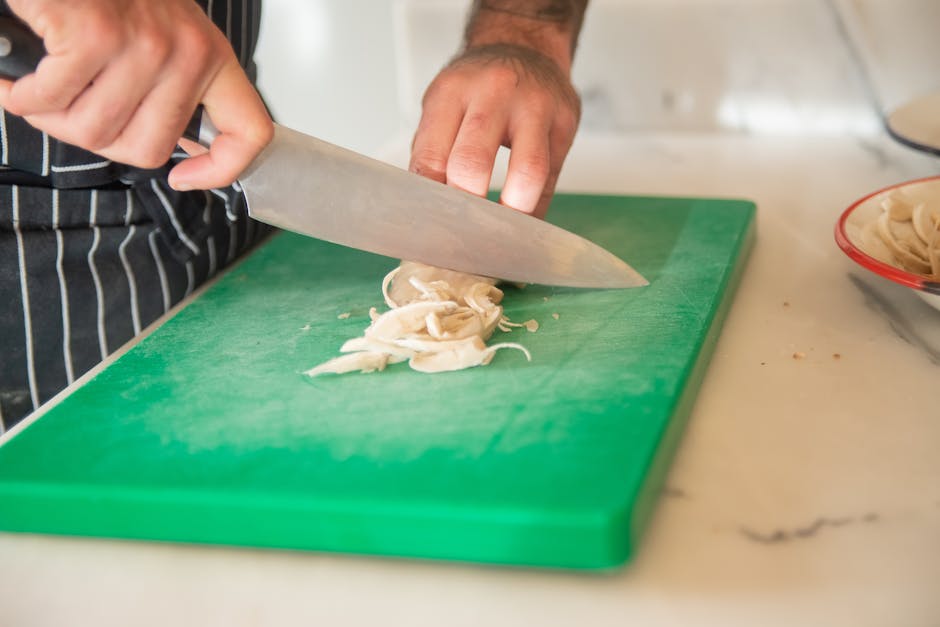
Your plastic cutting board sees a lot of action in the kitchen. But do you know how clean it really is?
If bacteria and stains are hiding on your board, they can easily contaminate your food and put your health at risk. You might think washing with soap is enough, but there’s a smarter way to sanitize your plastic cutting board that keeps it safe and fresh every time.
Keep reading to discover simple, effective steps you can use right now to protect your family and keep your kitchen truly clean.
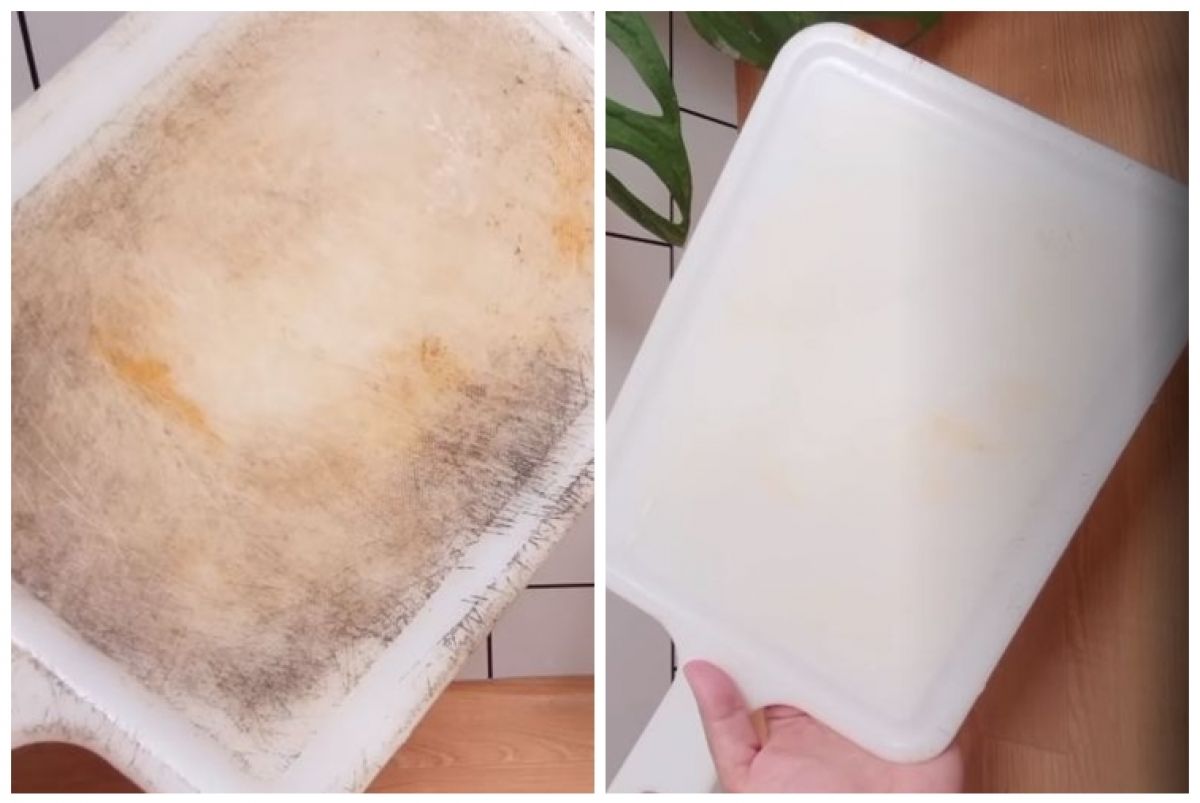
Credit: en.brilio.net
Why Sanitize Plastic Cutting Boards
Plastic cutting boards are common in kitchens. They can hold bacteria after use.
Sanitizing keeps the board safe to use. It stops germs from spreading to food.
Risks Of Bacteria And Cross-contamination
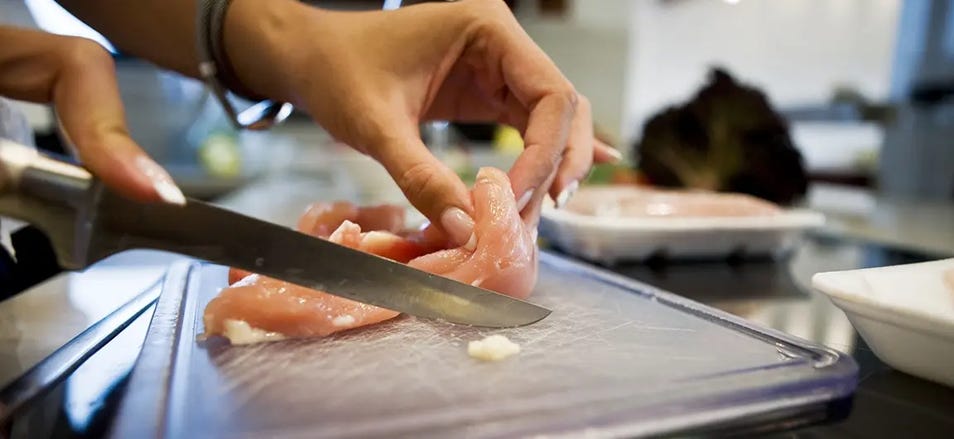
Bacteria can grow on cutting boards from raw meat, fish, and vegetables. These germs can cause illness.
Using the same board for different foods without cleaning can spread bacteria. This is called cross-contamination.
- Salmonella and E. coli are common bacteria found on cutting boards
- Cross-contamination can cause food poisoning
- Children, elderly, and sick people are at higher risk
Benefits Of Regular Sanitizing
Sanitizing plastic cutting boards removes harmful bacteria. It lowers the chance of foodborne illness.
Regular cleaning keeps your kitchen safe and fresh. It also extends the life of the cutting board.
- Kills bacteria and viruses on the surface
- Prevents food contamination
- Maintains hygiene and kitchen safety
- Helps avoid bad smells and stains
Daily Cleaning Tips
Keeping your plastic cutting board clean helps stop germs from spreading. Daily cleaning removes food bits and bacteria. You can easily clean it with simple tools at home.
Follow these easy steps to sanitize your plastic cutting board every day. This keeps your kitchen safe and fresh for food preparation.
Using Hot Soapy Water
Wash your plastic cutting board with hot, soapy water after each use. This removes grease and food particles. Use a sponge or brush to scrub all surfaces well.
- Use dish soap that cuts grease.
- Scrub the board with a brush or sponge.
- Focus on cuts and grooves where food hides.
- Wash both sides of the board thoroughly.
- Use hot water to help kill bacteria.
Rinsing And Drying Properly
Rinse your cutting board with clean water to remove soap and dirt. Dry it completely before storing. Moisture left on the board can cause bacteria to grow.
| Rinsing Tips | Drying Tips |
| Use warm water for rinsing | Wipe with a clean towel |
| Remove all soap suds | Air dry in an upright position |
| Check for leftover food bits | Keep board away from damp places |
Deep Sanitizing Methods
Plastic cutting boards can hold bacteria even after washing. Deep sanitizing removes germs and keeps your kitchen safe.
Use safe and effective methods to sanitize your plastic cutting board well beyond regular cleaning.
Using Bleach Solution
Bleach is a strong sanitizer that kills most bacteria and viruses on plastic boards. Use it carefully to avoid damage or health risks.
- Mix one tablespoon of unscented bleach with one gallon of water.
- Soak the cutting board in the solution for two minutes.
- Rinse the board thoroughly with clean water.
- Let it air dry completely before storing or using.
Vinegar And Hydrogen Peroxide Techniques
Vinegar and hydrogen peroxide are natural sanitizers. Use them one after another to kill bacteria safely.
| Step | Action |
|---|---|
| 1 | Spray white vinegar over the cutting board surface. |
| 2 | Let it sit for five minutes, then wipe with a clean cloth. |
| 3 | Spray 3% hydrogen peroxide on the board. |
| 4 | Allow it to air dry. Do not rinse between steps. |
Dishwasher Sanitizing
Many plastic cutting boards can go in the dishwasher. The hot water and detergent help sanitize the board deeply.
- Check if your board is dishwasher safe before use.
- Place the board on the top rack to avoid warping.
- Use the hottest water setting and a full cycle.
- Remove the board after the cycle and air dry.
Natural Alternatives For Sanitizing
Plastic cutting boards need cleaning to stay safe for food. You can use natural items to sanitize them. These options are easy and safe for your kitchen.
Two simple ways are using lemon with salt, or baking soda paste. Both remove stains and kill germs without harsh chemicals.
Lemon And Salt Scrub
Lemon and salt work well to clean and sanitize plastic boards. Lemon juice is acidic and kills many bacteria. Salt acts as a scrub to remove dirt and stains.
- Cut a lemon in half and sprinkle salt on the cut side.
- Rub the lemon on the cutting board, covering all surfaces.
- Let it sit for five minutes to kill germs and loosen stains.
- Rinse the board with warm water and dry it well.
- Repeat if stains or odors remain.
Baking Soda Paste
Baking soda is a mild cleaner and deodorizer. Making a paste helps scrub away food residue and bacteria from the board.
| Ingredient | Amount | Purpose |
|---|---|---|
| Baking Soda | 2 tablespoons | Cleaning and deodorizing |
| Water | 1 tablespoon | Make a paste |
Mix the baking soda and water until you get a thick paste. Spread it over the cutting board and scrub with a sponge. Rinse well with water and dry the board before use.
Preventing Damage During Cleaning
Plastic cutting boards need careful cleaning to last longer. Harsh cleaning can cause cracks and wear.
Sanitizing your board keeps it safe from germs without hurting its surface. Use gentle methods to clean.
Avoiding Harsh Chemicals
Strong chemicals can damage plastic cutting boards. They may cause the surface to weaken or crack.
Use mild soap and water to clean the board. Avoid bleach and abrasive cleaners that wear the plastic.
- Choose gentle dish soap over harsh detergents
- Skip bleach or ammonia-based cleaners
- Use warm water to help remove germs
- Rinse well to remove all soap residue
Maintaining Board Integrity
Keep your plastic cutting board strong by cleaning it properly. Avoid high heat that can warp or melt it.
Use a soft sponge or cloth to scrub. Avoid rough scrubbers that can scratch the surface.
- Hand wash with mild soap and warm water
- Do not put board in the dishwasher if not dishwasher safe
- Let the board air dry flat to keep its shape
- Replace boards with deep cuts to avoid bacteria buildup
Credit: www.lysol.com
When To Replace Your Plastic Cutting Board
Plastic cutting boards last a long time if you take care of them. Still, they wear out and need replacing. Using a damaged board can cause food safety problems.
Knowing when to replace your plastic cutting board keeps your kitchen safe and clean. Look for clear signs that the board is no longer safe to use.
Signs Of Excessive Wear
Plastic boards get scratches and cuts from knives. Too many cuts can trap bacteria and germs. You should replace your board if it has deep grooves.
- Deep or wide cuts on the surface
- Cracks or broken pieces
- Warping or bending of the board
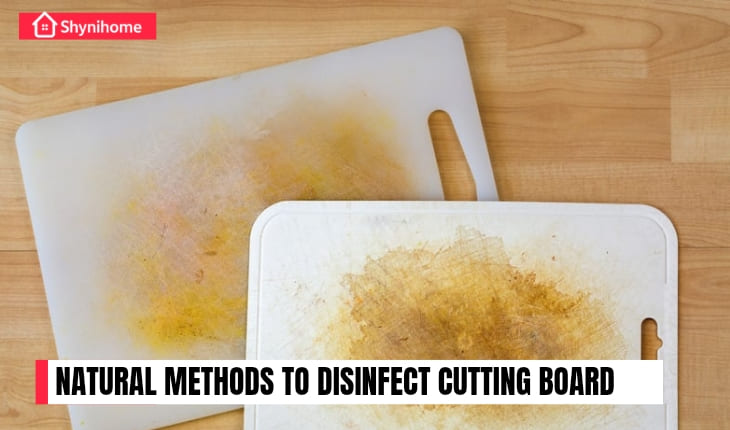
- Stains or discoloration that don’t wash off
- Unpleasant odors that stay after cleaning
Safety Considerations
Using a damaged cutting board can cause cross-contamination. Harmful bacteria can hide in cracks and grooves. This risk makes it important to replace worn boards quickly.
| Risk | Effect |
| Bacteria buildup | Food poisoning and illness |
| Knife slips on warped board | Cuts and injuries |
| Stained boards | Food contamination |
Credit: shynihome.com
Frequently Asked Questions
How Often Should I Sanitize My Plastic Cutting Board?
Sanitize your plastic cutting board after each use, especially when handling raw meat. Regular cleaning prevents bacteria buildup. Use hot soapy water for daily cleaning. For deeper sanitation, use a mixture of vinegar and water or diluted bleach weekly. This keeps your board hygienic and safe for food preparation.
What Is The Best Method To Sanitize It?
The best method involves washing with hot soapy water first. Then, apply a solution of 1 tablespoon of bleach per gallon of water. Let it sit for a few minutes and rinse thoroughly. This ensures effective sanitation, eliminating bacteria and keeping your cutting board clean and safe for use.
Can I Use Vinegar To Sanitize The Cutting Board?
Yes, vinegar is a natural sanitizer effective for plastic cutting boards. Mix equal parts of vinegar and water. Apply the solution and let it sit for a few minutes before rinsing. This method effectively reduces bacteria without harsh chemicals, making it a safe and eco-friendly option.
Is It Safe To Use Bleach On Plastic Boards?
Yes, using diluted bleach on plastic boards is safe and effective. Mix 1 tablespoon of bleach with 1 gallon of water. Apply the solution, let it sit for a few minutes, then rinse thoroughly. This method kills bacteria and ensures a hygienic surface for food preparation.
Conclusion
Sanitizing your plastic cutting board keeps your kitchen safe and clean. Use hot soapy water first to remove food bits. Then apply a disinfectant like vinegar or bleach. Let it sit for a few minutes. Rinse well and dry completely to stop germs.
Regular cleaning helps avoid bacteria buildup. It also keeps your board lasting longer. Simple steps protect your health every day. Clean cutting boards mean safer meals for everyone. Keep this habit to enjoy fresh, healthy cooking.