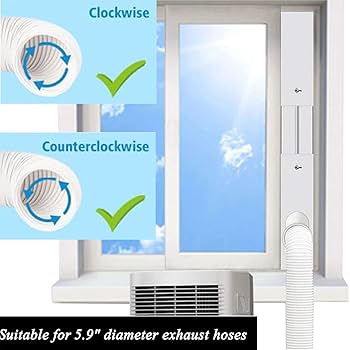
Are you tired of warm air sneaking into your room every time you use your window air conditioner? If your cooling isn’t as effective as it should be, the problem might be simple: your unit isn’t sealed properly.
Sealing your window air conditioner can save you money on energy bills, keep your space cooler, and stop annoying drafts. In this guide, you’ll learn easy, step-by-step tips to make sure your air conditioner fits snugly and works at its best.
Keep reading to discover how a few simple fixes can make a big difference in your comfort and savings.

Credit: www.walmart.com
Why Seal Your Window Ac
Sealing your window air conditioner helps save energyby stopping cool air from escaping. This keeps your room cooler for longer and lowers electric bills.
It also stops warm air from coming inside. This means your air conditioner does not work too hard.
Sealing the unit prevents air leaksthat can make your room uncomfortable. It keeps the temperature steady and your home quiet.
- Blocks dustfrom entering your room through gaps around the unit.
- Stops bugs and pestsfrom coming inside your home.
- Keeps your indoor air cleaner and healthier.

Credit: www.amazon.com
Tools And Materials Needed
Weatherstrippinghelps block air gaps around the air conditioner. Foam tape, V-strip, and felt strips work well. Choose the type that fits the window frame best.
Foam sealantsand caulkfill small cracks and holes. Use a silicone or acrylic caulk for outdoor use. Foam sealants expand and cover larger spaces.
| Basic Tools | Purpose |
|---|---|
| Measuring Tape | Measure window and air conditioner size |
| Utility Knife | Cut weatherstripping and foam sealants |
| Caulk Gun | Apply caulk evenly |
| Screwdriver | Secure air conditioner in place |
| Cleaning Cloth | Clean window frame before sealing |
Preparing The Ac Unit
Start by cleaning the area around the air conditioner. Remove dirt, dust, and old sealant to make the surface smooth. Use a cloth or brush for better cleaning. This helps the new seal stick well.
Next, remove any old seals carefully. Peel off worn-out foam or weatherstripping. This avoids gaps that let air escape. Dispose of the old seals properly.
Check the window frame and AC unit for damage. Look for cracks, holes, or broken parts. Fix small cracks with tape or sealant. Replace damaged parts before sealing. A good fit keeps the air conditioner tight and efficient.
Sealing The Sides
Weatherstrippingis a simple way to block air gaps around the unit. It is easy to apply and helps keep the cold air inside. Cut the weatherstripping to fit the sides of the air conditioner. Press it firmly on the edges for a tight seal.
Foam panelsfill large spaces around the unit. These panels are soft and can be cut to size. Place them between the window frame and the air conditioner to stop air leaks.
Use tape or fastenersto hold everything in place. Good quality tape keeps weatherstripping and foam secure. Fasteners add extra strength, especially if the window moves or shakes.
Sealing The Top And Bottom
Foam insulation fits snugly at the top and bottomof the air conditioner. It blocks cold air from leaking inside. This material is soft and easy to cut.
Caulk fills small gaps and cracksaround the unit. It creates a strong seal that stops air leaks. Use a caulk gun to apply it smoothly.
A tight fit is key for energy efficiency. Check the window frame and air conditioner edges closely. Adjust the unit so no space is left open.
- Insert foam strips along the top and bottom gaps.
- Apply caulk around edges where foam does not reach.
- Press foam firmly to make sure it sticks well.
- Test for drafts by feeling around the sealed area.
Testing The Seal
Check for air leaks by feeling around the edges of the air conditioner. Use your hand to sense any cold air escaping. Another way is to hold a lit candle or incense stick near the seal. Watch for flickering flames or smoke moving. This shows where air may be leaking.
Adjust the seal by pressing foam strips or weatherstripping firmly into place. Replace damaged or worn-out materials to improve the seal. Make sure the window closes tightly against the air conditioner to block outside air.
Monitor energy efficiency by noting changes in your electricity bill. A good seal lowers energy use because the air conditioner cools better. Also, check if the room feels cooler and more comfortable.
Maintenance Tips
Regularly check the air conditioner for any cracks or gaps. Small holes can let warm air inside and cool air escape. Look around the edges and corners carefully. Seal any gaps with weatherstripping or foam tape. This keeps the room cooler and saves energy.
Over time, the seals around the unit can wear out or break. Replace these worn seals to keep the air tight. Use new foam or rubber seals made for window air conditioners. This simple step helps the unit work better and last longer.
Before storing the air conditioner for the season, clean and dry it well. Remove old seals and replace with fresh ones before next use. Store the unit in a dry, cool place to avoid damage. Cover it to keep dust and dirt away.

Credit: www.walmart.com
Frequently Asked Questions
How Do I Prepare A Window Ac For Sealing?
To prepare, clean the window frame and AC unit thoroughly. Check for any damage or gaps. Ensure the unit is properly fitted in the window. Use foam insulation strips for additional sealing. This helps in preventing air leaks and enhances energy efficiency.
What Materials Do I Need To Seal A Window Ac?
You need foam insulation strips, weatherproof tape, and caulk. These materials help in sealing gaps around the unit. They provide protection from drafts and enhance energy efficiency. Proper sealing also prevents dust and moisture infiltration.
Why Is Sealing My Window Ac Important?
Sealing your window AC prevents air leaks, enhancing energy efficiency. It keeps your home comfortable by maintaining the desired temperature. Proper sealing reduces energy bills and prevents dust and moisture infiltration. This prolongs the lifespan of the AC unit.
Can Sealing A Window Ac Reduce Energy Bills?
Yes, sealing a window AC reduces energy bills. It prevents air leaks, maintaining consistent indoor temperatures. This reduces the workload on the AC, increasing energy efficiency. Proper sealing minimizes drafts and prevents unnecessary energy consumption.
Conclusion
Sealing a window air conditioner keeps your home cool and energy efficient. It stops air leaks that raise your bills. Use weatherstripping or foam sealant to close gaps tightly. Check the seal regularly to avoid drafts and moisture. A well-sealed unit works better and lasts longer.
Simple steps make a big difference in comfort and savings. Take time to seal your air conditioner today. Your home will feel cooler and your wallet will thank you. Easy and effective.