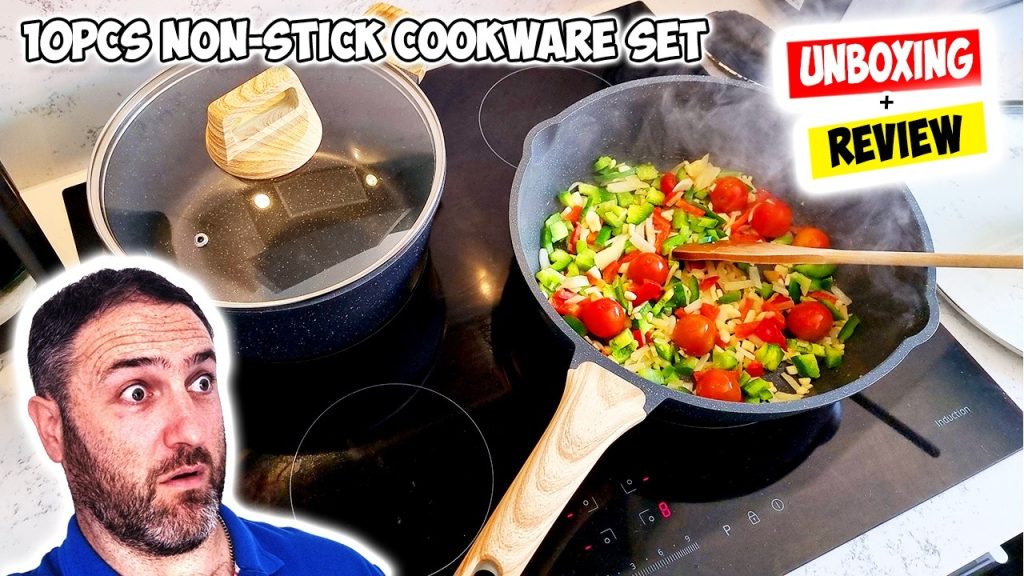
You’ve invested in non-stick cookware because you want easy cooking and quick cleanup. But did you know that seasoning your non-stick pans can make them even better?
Proper seasoning helps protect the surface, boosts non-stick performance, and can extend the life of your favorite pots and pans. If you want your cookware to stay in great shape and make every meal a breeze, keep reading. This simple step could change the way you cook forever.
Benefits Of Seasoning Non Stick Cookware
Seasoning non stick cookware helps keep the surface smooth and durable. It creates a protective layer that lasts longer than the original coating.
This process improves cooking results and makes cleaning easier. Let’s explore the benefits of seasoning your non stick pans.
Improves Non Stick Performance
Seasoning adds a thin layer of oil that fills small scratches. This layer prevents food from sticking better than the factory coating alone.
Extends Cookware Life
The seasoning layer protects the pan from damage caused by heat and cleaning. This keeps the non stick surface intact for a longer time.
Enhances Pan’s Heat Distribution
Seasoned surfaces help heat spread evenly. This reduces hot spots and cooks food more uniformly.
Easier To Clean And Maintain
After seasoning, food residue sticks less to the pan. You can clean it with less scrubbing, saving time and effort.
- Less scrubbing needed
- Reduces chance of damage
- Maintains smooth surface
- Prevents rust on metal parts
Reduces Use Of Cooking Oils
Seasoned cookware needs less oil for cooking. This helps make meals healthier and lowers fat intake.
| Benefit | Description |
| Improved Non Stick | Food slides off easily, fewer burns |
| Longer Pan Life | Protects surface from wear and tear |
| Better Heat | Even cooking and less hot spots |
| Easy Cleaning | Less residue, less scrubbing |
| Healthier Cooking | Less oil needed for cooking |
When To Season Your Cookware
Seasoning non-stick cookware helps keep the surface smooth and non-stick. Knowing the right time to season your cookware keeps it in good shape.
Seasoning is not always needed. It depends on the cookware use and condition.
Before First Use
Season your non-stick cookware before you use it for the first time. This step adds a protective layer to the surface.
After Deep Cleaning
When you clean your cookware with strong detergents, the seasoning can wear off. Reseason it after a deep clean.
When Food Starts To Stick
If food begins to stick to the surface, it is time to season your cookware again. This helps restore the non-stick layer.
After Scratches Or Damage
Scratches or damage can expose the cookware surface. Season it to protect and improve cooking performance.
- Before first use
- After deep cleaning
- When food sticks
- After scratches or damage
Choosing The Right Oil For Seasoning
Seasoning non-stick cookware helps protect its surface and improve performance. Picking the right oil is important for good results.
Some oils work better than others because of their smoke points and how they bond to the pan’s surface.
Oils With High Smoke Points
Choose oils that can handle heat without burning. They create a strong, smooth layer on your cookware.
- Canola oil
- Vegetable oil
- Sunflower oil
- Grapeseed oil
Avoid Low Smoke Point Oils
Oils with low smoke points can leave sticky or uneven layers on your pan. They may also create bad smells.
- Olive oil
- Butter
- Flaxseed oil (unless specifically used for flax seasoning)
Comparing Popular Oils For Seasoning
| Oil | Smoke Point (°F) | Best Use |
| Canola Oil | 400 | General seasoning |
| Vegetable Oil | 400-450 | High heat seasoning |
| Sunflower Oil | 440 | Strong, durable layer |
| Olive Oil | 375 | Not recommended for seasoning |
| Butter | 302 | Not suitable for seasoning |
Step-by-step Seasoning Process
Seasoning your non stick cookware helps keep it in good shape. It creates a protective layer that lasts longer.
This guide shows a simple way to season your cookware at home. Follow each step carefully for the best results.
Cleaning And Drying
Start by cleaning your cookware well. Use warm water and mild soap to remove any dirt or oils. Rinse it thoroughly.
Dry the cookware completely. Use a soft cloth or let it air dry. No moisture should remain before seasoning.
Applying Oil Evenly
Choose a cooking oil with a high smoke point like vegetable or canola oil. Apply a thin layer over the entire surface.
- Pour a small amount of oil onto a paper towel.
- Rub the oil gently over the inside surface of the pan.
- Make sure to cover edges and corners evenly.
- Wipe off any extra oil to avoid sticky spots.
Heating Techniques
Heat the oiled cookware slowly on medium heat. This helps the oil bond to the surface. Do not overheat or burn the oil.
| Heat Source | Suggested Time | Temperature |
| Stovetop | 10 minutes | Medium |
| Oven | 1 hour | 350°F (175°C) |
| Grill | 15 minutes | Medium heat |
Cooling And Wiping
Let the cookware cool down naturally. Do not use water or cold air to speed this up. Cooling slowly preserves the seasoning.
After cooling, use a clean paper towel to wipe the surface. This removes any leftover oil or residue.
Common Mistakes To Avoid
Seasoning non-stick cookware helps keep it in good shape. It makes cooking easier and extends the pan’s life. Many people try to season their pans but make mistakes that harm the surface.
Knowing what to avoid can save your pan and make your cooking better. Here are some common mistakes to watch out for when seasoning non-stick cookware.
Using Too Much Oil
Adding too much oil can cause a sticky or uneven coating. It can also create a build-up that is hard to clean. Use only a thin layer of oil for seasoning.
Spread the oil evenly with a paper towel. This helps the oil form a smooth, protective layer on the pan.
Heating The Pan Too Hot
High heat can damage the non-stick surface and ruin the seasoning process. Use medium or low heat when seasoning your cookware. High heat may cause the coating to peel or crack.
Skipping Cleaning Before Seasoning
Not cleaning the pan well before seasoning stops the oil from sticking properly. Always wash the pan with warm water and mild soap. Dry it completely before applying oil.
Using The Wrong Type Of Oil
Some oils burn at low temperatures and leave bad residue. Use oils with a high smoke point, like vegetable or canola oil. Avoid using butter or olive oil for seasoning.
- Vegetable oil
- Canola oil
- Grapeseed oil
Not Letting The Pan Cool Naturally
Removing the pan from heat too quickly can damage the seasoning. Let the pan cool down on its own before cleaning or storing. Sudden temperature changes may cause warping or surface damage.
Over-seasoning The Pan
Seasoning too often can cause a thick layer that flakes off. Season the pan only when needed. Too much seasoning affects non-stick performance and can make the surface rough.

Credit: insights.made-in-china.com
Maintaining Seasoned Cookware
Seasoned non stick cookware lasts longer and cooks better. Proper care keeps the seasoning intact and prevents damage.
Maintaining your cookware is simple if you follow some key steps. These steps include cleaning, storing, and re-seasoning as needed.
Proper Cleaning Methods
Clean your seasoned cookware gently to protect the non stick surface. Avoid harsh scrubbing or strong chemicals.
Use warm water and mild soap with a soft sponge. Dry it completely after washing to stop rust and damage.
- Do not use steel wool or abrasive scrubbers
- Avoid dishwasher cleaning to protect seasoning
- Rinse thoroughly to remove soap residue
- Dry with a soft cloth or air dry fully
Storage Tips
Store your seasoned cookware in a dry place to avoid moisture damage. Keep it away from sharp objects that can scratch the surface.
Place a soft cloth or paper towel between stacked pans. This prevents scratches and keeps the seasoning safe.
- Keep cookware in a cool, dry cabinet
- Use liners between stacked pans
- Do not store cookware with heavy lids on top
- Avoid damp or humid storage areas
Re-seasoning Frequency
Re-season your non stick cookware when food starts to stick or the surface looks dull. This keeps the non stick layer strong.
How often you re-season depends on use and care. Most people re-season every few months or as needed.
- Check surface condition regularly
- Re-season after deep cleaning or damage
- Apply a thin layer of oil and heat to restore seasoning
- Use gentle cooking oils like vegetable or flaxseed oil
Troubleshooting Seasoning Issues
Seasoning non stick cookware helps keep food from sticking. Sometimes, seasoning does not work well. This guide helps fix common problems.
Knowing why seasoning fails helps you get better results. Read on to solve issues with your cookware.
Oil Layer Is Sticky Or Sticky Residue Remains
Sticky oil means the seasoning got too thick or uneven. This happens if you use too much oil or heat too low.
To fix this, clean the pan with warm water and mild soap. Dry it well. Use a small amount of oil for the next seasoning. Heat the pan on medium heat until the oil dries.
Seasoning Peels Off After Cooking
Peeling means the oil did not bond with the pan. This can happen if the pan was not clean or heated properly before seasoning.
Remove the old seasoning by washing and drying the pan. Apply a thin layer of oil. Heat the pan in the oven or on the stove at medium-high heat for 10 minutes.
Food Still Sticks After Seasoning
If food sticks, the seasoning layer may be too thin or uneven. It may also mean the pan was not heated enough before adding food.
Try seasoning the pan again with a slightly thicker oil layer. Heat the pan longer after applying oil. Before cooking, preheat the pan well to help food release easily.
Pan Develops Dark Or Uneven Spots
Dark or uneven spots show that oil heated unevenly or burned. This happens if heat is too high or oil is not spread well.
Clean the pan and remove burnt oil. Use a thin layer of oil and spread it evenly. Heat the pan on medium heat and watch carefully to avoid burning.
Seasoning Has A Bad Smell
A bad smell means the oil burned or went bad during seasoning. This happens if oil is overheated or old.
Use fresh oil with a high smoke point. Heat the pan slowly and keep the temperature moderate. Avoid overheating the pan.

Credit: www.independent.co.uk
Credit: www.amazon.com
Frequently Asked Questions
How Do I Start Seasoning Non Stick Cookware?
To start seasoning non stick cookware, clean it thoroughly with warm, soapy water. Rinse and dry completely. Apply a thin layer of cooking oil, like vegetable or canola. Heat the pan on medium for a few minutes. Let it cool, then wipe off excess oil with a paper towel.
How Often Should I Season My Non Stick Pans?
Season your non stick pans every few months for optimal performance. Frequent use may require more frequent seasoning. Regular seasoning helps maintain the non stick properties and prolongs the life of your cookware. Always follow the manufacturer’s instructions for the best results.
Can I Use Olive Oil For Seasoning?
Olive oil is not ideal for seasoning non stick pans. It has a low smoke point and can leave a sticky residue. Opt for oils with higher smoke points, like vegetable or canola oil, for better results and a smooth, non stick surface.
Why Is Seasoning Important For Non Stick Pans?
Seasoning non stick pans enhances their performance and longevity. It creates a protective layer, reducing food sticking and making cleaning easier. Regular seasoning also helps maintain the non stick coating, preventing damage and extending the life of your cookware.
Conclusion
Seasoning non-stick cookware keeps it safe and lasts longer. It helps food cook evenly without sticking. Regular care saves money by avoiding early replacements. Use simple oils and follow easy steps to season. Clean gently and avoid harsh scrubbing to protect the surface.
Small efforts bring big benefits in the kitchen. Try seasoning your cookware soon for better cooking results. Enjoy meals without the hassle of stuck food. A little care makes a big difference every day.