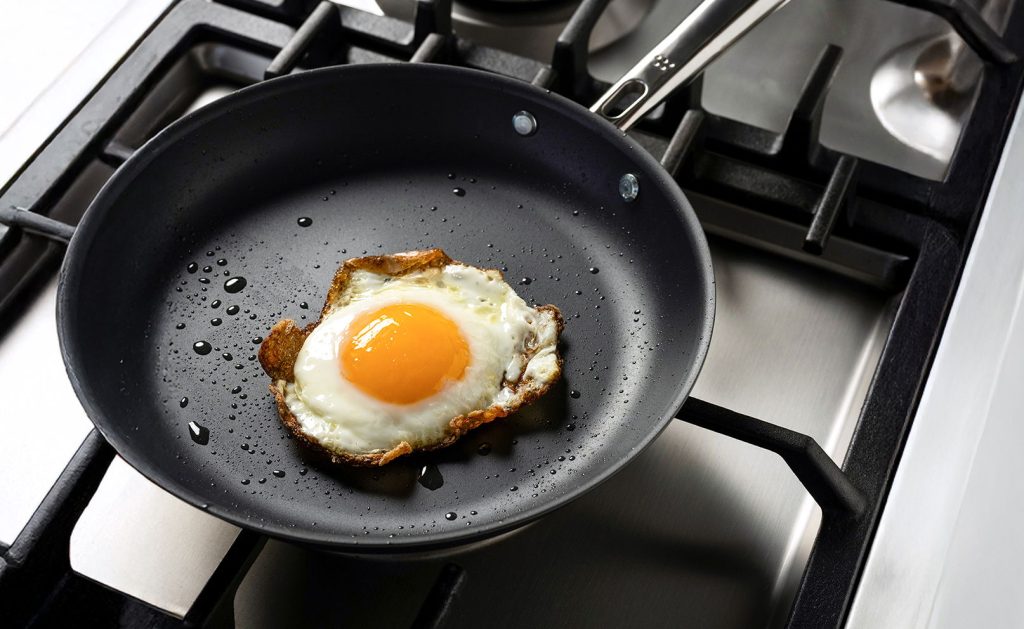
If you want your non-stick pans to last longer and cook better, seasoning them is a simple step you don’t want to miss. Seasoning creates a natural, protective layer that keeps food from sticking and makes cleaning easier.
You might think non-stick pans don’t need this, but giving your pan the right care can save you money and improve your cooking experience. Ready to learn how to season your non-stick pans the right way? Keep reading, and you’ll discover easy tips that anyone can follow.
Why Season Nonstick Pans
Seasoning a nonstick pan helps protect its surface. It creates a thin layer that improves cooking.
This layer keeps food from sticking and makes cleaning easier. Seasoning also extends the pan’s life.
Benefits Of Seasoning
Seasoning strengthens the nonstick coating. It adds a protective barrier that stops damage.
It also improves how food cooks and helps the pan stay smooth. Seasoned pans need less oil.
- Prevents food from sticking
- Protects the nonstick surface
- Makes the pan easier to clean
- Reduces the need for extra oil
- Extends the pan’s lifespan
Common Issues Without Seasoning
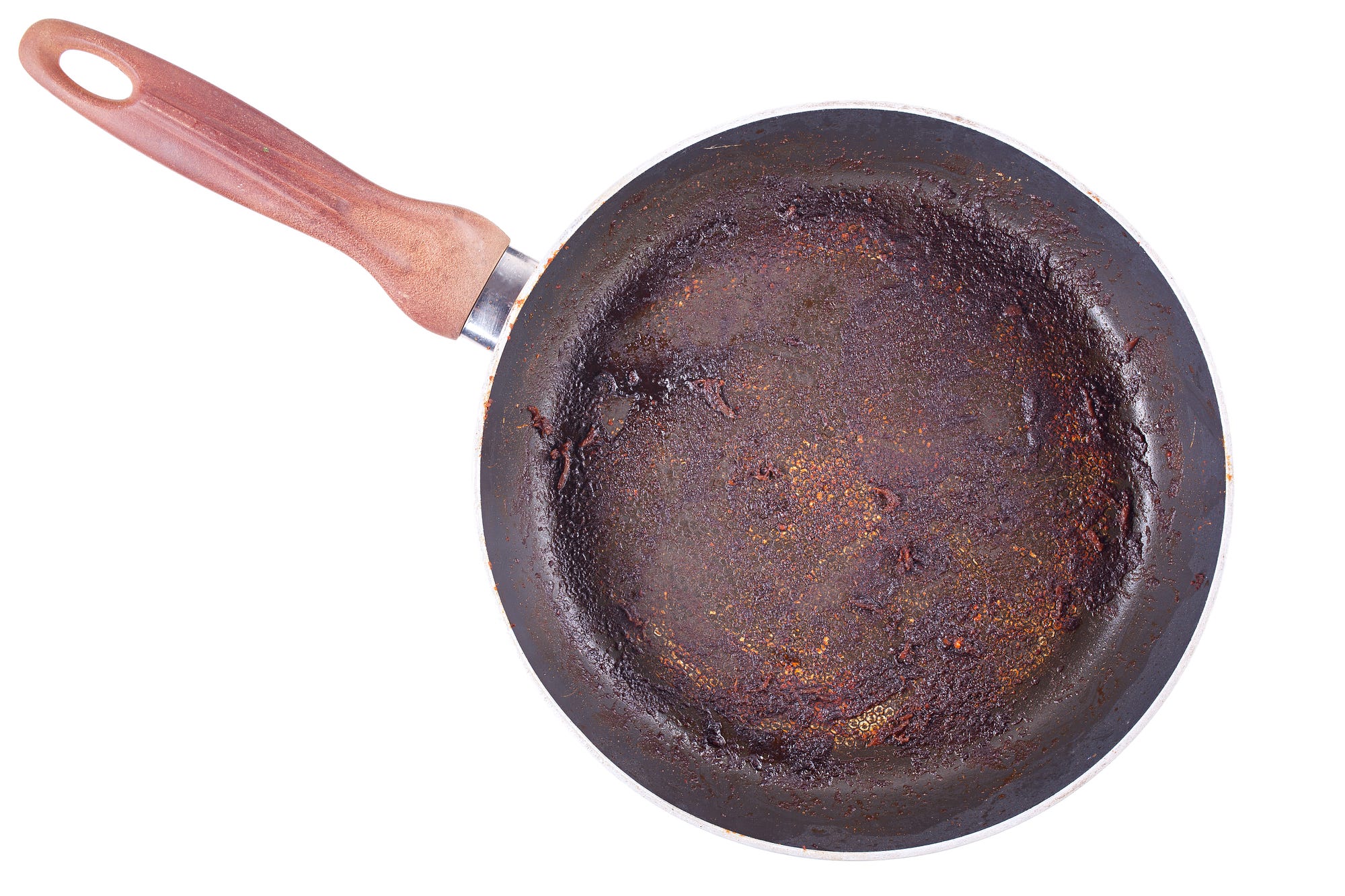
Pans that are not seasoned may lose their coating quickly. Food can stick and burn on the surface.
Cleaning becomes harder and the pan can get scratched more easily. This lowers the pan’s usefulness.
- Food sticks to the pan
- Surface gets damaged faster
- Harder to clean after cooking
- May need more oil or butter
- Pan loses nonstick properties sooner
Choosing The Right Pan
Choosing the right pan is important before seasoning it. Some pans need seasoning to work well and last longer.
Not all non-stick pans need seasoning. Knowing which ones do helps you take care of your cookware.
Materials That Need Seasoning
Cast iron and carbon steel pans need seasoning. This creates a natural non-stick surface and stops rust.
- Cast iron pans
- Carbon steel pans
- Some stainless steel pans (for better cooking)
Aluminum and ceramic pans usually do not need seasoning. Their coatings work without extra care.
Avoiding Damage To Coating
Non-stick coatings like Teflon can get damaged if you season them. Use gentle cleaning and low heat instead.
- Do not use metal utensils on coated pans
- Clean with soft sponges, not abrasive pads
- Heat the pan slowly and avoid very high heat
- Do not season coated pans unless the manufacturer says yes
Taking care of the coating helps your pan last longer and stay safe to use.
Preparing Your Pan
Seasoning a non-stick pan helps keep it in good shape. Proper preparation makes seasoning effective and safe.
Before you start, clean and dry your pan well. This ensures the seasoning sticks properly and lasts longer.
Cleaning Before Seasoning
Clean your non-stick pan carefully to remove dirt and oil. Use gentle soap and a soft sponge to avoid scratches.
Make sure to rinse the pan well to remove all soap. Any leftover soap can stop the seasoning from sticking.
- Use warm water with mild dish soap
- Wash with a soft sponge or cloth
- Avoid abrasive scrubbers or steel wool
- Rinse thoroughly under running water
Drying Techniques
Dry the pan completely before seasoning. Water left on the surface can prevent oil from bonding properly.
You can dry your pan using a clean towel or by heating it gently on low heat for a few minutes.
- Use a soft, clean towel to pat dry
- Place pan on low heat for 2–3 minutes
- Allow the pan to cool slightly before oiling

Credit: imarku.net
Best Oils For Seasoning
Seasoning a non-stick pan helps keep its surface smooth and non-sticky. The right oil protects the pan and makes cooking easier. Choosing oils with a high smoke point is best for seasoning.
Some oils are better than others for this job. Knowing which oils to use and which to avoid will improve your pan’s life and cooking results.
High Smoke Point Oils
Oils with a high smoke point can handle the heat needed for seasoning without burning. These oils create a strong, durable layer on your pan.
- Avocado oil (smoke point about 520°F / 271°C)
- Refined safflower oil (smoke point about 510°F / 266°C)
- Refined sunflower oil (smoke point about 450°F / 232°C)
- Grapeseed oil (smoke point about 420°F / 216°C)
- Canola oil (smoke point about 400°F / 204°C)
These oils stay stable under heat and form an even coating. They are a safe choice for seasoning non-stick pans.
Oils To Avoid
| Oil Type | Reason to Avoid |
| Extra virgin olive oil | Low smoke point, burns easily |
| Coconut oil | Leaves sticky residue |
| Butter or margarine | Contains milk solids, burns fast |
| Unrefined oils | Break down quickly under heat |
Using these oils can cause uneven seasoning. They may leave your pan sticky or damaged over time.
Step-by-step Seasoning Process
Seasoning a non-stick pan helps keep its surface smooth and lasts longer. It creates a thin layer of oil that protects the coating.
Follow these steps to season your pan properly. It is simple and takes only a few minutes.
Applying Oil Evenly
Start with a clean, dry pan. Use a small amount of cooking oil with a high smoke point, like vegetable or canola oil.
Pour a teaspoon of oil into the pan. Use a paper towel to spread the oil evenly over the entire cooking surface, including the sides.
- Use a thin, even layer of oil
- Do not pour too much oil
- Cover all cooking areas of the pan
Heating Methods
Heat the pan to set the oil. Use medium heat on the stove or place the pan upside down in an oven preheated to 350°F (175°C).
Heat until the oil starts to smoke lightly. This means the oil bonds to the pan’s surface, forming the seasoning layer.
- Stove: Heat on medium for 5 minutes
- Oven: Bake upside down for 1 hour
- Use oven mitts to avoid burns
Cooling And Wiping
Turn off the heat and let the pan cool naturally. Do not pour cold water on it to cool faster.
Once cool, use a clean paper towel to wipe off any extra oil. Your pan is now ready to use and protected from damage.
- Cool the pan slowly at room temperature
- Remove excess oil after cooling
- Store the pan in a dry place
Credit: heated.medium.com
Maintaining Seasoned Pans
Seasoned non-stick pans need care to keep their coating strong. Proper maintenance helps them last longer and cook better.
Simple habits after cooking keep the seasoning in good shape. These tips help protect your pans every day.
Cleaning Tips Post-use
Clean your pan gently to avoid damaging the seasoning. Avoid harsh scrubbing or strong detergents.
- Use warm water and a soft sponge or cloth
- Let the pan cool before washing
- Dry the pan completely with a towel
- If food sticks, soak the pan briefly in warm water
- Never use metal scrubbers or abrasive pads
Re-seasoning Frequency
How often you re-season depends on use and cleaning habits. Keep an eye on the surface for dull spots or food sticking.
| Use Level | Re-seasoning Frequency |
| Light (1–2 times a week) | Every 3 months |
| Moderate (3–5 times a week) | Every 1–2 months |
| Heavy (Daily use) | Every 2–4 weeks |
Common Mistakes To Avoid
Seasoning a non-stick pan helps keep its surface smooth and durable. Many people make mistakes that damage the pan instead.
Here are common errors you should avoid to keep your non-stick pan in good shape.
Using Harsh Cleaners
Harsh cleaners can ruin the non-stick coating quickly. They cause scratches and wear down the surface.
Always use mild soap and a soft sponge to clean your pan. Avoid steel wool or abrasive scrubbers.
- Do not use bleach or strong chemicals
- Choose gentle dish soap only
- Use soft cloths or sponges for washing
- Rinse thoroughly with warm water
Overheating The Pan
Overheating a non-stick pan damages the coating and releases harmful fumes. Avoid cooking on very high heat.
Heat the pan on low to medium settings. Let it cool before washing to protect the seasoning.
- Never leave an empty pan on a hot burner
- Use medium or low heat for cooking
- Turn off the heat before removing the pan
- Allow the pan to cool before cleaning
Extending Pan Lifespan
Seasoning non-stick pans helps keep them in good shape for longer. It forms a protective layer that stops damage.
With proper care and seasoning, your pan will last and cook better over time.
Proper Storage
Store your non-stick pans carefully to avoid scratches. Keep them in a dry place to prevent rust on the base.
Use pan protectors or soft cloth between pans if you stack them. This avoids damage to the coating.
- Store pans in a dry cabinet or shelf
- Place a soft cloth or paper towel between stacked pans
- Hang pans by their handles if possible
- Avoid putting heavy items on top of pans
Safe Cooking Practices
Use low to medium heat when cooking with non-stick pans. High heat can break down the coating faster.
Avoid using metal utensils that scratch the surface. Use wooden, silicone, or plastic tools instead.
- Cook on low or medium heat settings
- Do not use metal spatulas or forks
- Preheat pans gently before adding food
- Clean pans with soft sponges and mild soap
:max_bytes(150000):strip_icc()/Simply-Recipes-Stainless-Steel-Pan-Like-Nonstick-LEAD-1-876e185a84ba4c2ab9f4426b0c764860.jpeg)
Credit: www.simplyrecipes.com
Frequently Asked Questions
How Do I Season A Non-stick Pan?
To season a non-stick pan, first clean it thoroughly with soap. Rinse and dry completely. Apply a thin layer of vegetable or canola oil. Heat the pan on medium for 2-3 minutes. Allow it to cool, then wipe off excess oil.
This helps maintain its non-stick surface.
Why Should I Season My Non-stick Pan?
Seasoning a non-stick pan helps maintain its non-stick properties and extend its lifespan. It creates a protective layer that prevents food from sticking. Regular seasoning also reduces the risk of scratches and enhances cooking performance. Overall, it keeps your pan in optimal condition.
How Often Should I Season My Non-stick Pan?
Season your non-stick pan every few months or when food begins to stick. Frequent seasoning is not necessary. However, occasional maintenance ensures the non-stick surface remains effective. Regular care helps prolong your pan’s life and enhances cooking results. Adjust the frequency based on your cooking habits.
Can I Use Olive Oil To Season My Pan?
Avoid using olive oil for seasoning as it has a low smoke point. Instead, use oils like vegetable or canola oil. These oils can withstand higher temperatures. They create a better protective layer on the pan’s surface. This ensures optimal performance and longevity of your non-stick pan.
Conclusion
Seasoning non-stick pans helps keep food from sticking. It also protects the pan’s surface. Regular care extends your pan’s life. Use oil and heat as shown. Avoid harsh scrubbing to keep the coating safe. Clean the pan gently after each use.
Simple steps make cooking easier and cleanup faster. A well-seasoned pan saves time and effort. Try seasoning your pan soon for better results. Enjoy cooking with less mess and more fun.