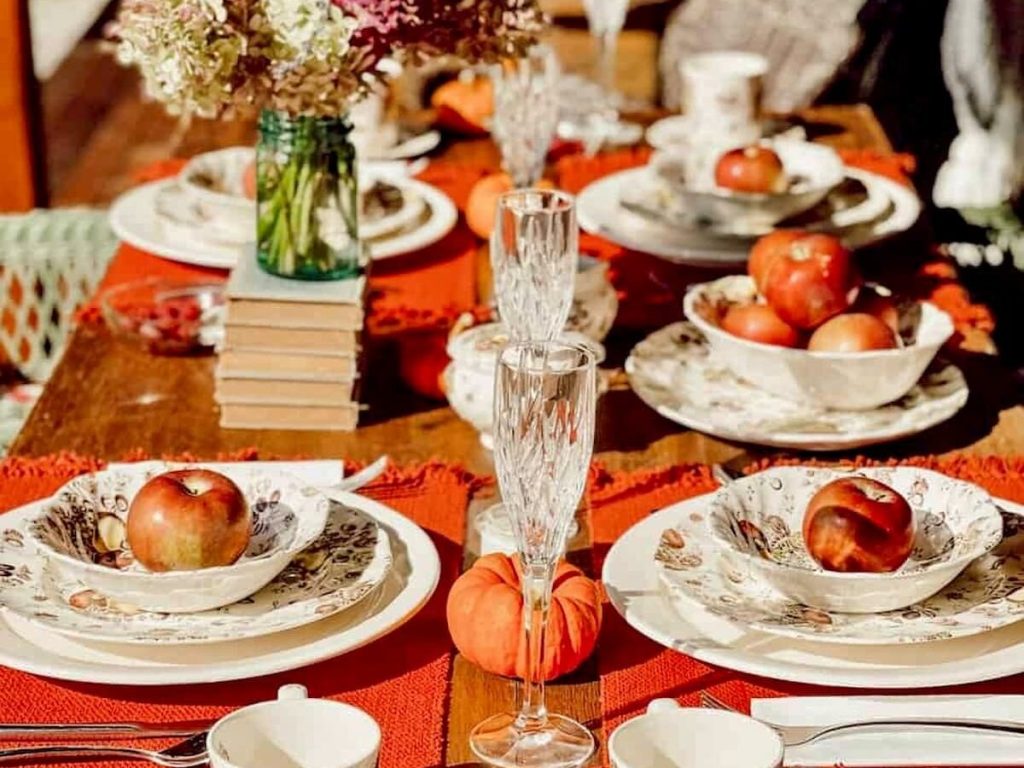
Setting your dinnerware the right way can transform any meal into a special experience. Whether you’re hosting a casual family dinner or a formal gathering, knowing how to arrange your plates, glasses, and utensils can boost your confidence and impress your guests.
You might think it’s just about placing items on the table, but there’s a simple art behind it that makes your table look inviting and organized. Keep reading, and you’ll discover easy steps to set your dinnerware perfectly every time—making your meals not just tasty, but memorable too.

Credit: food52.com
Choosing The Right Dinnerware
Picking the right dinnerware is key to setting a nice table. The right pieces make meals more enjoyable.
Consider the material, style, and size of your dinnerware. These factors affect how your table looks and feels.
Material Options
Dinnerware comes in many materials. Each has its own look and durability.
Common materials include porcelain, stoneware, glass, and melamine. Porcelain is smooth and elegant. Stoneware is sturdy and casual.
- Porcelain: Lightweight and classic
- Stoneware: Thick and durable
- Glass: Modern and sleek
- Melamine: Shatterproof and casual
Styles And Patterns
Styles and patterns add personality to your table. Choose ones that match your home and taste.
Simple styles work well for formal meals. Bold patterns suit casual dinners or parties. Mixing patterns can create a fun look.
- Classic white fits any occasion
- Floral patterns add charm
- Geometric designs look modern
- Rustic styles feel cozy
Size And Shape Considerations
Think about the size and shape of your plates and bowls. They affect how food is served and eaten.
Large plates suit big meals. Small plates work for light dishes or snacks. Round shapes are common, but square or oval add style.
- Choose plate sizes for your typical meals
- Bowls should fit soups or salads comfortably
- Shapes can match your table theme
- Stackable sets save storage space
Essential Tableware Pieces
Setting a dinner table well needs the right tableware. Each piece has a role. It makes eating easy and pleasant.
Learn about plates, bowls, cutlery, and glassware. Use them correctly for a neat table setting.
Plates And Bowls
Plates and bowls hold your food. You need different sizes for different foods. A dinner plate is the biggest. A salad plate is smaller. Bowls are for soups or desserts.
- Dinner plate: main course
- Salad plate: starters or sides
- Soup bowl: soups and stews
- Dessert bowl: ice cream or fruit
Cutlery Basics
Cutlery includes forks, knives, and spoons. Each has a use. Forks hold or pick food. Knives cut food. Spoons scoop liquids or soft foods.
| Cutlery | Use |
| Dinner fork | Main dishes |
| Salad fork | Salads and appetizers |
| Dinner knife | Cut meat and vegetables |
| Spoon | Soups and desserts |
Glassware Types
Glassware holds drinks. Different glasses suit different drinks. Use the right glass to enjoy the drink fully.
- Water glass:for water or juice
- Wine glass:for red or white wine
- Champagne flute:for sparkling wine
- Beer glass:for beer and ales
Placing Dinnerware Correctly
Setting dinnerware correctly creates a neat and inviting table. It helps guests know where to find each item. Proper placement also adds to the meal’s enjoyment.
Follow simple rules for plates, cutlery, and glassware. This guide shows how to arrange each piece with ease.
Plate Arrangement
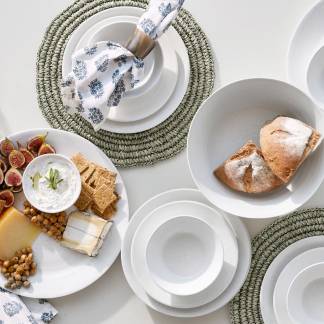
Start with the main plate in the center of the place setting. If you use a charger plate, place it under the main plate. Soup bowls or salad plates go on top of the main plate.
- Place the dinner plate in the center.
- Charger plate goes under the dinner plate.
- Stack salad or soup bowls on top.
- Use a bread plate on the upper left side.
Cutlery Placement
Arrange cutlery based on the order of use from outside to inside. Forks go on the left side of the plate. Knives and spoons go on the right side. The knife blade faces the plate.
| Cutlery | Side | Placement |
|---|---|---|
| Forks | Left | Order by use: salad fork outside, dinner fork inside |
| Knives | Right | Blade facing plate, order by use |
| Spoons | Right | Outside knives, for soup or dessert |
| Dessert Cutlery | Above plate or brought with dessert | Spoon or fork placed horizontally |
Glassware Positioning
Glassware sits above the knives on the right side. Water glass goes closest to the diner. Wine glasses go to the right of the water glass. Use different glasses for red and white wine if needed.
Glassware arrangement tips:
- Place the water glass directly above the knife.
- Put the white wine glass to the right and slightly below the water glass.
- Position the red wine glass to the right and above the white wine glass.
Credit: www.potterybarn.com
Napkin Folding Ideas
Napkin folding adds style to your dinner table. It shows care and attention to detail.
Simple folds suit everyday meals. Decorative styles make special events shine.
Simple Folds
Simple folds are quick and neat. They fit any meal and look clean on the plate.
- Basic Triangle: Fold napkin in half diagonally. Place on plate with the point facing away.
- Pocket Fold: Fold napkin into a square. Make a pocket to hold cutlery.
- Rectangle Fold: Fold napkin into a long rectangle. Lay it across the plate or table.
- Roll Fold: Roll napkin tightly. Secure with a napkin ring or ribbon.
Decorative Styles
Decorative styles add flair to your table. They can match themes or seasons.
| Style | Description | Occasion |
|---|---|---|
| Rose Fold | Napkin shaped like a blooming rose | Romantic dinners, weddings |
| Fan Fold | Napkin folded into a standing fan shape | Formal dinners, holidays |
| Bishop’s Hat | Napkin folded to look like a tall hat | Elegant events, church dinners |
| Bird of Paradise | Napkin folded into a bird shape | Summer parties, tropical themes |
Adding Table Decor
Table decor adds style and warmth to your dinner setting. It creates a nice mood for guests.
Simple touches like flowers or candles make the table look inviting. Small details matter.
Centerpieces
Centerpieces are the main focus on the table. They add color and charm to the setting.
Choose something low and simple so guests can see each other. Fresh flowers or a bowl of fruit work well.
- Use seasonal flowers for a fresh look
- Keep the centerpiece small and low
- Match the centerpiece style to your dinner theme
Place Cards
Place cards help guests find their seats easily. They add a personal touch to the table.
Make cards simple and clear. Use easy-to-read handwriting or printed names.
- Write names in clear letters
- Use small cards that fit the table
- Match card design to the table style
Candles And Lighting
Candles create a warm and cozy feel. Soft lighting makes dinner more relaxing.
Use unscented candles so smells do not mix with food. Place candles safely away from flammable items.
- Choose small candles in holders
- Try LED candles for safety
- Arrange candles evenly along the table
Setting For Different Occasions
Setting dinnerware depends on the occasion and the mood you want to create. Different events call for unique arrangements. Knowing how to set your table helps guests feel welcome and comfortable.
This guide covers three common settings: casual meals, formal dinners, and holiday settings. Each has its own style and rules to follow.
Casual Meals
Casual meals are relaxed and simple. Use everyday plates and utensils. Napkins can be paper or cloth, folded neatly beside the plate.
- Place the dinner plate in the center
- Fork goes to the left of the plate
- Knife and spoon go to the right, knife closest to the plate
- Glass for water or drink sits above the knife
- Napkin is placed to the left or under the fork
Formal Dinners
Formal dinners require a precise and elegant table setting. Use fine china, polished silverware, and cloth napkins. Multiple utensils are set for different courses.
| Item | Placement | Purpose |
|---|---|---|
| Dinner Plate | Center | Main course |
| Salad Plate | Left of fork | Salad course |
| Soup Bowl | On top of dinner plate | Soup course |
| Forks | Left side | Outer fork for salad, inner fork for main |
| Knives | Right side | Outer knife for salad, inner knife for main |
| Spoons | Right of knives | Soup or dessert spoon |
| Glassware | Above knives | Water, wine glasses |
| Napkin | Center or left of forks | Cloth for elegance |
Holiday Settings
Holiday settings blend formal and festive touches. Use themed decorations with your dinnerware. Plates and napkins often match the holiday colors.
Holiday Table Tips:
- Use chargers under plates for extra color
- Place a festive centerpiece in the middle
- Fold napkins creatively to match the theme
- Arrange cutlery neatly for each course
- Use special glassware for drinks
Common Mistakes To Avoid
Setting dinnerware seems simple, but many make mistakes. These errors can make your table look messy or confusing.
Knowing what to avoid helps create a neat and practical table setting. This guide covers common mistakes to watch out for.
Overcrowding The Table
Putting too many dishes and utensils on the table makes it look crowded. Guests may feel uncomfortable with little space.
Leave enough room for each person to eat and move their arms freely. Avoid stacking plates or adding extra cups.
- Use only necessary plates and utensils
- Keep serving dishes off the table or at the center
- Space each place setting evenly
Ignoring Functionality
Choosing dinnerware that looks nice but is hard to use causes problems. Plates should fit the food size and utensils be easy to hold.
Place items where guests expect them. For example, forks go on the left and knives on the right of the plate.
- Select plates large enough for your meal
- Arrange utensils in the order of use
- Keep glasses within easy reach
Mismatch Of Styles
Mixing too many different styles of dinnerware can look messy. Plates, glasses, and napkins should match or complement each other.
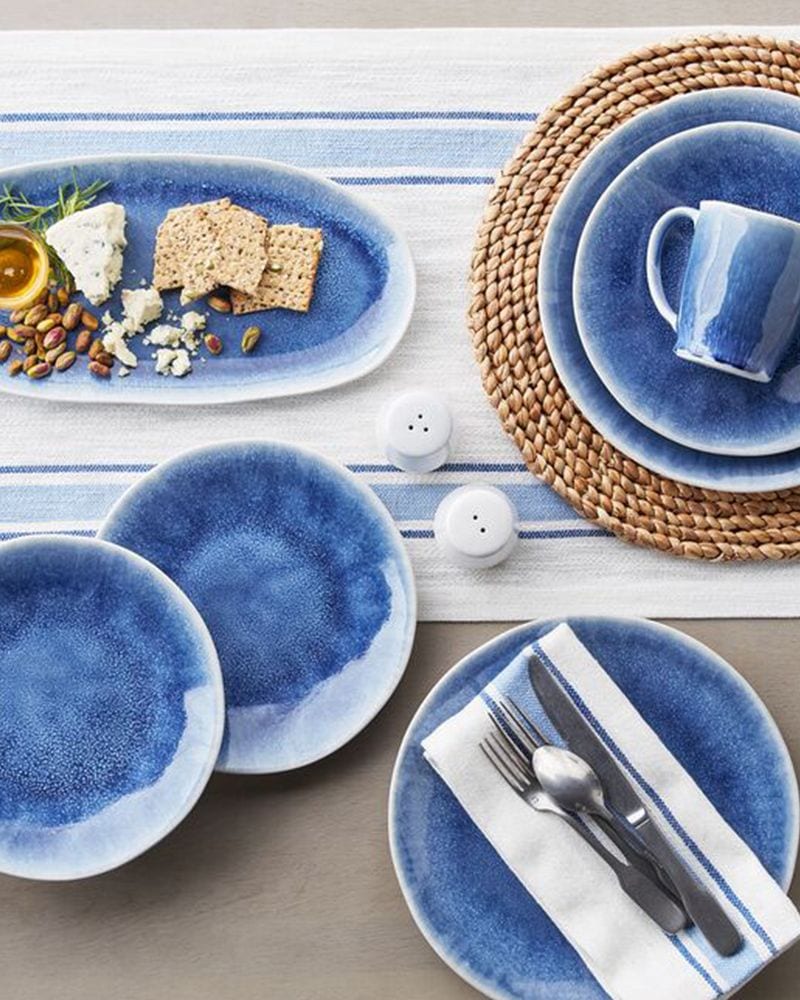
Choose a theme or color palette and stick to it. This makes your table look more inviting and well planned.
- Use matching plates and bowls
- Pick napkins that fit the color scheme
- Keep glassware simple and consistent
Credit: www.surlatable.com
Frequently Asked Questions
How Do I Choose The Right Dinnerware?
Choosing dinnerware depends on your style, occasion, and budget. Consider material durability and dishwasher compatibility. Decide between casual or formal settings. Opt for neutral colors for versatility. Ensure the pieces are easy to replace. Ultimately, select dinnerware that complements your dining space and personal taste.
What Is The Proper Way To Set Dinnerware?
Begin with the dinner plate centered at each place setting. Place the fork on the left and the knife on the right, blade facing in. Position the spoon next to the knife. Set the salad plate on top of the dinner plate.
Place the glassware above the knife.
Can I Mix Different Dinnerware Styles?
Yes, mixing styles adds visual interest. Ensure a cohesive look by sticking to a color theme. Pair different textures and patterns for a unique setting. Balance contemporary pieces with traditional ones. Use a consistent element, like metallic accents, to tie everything together.
Experiment to find a combination that suits your style.
What Materials Are Best For Dinnerware?
Porcelain and bone china are elegant and durable. Stoneware offers a rustic look and is sturdy. Earthenware is budget-friendly but less durable. Melamine is shatterproof, ideal for outdoor use. Consider your needs and lifestyle when selecting materials. Choose based on durability, appearance, and maintenance requirements.
Conclusion
Setting dinnerware is easier than it seems. Start with the basics: plates, forks, knives, and spoons. Keep the arrangement neat and simple. Pay attention to the order guests will use each item. Use the right glass for water or wine.
A clean, tidy table helps everyone enjoy their meal. Practice a few times to feel confident. Small details make a big difference. A well-set table shows care and respect. Enjoy creating a warm, welcoming dining space for family and friends.