If you want to catch more bass, setting up your fishing line the right way is key. The right line setup can make the difference between a missed bite and landing a big bass.
You might think it’s simple, but small details in your line setup can change everything. In this guide, you’ll learn exactly how to prepare your line to improve your chances on the water. By the end, you’ll feel confident and ready to fish like a pro.
Keep reading to discover the easy steps that will boost your bass fishing success.

Credit: mysterytacklebox.com
Choosing The Right Line
Choosing the right fishing line is key for successful bass fishing. The line affects casting, lure action, and hook sets. Picking the correct type and strength helps catch more fish.
Learn about the main types of lines, their strengths, and how water conditions affect your choice. This guide helps you decide the best line for your bass fishing setup.
Monofilament Vs. Braided Vs. Fluorocarbon
Monofilament, braided, and fluorocarbon lines each have unique features. Monofilament is stretchy and easy to handle. Braided line is very strong and thin. Fluorocarbon is nearly invisible underwater and sinks fast.
- Monofilament:Good for beginners, floats well, and is affordable.
- Braided:Has high strength and low stretch, ideal for heavy cover.
- Fluorocarbon:Hard to see in water, resists abrasion, and sinks quickly.
Line Strength And Test Ratings
Line strength is measured by test ratings, which tell how much weight the line can hold before breaking. Picking the right test depends on the bass size and fishing style.
| Line Type | Common Test Range (lbs) | Best Use |
|---|---|---|
| Monofilament | 6 – 12 | Light to medium bass fishing |
| Braided | 10 – 50+ | Heavy cover and big bass |
| Fluorocarbon | 6 – 20 | Clear water and finesse fishing |
Considering Water Conditions
Water clarity and type affect which line to use. Clear water calls for low-visibility lines. Murky water allows stronger, thicker lines. Also, water depth can guide line choice.
- Use fluorocarbon for clear water to avoid spooking bass.
- Choose braided line for thick vegetation or heavy cover.
- Pick monofilament for topwater lures and shallow water.
Selecting The Proper Rod And Reel
Choosing the right rod and reel is crucial for bass fishing success. The combination you pick affects your casting distance and accuracy.
Understanding the features of rods and reels will help you make the best choice. Let’s explore these features in more detail.
Rod Power And Action
Rod power refers to the rod’s strength. It determines how much weight it can handle. Action describes how much the rod bends when pressure is applied.
Fast action rods bend at the tip. Medium action rods bend in the middle. Slow action rods bend throughout the length.
- Light power: Best for small lures and light lines
- Medium power: Ideal for most bass fishing situations
- Heavy power: Suitable for large lures and heavy lines
Reel Types And Gear Ratios
Reels come in different types, such as spinning and baitcasting. Gear ratio indicates how many times the spool turns with each handle turn.
A high gear ratio retrieves line quickly. A low gear ratio offers more power for heavy lures.
- Spinning reels: Easy to use, good for beginners
- Baitcasting reels: Greater control, suitable for experienced anglers
- 5:1 ratio: Good for slow presentations
- 7:1 ratio: Ideal for fast lures
Matching Rod And Reel With Line
It’s important to match your rod and reel with the right line. This ensures optimal performance and reduces the risk of line breakage.
Consider the rod’s power and the reel’s capacity when choosing line weight. Balance is key for effective casting and retrieval.
| Light Rod | 4-8 lb line |
| Medium Rod | 8-12 lb line |
| Heavy Rod | 12-20 lb line |
Attaching The Line To The Reel
Attaching the fishing line to the reel is the first step to prepare for bass fishing. A secure knot keeps the line steady while casting and reeling.
Using the right knot and technique helps avoid line slipping or breaking. It also makes your fishing experience smoother.
Spooling Techniques
Spooling the line onto the reel correctly prevents loose loops and tangles. Keep the line tight as you wind it onto the spool.
Hold the line between your fingers to maintain tension. Turn the reel slowly to wrap the line evenly from one side to the other.
- Attach the line with an improved clinch knot for strength
- Keep steady tension to avoid loose wraps
- Fill the spool evenly without overfilling
- Check for line twists while spooling
Avoiding Twists And Tangles
Line twists cause knots and weak spots. They reduce casting distance and line strength. Avoid twisting by letting the line spool off the reel smoothly.
Use a swivel between the main line and the lure to reduce twists. When reeling in, keep a steady speed to prevent tangles.
- Keep the line tight during casting and reeling
- Check for twists regularly and fix them immediately
- Use a swivel to reduce line spinning
- Store your reel with line under light tension

Credit: www.youtube.com
Tying Strong Knots
Tying strong knots is important for bass fishing. A good knot keeps your line secure and prevents losing fish.
Here are three popular knots that work well for bass fishing lines and lures.
Improved Clinch Knot
The Improved Clinch Knot is easy to tie and very reliable. It works best with monofilament lines.
- Thread the line through the hook eye.
- Wrap the tag end around the standing line 5 to 7 times.
- Pass the tag end through the small loop near the eye.
- Then pass it through the big loop you just made.
- Pull the tag end and standing line to tighten.
- Trim the excess tag end close to the knot.
Palomar Knot
The Palomar Knot is very strong and works well with braided lines. It keeps the line from slipping.
- Double about 6 inches of line and pass it through the hook eye.
- Tie a simple overhand knot with the doubled line.
- Pass the hook through the loop of the overhand knot.
- Pull the loop over the hook.
- Moisten the knot and pull both ends to tighten.
- Cut the tag end close to the knot.
Loop Knot For Lures
The Loop Knot lets lures move freely. It works well with soft plastics and swimbaits.
| Loop Knot Type | When to Use | Key Benefit |
|---|---|---|
| Non-Slip Loop Knot | For strong, free-moving lures | Keeps lure motion natural |
| Quick-Release Loop Knot | When changing lures often | Easy to untie and retie |
Setting Up Leaders And Terminal Tackle
Setting up leaders and terminal tackle is key for bass fishing success. The right setup helps in clear water and tough conditions.
This guide covers how to use leaders, select weights and swivels, and add hooks and lures properly for better results.
Using Leaders For Clear Water
Leaders reduce line visibility in clear water. Fluorocarbon leaders are popular because they blend well. Use leaders about 12 to 24 inches long.
Tying a leader with a strong knot helps prevent line breakage. It also protects against sharp teeth and rough surfaces.
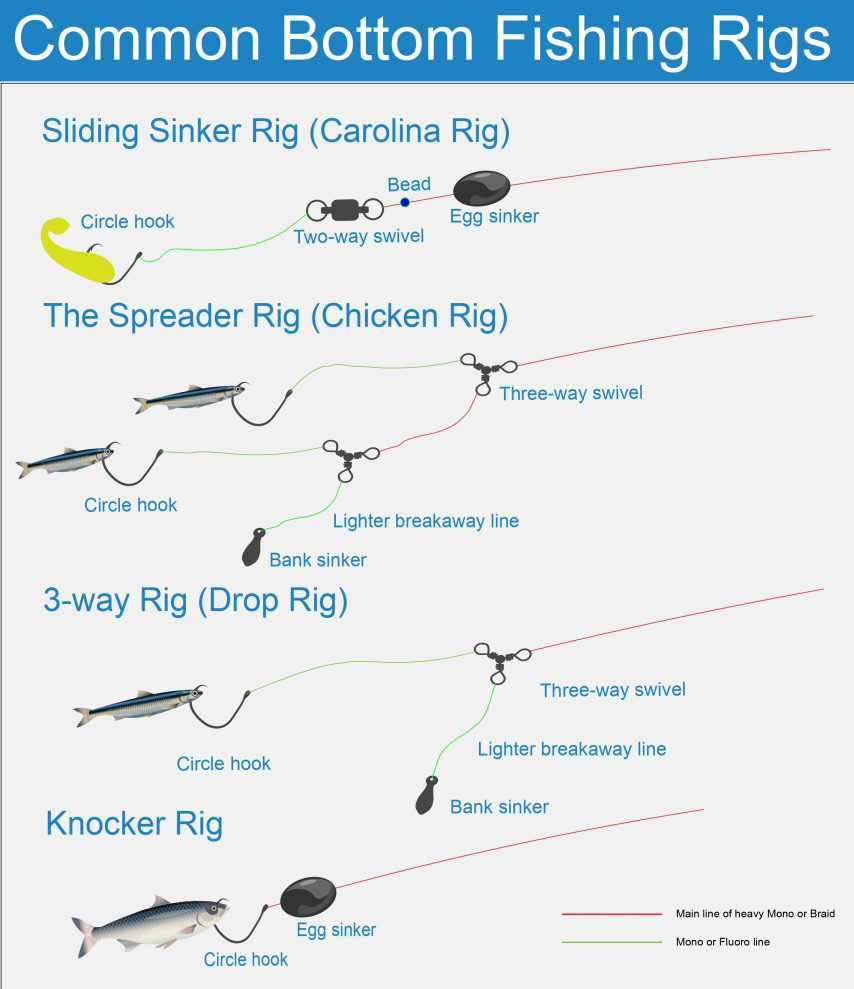
Selecting Weights And Swivels
Weights control how deep your lure sinks. Choose weights based on water depth and current speed. Swivels keep line from twisting and help attach leaders.
| Weight Type | Use | Common Sizes |
| Split Shot | Lightweight, slow sinking | 1/16 to 1/4 oz |
| Bullet Weight | Fast sinking, good for cover | 1/8 to 3/8 oz |
| Egg Sinkers | Slide freely on line | 1/8 to 1 oz |
| Barrel Swivel | Prevents line twist | Size 8 to 14 |
Adding Hooks And Lures
Select hooks based on lure type and bass size. Use sharp hooks to improve hook set. Attach hooks securely to avoid losing fish.
- Match hook size to lure size
- Use weedless hooks for heavy cover
- Attach lures with strong knots like Palomar
- Check hook sharpness before fishing
Adjusting Line For Different Techniques
Choosing the right fishing line makes a big difference in bass fishing. Different techniques need different line setups.
Adjusting your line helps you fish better and catch more bass. This guide covers three popular techniques and their line setups.
Flipping And Pitching Setup
For flipping and pitching, use a strong, low-stretch line. This gives you better control and quick hooksets in heavy cover.
- Use braided line for strength and sensitivity
- Choose 50 to 65-pound test for thick vegetation
- Add a fluorocarbon leader for invisibility underwater
- Keep line tight to feel subtle bites
Topwater And Surface Techniques
Topwater fishing needs a lighter line to let lures move naturally on the surface. Use clear lines for less visibility.
| Line Type | Recommended Test | Notes |
| Monofilament | 8–12 lb | Good stretch for topwater pop |
| Fluorocarbon | 10–14 lb | Less visible, sinks slower |
| Light Braided | 20 lb | High sensitivity, thin diameter |
Deep Water And Jigging Lines
Deep water fishing needs lines with low stretch and good strength. Jigging requires a sensitive line to feel the lure’s touch.
- Use fluorocarbon line for its low stretch and sinking ability.
- Choose 12 to 20-pound test based on water depth and cover.
- Keep line tight to detect subtle bites on the bottom.
- Consider braided line with fluorocarbon leader for extra sensitivity.
Maintenance And Line Care
Proper care helps your bass fishing line last longer. It keeps the line strong and reliable.
Regular checks and good storage prevent problems while fishing. This guide explains how to maintain your line.
Checking For Damage
Look over your line before each trip. Check for cuts, frays, or weak spots that may break.
Damaged line reduces your chances of catching bass. It can snap under pressure.
- Run your fingers along the line to feel rough areas
- Look for discoloration or sun damage
- Check knots to ensure they are tight and neat
Replacing Line Regularly
Fishing line wears out over time. Replace it after several uses or if it shows damage.
Fresh line improves casting and strength. It also helps avoid lost fish.
- Change line at least once each season
- Replace sooner if you fish in rough areas or saltwater
- Use the right line type and strength for bass fishing
Storing Line Properly
Store your fishing line in a cool, dry place. Avoid sunlight to prevent damage.
Keep line on reels or in sealed containers. This stops dirt and moisture from hurting the line.
- Use plastic containers or bags for loose line
- Keep reels covered when not in use
- Store away from heat sources and direct sun

Credit: www.youtube.com
Frequently Asked Questions
What Type Of Fishing Line Is Best For Bass Fishing?
Monofilament and fluorocarbon lines are popular for bass fishing. Monofilament offers stretch and buoyancy. Fluorocarbon is nearly invisible underwater and highly abrasion-resistant. Choose based on water clarity and fishing conditions for best results.
How To Choose The Right Line Weight For Bass Fishing?
Select line weight based on bass size and cover type. Light lines (6-10 lb) suit clear water and finesse techniques. Heavier lines (12-20 lb) handle bigger bass and dense vegetation. Balance strength with sensitivity for effective fishing.
Should I Use Braided Or Monofilament Line For Bass?
Braided line offers high strength and low stretch, ideal for heavy cover. Monofilament provides better stretch and is easier to handle. Use braided line for thick vegetation and monofilament for open water and finesse presentations.
How To Properly Spool A Bass Fishing Line?
Attach line to reel spool tightly with an arbor knot. Maintain tension while winding line evenly onto the spool. Fill the spool about 1/8 inch below the rim to prevent tangles and ensure smooth casting.
Conclusion
Setting up a line for bass fishing takes practice and patience. Choose the right line type and strength for your needs. Tie strong knots that won’t slip or break. Keep your line clean and check it often. These steps help you fish with confidence.
Enjoy the peaceful time on the water. Catching bass becomes easier with the right setup. Keep learning and trying new techniques. Your fishing skills will grow over time. Simple steps lead to better fishing days.