Are you ready to catch more catfish but unsure how to set up your fishing line the right way? Getting your fishing line just right can make all the difference between a quiet day on the water and a successful, exciting catch.
In this guide, you’ll learn simple, step-by-step tips to set up your fishing line specifically for catfish. Whether you’re a beginner or want to improve your technique, you’ll discover easy tricks that work every time. Keep reading to unlock the secrets that could turn your next fishing trip into a big win.

Credit: fishingsun.com
Choosing The Right Fishing Line
Choosing the right fishing line is key for catching catfish. The line must be strong enough to handle big fish. It also needs to be suitable for the fishing environment.
This guide covers types of fishing line, line strength and thickness, and material choices. These tips help you pick the best line for catfish fishing.
Types Of Fishing Line
There are three main types of fishing line: monofilament, braided, and fluorocarbon. Each type has special features for different fishing needs.
- Monofilament:A single strand of nylon. It is flexible and stretches well.
- Braided:Made of many thin fibers woven together. It is very strong and has little stretch.
- Fluorocarbon:Almost invisible underwater. It sinks faster and resists abrasion.
Line Strength And Thickness
Line strength is measured in pounds, showing how much weight it can hold. Thickness affects how far and smoothly you can cast.
| Line Strength (lbs) | Best Use | Thickness |
|---|---|---|
| 15-20 | Small to medium catfish | Thin to medium |
| 20-30 | Medium to large catfish | Medium |
| 30-50 | Large and trophy catfish | Thicker |
Material Considerations
Choose line material based on water type and fishing style. Each material reacts differently to water and wear.
Material Tips:
- Monofilament works well in clear or murky water and is cheaper.
- Braided line suits heavy cover areas because it resists cuts.
- Fluorocarbon is great for clear water and is less visible to fish.

Credit: mysterytacklebox.com
Selecting The Best Line For Catfish
Choosing the right fishing line is crucial for catching catfish. Different lines offer unique benefits. Understanding these can help you make the best choice.
Consider the conditions and type of catfish you are targeting. This will guide you in selecting the most suitable line.
Monofilament Vs. Braided Line
Monofilament is a popular choice for beginners. It is stretchy and affordable, making it ideal for general fishing.
Braided line is stronger and thinner than monofilament. It is perfect for deep waters and heavy catfish.
- Monofilament: Good for beginners and shallow waters
- Braided: Suitable for experienced anglers and deep waters
Fluorocarbon Benefits
Fluorocarbon line is nearly invisible underwater. This makes it great for clear water fishing.
It is also more resistant to abrasion. This helps when fishing near rocks or debris.
- Invisible in clear water
- Resistant to abrasion
Matching Line To Fishing Conditions
Think about where you will fish and the size of the catfish. This will help you choose the right line strength and type.
For muddy waters, a strong braided line can be effective. In clear waters, fluorocarbon is often the best choice.
| Condition | Recommended Line |
| Muddy Water | Braided |
| Clear Water | Fluorocarbon |
Preparing Your Line For Setup
Setting up your fishing line correctly is key to catching catfish. This guide helps you prepare your line step-by-step.
Follow these simple instructions to ensure your line is strong and ready for use.
Measuring And Cutting Line
Measure the length of line you need before cutting. It depends on your fishing spot and reel size.
- Use a tape measure or ruler for accuracy.
- Leave extra length for knots and adjustments.
- Cut the line with sharp scissors or a line cutter.
- Avoid jagged edges by making a clean cut.
Checking For Damage
Inspect the fishing line for any cuts, frays, or weak spots. Damaged line can break easily and cause lost fish.
| Type of Damage | What to Check | Action |
| Frays | Look for loose or fuzzy fibers | Cut out damaged section |
| Small Cuts | Check for tiny breaks on the surface | Replace line if cuts are deep |
| Discoloration | Faded or discolored areas | Consider replacing old line |
Attaching To The Reel
Attach the line securely to your reel to avoid slippage during fishing.
Follow these steps to tie the line:
- Thread the line through the reel spool hole.
- Wrap the line around the spool twice.
- Tie a secure knot, such as an Arbor knot.
- Pull tight and trim any extra line.
Tying Knots For Catfish Fishing
Fishing for catfish needs strong knots that hold tight. These knots must not slip or break under pressure.
Good knots help you catch and land big catfish. Learn simple knots that work best for catfish fishing.
Improved Clinch Knot
The Improved Clinch Knot is popular for tying hooks and lures. It is strong and easy to tie with most fishing lines.
Start by threading the line through the hook eye. Wrap the tag end around the standing line five times. Pass the tag end through the small loop near the eye, then back through the big loop. Pull tight and trim the excess line.
- Thread line through hook eye
- Wrap line 5 times around standing line
- Pass tag end through small loop
- Pass tag end through big loop
- Pull tight and trim excess
Palomar Knot
The Palomar Knot is very strong and keeps line strength high. It works well with braided or monofilament lines.
Double about six inches of line and pass the loop through the hook eye. Tie a loose overhand knot with the doubled line. Pass the hook through the loop. Pull both ends of the line to tighten. Cut the tag end close to the knot.
- Double 6 inches of line
- Pass loop through hook eye
- Tie loose overhand knot
- Pass hook through loop
- Tighten and trim tag end
Loop Knots For Bait Presentation
Loop knots let the bait move freely. This natural movement attracts more catfish to bite.
To tie a loop knot, make an overhand knot in the line. Pass the tag end through the hook eye. Then pass the tag end back through the overhand knot loop. Pull tight to form a loop that allows the bait to swing.
- Make an overhand knot in the line
- Pass tag end through hook eye
- Pass tag end through overhand knot loop
- Pull tight to form a loop
- Trim excess line
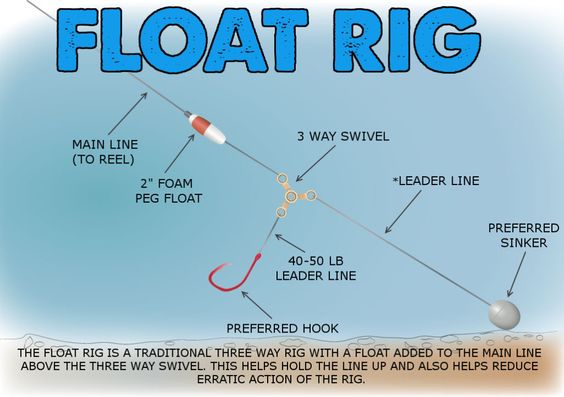
Setting Up Terminal Tackle
Setting up terminal tackle properly helps catch more catfish. It means choosing the right hooks, sinkers, swivels, and leaders. These parts connect your fishing line to the bait and help you fish better.
Good terminal tackle keeps your bait in place and makes fishing easier. Each part has a special job to do. Learning how to use them will improve your catfishing experience.
Choosing Hooks For Catfish
Choose hooks that fit the size of the catfish you want to catch. Strong hooks work best because catfish are heavy and fight hard. Circle hooks are popular because they hook the fish in the mouth.
- Use size 2/0 to 5/0 for small to medium catfish
- Use size 6/0 or larger for big catfish
- Pick hooks made from strong steel
- Circle hooks reduce injury to fish
Adding Sinkers And Weights
Sinkers keep your bait near the bottom where catfish live. Choose weights that match the water current and depth. Too much weight can scare fish, and too little can move your bait away.
| Type of Water | Recommended Weight |
| Calm Water | 1/4 to 1/2 ounce |
| Moderate Current | 1/2 to 1 ounce |
| Strong Current | 1 to 2 ounces or more |
Using Swivels And Leaders
Swivels stop your line from twisting when the catfish pulls. Leaders protect your line from sharp teeth and rough bottom surfaces. Use strong, abrasion-resistant leaders for long-lasting setups.
- Choose barrel swivels for easy tying
- Use leaders made from fluorocarbon or heavy nylon
- Keep leader length between 18 to 24 inches
- Attach hooks securely to leaders
Line Management Tips
Setting up the fishing line for catfish requires careful handling. Good line management helps you catch more fish without problems.
Proper care keeps the line strong and ready for big catfish. Follow these tips to avoid common issues.
Avoiding Line Twist
Line twist makes casting and reeling hard. Twisted line can tangle or weaken. Use these tips to stop line twist.
- Spool the line evenly on the reel.
- Use a swivel to prevent the line from spinning.
- Let the bait sink without letting the line spin.
- Check the line often and untwist if needed.
Maintaining Line Tension
Keep the line tight when fishing. Loose line can cause missed bites or tangles. Here is how to maintain good tension.
- Hold the rod tip up to feel the bite.
- Reel in slowly to keep the line firm.
- Adjust drag on the reel to match the fish strength.
- Don’t let the line slack during a fight.
Storage And Maintenance
Proper storage keeps the line strong and ready. Poor care can cause line damage or memory problems.
- Store your reel in a dry place away from sunlight.
- Clean the line after fishing to remove dirt and salt.
- Check the line for nicks or frays before each trip.
- Replace old or weak line regularly.
Adjusting Line Setup For Different Catfish Types
Different catfish species need different fishing line setups. Adjusting your line helps catch more fish and avoid breakage.
Choosing the right line strength and type depends on the catfish you want to catch. Use the right gear for each species.
Setup For Channel Catfish
Channel catfish are medium-sized and fight moderately. Use a light to medium line for better sensitivity and control.
Monofilament or fluorocarbon line with 8 to 12-pound test works well for channel catfish. This setup helps you feel bites clearly.
- Use 8-12 lb test monofilament or fluorocarbon
- Choose a medium-action rod for better handling
- Use a slip sinker rig for natural bait movement
Setup For Blue Catfish
Blue catfish grow larger and fight stronger. You need a heavier and stronger line for these fish.
Use braided line with a 20 to 30-pound test. Braided line has less stretch and more strength, which helps control big blue catfish.
- Use 20-30 lb test braided line for strength
- Attach a strong fluorocarbon leader around 20 lb test
- Use a sturdy rod with heavy action for better control
Setup For Flathead Catfish
Flathead catfish are large and aggressive. They need strong setups that can handle their power.
Use braided line with 30 to 50-pound test and a heavy fluorocarbon leader. This setup resists abrasion and handles heavy fights.
- Use 30-50 lb test braided line for durability
- Attach a 40-50 lb fluorocarbon leader for abrasion resistance
- Choose a heavy-action rod and strong reel drag
Common Mistakes To Avoid
Setting up fishing line for catfish needs care and attention. Many anglers make simple mistakes that reduce their chances of catching fish.
Avoiding these mistakes helps you fish better and keeps your gear in good shape.
Using Too Light Or Too Heavy Line
Using a fishing line that is too light can cause the line to break easily. Catfish can be strong and pull hard on the line.
On the other hand, too heavy a line can scare fish away. It also makes casting harder and reduces sensitivity.
- Choose a line strength between 12 and 20 pounds for most catfish.
- Use heavier lines for big catfish or rough waters.
- Avoid lines that are too thick, as fish can see them.
Improper Knot Tying
Tying knots incorrectly can cause the line to slip or break. This leads to lost fish and wasted bait.
Make sure your knots are tight and neat. Test them by pulling hard before you start fishing.
- Use strong knots like the Palomar or Improved Clinch knot.
- Trim excess line after tying to avoid tangles.
- Practice knot tying until you can do it quickly and well.
Ignoring Line Condition
Old or damaged fishing line breaks easier and reduces your catch rate. Sunlight, water, and rough surfaces can weaken the line.
Check your line before each trip. Replace it if you see frays, nicks, or discoloration.
- Store your line in a cool, dark place to avoid damage.
- Change the line regularly, especially if you fish often.
- Inspect the line after every big catch or snag.

Credit: mysterytacklebox.com
Frequently Asked Questions
What Fishing Line Strength Is Best For Catfish?
For catfish, use a fishing line with 15 to 30-pound test strength. It offers durability and prevents breakage.
How Do You Tie A Fishing Line For Catfish?
Use the Palomar knot or improved clinch knot. Both provide strong, reliable connections for catfish fishing.
Should I Use Braided Or Monofilament Line For Catfish?
Braided lines offer high sensitivity and strength. Monofilament lines provide stretch, making them suitable for catfish fishing.
How Much Fishing Line Should I Spool For Catfish Fishing?
Spool 150 to 200 yards of line. This length ensures enough line for long casts and big catfish.
Conclusion
Setting up your fishing line right helps catch more catfish. Use strong line and proper knots for best results. Keep your setup simple and check it often. Patience and practice make a big difference on the water. Enjoy the calm and fun while waiting for a bite.
Now, you are ready to fish with confidence. Try these tips on your next trip and see what happens. Fishing for catfish can be easy and rewarding.