Setting up your fly fishing line the right way can make all the difference between a frustrating day and an amazing catch. If you’ve ever felt confused about which line to use or how to attach it properly, you’re not alone.
But here’s the good news: with a few simple steps, you can get your line ready quickly and confidently. In this guide, you’ll learn exactly how to set up your fly fishing line so you can spend less time struggling and more time enjoying the water.
Ready to make your next fishing trip your best one yet? Let’s dive in.
Credit: www.epicflyrods.com
Choosing The Right Fly Line
Choosing the right fly line is important for good fly fishing. The line helps cast the fly and controls the fish.
Different fly lines work better for different fishing styles and conditions. Pick one that fits your needs.
Types Of Fly Lines
Fly lines come in various types. Each type has a different shape and weight distribution.
- Weight Forward: Most common; good for long casts and windy conditions.
- Double Taper: Good for delicate presentations and roll casting.
- Level: Same diameter along the line; used less often.
- Sink Tip: Tip sinks for fishing deeper water.
- Full Sink: Entire line sinks for deep water fishing.
Matching Line Weight To Rod
Match the fly line weight to your rod’s weight rating. This helps the rod cast well and control the line.
Using a line that is too heavy or too light can cause poor casting and reduce fishing fun.
- Check the rod label for recommended line weight (e.g., 5-weight).
- Use the same weight line for best performance.
- Consider the type of fishing and target fish size.
Selecting Line Color
Line color helps you see the line on the water. It also affects fish reaction and fishing style.
Pick a color that suits your fishing conditions and personal preference.
- Bright colors like yellow or orange are easy to see in low light.
- Natural colors like green or brown blend in with water and fish better.
- Clear lines are less visible but harder to see for the angler.
Preparing Your Fly Line
Getting your fly line ready is important before fishing. A well-prepared line helps you cast better and catch more fish.
Follow simple steps to clean, attach, and spool your fly line correctly. This makes your fishing experience smoother.
Cleaning And Inspecting The Line
Check your fly line for dirt and damage before use. Clean it gently to keep it smooth and strong.
Use a soft cloth and warm water to wipe the line. Look for cracks, nicks, or wear that might cause breaks.
- Remove dirt and grime carefully
- Inspect the entire line length
- Replace if there are serious damages
Attaching Backing To Reel
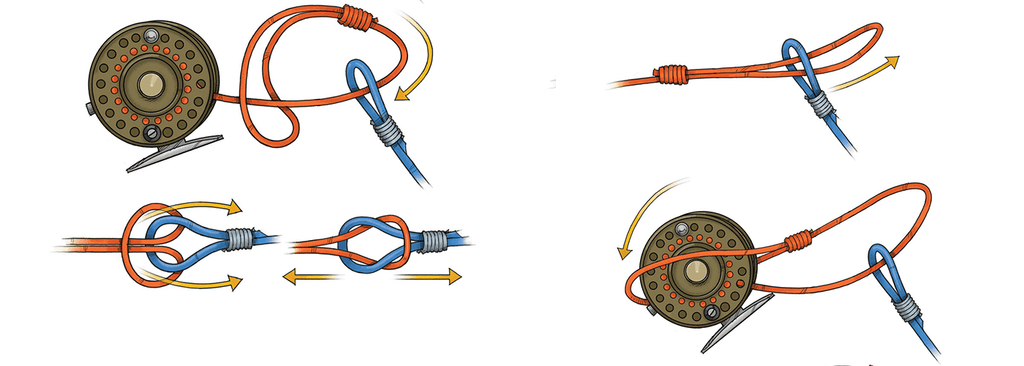
Backing adds extra line to your reel and helps when a fish pulls hard. Attach it firmly to avoid slippage.
Use an arbor knot to tie the backing to the reel spool. Make sure the knot is tight and neat.
- Cut backing to the needed length
- Tie arbor knot to the reel spool
- Pull knot tight and trim excess
Spooling The Fly Line
Spooling means winding the fly line onto the reel. Do it evenly to prevent tangles and twists.
Hold the line tight and turn the reel slowly. Keep the line flat against the spool as you wind.
- Start with backing on the reel
- Attach the fly line to backing with a knot
- Wind line slowly and evenly
- Check for twists or overlaps
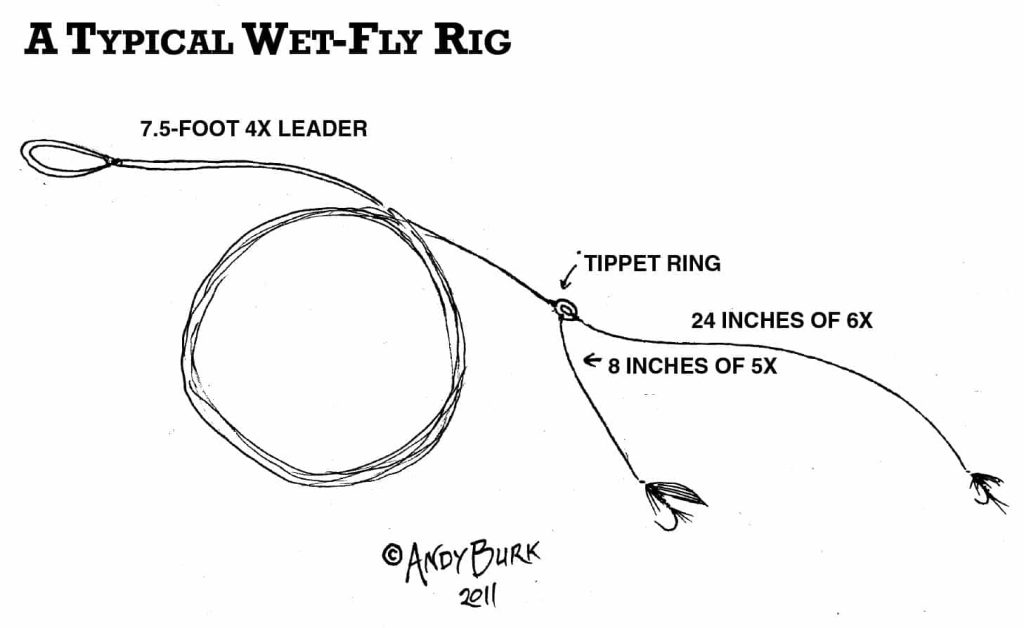
Attaching The Leader And Tippet
Setting up your fly fishing line correctly helps you cast better and catch more fish. Attaching the leader and tippet is an important part of this setup.
The leader connects your fly line to the tippet, which holds the fly. This guide shows how to choose and attach them properly.
Choosing Leader Length And Strength
Choose a leader length that fits your fishing style. Short leaders work well in close spaces. Longer leaders help in clear water and when fish are shy.
The strength of the leader depends on the size of fish you want to catch. Use stronger leaders for big fish and lighter ones for small fish.
- Short leaders: 7 to 9 feet
- Long leaders: 10 to 12 feet
- Light strength: 2X to 4X
- Heavy strength: 0X to 2X
Knots For Leader Connection
Use strong and simple knots to join your fly line to the leader. The knot must be smooth to allow good casting.
The Nail Knot is popular for attaching the leader to the fly line. It creates a slim and strong connection.
- Nail Knot: Joins fly line to leader
- Blood Knot: Joins two leader sections
- Loop-to-Loop: Quick connect for leaders and tippets
Adding The Tippet
The tippet is a thin, clear line tied to the leader end. It helps present your fly naturally in the water.
Attach the tippet to the leader using a strong knot. The Blood Knot works well and keeps the line smooth.
- Cut tippet length based on fly size
- Use 4X to 6X tippet for small flies
- Use Blood Knot to join leader and tippet
- Keep knots tight and trim excess

Credit: calflyfisher.com
Setting Up For Casting
Setting up your fly fishing line correctly helps you cast smoothly and accurately. This guide covers key steps to prepare your line for casting.
Follow these tips to check your line, adjust drag settings, and practice casting techniques for better fishing results.
Checking Line Smoothness
Before casting, inspect your fly line for any rough spots or dirt. A smooth line reduces friction and improves casting distance.
- Run your fingers along the line to feel for bumps or sticky areas.
- Clean the line with a soft cloth to remove dirt or debris.
- Replace the line if it shows signs of wear or damage.
Adjusting Drag Settings
Setting the drag on your reel controls the line tension during a catch. Proper drag prevents line breakage and helps tire the fish.
| Drag Setting | Use |
| Low | For small fish or light lines |
| Medium | For average-sized fish |
| High | For large, strong fish |
Practicing Casting Techniques
Good casting technique improves accuracy and distance. Practice these simple moves to enhance your skills.
- Hold the rod firmly but relaxed.
- Start with a smooth back cast, stopping the rod at 1 o’clock.
- Follow with a forward cast, stopping at 10 o’clock.
- Keep your wrist firm and use your forearm to power the cast.
- Practice in an open area to avoid tangles and obstacles.
Maintaining Your Fly Line
Taking care of your fly fishing line keeps it working well and lasting longer. Regular maintenance helps you avoid problems while fishing.
Proper cleaning, storing, and timely replacement make your fly line ready for every fishing trip.
Cleaning After Use
After fishing, rinse the fly line with fresh water. This removes dirt, salt, and debris that can damage the line.
- Use a soft cloth or sponge to wipe the line gently.
- Do not use harsh chemicals or soaps that harm the line.
- Let the line dry completely before storing it.
Storing The Line Properly
Store your fly line in a cool, dry place away from sunlight. Heat and UV rays can weaken the line over time.
| Storage Tip | Reason |
| Keep away from direct sunlight | Prevents UV damage |
| Store loosely coiled | Avoids kinks and twists |
| Use a line spool or container | Keeps line clean and organized |
| Keep away from chemicals | Prevents material breakdown |
Replacing Worn Lines
Check your fly line regularly for signs of wear. Replace it if you see cracks, frays, or if casting feels rough.
- Inspect the line after every few trips.
- Look for surface damage or loss of coating.
- Replace the line if it loses smoothness or strength.

Credit: jacksonholeflycompany.com
Frequently Asked Questions
What Is The Best Fly Fishing Line Setup?
The best fly fishing line setup includes a backing line, fly line, and leader. The backing line provides extra length for larger fish. The fly line is weighted for casting, and the leader connects the fly to the line. Each component should match your fishing conditions for optimal performance.
How Do You Attach A Fly Line To A Reel?
To attach a fly line to a reel, use an arbor knot. First, pass the line around the reel arbor. Then, tie the knot securely. Ensure the line is tight and evenly wound onto the reel. This setup provides a smooth casting experience and prevents tangles.
Why Is Backing Line Important In Fly Fishing?
Backing line is crucial because it adds extra line capacity. It allows you to catch larger fish that run long distances. It also helps protect your main fly line from getting tangled. By increasing your line capacity, you improve your chances of a successful catch.
How Do You Choose The Right Fly Line Weight?
Choosing the right fly line weight depends on your fishing environment. Consider the type of fish and casting distance. Heavier lines are for larger fish or windy conditions. Lighter lines are ideal for smaller fish and calm waters. Match the line weight with your fly rod for optimal performance.
Conclusion
Setting up your fly fishing line does not have to be hard. Follow each step carefully and take your time. Use the right tools and check your knots well. Practice casting to feel confident and ready. Enjoy the calm and thrill of fly fishing.
Remember, patience helps you learn and improve. Keep your gear clean and safe for next time. Start fishing and have fun with every cast.