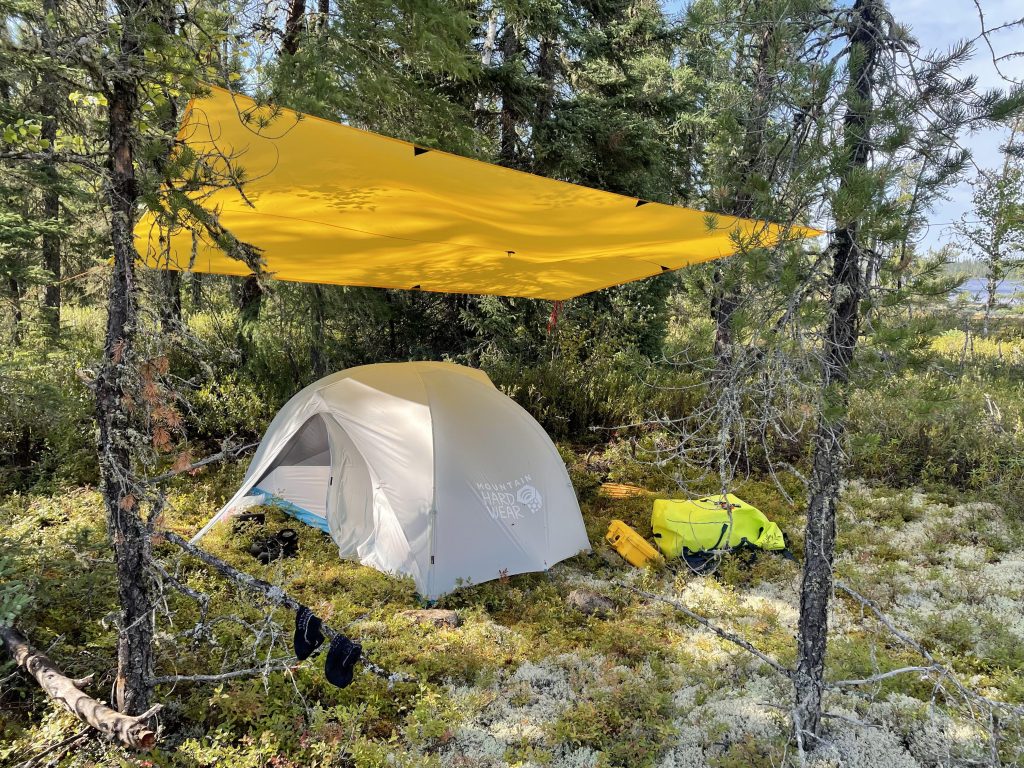
Setting up a tarp over your tent can make a huge difference in your camping experience. It keeps you dry during rain, blocks the harsh sun, and even adds an extra layer of warmth.
But if you’ve never done it before, the process might seem confusing or tricky. Don’t worry—you’re about to learn simple, step-by-step tips that will make setting up your tarp easy and stress-free. By the end of this guide, you’ll know exactly how to protect your tent and enjoy your time outdoors, no matter the weather.
Ready to take your camping game to the next level? Let’s dive in!
Choosing The Right Tarp
Setting up a tarp over your tent helps protect you from rain, wind, and sun. Picking the right tarp makes your shelter stronger and more comfortable.
Think about the material, size, shape, and waterproof level before buying a tarp. These factors affect how well it works in different weather.
Material Types
Tarp materials vary in weight, strength, and durability. Choose a material that fits your camping style and weather needs.
- Polyethylene:Affordable and waterproof but can be heavy.
- Nylon:Lightweight and strong, good for backpacking.
- Polyester:Resists stretching and UV damage well.
- Canvas:Heavy but very durable and breathable.
Size And Shape
Pick a tarp size that covers your tent fully and extends enough for good runoff. The shape helps with setup and wind resistance.
- Rectangular:Easy to pitch and covers large areas.
- Square:Versatile and simple to use.
- Hexagonal:Offers more coverage and wind protection.
- Asymmetrical:Good for angled tents or uneven ground.
Waterproof Ratings
Waterproof ratings show how well a tarp stops water. Higher ratings mean better rain protection.
| Rating (mm) | Protection Level | Use Case |
|---|---|---|
| Under 1000 | Low | Light rain or shade |
| 1000 to 3000 | Medium | Moderate rain protection |
| 3000 and above | High | Heavy rain and storms |
Essential Gear And Tools
Setting up a tarp over your tent needs the right gear. These tools help keep your shelter stable and dry.
Below are key items to prepare before you start. They make the process easier and safer.
Ropes And Cordage
Strong ropes or cords help tie the tarp securely. Choose weather-resistant materials like nylon or polyester.
- Use cords at least 1/4 inch thick for durability.
- Bring extra length to allow flexible tying points.
- Consider reflective cords for better night visibility.
Tent Stakes
Stakes hold the tarp and tent firmly to the ground. Pick stakes based on soil type and weather conditions.
| Stake Type | Best For | Notes |
| Aluminum Stakes | Most soil types | Lightweight and strong |
| Steel Stakes | Hard or rocky ground | Very durable |
| Plastic Stakes | Soft soil or sand | Light but less strong |
Poles And Support Options
Poles keep the tarp lifted and stable. You can use tent poles, hiking poles, or branches.
Here are tips for choosing poles:
- Use adjustable poles for height control.
- Strong, straight poles prevent sagging.
- Secure poles with extra rope or stakes if windy.
Preparing The Tent Site
Setting up a tarp over your tent is important for protection. It shields against rain and sun, ensuring a comfortable camping experience.
The first step is preparing the tent site properly. This ensures stability and safety for your tent and tarp setup.
Selecting Location
Choose a flat area for your tent. Avoid spots with too many rocks or roots, as they can cause discomfort while sleeping.
Check for overhead hazards, like falling branches. Ensure there is enough space to set up both the tent and the tarp.
- Flat ground helps with tent stability
- Avoid areas prone to flooding
- Consider wind direction for tarp placement
Clearing Debris
Before setting up the tent, clear the ground of debris. Remove sticks, stones, and sharp objects to protect the tent floor.
Clearing debris also helps prevent damage to your sleeping bags and gear. A clean site ensures a more comfortable camping experience.
- Gather and remove rocks and sticks
- Check for sharp objects hidden under leaves
- Smooth out uneven surfaces
Setting Up Tent Base
Lay down a ground tarp before the tent. This adds an extra layer of protection from moisture and dirt.
Ensure the ground tarp is slightly smaller than the tent base. This prevents water from pooling under your tent during rain.
- Position ground tarp under the tent area
- Keep tarp edges inside the tent perimeter
- Use stakes to secure the tarp in place
Tarp Setup Techniques
Setting up a tarp over your tent protects you from rain and sun. It also adds extra space and keeps your tent dry.
There are different ways to set up a tarp. Each style suits different weather and tent shapes.
Basic Flat Roof Style
The flat roof style is simple and quick. You stretch the tarp flat over the tent like a roof. It works well in light rain and sun protection.
- Attach the tarp corners to nearby trees or poles.
- Keep the tarp tight to avoid sagging.
- Leave some space between tarp and tent for air flow.
- Use ropes and stakes to secure the tarp firmly.
A-frame Style
The A-frame style gives good rain runoff. The tarp forms a triangle over the tent, like an A shape.
| Setup Point | Details |
|---|---|
| Center Ridge | Tie a rope between two trees above the tent. |
| Tarp Placement | Drape the tarp over the ridge rope evenly on both sides. |
| Securing Edges | Stake down tarp edges to the ground tightly. |
| Ventilation | Leave small gaps at the ends for airflow. |
Lean-to Style
The lean-to style uses one side of the tarp tied high and the other side staked low. It shields from wind and rain on one side.
- Find a strong tree or pole for the high tie point.
- Attach one tarp edge high and pull it tight.
- Stake the opposite edge close to the ground.
- Adjust the angle to block wind or rain direction.
Securing The Tarp
Securing your tarp properly keeps you dry and safe inside your tent. It stops the tarp from moving in wind or rain.
Use strong knots, stakes, and adjust the tension carefully. These steps help the tarp stay tight and stable.
Tying Knots That Hold
Choose knots that are easy to tie and stay firm under pressure. The bowline and taut-line hitch are good choices.
- Bowline Knot:Creates a fixed loop that won’t slip.
- Taut-line Hitch:Adjusts easily and holds tension on ropes.
- Square Knot:Joins two rope ends securely.
Using Stakes And Anchors
Stakes and anchors keep the tarp’s corners and sides fixed to the ground. Choose the right type for your soil.
| Type | Best For | Tip |
| Metal Stakes | Hard, rocky soil | Use a hammer to drive them in deep |
| Plastic Stakes | Soft soil or sand | Push them in firmly by hand |
| Deadman Anchors | Snow or loose dirt | Bury objects horizontally for strong hold |
Adjusting Tension
Keep the tarp tight to stop sagging and water pooling. Adjust ropes and stakes as needed during setup.
- Loosen the ropes slightly to relieve slack.
- Pull the ropes tight, checking the tarp surface.
- Secure knots and stakes firmly after adjustment.
- Recheck tension after rain or wind.

Credit: www.reddit.com
Tips For Weather Protection
Setting up a tarp over your tent helps protect you from bad weather. It keeps rain, wind, and sun away. This guide gives simple tips to keep you safe and dry.
Use the right techniques to make your tarp strong. This will make your camping experience more comfortable and secure.
Rainproofing Strategies
To keep rain out, angle your tarp so water runs off quickly. Avoid flat setups where water can pool. Use waterproof tarp materials for best results.
Seal all openings and use sturdy knots to keep the tarp tight. Check for holes or tears before rain starts. Add extra coverage over tent entrances.
- Set tarp at a steep angle to shed water
- Use waterproof tarp fabric
- Secure edges with strong knots or stakes
- Cover tent doors and windows fully
- Fix any holes or tears promptly
Wind Resistance Tips
Strong winds can move your tarp or cause damage. Use extra ropes or guy lines to hold the tarp tight. Anchor the tarp well with stakes in firm ground.
Face the tarp so the narrow side meets the wind. This reduces pressure on the tarp. Avoid loose or flapping fabric that can tear easily.
- Tie extra guy lines for stability
- Use heavy-duty stakes in the ground
- Position tarp narrow side to wind
- Keep tarp fabric tight and flat
- Check knots often during windy weather
Sunshade Benefits
A tarp over your tent blocks direct sunlight. This keeps your tent cooler during hot days. It also protects your skin from harmful UV rays.
Choose a tarp color that reflects sunlight. Light colors work best to reduce heat. Set the tarp high enough for good airflow and shade.
- Blocks harsh sunlight and UV rays
- Keeps tent interior cooler
- Choose light-colored tarp for reflection
- Set tarp high for air circulation
- Use tarp to create a shaded sitting area
Maintenance And Safety
Setting up a tarp over your tent protects you from rain and sun. Proper care and safety help the tarp last longer.
Following simple maintenance and safety tips keeps your camping experience safe and comfortable.
Regular Inspections
Check your tarp often for tears, holes, or weak spots. Inspect the ropes and stakes too.
Fix small problems early to stop them from getting worse. Replace damaged parts if needed.
- Look for holes or worn fabric
- Check ropes for frays or breaks
- Make sure stakes are strong and not bent
Avoiding Damage
Keep the tarp away from sharp objects and rough surfaces. Avoid dragging it on the ground.
Store the tarp dry and folded neatly. Do not leave it under heavy items or in direct sunlight for long.
- Use a ground cloth to protect the tarp bottom
- Do not pull the tarp too tight to avoid tears
- Dry the tarp before storing to prevent mold
Safe Setup Practices
Set the tarp at a safe height to avoid falling hazards. Use sturdy poles and secure all knots tightly.
Check the weather before setting up. Avoid using the tarp in strong winds or storms.
- Choose a flat, clear area for setup
- Use adjustable knots for easy tension control
- Keep stakes firmly in the ground
- Do not hang heavy items on the tarp

Credit: www.youtube.com

Credit: www.reddit.com
Frequently Asked Questions
How Do I Attach A Tarp To My Tent?
To attach a tarp, position it over the tent. Secure edges with ropes tied to stakes or nearby trees. Use guylines to keep the tarp taut and provide rain protection. This setup prevents water pooling and shields against wind.
What Materials Do I Need For Setting Up A Tarp?
You need a tarp, rope or paracord, stakes, and tent poles or nearby anchor points. Optionally, use carabiners for easy attachment. These materials help secure the tarp over the tent effectively and withstand weather conditions.
How High Should The Tarp Be Above The Tent?
Set the tarp about 12 to 18 inches above the tent. This height allows airflow and prevents rainwater from dripping inside. It also creates a sheltered area around the tent for extra protection and comfort.
Can I Use Any Tarp Size For My Tent?
Choose a tarp larger than your tent by at least 2 feet on each side. This ensures full coverage and adequate runoff. Proper sizing helps protect the tent from rain and sun without excess material flapping.
Conclusion
Setting up a tarp over your tent adds extra protection from rain and sun. It keeps your camping space dry and cool. Follow the steps carefully to make sure the tarp stays secure. Use ropes and stakes to hold it tight.
Adjust the tarp height for good airflow and comfort. A well-set tarp can improve your camping experience. Try it on your next trip for better shelter and peace of mind. Simple, effective, and easy to do.