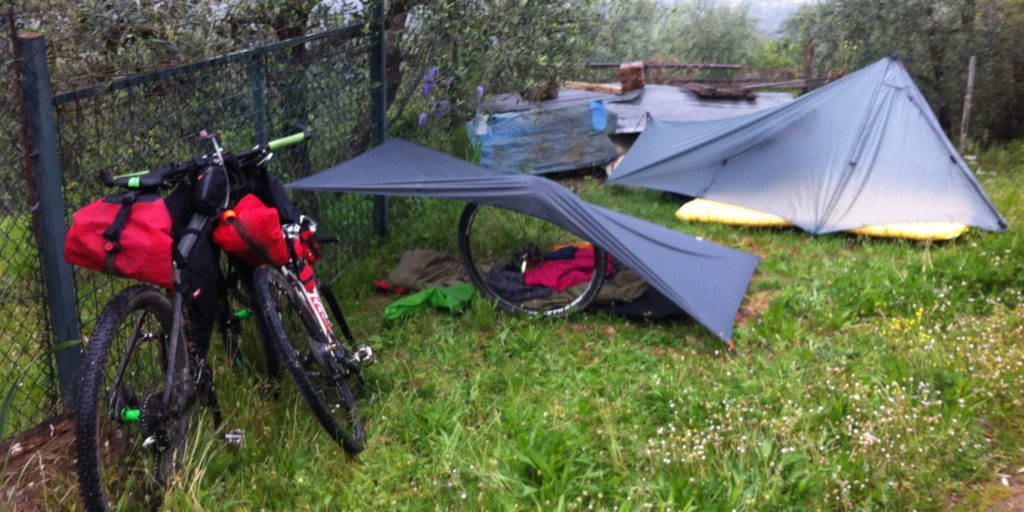
Setting up a tent is already a challenge, but doing it in the rain can feel overwhelming. You want to stay dry and comfortable, but the wet ground and slippery fabric can make it tough.
What if you could learn simple, effective steps to pitch your tent quickly and keep the water out? Imagine avoiding that frustrating struggle and enjoying your camping trip, no matter the weather. In this guide, you’ll discover exactly how to set up your tent in the rain with ease and confidence.
Keep reading, and you’ll be ready to tackle any downpour like a pro.
Choosing The Right Tent
Setting up a tent in the rain can be tricky without the right gear. Picking a tent that handles wet weather well is key for a dry, comfortable camping trip.
This guide focuses on how to choose a tent that keeps you dry and safe during rainy conditions. Look for materials, design, and features that work best in the rain.
Waterproof Materials
Waterproof fabrics stop rain from soaking through your tent walls. Common materials include nylon and polyester with special coatings.
- Polyurethane (PU) coating: Adds water resistance to fabric
- Silicone coating: Makes fabric stronger and more waterproof
- Ripstop nylon: Lightweight and resists tears
- Polyester: Holds up well in wet weather and dries fast
Tent Design For Rain
The shape and features of a tent affect how it handles rain. Look for designs that help water run off quickly and keep the inside dry.
| Design Feature | Benefit in Rain |
|---|---|
| Dome Shape | Water runs off easily, good wind resistance |
| Sealed Seams | Prevents water from leaking through stitch holes |
| Raised Tent Floor | Keeps water from pooling inside |
| Sturdy Poles | Supports the tent well in heavy rain and wind |
Importance Of A Rainfly
A rainfly is an extra cover that protects your tent from rain. It adds an important layer between rain and your tent walls.
- Blocks rain from dripping inside the tent
- Creates space for air to circulate and reduce condensation
- Extends tent roof for extra coverage at the entrance
- Easy to remove or adjust as weather changes

Credit: www.reddit.com
Selecting The Campsite
Choosing the right campsite is crucial when setting up a tent in the rain. A good location can make your experience more comfortable and safe.
Consider the following tips to ensure your campsite is well-chosen, even in wet conditions.
Avoiding Low Areas
Low areas collect water and may flood during rain. It is important to avoid these spots when setting up your tent.
- Look for elevated ground for your tent.
- Check if the area has signs of previous flooding.
- Ensure there is a slight slope for water runoff.
Finding Natural Shelter
Natural shelters can provide protection against rain. Trees and rock formations are great options.
Checking Ground Drainage
Good ground drainage prevents water from pooling around your tent. This can help keep you dry and comfortable.
| Feature | Check |
| Soil type | Sandy or gravelly soil drains well |
| Grass | Thick grass indicates poor drainage |
| Incline | Slight slope aids water runoff |
Preparing The Ground
Setting up a tent in the rain needs careful ground preparation. Good preparation keeps your tent dry and comfortable.
Preparing the ground well stops water from pooling under your tent. It also helps prevent damage to your tent floor.
Clearing Debris
Remove rocks, sticks, and leaves where you plan to pitch your tent. These items can damage the tent floor or cause discomfort.
Clearing debris also helps the tent sit flat. This reduces water pooling and makes your tent more stable in the rain.
- Pick up sharp rocks and sticks
- Clear leaves and pine needles
- Check for uneven ground or holes
Creating Drainage Trenches
Dig shallow trenches around the tent site to direct water away. These trenches stop water from flowing under your tent.
Make sure trenches slope away from the tent. Keep them about 4 to 6 inches deep and wide enough to move water easily.
- Dig trenches on the lower side of the slope
- Keep trenches shallow to avoid tripping
- Clear trenches of loose dirt and debris
Using A Groundsheet Properly
Place a groundsheet under your tent to protect the floor from water and dirt. Use one slightly smaller than the tent base.
Make sure the groundsheet edges do not stick out. Water can collect on the groundsheet edges and flow under the tent.
- Lay the groundsheet flat and smooth
- Trim excess groundsheet if needed
- Check for holes or tears before use
Setting Up The Tent
Setting up a tent in the rain needs care to stay dry. You must work quickly and carefully.
Good setup keeps water out and protects your gear. Follow these steps to pitch your tent well.
Pitching With Tension
Keep the tent fabric tight to avoid water pooling. A loose tent can trap rainwater and cause leaks.
Pull each corner firmly and stake it down. Make sure the tent stands straight without sagging.
- Start by staking the corners firmly in the ground
- Tighten the tent poles to stretch the fabric
- Check for any loose areas and pull them tight
- Ensure the tent shape directs water away
Securing Guy Lines
Guy lines add extra support and stop the tent from shaking. They help keep the tent stable in wind and rain.
Tie the guy lines to strong points on the tent. Then, anchor them to the ground using stakes or rocks.
- Find the guy line loops on the rainfly or tent body
- Pull each line out at an angle from the tent
- Secure the line with a knot and stake it firmly
- Adjust the tension to keep the tent stable
Adjusting The Rainfly
Place the rainfly so it covers the entire tent roof. It should extend beyond the tent edges to guide rain away.
Tighten the rainfly straps to prevent flapping. Check that vents stay open to avoid moisture buildup inside.
- Spread the rainfly evenly over the tent
- Clip or tie the rainfly to the tent frame
- Pull the straps tight and secure them
- Leave vents open to allow air flow
Additional Waterproofing Tips
Keeping your tent dry during rain needs more than just setting it up right. Extra waterproofing steps help protect your gear and keep you comfortable.
These tips focus on sealing seams, adding waterproof sprays, and guarding zippers and openings against water.
Applying Seam Sealer
Seams are common places for water to leak into your tent. Applying seam sealer adds a strong waterproof layer over the stitches.
- Clean the seams thoroughly before applying sealer.
- Use a brush or applicator for even coverage.
- Allow the sealer to dry completely before packing the tent.
- Check seams yearly and reapply as needed.
Using Waterproof Sprays
Waterproof sprays add a protective coating that repels rain from your tent fabric. They improve water resistance quickly and easily.
- Choose sprays that are safe for your tent material.
- Spray evenly over the outer surface of the tent.
- Apply several thin layers rather than one thick coat.
- Let the tent dry in a well-ventilated area after spraying.
Protecting Zippers And Openings
Zippers and openings are weak points where water can enter. Protecting these parts helps keep your tent dry inside.
| Method | Description | Benefit |
|---|---|---|
| Apply Silicone Lubricant | Rub silicone on zipper teeth to keep water out and ease movement. | Prevents rust and blocks water from entering through zippers. |
| Use Flaps or Covers | Cover zippers with fabric flaps or rain guards. | Blocks rain from directly hitting zipper teeth and openings. |
| Keep Zippers Closed | Always close zippers when not in use. | Minimizes water entry and wind exposure. |

Credit: www.youtube.com
Managing Moisture Inside
Setting up a tent in the rain can cause moisture to build up inside. This can make your camping experience uncomfortable and cold. Managing moisture keeps the tent dry and cozy.
Using simple steps helps reduce dampness and prevents water damage to your gear. Focus on airflow, gear placement, and absorbents.
Ventilation Strategies
Good airflow helps stop moisture from building inside your tent. Open vents or windows to let air move freely. This reduces condensation on walls and ceiling.
Use mesh panels if your tent has them. Avoid closing the tent fully, even in rain, to keep air flowing. Position the tent to catch any breeze.
- Open vents or windows slightly
- Use mesh panels for airflow
- Keep tent doors cracked open
- Set tent where breeze passes through
Organizing Gear To Stay Dry
Keep wet and dry items separate inside your tent. Store wet clothes in waterproof bags or outside under shelter. This stops moisture from spreading to dry gear.
Use gear lofts or pockets inside the tent to keep items off the floor. This reduces dampness and helps your gear stay clean and dry.
- Store wet gear in waterproof bags
- Use tent pockets or lofts for storage
- Keep dry clothes separate from wet ones
- Raise gear off the tent floor
Using Towels And Absorbents
Place towels or absorbent cloths on the tent floor to soak up water. Change or dry them regularly to keep moisture under control. This helps prevent puddles inside.
Use small moisture absorbers like silica packs in your gear bags. They help keep your belongings dry by trapping humidity. Replace them if they become saturated.
- Lay towels on tent floor to catch water
- Dry or replace towels often
- Use silica packs in gear bags
- Check and replace absorbers regularly
Dealing With Heavy Rain
Setting up a tent in heavy rain can be challenging. You need to keep your tent stable and dry. Taking some extra steps helps protect you and your gear.
Prepare for wet conditions by reinforcing your setup. This guide covers key tips to keep your tent secure and comfortable during heavy rain.
Reinforcing Tent Stakes
Strong winds and rain can loosen tent stakes. Use extra stakes or stronger ones to hold your tent firmly. Check the ground for soft spots that may cause stakes to slip.
Drive stakes deeply into the soil at a 45-degree angle away from the tent. This adds more grip and keeps the tent stable in bad weather.
- Use longer or heavy-duty stakes for soft ground
- Drive stakes deep and angle them outward
- Add guy lines for extra tension and support
- Check and tighten stakes regularly during rain
Creating Extra Shelter
Adding a tarp or rainfly above your tent improves water protection. It acts as a shield, preventing water from pooling on your tent fabric.
Set up the tarp with enough space for air to flow. Proper ventilation reduces moisture buildup inside your tent and keeps it dry.
- Use a waterproof tarp bigger than your tent
- Secure tarp with poles, trees, or extra ropes
- Ensure tarp slopes to drain water away
- Leave gaps for air circulation under the tarp
Staying Safe And Dry
Wear waterproof clothing and keep your gear inside the tent. Wet clothes and wet gear can cause discomfort and cold.
Keep the tent entrance closed as much as possible. Use a groundsheet inside to stop water from soaking your sleeping area.
- Wear rain jackets and waterproof boots
- Store wet items outside or in a vestibule
- Use a groundsheet under the tent floor
- Keep ventilation open to reduce condensation

Credit: www.youtube.com
Frequently Asked Questions
How Can I Keep My Tent Dry In Heavy Rain?
Use a waterproof rainfly and seal all seams. Set up on higher ground to avoid water pooling. Secure guy lines tightly and use a ground tarp under your tent to prevent moisture seepage.
What Is The Best Way To Pitch A Tent In Rain?
Choose a flat, elevated spot with good drainage. Stake the tent firmly and angle the rainfly to direct water away. Avoid pitching near trees with dripping branches or in valleys where water collects.
How Do I Prevent Water From Entering My Tent?
Seal all zippers and seams with waterproof tape. Keep the tent door closed during rain. Use a footprint or groundsheet beneath the tent to block ground moisture. Ensure rainfly coverage extends well beyond the tent base.
Should I Use A Tarp Under My Tent In Rain?
Yes, a tarp adds extra protection by blocking ground moisture. Use a tarp slightly smaller than the tent base to avoid water collection. This helps keep the tent floor dry and extends its life.
Conclusion
Setting up a tent in the rain takes care and patience. Choose a good spot that stays dry and avoid low areas. Use a waterproof tent or rainfly to keep water out. Secure all stakes and lines tightly to resist wind.
Keep your gear inside the tent to stay dry. With these simple steps, camping in rain becomes easier. Enjoy nature, even when the weather is wet. Stay safe, dry, and comfortable on your rainy camping trips.