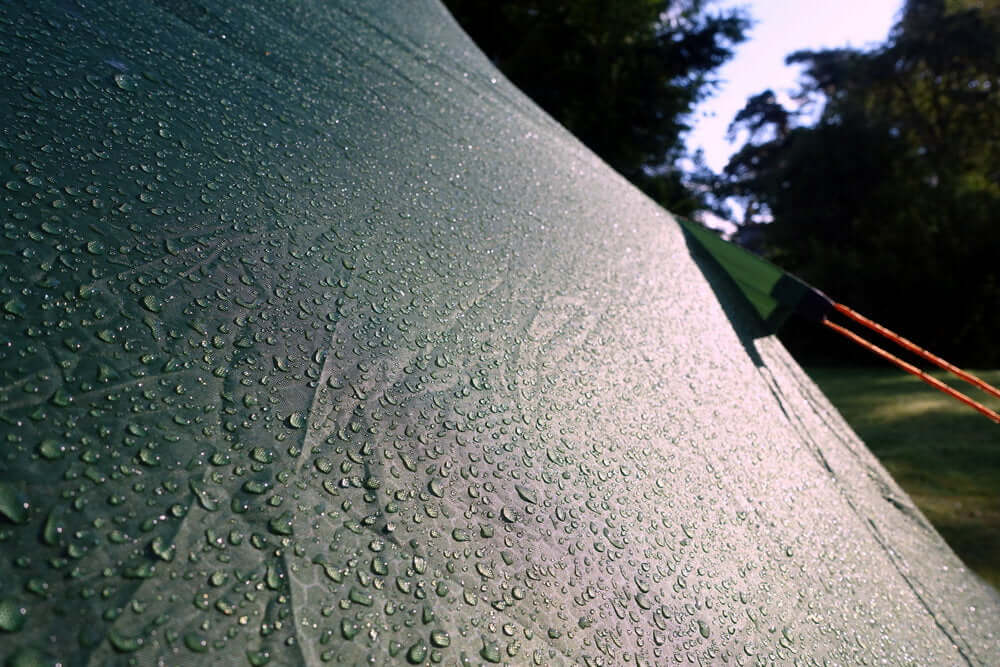
Have you ever woken up in your tent only to find everything inside damp and covered in tiny water droplets? Condensation can turn your cozy camping experience into a frustrating, soggy mess.
But don’t worry—there are simple ways to stop this from happening. By understanding why condensation forms and learning a few easy tricks, you can keep your tent dry and comfortable all night long. Keep reading, and you’ll discover practical tips that make your outdoor adventures much more enjoyable.
Causes Of Tent Condensation
Condensation inside a tent happens when water vapor turns into liquid. This can make your tent damp and uncomfortable. Understanding what causes condensation helps you prevent it.
Three main causes lead to condensation in tents. These are moisture inside the tent, temperature differences, and poor ventilation.
Moisture Sources Inside The Tent
Moisture inside the tent comes from many sources. Your breath, sweat, wet clothes, and even cooking inside the tent add moisture to the air. This moisture turns into water drops on the tent walls.
- Breathing releases water vapor
- Sweat evaporates and adds moisture
- Wet clothes or gear bring in water
- Cooking inside the tent creates steam
Temperature Differences
Condensation forms when warm, moist air meets a cold surface. The tent’s outer wall cools down at night. Warm air inside the tent cools down too. This change causes water vapor to turn into liquid.
| Temperature | Effect on Condensation |
|---|---|
| Warm inside, cold outside | High condensation risk |
| Cool inside and outside | Lower condensation risk |
| Warm inside and outside | Minimal condensation |
Poor Ventilation
Without good airflow, moist air stays trapped inside the tent. This increases condensation on the tent walls. Ventilation helps move moist air outside and brings dry air in.
- Blocked vents trap humid air
- Closed doors and windows reduce airflow
- Using breathable fabrics improves ventilation
- Opening vents lowers condensation

Credit: www.reddit.com
Choosing The Right Tent
Choosing the right tent can help prevent condensation while camping. The right tent keeps you dry and comfortable.
Look for features that allow air to circulate and reduce moisture inside the tent.
Breathable Fabrics
Tents made from breathable fabrics allow moisture to escape. This keeps the inside dry.
| Fabric Type | Breathability |
| Cotton | High |
| Nylon | Moderate |
| Polyester | Low |
Tent Design Features
Good tent design helps airflow. Vents and windows are important for this.
- Check for tents with roof vents.
- Look for models with mesh windows.
- Ensure the tent has a rainfly for extra ventilation.
Size And Space Considerations
The tent size affects condensation. A larger tent means more air circulation.
Site Selection Tips
Choosing the right site for your tent helps reduce condensation inside. Good site selection keeps you dry and comfortable.
Focus on areas that avoid moisture build-up and allow airflow. Small choices make a big difference in your camping experience.
Avoiding Low-lying Areas
Low-lying areas collect cold air and moisture. These spots often have damp ground that causes condensation inside your tent.
- Pick higher ground to stay dry.
- Avoid valleys and dips where water pools.
- Look for flat spots above surrounding terrain.
Considering Wind Direction
Wind helps dry your tent by moving moist air away. Place your tent where the wind flows freely but not too strong.
| Wind Direction | Tip |
| From the north | Face tent door away to reduce wind inside |
| From the south | Use natural windbreaks like trees |
| From the east or west | Set tent side to face wind for better ventilation |
Ground Conditions
Dry and firm ground helps prevent moisture under your tent. Wet or soft soil increases condensation risks.
- Press your foot into the soil; avoid soggy spots.
- Look for signs of past water pooling.
- Clear sharp objects that might damage the tent floor.
- Use a footprint or groundsheet to add a moisture barrier.
Setting Up For Dryness
Condensation inside a tent can make your camping experience uncomfortable. Setting up your tent properly helps keep the inside dry and cozy. Simple steps can reduce moisture build-up and improve airflow.
Focus on how you pitch your tent, use protective layers, and secure rain flies. These actions help prevent water from seeping in and reduce dampness inside.
Proper Tent Pitching
Choose a flat, slightly elevated spot to pitch your tent. Avoid low areas where water can collect. Make sure the tent floor is tight and smooth to limit moisture inside.
Keep the tent door facing away from the wind. This reduces rain and dew entering. Use all stakes and guylines to keep the tent firm and stable.
Using Footprints And Ground Tarps
Place a footprint or ground tarp under your tent. This protects the floor from wet ground and sharp objects. Use a tarp that is slightly smaller than your tent base.
A smaller tarp prevents water from pooling under the tent edges. It also stops water from flowing inside. This layer helps keep the tent floor dry and clean.
- Choose durable, waterproof material
- Trim the tarp to fit inside the tent
- Secure the tarp flat on the ground
Securing Rain Flies
Attach the rain fly tightly over your tent. Make sure it covers the tent fully without touching the walls. This setup creates an air gap that helps airflow and stops condensation.
Use all rain fly straps and guylines. Tighten them to prevent rain or dew from entering. Keep vents open if possible to allow moist air to escape.
- Cover all tent seams and zippers
- Secure guylines to stable points
- Check for gaps or loose areas
Improving Tent Ventilation
Condensation happens when moist air meets cold surfaces inside your tent. This makes water droplets form. Good ventilation helps stop this problem.
Letting fresh air flow inside your tent lowers moisture levels. It keeps the inside dry and comfortable.
Opening Vents And Doors
Open the vents and doors of your tent to let air move freely. This allows moist air to escape and fresh air to come in.
Keep vents open even during cold weather. Use rain flaps to stop rain while air flows.
- Open roof vents for hot air to exit
- Keep door flaps partly open
- Use rain guards to prevent water entry
Creating Cross Breeze
Cross breeze means air moves through the tent from one side to the other. This helps dry out the inside fast.
Open vents or doors on opposite sides of the tent. This sets a path for fresh air to flow and moist air to leave.
- Open windows or vents on opposite walls
- Keep door and back vents open together
- Position tent where wind can pass through
Using Mesh Panels
Mesh panels let air pass but keep bugs out. They help keep the tent well ventilated without letting insects inside.
Use tents with mesh walls or add mesh covers to windows and doors. This improves airflow and reduces condensation.
- Choose tents with built-in mesh panels
- Cover openings with mesh screens
- Use mesh doors instead of solid flaps

Credit: gofsr.com
Managing Moisture Inside The Tent
Condensation inside tents causes discomfort and damp gear. Managing moisture helps keep the tent dry and cozy.
Simple habits and tools reduce wetness and improve your camping experience.
Drying Wet Gear Outside
Wet clothes and equipment add moisture to the tent air. Always dry wet gear outside to limit condensation inside.
- Use a clothesline or drying rack outdoors.
- Hang wet items near the tent but away from the entrance.
- Avoid drying gear directly inside the tent.
Limiting Cooking And Breathing Moisture
Cooking and breathing release water vapor inside the tent. Limiting these sources lowers moisture buildup.
| Action | Reason |
| Cook outside the tent | Prevents steam from filling the tent air |
| Keep tent vents open | Allows moist air to escape |
| Use a sleeping mask or bandana | Reduces moisture from breath near tent walls |
Using Moisture Absorbers
Moisture absorbers help remove water vapor from the tent air. Place them in strategic spots for best effect.
- Use silica gel packs or small dehumidifiers inside the tent.
- Replace or dry absorbers regularly to keep them effective.
- Position absorbers away from sleeping areas but near tent walls.
Additional Tips For Dry Camping
Dry camping means camping without hookups like water or electricity. Keeping your tent dry is very important to stay comfortable.
Condensation can make the inside of your tent wet. Here are extra tips to help stop condensation while dry camping.
Clothing And Sleeping Bag Choices
Wear clothes that dry quickly and do not hold sweat. Avoid cotton because it stays wet and cold.
Choose a sleeping bag with good insulation and moisture-wicking fabric. This helps keep you warm and dry all night.
- Use synthetic or wool clothing layers
- Pick sleeping bags made for the weather
- Keep extra dry clothes in a waterproof bag
Weather Monitoring
Check the weather before and during your trip. Dry camping is easier in dry weather with low humidity.
Watch for changes in temperature and rain. This helps you prepare your tent and gear to avoid moisture inside.
- Use a weather app to track conditions
- Plan campsites with good airflow
- Adjust your setup if rain or cold arrives
Tent Maintenance
Keep your tent clean and dry before setting it up. Dirt and damage can make condensation worse.
Use a rainfly and open vents to improve airflow. Remove wet gear from inside the tent to reduce moisture.
- Check tent seams and repair leaks
- Set up tent on a dry, flat surface
- Open windows or vents to let air flow
- Store wet clothes outside the tent

Credit: www.ultramarxl.com
Frequently Asked Questions
How Can I Reduce Tent Condensation Effectively?
To reduce condensation, improve ventilation by opening vents and doors. Use a breathable tent fabric and avoid cooking inside. Keep wet gear outside and use a groundsheet to prevent moisture from seeping in.
Why Does Condensation Form Inside My Tent?
Condensation forms when warm, moist air meets cold tent surfaces. Your breath, sweat, and damp clothes release moisture. Without proper airflow, this moisture collects as water droplets on the tent walls.
What Tent Materials Help Prevent Condensation?
Tents made of breathable materials like nylon with waterproof coatings reduce condensation. These fabrics allow moisture to escape while keeping rain out, balancing ventilation and weather protection effectively.
Can Tent Placement Affect Condensation Levels?
Yes, placing your tent on dry, elevated ground helps. Avoid low spots where cold air settles. Setting up near natural windbreaks while ensuring airflow reduces moisture buildup.
Conclusion
Preventing condensation in your tent keeps you dry and comfortable. Use proper ventilation to let moisture escape easily. Avoid cooking or drying wet clothes inside the tent. Choose a tent with good airflow and breathable fabric. Keep the tent floor dry by using a groundsheet or tarp.
Small steps make a big difference in stopping moisture buildup. Enjoy your camping trip without the hassle of a damp tent. Stay warm, dry, and happy outdoors every night.