
Setting up your fishing rod the right way can make all the difference between a frustrating day and an exciting catch. If you’ve ever felt confused by tangled lines or unsure about which parts go where, you’re not alone.
But once you know the simple steps, you’ll be ready to fish like a pro in no time. In this guide, you’ll discover easy, clear instructions that take the guesswork out of setting up your fishing rod. Keep reading, and you’ll gain the confidence to get out on the water and enjoy every moment.
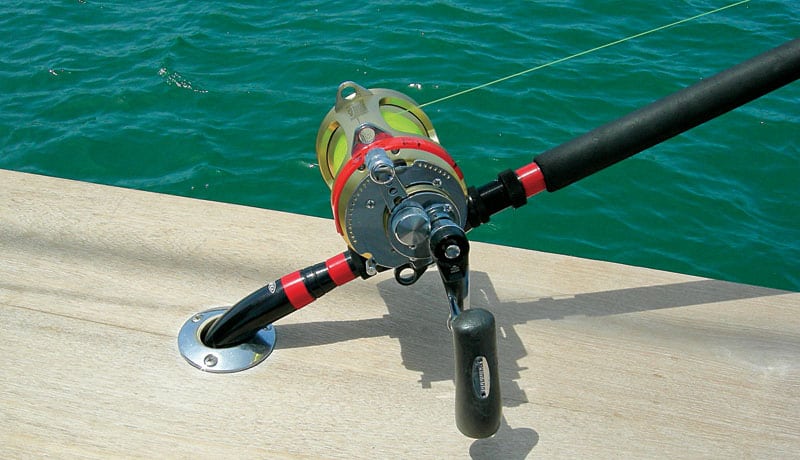
Credit: www.marlinmag.com
Choosing The Right Rod
Setting up your fishing rod starts with picking the right one. The right rod makes fishing easier and more fun.
Think about what type of fishing you will do. This helps you choose the best rod for your needs.
Types Of Fishing Rods
There are many types of fishing rods. Each type works best for certain fishing styles and fish sizes.
- Spinning rods are good for beginners and light lures.
- Baitcasting rods offer more control for heavier lures.
- Fly rods are used for fly fishing in rivers and streams.
- Trolling rods are strong and used for fishing from a moving boat.
Material Considerations
Fishing rods come in different materials. The material affects the rod’s weight and strength.
Graphite rods are light and sensitive. They help feel small bites. Fiberglass rods are heavier but very strong. Composite rods mix both materials for balance.
- Graphite: light, sensitive, best for small fish
- Fiberglass: strong, durable, good for big fish
- Composite: mix of both, balanced performance
Length And Action
Rod length changes how far you can cast. Short rods are easier to control. Long rods cast farther but need more skill.
Rod action means how much the rod bends. Fast action rods bend at the tip. Slow action rods bend more along the rod.
- Short rods (5-6 feet): good for close fishing
- Medium rods (6-7 feet): versatile for many uses
- Long rods (7-9 feet): cast far and cover more water
- Fast action: bends at tip, good for quick hook sets
- Slow action: bends more, good for soft bait
Selecting The Ideal Reel
Choosing the right reel is key to a good fishing experience. It affects your casting, control, and how you handle fish.
This guide covers three important topics: reel types, size and weight, and gear ratio.
Spinning Vs. Baitcasting Reels
Spinning reels are easy to use and good for beginners. They work well with light lures and lines.
Baitcasting reels offer better control and power. They suit experienced anglers targeting bigger fish.
- Spinning reels have a fixed spool and are placed under the rod.
- Baitcasting reels have a rotating spool on top of the rod.
- Spinning reels reduce line tangles for light fishing.
- Baitcasting reels allow for more accurate casting.
Reel Size And Weight
The size of your reel should match the fish you want to catch. Small reels fit light lines and small fish.
Heavier reels can tire your arm. Choose a reel weight that feels comfortable for long use.
| Reel Size | Best For | Line Capacity |
| 1000-2500 | Light fish, small lures | 2-6 lb test |
| 3000-4000 | Medium fish, versatile use | 6-12 lb test |
| 5000+ | Large fish, heavy lures | 12+ lb test |
Gear Ratio And Its Importance
The gear ratio shows how many times the spool turns per handle turn. It affects how fast you retrieve line.
- Low gear ratio (5.1:1) gives more power for heavy fish.
- Medium gear ratio (6.3:1) is good for general fishing.
- High gear ratio (7.1:1 or higher) helps with fast lure retrieval.
Picking The Perfect Line
Choosing the right fishing line is key for a good fishing experience. The line affects how you cast, fight fish, and handle your rod.
This guide explains different types of lines, their strengths, and how to tie strong knots.
Monofilament Vs. Braided Lines
Monofilament line is made of one nylon strand. It is stretchy and easy to handle. It works well for beginners and general fishing.
Braided line is made of many small fibers woven together. It is very strong and thin. It has little stretch, which helps feel bites better.
- Monofilament: stretchy, cheaper, good for many types of fish
- Braided: strong, thin, good for heavy cover and long casts
- Monofilament floats, braided sinks faster
Line Strength And Diameter
Line strength is the amount of weight the line can hold before breaking. It is measured in pounds.
Diameter is the thickness of the line. Thinner lines cast farther but may be weaker.
- Choose line strength based on the fish you want to catch
- Stronger lines have bigger diameter and are less flexible
- Thin lines are good for clear water and shy fish
Knot Tying Techniques
Tying strong knots is important to keep your hook or lure attached. Weak knots can break and lose fish.
Learn simple knots that work well with your type of line. Practice until you can tie them fast and tight.
- Improved Clinch Knot: works well with monofilament
- Palomar Knot: strong and easy, good for braided lines
- Uni Knot: versatile and reliable for many types of line

Credit: www.localmatters.co.nz
Setting Up The Rod
Setting up your fishing rod correctly helps you enjoy fishing more. It keeps your gear safe and works well in water.
This guide covers three key parts: attaching the reel, threading the line, and adjusting the drag.
Attaching The Reel
First, you must attach the reel to the rod firmly. The reel seat is the spot where the reel fits on the rod.
- Place the reel foot into the reel seat.
- Tighten the reel seat by turning the locking mechanism.
- Make sure the reel is secure and does not move.
- Check that the reel handle is on your preferred side.
Threading The Line
Threading the line means running the fishing line from the reel through the rod guides.
Follow this process:
- Open the bail arm of the reel to free the line.
- Pull the line and pass it through the guides starting from the bottom.
- Thread the line through each guide up to the rod tip.
- Tie the hook or lure to the line end.
Adjusting The Drag
The drag controls how much resistance the fish feels when it pulls the line.
| Drag Setting | Purpose |
| Loose | Line pulls easily to avoid breaking |
| Medium | Good balance for most fishing conditions |
| Tight | Strong hold for big or fast fish |
Turn the drag knob to adjust the resistance. Test by pulling the line with your hand.
Choosing The Right Lure
Choosing the right lure is key to a good fishing trip. The lure attracts fish to your hook.
Different lures work better in different waters and for different fish. Learn how to pick the best one.
Types Of Lures
There are many kinds of lures. Each type moves differently and looks like different prey.
- Spinnerbaits: Flashy blades spin to catch fish attention.
- Crankbaits: Dive deep and mimic small fish swimming.
- Soft Plastics: Flexible and lifelike, good for many fish.
- Jigs: Heavy heads with soft bodies, great for bottom fishing.
- Topwater Lures: Float and splash on the surface.
Color And Size Selection
Pick lure color and size based on water and fish type. Bright colors work well in murky water.
| Water Clarity | Best Lure Color | Recommended Size |
| Clear Water | Natural colors like silver or green | Small to medium |
| Murky Water | Bright colors like chartreuse or orange | Medium to large |
| Stained Water | Dark colors like black or purple | Medium |
Seasonal Considerations
Fish behavior changes with seasons. Adjust lure choice to match these changes.
- Spring: Use smaller lures in bright colors for active fish.
- Summer: Try topwater lures early morning or late evening.
- Fall: Use deeper diving lures as fish move deeper.
- Winter: Slow the lure retrieve and use soft plastics.

Credit: www.youtube.com
Perfecting Your Casting Technique
Setting up your fishing rod is the first step to a good fishing experience. Casting well helps you reach the right spot in the water.
Practice is key to improve your casting skills. This guide will help you cast with more control and accuracy.
Basic Casting Steps
Start by holding the rod firmly but not too tight. Keep your wrist straight and use your arm to cast.
Pull the rod back smoothly and then bring it forward in a steady motion. Release the line at the right moment for a good cast.
- Hold the rod at a comfortable angle
- Pull the rod back to about 2 o’clock position
- Bring the rod forward quickly but smoothly
- Release the line when the rod points at 10 o’clock
- Follow through with your arm after releasing
Common Mistakes To Avoid
Tightening your grip too much can tire your arm quickly. Avoid jerky or rushed movements while casting.
Releasing the line too early or too late will reduce casting distance. Keep your eyes on the rod tip to time the release well.
- Do not hold the rod too tightly
- Avoid sudden jerks when casting
- Do not release the line too soon or late
- Keep your wrist firm and avoid bending it
- Practice smooth and steady motions
Advanced Casting Techniques
Try sidearm casting for better control in windy conditions. This technique helps keep the line low and steady.
Roll casting works well when there is little space behind you. It uses water resistance to help the line move forward.
- Sidearm casting: cast with the rod low and to the side
- Roll casting: use a forward sweep without a back cast
- Practice different angles to improve accuracy
- Use wrist and arm together for smooth delivery
- Adjust your cast based on wind and obstacles
Maintenance And Care
Taking care of your fishing rod helps it last longer and work better. Regular maintenance keeps your gear in top shape.
Simple care routines prevent damage and improve your fishing experience. Clean, store, and inspect your rod often.
Cleaning Your Equipment
Clean your fishing rod and reel after every use. Remove dirt, salt, and debris to avoid rust and damage.
Use fresh water and a soft cloth. Avoid harsh chemicals that can harm the rod’s finish.
- Rinse rod and reel with fresh water
- Wipe gently with a soft cloth
- Use mild soap for stubborn dirt
- Dry completely before storing
Storing Your Rod And Reel
Store your rod and reel in a dry, cool place. Avoid leaving them in direct sunlight or damp areas.
Use rod holders or racks to keep rods straight. This prevents bending or warping over time.
- Keep rods off the ground
- Store reels with loose drag
- Use protective covers if possible
- Keep storage area free from dust and moisture
Regular Inspection And Repair
Check your rod and reel regularly for damage. Look for cracks, loose parts, or worn guides.
Fix small problems early to avoid costly repairs later. Replace damaged parts to keep your gear safe.
- Inspect guides and tip for cracks
- Check reel seat and handle tightness
- Look for corrosion on metal parts
- Replace worn fishing line regularly
Frequently Asked Questions
How Do I Choose The Right Fishing Rod Size?
Select a fishing rod based on your target fish and fishing style. Longer rods suit distance casting, shorter rods offer better control. Match rod power and action to fish size. Consider portability if you travel often. Proper rod size improves fishing success and comfort.
What Is The Best Way To Attach The Fishing Reel?
Attach the reel by aligning it with the rod’s reel seat. Slide the reel foot into the seat and tighten the locking mechanism securely. Ensure the reel is firmly attached to avoid wobbling during casting and retrieval. This setup enhances control and reduces line tangles.
How Do I Thread The Fishing Line Correctly?
Start by passing the line through the rod guides from tip to reel. Tie the line to the reel spool using an arbor knot. Wind the line evenly onto the spool under moderate tension. Proper threading prevents line twists and improves casting distance.
What Type Of Fishing Line Should I Use?
Choose fishing line based on fish species and water conditions. Monofilament is versatile and affordable. Fluorocarbon is nearly invisible underwater and abrasion-resistant. Braided line offers high strength and sensitivity. Matching line type to your needs increases catch rates.
Conclusion
Setting up your fishing rod is simple and rewarding. Follow each step with care. Check your reel, line, and guides before fishing. Practice casting to feel comfortable and confident. A well-prepared rod improves your chances to catch fish. Enjoy the peaceful time by the water.
Keep learning and adjusting your setup. Fishing becomes more fun with patience and practice. Now, get out there and enjoy your fishing trip!