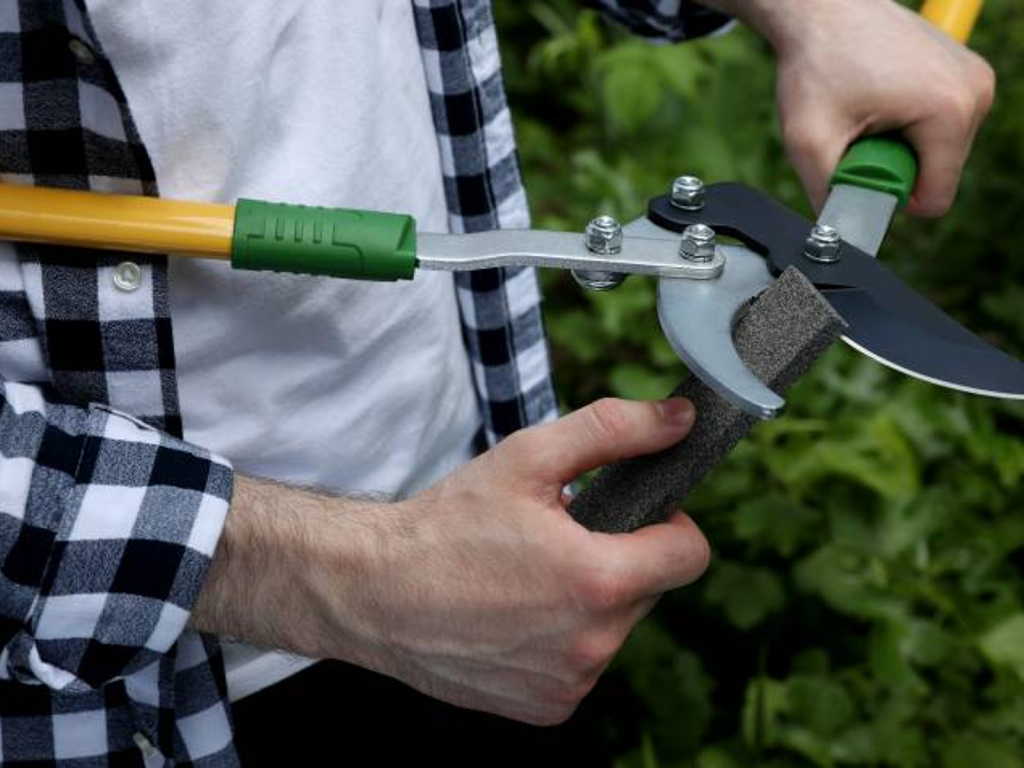
Are your garden pruners feeling dull and making your trimming chores harder than they should be? Sharp pruners make your work easier, cleaner, and more enjoyable.
If you want your garden tools to cut smoothly and last longer, learning how to sharpen your garden pruners is a must. In this guide, you’ll discover simple steps to bring back that sharp edge—no special skills or expensive tools needed.
Keep reading, and you’ll soon be slicing through branches like a pro.

Credit: www.angi.com
Tools Needed
Sharpening garden pruners keeps them cutting cleanly and safely. Using the right tools makes the job easier and better.
This guide covers the main tools you need to sharpen your garden pruners effectively.
Types Of Sharpeners
There are several sharpeners you can use for garden pruners. Each has a specific use and works best for different blade types.
- Sharpening Stone:A flat or curved stone used to grind and hone blades.
- Diamond File:A fine file with diamond grit, ideal for precise sharpening.
- Sharpening Rod:A small, round rod used to touch up edges quickly.
- Electric Sharpener:A powered tool that speeds up sharpening but requires care.
Safety Gear
Wearing safety gear protects you from cuts and dust during sharpening. Always prepare before starting.
| Safety Item | Purpose |
| Protective Gloves | Protect hands from sharp edges and accidental slips |
| Safety Glasses | Shield eyes from metal filings and debris |
| Dust Mask | Prevent inhaling fine particles during sharpening |
| Apron | Keep clothes clean and add extra protection |

Credit: www.youtube.com
Preparing The Pruners
Before sharpening garden pruners, get them ready properly. This helps you sharpen safely and well.
Proper preparation includes cleaning the blades and taking the tool apart carefully.
Cleaning The Blades
Remove dirt, sap, and rust from the blades before sharpening. Clean blades sharpen better and last longer.
- Use a dry cloth to wipe off loose dirt.
- Apply warm soapy water and scrub gently with a brush.
- Remove sap with rubbing alcohol or a specialized sap remover.
- Use steel wool or sandpaper to get rid of rust spots.
- Dry blades thoroughly to stop new rust from forming.
Disassembling The Tool
Take apart your pruners carefully if possible. This allows you to sharpen each blade fully and clean inside parts.
| Part | Disassembly Tip |
| Blades | Remove the central bolt or screw holding the blades. |
| Springs | Note the position before removal to avoid damage. |
| Handle grips | Leave on unless damaged or blocking blade access. |
Sharpening Techniques
Sharp garden pruners make cutting easier and protect your plants. Dull blades crush stems and cause damage.
Use the right tools and methods to keep your pruners sharp and ready for any job.
Using A Sharpening Stone
A sharpening stone helps restore the blade’s edge smoothly. Soak the stone in water before use to reduce friction.
- Hold the blade at a 20-degree angle to the stone.
- Move the blade across the stone in one direction.
- Repeat until the edge feels sharp.
- Wipe the blade clean after sharpening.
Using A File
A metal file is good for quick sharpening and removing nicks. Use a fine-toothed file for best results.
| File Type | Best Use |
| Flat File | Sharpen flat blades |
| Round File | Fix curved blades |
| Fine File | Finish sharpening smoothly |
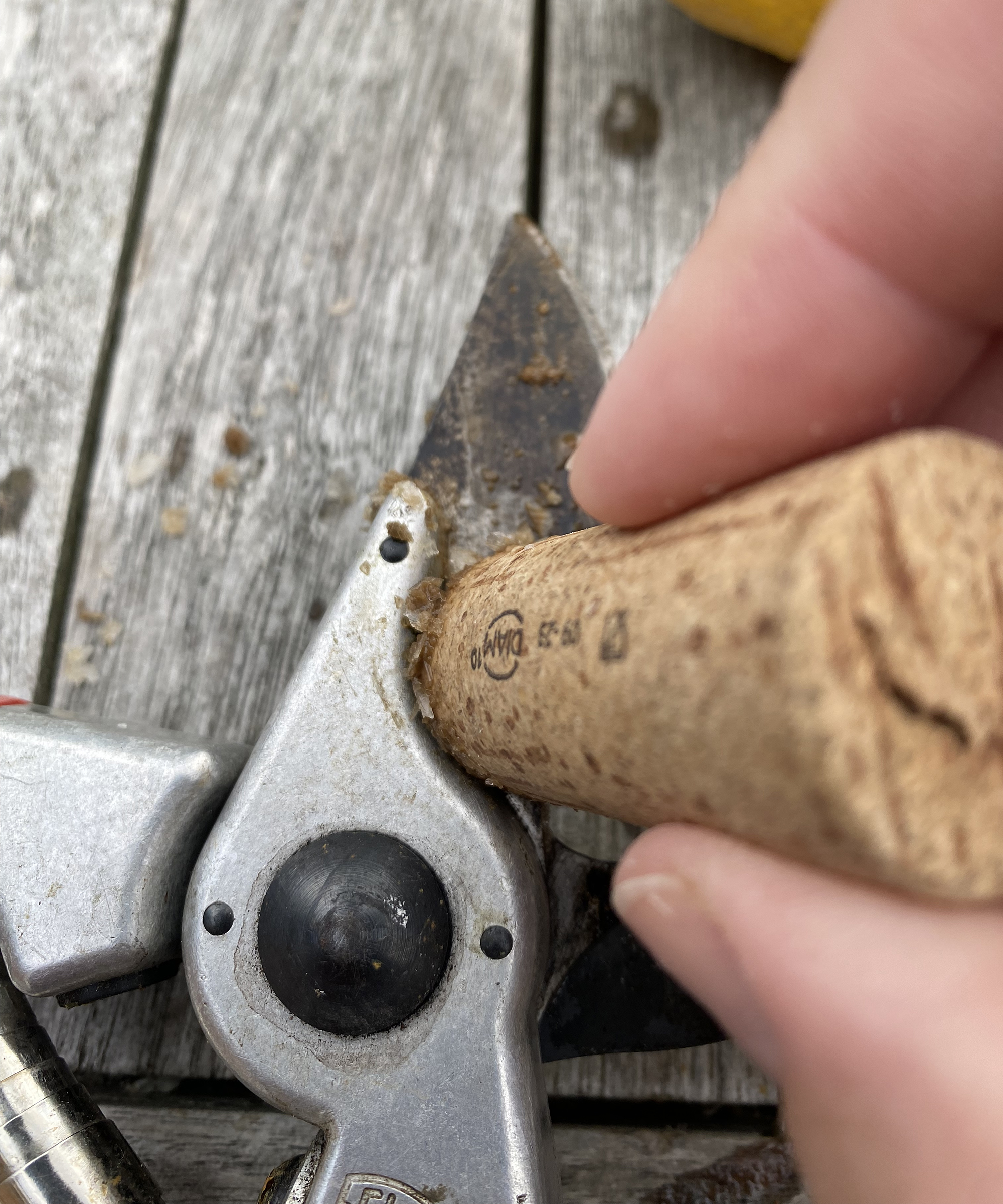
Using A Sharpening Tool
Sharpening tools are designed for easy and safe use. They often combine guide angles and abrasive surfaces.
- Secure the pruner blade in the tool’s slot.
- Pull the blade through the sharpener several times.
- Check the sharpness and repeat if needed.
- Clean the blade after sharpening.
Credit: www.gardeningknowhow.com
Sharpening Tips
Keeping your garden pruners sharp makes cutting easier and safer. Sharp blades reduce damage to plants and improve pruning results.
Follow these tips to sharpen your garden pruners correctly and keep them in top condition.
Maintaining The Blade Angle
Keep the sharpening tool at the same angle as the blade edge. Most garden pruners have a blade angle between 20 and 30 degrees.
- Hold the sharpening stone or file steady.
- Match the angle of the original bevel.
- Do not change the blade shape while sharpening.
- Use smooth, even strokes for best results.
Number Of Strokes
Use the right number of sharpening strokes to avoid over-grinding the blade. A few firm strokes are better than many light ones.
| Sharpening Tool | Recommended Strokes |
| Sharpening Stone | 10 to 15 strokes per side |
| Diamond File | 8 to 12 strokes per side |
| Grinding Wheel | 5 to 10 quick passes |
Checking Sharpness
Test the blade sharpness carefully to avoid injury. A sharp blade cuts cleanly without forcing.
Try these simple tests:
- Cut a thin branch or stem. It should slice smoothly.
- Gently run a fingernail across the edge. A sharp blade feels smooth and catches slightly.
- Look at the edge under light. A dull blade shows nicks or rounded spots.
Reassembling And Testing
After sharpening your garden pruners, you need to put them back together carefully. This step ensures the pruners work well and stay safe.
Once reassembled, test the cut quality to make sure your pruners are sharp and ready for use.
Putting The Pruners Back Together
Start by aligning the sharpened blades in their original positions. Make sure the cutting blade and the counter blade fit tightly.
Insert the main bolt or screw and tighten it securely. Check that the handles move smoothly without wobbling.
- Align blades carefully to avoid damage
- Secure bolts and screws firmly
- Test handle movement for smooth action
- Apply a drop of oil if needed to reduce friction
Testing The Cut Quality
Choose a small branch or stem to test your pruners. Make a clean cut and observe the result closely.
The cut should be smooth and easy without squeezing or tearing the plant. If it feels hard to cut, adjust the blade tension or sharpen again.
- Cut a small branch to check sharpness
- Look for clean and smooth edges on the cut
- Check if cutting feels easy and natural
- Repeat sharpening if the cut is rough or difficult
Regular Maintenance
Keeping garden pruners sharp and clean helps them last longer. Regular care makes cutting easier and safer.
Follow simple steps after each use to maintain your pruners in good condition.
Cleaning After Use
Remove dirt and sap from the blades right after you finish pruning. Use a damp cloth or brush to clean the pruners well.
Dry the blades completely to stop rust from forming. Check for any plant residue stuck on the edges.
Oiling The Blades
Oiling the blades keeps them sharp and stops rust. Use light machine oil or a spray made for garden tools.
- Apply a small drop of oil along the blade edges
- Open and close the pruners to spread the oil evenly
- Wipe off any extra oil with a clean cloth
Storage Tips
| Storage Method | Benefit |
|---|---|
| Keep pruners dry | Prevents rust and blade damage |
| Store in a closed container | Keeps dust and dirt away |
| Hang or place in a tool rack | Protects blades from dulling |
Frequently Asked Questions
How Often Should You Sharpen Garden Pruners?
Sharpen garden pruners every 4-6 weeks to maintain their efficiency. Regular maintenance prevents rust and ensures clean cuts. If used frequently, consider sharpening more often. Dull pruners can damage plants and strain your hands. Always clean pruners before sharpening to remove sap and debris.
What Tools Are Needed To Sharpen Pruners?
You’ll need a sharpening stone or a file, and a cleaning cloth. Use a diamond file for best results. A lubricant like oil can help. These tools ensure a smooth sharpening process. Always follow the pruner’s angle for effective sharpening.
Can You Sharpen Pruners With A Knife Sharpener?
Yes, but ensure the sharpener suits the pruner’s blade. Knife sharpeners can work if they’re adjustable. A fixed-angle sharpener might not be effective. Always check compatibility before using. Proper sharpening angles are crucial for best results.
Why Is Sharpening Pruners Important?
Sharp pruners ensure clean cuts, promoting plant health. Dull blades can crush stems, leading to disease. Regular sharpening reduces hand fatigue and improves efficiency. It extends the tool’s lifespan and enhances gardening experience. Proper maintenance is key to effective gardening.
Conclusion
Sharpening garden pruners keeps them working well and lasts longer. Clean blades cut plants easily and reduce damage. Use a sharpening stone or file for best results. Regular care saves money and makes gardening more fun. Try sharpening often to keep tools ready for any job.
Small effort brings big benefits. Keep your garden tools sharp and enjoy healthy plants.