Shearing sheep might sound tricky, but with the right tips, you can do it safely and quickly. If you own sheep or are thinking about it, knowing how to shear them properly is important for their health and comfort.
Imagine saving money, keeping your sheep happy, and even enjoying the process yourself. You’ll learn simple steps and expert advice to make shearing easy and stress-free. Ready to discover how to turn shearing into a smooth, rewarding task? Keep reading!

Credit: diamondhoofcare.com
Preparing For Shearing
Shearing sheep is an important task that requires good preparation. Getting ready helps make the process safe and smooth.
Proper preparation keeps the sheep calm and protects the person doing the shearing. It also helps get the best quality wool.
Gathering Essential Tools
Before you start shearing, collect all the tools you will need. Having everything ready saves time and keeps you focused.
- Sharp shearing clippers or hand shears
- Comb and cutter blades
- Clean towels or cloths
- Shearing stand or table (optional)
- Brush to remove loose wool
- Protective gloves and clothing
- First aid kit for emergencies
Setting Up A Comfortable Space
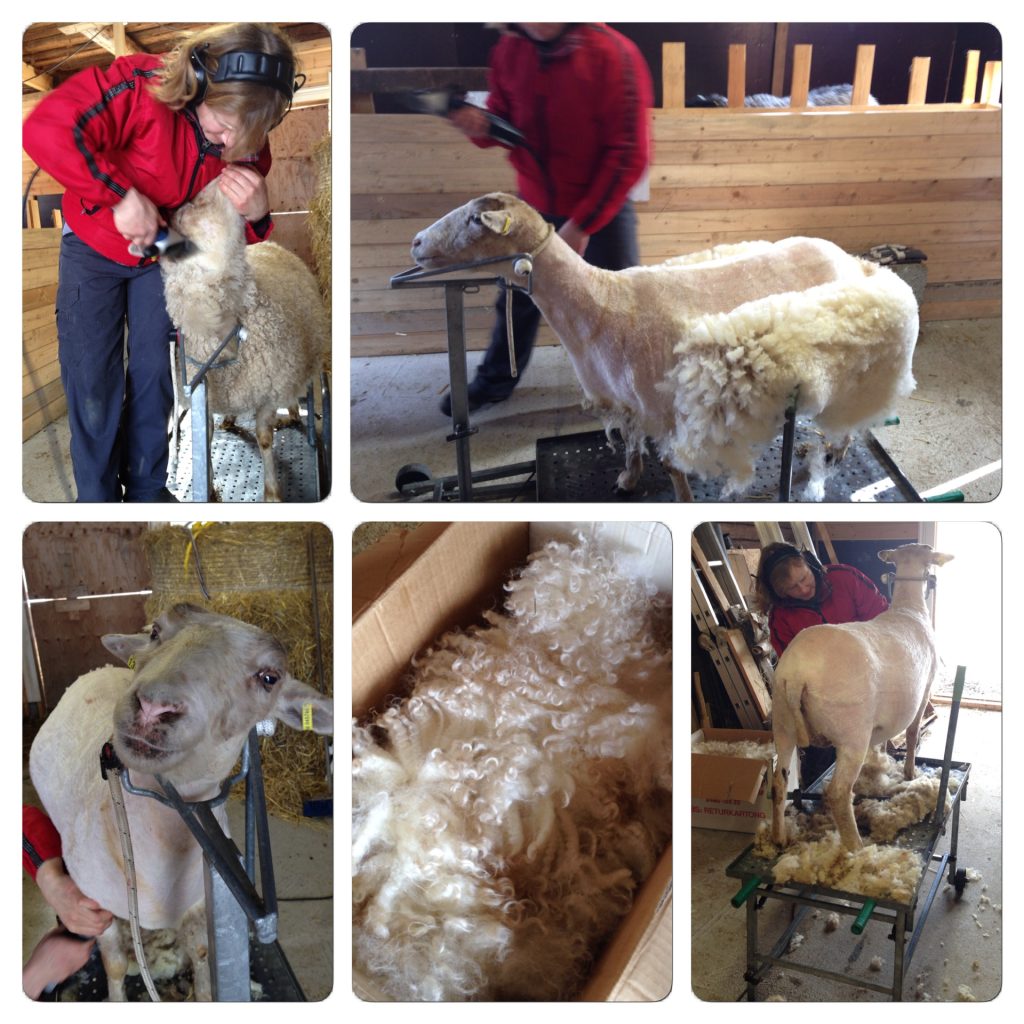
Choose a quiet, dry place with good light for shearing. A calm space helps reduce stress for the sheep and you.
Make sure the area is clean and free of obstacles. A flat surface or shearing stand can make the job easier and safer.
- Find a shaded or indoor spot to avoid heat
- Keep the floor dry and clean
- Have a place to hold the sheep gently
- Arrange tools nearby but out of the way
Handling Sheep Calmly
Sheep can get scared during shearing. Handle them with calm and slow movements to keep them relaxed.
Speak softly and avoid sudden actions. Gentle handling helps prevent injuries to both you and the sheep.
- Approach sheep quietly and slowly
- Hold sheep firmly but gently
- Use a calm voice to soothe the animal
- Take breaks if the sheep becomes too stressed

Credit: waltin.se
Shearing Techniques
Shearing sheep is essential for their health and comfort. Understanding the right techniques can make the process easier.
Proper shearing ensures the fleece is removed efficiently and safely. Let’s explore the steps for effective shearing.
Positioning The Sheep
Correctly positioning the sheep is crucial. It ensures safety for both the animal and the shearer.
- Sit the sheep on its rump.
- Keep its back against your legs.
- Ensure its head is supported.
Starting The Shear
Begin shearing at the belly. This is typically the dirtiest part of the fleece.
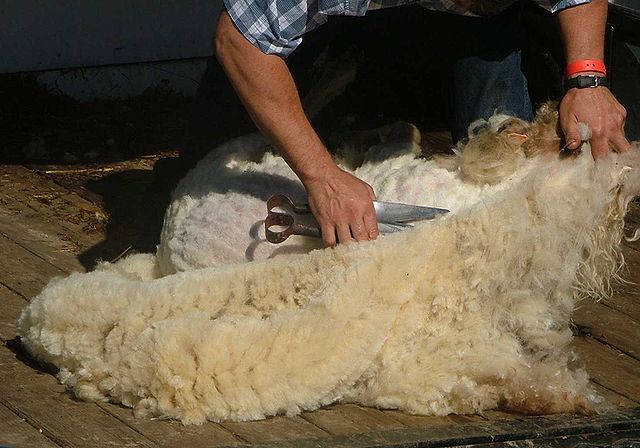
Move the shears smoothly to avoid cuts. Keep the shears close to the skin for a clean cut.
Working Efficiently With The Fleece
Keep the fleece in one piece for better quality. This requires careful handling and technique.
| Action | Purpose |
| Use long strokes | Keep fleece intact |
| Follow sheep’s contour | Avoid cuts |
| Maintain steady pace | Efficient shearing |
Avoiding Common Mistakes
Shearing mistakes can harm the sheep or damage the fleece. Awareness and practice help in avoiding errors.
Remember: Always keep the blades sharp and handle the sheep gently to prevent stress.
Post-shearing Care
Shearing sheep is only part of the job. Taking care of sheep after shearing is very important. Good post-shearing care helps keep sheep healthy and comfortable.
This guide covers checking for injuries, caring for the sheep’s skin, and cleaning and storing wool properly.
Checking For Injuries
After shearing, carefully check each sheep for cuts or wounds. Small nicks can happen during shearing. Look at the neck, belly, and legs closely.
- Look for bleeding or open wounds
- Check for swelling or redness
- Note any signs of pain or limping
- Apply antiseptic to any cuts
- Separate badly injured sheep for treatment
Caring For The Sheep’s Skin
Shearing exposes the sheep’s skin to the air. The skin can dry out or get irritated. Keep it clean and protected after shearing.
| Care Task | Why It Is Important |
| Keep sheep in clean, dry areas | Prevents infections and skin problems |
| Apply skin conditioner or spray | Soothes skin and reduces irritation |
| Check skin daily for changes | Early detection of problems helps healing |
Cleaning And Storing Wool
Wool should be cleaned and stored correctly after shearing. Proper care keeps wool in good condition for use or sale.
- Remove dirt and vegetable matter from wool
- Shake or comb wool gently to clean
- Store wool in a dry, cool place
- Keep wool away from pests like moths
- Use breathable bags or containers
Maintaining Shearing Equipment
Keeping your shearing equipment in good shape makes the job easier. Regular care helps tools last longer and work better.
Follow simple steps to maintain blades, clean your tools, and store everything correctly.
Sharpening Blades
Sharp blades cut wool smoothly and reduce stress on the sheep. Dull blades slow you down and can hurt the animal.
- Use a sharpening stone or grinder to sharpen blades before each shearing session.
- Keep the blade angle steady for an even edge.
- Check blades often and sharpen again if the cut feels rough.
- Replace blades if they are damaged or cannot be sharpened properly.
Cleaning Tools Regularly
Cleaning removes dirt, wool, and oil. This keeps equipment working well and stops rust.
| Tool | Cleaning Method |
|---|---|
| Blades | Wipe with cloth and use blade wash spray. |
| Handpieces | Brush out wool and dust, then oil moving parts. |
| Combs | Remove wool and dirt, soak in warm soapy water. |
Storing Equipment Properly
Store tools in a dry, clean place. Proper storage stops damage and rust.
- Keep blades in protective cases or wrapped in cloth.
- Store handpieces off the ground to avoid moisture.
- Check equipment regularly for rust or damage.
- Oil blades lightly before long storage periods.
Seasonal And Safety Tips
Shearing sheep is important for their health and comfort. Doing it at the right time and safely helps avoid stress for the animals and shearers.
Follow tips on the best shearing season, use protective gear, and handle difficult sheep carefully to keep everyone safe.
Best Time For Shearing
Shear sheep in late spring or early summer. Wool grows fast and keeps sheep warm in winter. Avoid shearing in cold or wet weather to prevent illness.
- Choose a dry, warm day for shearing
- Shear before the hot season starts
- Do not shear during heavy rain or cold snaps
- Check weather forecasts to plan shearing days
Protective Gear For Shearers
Wear the right gear to protect yourself. Shearing tools are sharp, and sheep can move suddenly. Safety gear lowers injury risks.
| Gear | Purpose |
| Gloves | Protect hands from cuts and scrapes |
| Non-slip boots | Prevent slipping on wet floors |
| Protective eyewear | Shield eyes from wool and debris |
| Long-sleeved shirts | Guard against scratches and sun |
Handling Difficult Sheep
Some sheep may resist shearing. Stay calm and use gentle handling to keep them safe and reduce stress.
- Approach sheep slowly and quietly
- Use a secure but gentle hold
- Give the sheep small breaks if needed
- Work with a helper for extra control
- Never force the sheep or cause pain
Credit: www.wikiwand.com
Frequently Asked Questions
How Often Should You Shear Sheep Annually?
Sheep typically require shearing once a year, usually in spring. This timing prevents overheating and promotes healthy wool growth. Seasonal shearing matches sheep’s natural wool cycle and keeps them comfortable.
What Tools Are Needed For Shearing Sheep?
Essential tools include electric clippers, combs, hand shears, and a shearing stand. Proper equipment ensures safe, efficient wool removal and minimizes sheep stress and injury during shearing.
What Are The Basic Steps For Shearing Sheep?
Start by restraining the sheep gently. Use clippers to remove wool in long, smooth strokes. Work systematically from the belly to the back, avoiding cuts and ensuring even shearing.
How To Keep Sheep Calm During Shearing?
Handle sheep gently and calmly to reduce stress. Use slow, steady movements and avoid loud noises. A relaxed sheep is easier to shear and less likely to get injured.
Conclusion
Shearing sheep is important for their health and comfort. Use the right tools and be gentle. Take your time to avoid hurting the sheep. Clean the wool carefully after shearing. Practice makes the process easier and faster. Always watch the sheep’s behavior to keep them calm.
With patience, shearing can become a smooth task. Remember, caring for your sheep is key to good wool. Keep learning and improving each time you shear. This skill helps both the sheep and your farm thrive.