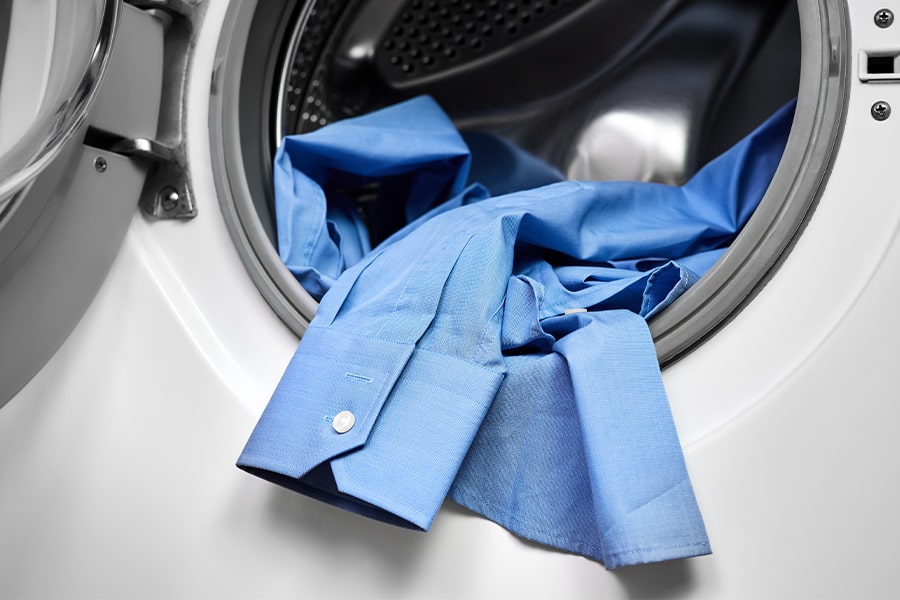
Have you ever bought a shirt that was just a little too big and wished you could make it fit perfectly? Shrinking your shirts at home using your washer and dryer is easier than you think.
If you want your clothes to hug your body just right without spending extra money or time, this guide is for you. Keep reading to discover simple, effective steps to shrink your shirts safely and get the fit you’ve been looking for.
Your wardrobe makeover starts here.
:max_bytes(150000):strip_icc()/SPR-how-often-should-you-wash-your-sheets-in-the-summer-11779987-hero-1207f26530ed4bf09ecd70cacda0c513.jpg)
Credit: www.thespruce.com
Preparing Shirts For Shrinking
Shrinking shirts can change their size and fit. Preparing them properly helps get the best results.
This guide covers key steps before using your washer and dryer to shrink shirts.
Selecting The Right Shirt Material
Not all shirts shrink the same way. The fabric type affects how much a shirt will shrink.
- Cotton shirts shrink the most and are easiest to shrink.
- Wool can shrink but needs careful handling.
- Polyester and synthetic blends shrink very little.
- Linen shrinks slightly but may wrinkle.
Checking Care Labels
Care labels have important washing and drying instructions. They guide how to avoid damage.
| Label Instruction | Meaning for Shrinking |
| Machine Wash Cold | Use cold water to prevent shrinking |
| Machine Wash Warm | Warm water helps shrink cotton shirts |
| Do Not Tumble Dry | Drying may damage or not shrink the shirt |
| Tumble Dry Low | Safe for gentle shrinking |
| Dry Flat | Prevents shrinking and stretching |
Sorting Laundry
Sort shirts by color and fabric type before shrinking. This stops color bleeding and damage.
- Keep dark and light colors separate.
- Wash cotton shirts apart from synthetic ones.
- Do not mix delicate shirts with heavy fabrics.
Credit: www.apparelnbags.com
Shrinking Shirts In The Washer
Shrinking shirts in the washer is a common way to make clothes fit better. Many fabrics, like cotton, shrink when washed with heat.
Using the right washer settings can help you control how much your shirt shrinks. This guide explains key steps to shrink shirts safely.
Choosing Hot Water Settings
Hot water helps shrink shirts by tightening the fibers. Choose the hottest water setting your shirt can handle. Check the care label first.
Use hot water to shrink cotton and other natural fabrics. Avoid hot water for shirts with synthetic fibers to prevent damage.
Using Longer Wash Cycles
Longer wash cycles keep your shirt in hot water for more time. This increases the chance of shrinkage.
Choose a heavy or normal cycle instead of a quick wash. This helps the fabric shrink evenly and thoroughly.
Adding Detergents And Other Products
Use regular detergent to clean your shirt during shrinking. Avoid gentle or cold-water detergents that protect fabric size.
You can add a small amount of fabric softener after shrinking. It keeps the shirt soft and comfortable to wear.
Shrinking Shirts In The Dryer
Shrinking shirts in the dryer is a simple way to make them smaller. The heat and tumbling help reduce the size of cotton and other fabrics.
Using the dryer correctly can give you better results. This guide explains how to shrink shirts safely in the dryer.
Selecting High Heat Settings
Choose the highest heat setting on your dryer. High heat helps shrink the fabric faster by tightening the fibers.
Make sure the shirt’s care label allows high heat. Some fabrics can get damaged if the heat is too strong.
- Set dryer to “High” or “Cotton” heat
- Avoid delicate or low heat settings
- Check shirt label for heat instructions
Using Extended Drying Time
Dry the shirt for a longer time to increase shrinkage. More time in the heat will shrink the fabric more.
Stop the dryer occasionally to check if the shirt has shrunk enough. Overdrying can cause stiffness or damage.
- Set dryer for 30 to 60 minutes
- Pause and feel the shirt every 15 minutes
- Stop drying when desired size is reached
Fluffing And Checking Shrinkage
Fluff the shirt during drying to keep it from bunching. This helps the heat reach all parts evenly.
After drying, check the shirt’s size. If it is not small enough, dry it again using the same process.
- Stop dryer and shake the shirt gently
- Check shirt size against your needs
- Repeat drying if more shrinkage is needed
.jpg?wid=1200&fmt=webp)
Credit: www.whirlpool.ca
Alternative Methods To Shrink Shirts
Shrinking shirts can help improve the fit without buying new clothes. Using your washer and dryer is common, but there are other ways to shrink shirts. These methods work well for different fabrics and give you more control.
Here are some simple alternative ways to shrink your shirts at home. They use heat and steam to tighten the fibers and make your shirt smaller.
Boiling Water Technique
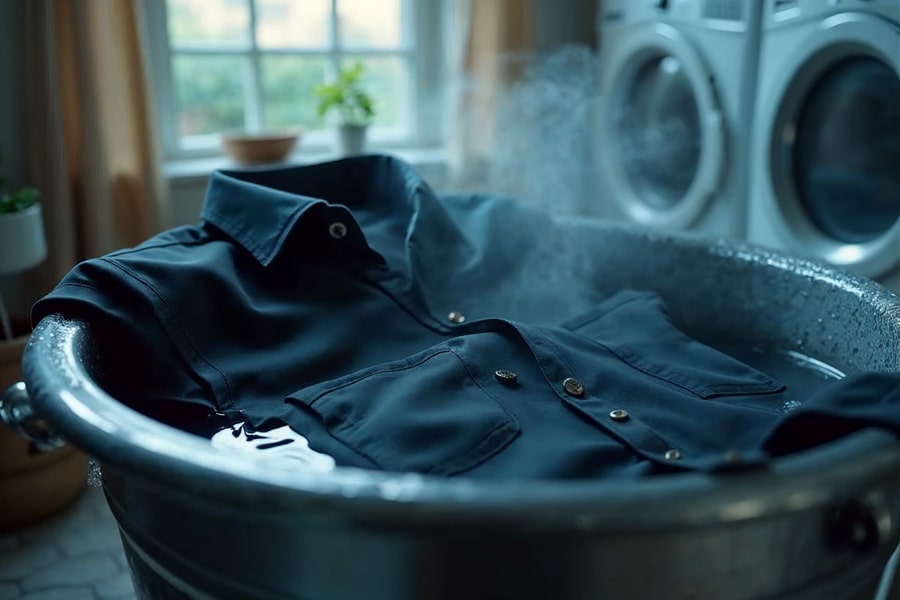
Boiling water can shrink cotton and some other fabric shirts quickly. The heat causes the fibers to contract.
To try this, boil water and pour it over the shirt in a heat-safe container. Let the shirt soak for about 5 to 10 minutes. After soaking, take the shirt out carefully and dry it using a hot dryer setting.
- Use 100% cotton or cotton blend shirts for best results
- Do not leave the shirt in boiling water too long to avoid damage
- Dry the shirt on high heat to finish shrinking
Ironing With Steam
Steam from an iron can help shrink shirts by tightening the fabric fibers. This method works well for delicate shirts that may not handle boiling water.
Start by dampening the shirt slightly. Use a steam iron on the hottest setting safe for the fabric. Press the iron down and move it slowly over the shirt. The steam and heat will shrink the fibers gradually.
- Use a spray bottle to dampen the shirt lightly
- Check shirt labels to avoid burning or damage
- Iron small sections slowly for even shrinking
Using A Hair Dryer
A hair dryer can shrink shirts by blowing hot air on damp areas. This method is good for small shrink jobs or target spots on a shirt.
First, wet the part of the shirt you want to shrink. Use the hair dryer on high heat and hold it close to the fabric. Move the dryer slowly and keep the shirt taut. Repeat until the fabric shrinks as needed.
- Focus on shrinking collars, sleeves, or specific shirt areas
- Keep the dryer moving to avoid fabric damage
- Use a warm setting for sensitive fabrics
Tips To Avoid Over-shrinking
Shrinking shirts in the washer and dryer is easy. But too much shrinking can ruin your clothes.
Follow simple steps to keep your shirts the right size. Watch closely and act with care.
Monitoring Shirt Size Regularly
Check your shirts after each wash and dry cycle. This helps you see how much they shrink over time.
- Measure your shirt’s width and length before washing.
- Compare measurements after drying.
- Write down changes to track shrinkage.
- Stop if the shirt is too small.
Combining Heat With Care
Heat causes shirts to shrink. Use warm water and low heat settings to control it.
| Method | Temperature | Effect on Shirt |
| Cold wash | Below 30°C (86°F) | Minimal shrinkage |
| Warm wash | 30°C – 40°C (86°F – 104°F) | Moderate shrinkage |
| High dryer heat | High setting | High shrinkage risk |
| Low dryer heat | Low setting | Less shrinkage |
Knowing When To Stop
Stop shrinking your shirt as soon as it reaches the size you want. Too much shrinking is hard to fix.
Signs to stop shrinking:
- Shirt feels tight or uncomfortable
- Length is shorter than desired
- Fabric looks stretched or worn
Common Mistakes To Avoid
Shrinking shirts in the washer and dryer can be tricky. Knowing what to avoid helps you achieve the desired results.
Let’s explore common mistakes to avoid for effective shrinking without damaging your shirts.
Ignoring Fabric Type
Different fabrics react differently to heat and water. Ignoring the fabric type can lead to unwanted damage.
- Cotton shrinks easily with heat.
- Wool requires gentle handling.
- Synthetic fabrics may not shrink as expected.
Using Too Much Heat
Excessive heat can ruin your shirts. Use the right temperature to control the shrinkage process.
| Fabric | Recommended Heat |
| Cotton | Medium |
| Wool | Low |
| Synthetic | Low |
Skipping Test Runs
Always test with one shirt first. This helps you avoid making the same mistake with the rest of your clothes.
Frequently Asked Questions
How Can I Shrink A Shirt Using A Washer?
To shrink a shirt in a washer, use hot water on a regular or heavy-duty cycle. Hot water tightens the fibers, causing the shirt to shrink naturally.
Will Drying A Shirt On High Heat Shrink It?
Yes, drying a shirt on high heat shrinks it by contracting the fabric fibers. Use the hottest dryer setting but monitor to avoid damage.
Can All Fabrics Be Shrunk In Washer And Dryer?
No, natural fabrics like cotton and wool shrink easily, while synthetic fabrics resist shrinking. Always check the care label before attempting to shrink a shirt.
How Long Should I Wash And Dry To Shrink A Shirt?
Wash in hot water and dry on high heat for 30-40 minutes. Repeat if necessary but avoid over-shrinking or damaging the fabric.
Conclusion
Shrinking shirts in the washer and dryer is simple and effective. Use hot water and high heat settings carefully. Check the shirt size often to avoid over-shrinking. Not all fabrics shrink the same way. Cotton shrinks more than synthetic fibers.
Always read the care label before starting. This method can save money and adjust fit quickly. Practice makes perfect with shrinking shirts at home. Try these steps to get the best results every time.