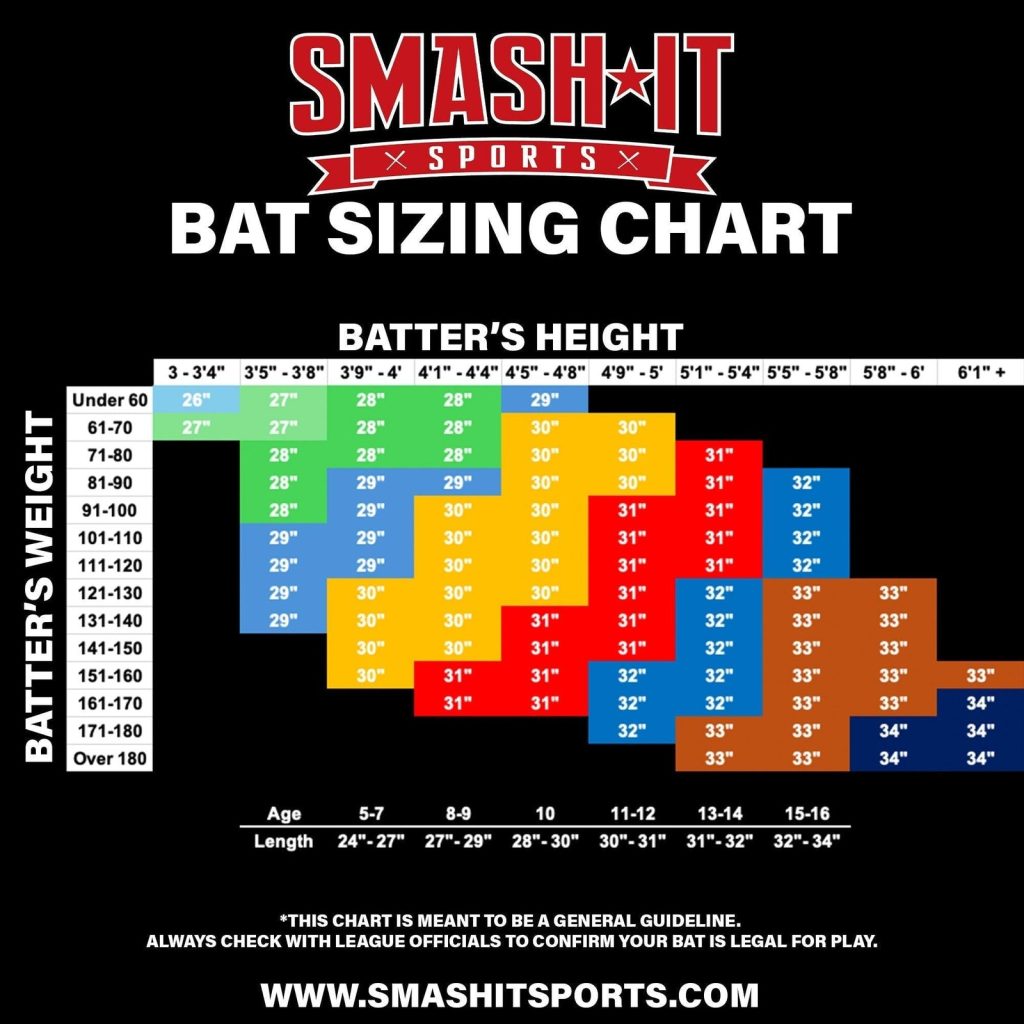
Choosing the right baseball bat for your young player can feel overwhelming. You want to make sure the bat fits perfectly—not too heavy, not too long—so your child can swing with confidence and enjoy the game.
If you get it wrong, it could affect their performance and even cause frustration. But don’t worry, this guide will help you find the perfect size bat that matches your child’s age, height, and strength. Keep reading, and you’ll learn simple tips that make sizing a bat easy and stress-free.
Your young athlete will thank you!
Importance Of Proper Bat Sizing
Using the right size baseball bat helps young players improve their skills. A bat that fits well makes swinging easier and more accurate.
Choosing the correct bat size also helps prevent injuries. It allows kids to play comfortably and enjoy the game more.
Improves Swing Control
A properly sized bat gives better control during the swing. Kids can aim better and hit the ball more often.
If a bat is too heavy or too long, it is hard to swing correctly. This can cause poor hitting and frustration.
Reduces Risk Of Injury
A bat that is too heavy strains the arms and shoulders. This can lead to muscle pain or injury.
Using the right size bat helps kids swing safely. It lowers the chance of accidents and strain.
Builds Confidence And Enjoyment
When the bat fits well, kids feel confident playing baseball. They enjoy the sport more and want to practice often.
Confidence helps young players improve faster. Proper bat sizing supports this positive experience.
Measuring For The Right Length
Finding the right baseball bat length is key for young players. The right size helps with control and power. It also keeps players comfortable and safe.
Different methods exist to measure the best bat length. This guide covers height, age, and testing the bat for fit.
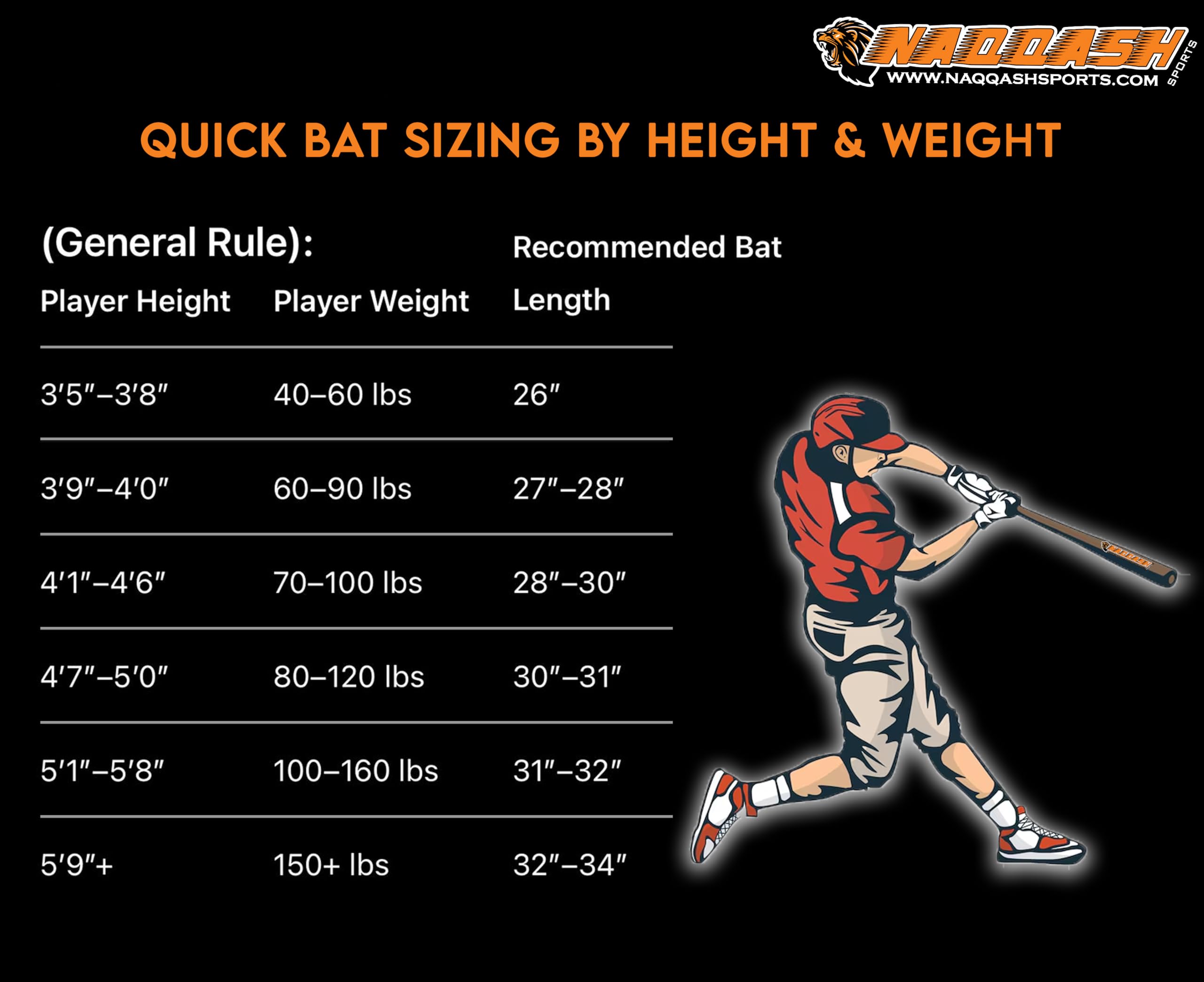
Height-based Measurements
Height is a simple way to find a good bat length. Taller players usually need longer bats. Shorter players need shorter bats.
| Player Height | Suggested Bat Length |
| 3’6″ – 4’0″ | 24″ – 26″ |
| 4’1″ – 4’6″ | 26″ – 28″ |
| 4’7″ – 5’0″ | 28″ – 30″ |
| 5’1″ – 5’6″ | 30″ – 32″ |
| 5’7″ and above | 32″ and up |
Age Considerations
Age helps guide bat size, but it is less exact than height. Young players grow at different rates. Age can give a general size range.
- 5 to 7 years: 24 to 26 inches
- 8 to 10 years: 26 to 28 inches
- 11 to 13 years: 28 to 30 inches
- 14 years and older: 30 inches and above
Testing Bat Length
Testing the bat length is important. A bat that feels right helps players perform better. Here is how to test a bat length:
- Hold the bat with your dominant hand at the handle’s knob.
- Extend the bat straight out to your side.
- Check if the bat’s end reaches your wrist or slightly past.
- Try swinging the bat slowly to feel the weight and length.
- Make sure you can swing comfortably and control the bat.
Determining The Ideal Weight
Choosing the right weight for a youth baseball bat helps the player swing better. The bat should feel comfortable and easy to control.
The ideal weight depends on the player’s size, strength, and skill level. A bat that is too heavy or too light can affect performance.
Weight-to-length Ratio
The weight-to-length ratio shows how heavy a bat is compared to its length. This ratio helps find the right balance for young players.
A good starting point is to choose a bat with a weight about two to three units less than its length. For example, a 30-inch bat might weigh 27 to 28 ounces.
- Shorter bats usually weigh less for better control
- Longer bats are heavier but provide more reach
- Look for a drop weight (length minus weight) between -10 and -13 for youth bats
Swing Test For Balance
To check if a bat has the right balance, have the player swing it several times. The bat should feel natural and not too heavy at the end.
A well-balanced bat allows the player to swing smoothly and quickly. It should not cause strain or slow down the swing.
- Hold the bat at the handle and swing at waist height
- The bat should feel light and easy to control
- If the bat feels heavy or awkward, try a lighter or shorter bat
- Ask the player how the bat feels after swinging

Credit: www.reddit.com
Material And Construction Choices
Selecting the right material for a youth baseball bat affects performance and comfort. The main options are aluminum and composite bats.
Each material has its own features and fits different player needs. Understanding these helps you pick the best bat size and type.
Aluminum Vs. Composite Bats
Aluminum bats are made from a single metal alloy. Composite bats use layered materials like carbon fiber. Both types offer different balance, weight, and feel.
Aluminum bats tend to be lighter and cheaper. Composite bats provide a larger sweet spot and less vibration on hits.
Pros And Cons Of Each Material
| Material | Pros | Cons |
|---|---|---|
| Aluminum |
|
|
| Composite |
|
|
League Regulations And Standards
Choosing the right baseball bat size for youth depends on league rules. Different leagues set standards to keep players safe and fair.
Knowing these regulations helps parents and coaches pick bats that follow the rules. It also ensures the bat fits the player well.
Understanding League Rules
Each youth baseball league has its own rules about bat size and weight. These rules protect players and keep games fair.
Common limits include maximum bat length, weight, and barrel size. Some leagues also restrict the bat material.
- Maximum bat length usually ranges from 30 to 34 inches
- Weight limits often use a drop weight number, like -10
- Barrel diameter is often limited to 2 1/4 or 2 5/8 inches
- Wood, metal, and composite bats may have different rules
Certification Marks To Look For
Look for certification marks on bats to ensure they meet league standards. These marks show the bat is approved for play.
Different leagues accept different certifications. Knowing which marks to check helps find legal bats for your league.
- USA Baseball stamp – accepted by many youth leagues
- USSSA 1.15 BPF stamp – used in some tournaments
- BBCOR certification – mainly for high school and college
- Little League approved bats have a special seal
Credit: www.amazon.ca
Trying Out Bats Before Purchase
Picking the right baseball bat for youth is important. Trying out bats before buying helps find the best fit.
Testing bats lets young players feel the weight and balance. This makes sure they can swing comfortably and confidently.
In-store Testing Tips
Visit a store where you can hold and swing different bats. Look for a bat that feels light but solid in the hands.
- Stand in your normal batting stance when testing.
- Swing slowly to check the bat’s balance.
- Try bats of different lengths and weights.
- Ask a store employee for help with sizing.
- Check the grip comfort on each bat.
Borrowing From Teammates
Trying bats from teammates is a good way to compare. It can help find a bat that suits your swing style and size.
| Bat Length | Bat Weight | Player Feel |
| 28 inches | 18 oz | Easy to swing, good control |
| 30 inches | 20 oz | Heavier but more power |
| 27 inches | 17 oz | Very light, less power |
Signs Of Incorrect Bat Size
Choosing the right baseball bat size is important for youth players. Using the wrong size can cause problems during play.
Look for signs that show if a bat is too big or too small. These signs affect how well a player performs and feels.
Performance Issues
A bat that is too heavy or long can slow down the swing. This makes it hard to hit the ball well.
A bat that is too light or short can reduce power and control. This lowers the chance of good hits.
- Slow swing speed
- Difficulty making contact with the ball
- Less power in hits
- Poor control over the bat
Physical Discomfort
Using the wrong bat size can cause pain in the hands, wrists, or arms. This happens from extra strain during swings.
A bat that is too heavy or long can make players tire quickly. It may also lead to poor posture and injury risks.
- Hand or wrist pain
- Arm fatigue and soreness
- Muscle strain in shoulders or back
- Faster tiredness during play
Caring For Your Youth Baseball Bat
Taking care of a youth baseball bat helps it last longer and stay in good shape. Proper care also keeps the bat safe for young players to use.
This guide covers storage and maintenance tips to protect your bat and keep it ready for play.
Proper Storage Techniques
Store the bat in a dry place away from extreme temperatures. Avoid leaving it in a car or outside where weather can cause damage.
- Keep the bat in a protective bag or case.
- Store it vertically or hang it to prevent warping.
- Do not place heavy items on top of the bat.
- Keep away from moisture to avoid rust or mold.
Routine Maintenance
Regularly check your bat for dents, cracks, or loose parts. Clean it after each use to remove dirt and debris.
| Maintenance Task | How to Do It | Frequency |
| Cleaning | Wipe bat with a damp cloth and dry thoroughly | After every game or practice |
| Inspection | Look for cracks, dents, or loose handles | Weekly or before use |
| Handle Care | Check grip tape and replace if worn | Monthly or as needed |
Credit: www.annexbaseball.com
Frequently Asked Questions
How Do I Measure A Youth Baseball Bat Size?
Measure your child’s height and weight first. Use a sizing chart to match these measurements to bat length and weight for best fit and comfort.
What Is The Right Bat Length For Youth Players?
Choose a bat length based on the player’s height and age. Typically, youth bats range from 26 to 32 inches.
How Important Is Bat Weight For Young Players?
Bat weight affects swing speed and control. Lighter bats allow faster swings, while heavier bats add power but can tire players quickly.
When Should A Youth Switch To A Longer Bat?
Switch to a longer bat when the player’s height and strength increase. Proper fit ensures better swing mechanics and improved performance.
Conclusion
Choosing the right baseball bat size helps young players play better. A bat that fits well feels comfortable and boosts confidence. Remember to check the player’s height, weight, and strength first. Trying different bats can help find the best one.
A good fit makes swinging easier and more fun. Keep these tips in mind to support young athletes. Happy playing and growing in baseball!