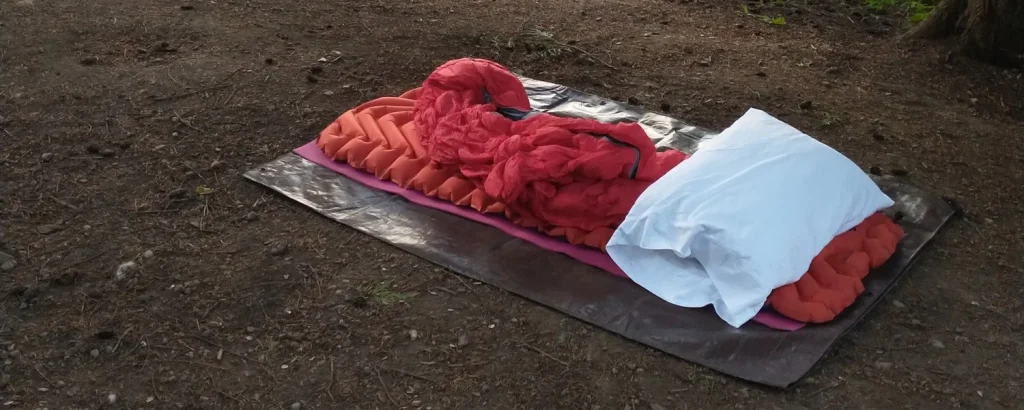
Have you ever wanted to sleep outside but didn’t have a tent? Maybe you’re hiking, camping, or just craving a night under the stars.
Sleeping outside without a tent might sound risky or uncomfortable, but it doesn’t have to be. With the right tips and tricks, you can stay safe, warm, and dry—no bulky gear required. Keep reading, and you’ll discover simple ways to enjoy a night in nature that feels cozy and secure.
Your next outdoor adventure is about to get a whole lot easier.

Credit: www.reddit.com
Choosing The Right Spot
Sleeping outside without a tent needs careful spot selection. The right spot keeps you safe and comfortable.
Picking a good place helps you avoid problems like bad weather or rough ground. Think about hazards, flatness, and weather.
Avoiding Hazards
Check the area for dangers before settling down. Avoid places with falling branches or animal paths.
Look out for insects, sharp rocks, or water pools that can cause trouble while you sleep.
- Stay away from dead trees or loose branches
- Do not camp near animal trails or nests
- Avoid spots with lots of insects or bugs
- Keep clear of puddles or wet areas
Finding Flat Ground
Look for flat ground to sleep on. It helps you rest well and stops you from sliding down.
Clear away rocks, sticks, and other hard things before lying down. A smooth surface feels better.
- Choose level spots, not on hills or slopes
- Remove sharp objects from your sleeping area
- Check the ground firmness for good support
Considering Weather Conditions
Think about the weather before picking a spot. Choose places that protect you from wind and rain.
Find areas near natural windbreaks like bushes or rocks. Avoid low spots where cold air or water can gather.
- Pick spots sheltered from strong winds
- Avoid low areas where water can collect
- Look for natural covers like trees or bushes
Essential Gear For Sleeping Outdoors
Sleeping outside without a tent can be fun. You need the right gear to stay comfy and safe. Here is some essential gear you should consider.
These items will help you enjoy your outdoor sleep. They keep you warm and protect you from the weather.
Sleeping Bags And Pads
A sleeping bag keeps you warm at night. Choose one suitable for the season. Sleeping pads add comfort and insulation from the cold ground.
- Sleeping bags come in different temperature ratings
- Foam pads are lightweight and easy to carry
- Inflatable pads offer more comfort
Tarps And Hammocks
Tarps protect you from rain and wind. They are easy to set up above you. Hammocks offer a comfortable way to sleep off the ground.
- Tarps can be tied between trees
- Hammocks need strong anchor points
- Both are lightweight and portable
Clothing And Accessories
Dress in layers to stay warm and dry. Bring a hat and gloves if it’s cold. Accessories like headlamps help you see at night.
- Wool socks keep your feet warm
- Waterproof jackets protect from rain
- Headlamps are useful for nighttime
Setting Up Your Outdoor Sleep Area
Sleeping outside without a tent needs some planning. You must find a safe and comfortable spot. Setting up well helps you rest better and stay protected.
This guide shows how to use natural shelter, build a makeshift shelter, and arrange your sleep system. Each step makes your outdoor sleep area cozy and secure.
Using Natural Shelter
Look for natural places that block wind and rain. Trees, large rocks, and thick bushes work well. These spots give you shade and some protection from weather.
Choose an area that is dry and flat. Avoid low spots where water can collect if it rains. Also, check for signs of insects or animals nearby.
Building A Makeshift Shelter
You can build a simple shelter using branches, leaves, and other natural materials. This shelter will keep you warm and dry through the night.
- Find two strong sticks to hold up the shelter.
- Lean smaller branches against the sticks to form a frame.
- Cover the frame with leaves, pine needles, or a tarp if you have one.
- Make sure the shelter is tight to block wind and rain.
- Leave an opening for air and easy entry.
Arranging Your Sleep System
Arrange your sleeping area to stay warm and comfortable. Use layers to keep heat and protect from the ground.
| Item | Purpose | Tips |
| Sleeping Pad | Insulation from cold ground | Use foam or inflatable pads |
| Sleeping Bag or Blanket | Keep warm during the night | Choose weather-appropriate warmth |
| Ground Cover | Protect from moisture | Use a tarp or natural leaves |
| Pillow or Stuffed Clothing | Head support for comfort | Use a small bag or folded clothes |
Staying Warm And Dry
Sleeping outside without a tent can be tough. You need to stay warm and dry to sleep well.
Good preparation helps you avoid cold and wet conditions while you rest outdoors.
Layering Clothing
Wear several layers of clothes to keep your body heat trapped. Layers let you add or remove clothes easily.
Start with a thin base layer to wick sweat away. Add a warm middle layer for insulation. Finish with a windproof outer layer.
- Base layer: thin and moisture-wicking
- Middle layer: fleece or wool for warmth
- Outer layer: waterproof and windproof
Insulating From The Ground
The cold ground pulls heat away from your body. Use insulation between you and the earth to stay warm.
Materials like foam pads, thick blankets, or dry leaves work well. They stop cold air from reaching you below.
- Use a foam sleeping pad or thick blanket
- Collect dry leaves or pine needles for extra insulation
- Avoid sleeping directly on cold, wet soil
Protecting Against Moisture
Moisture from rain or dew can make you cold quickly. Keep yourself and your bedding dry to stay comfortable.
Choose waterproof clothing and cover your sleeping area. Use a tarp or a groundsheet if possible to block water.
- Wear waterproof or water-resistant outerwear
- Use a tarp or plastic sheet under your sleeping spot
- Keep clothes and bedding dry by storing them off the ground
Safety Tips For Outdoor Sleeping
Sleeping outside without a tent can be a great experience. It lets you connect with nature closely.
To stay safe, you must prepare well and know some important safety tips. This guide covers key areas to help you sleep safely outdoors.
Wildlife Awareness
Animals live in many outdoor areas. Knowing how to avoid unwanted encounters is important for safety.
- Store food away from your sleeping area to avoid attracting animals.
- Make noise while moving to alert animals of your presence.
- Keep a safe distance if you see wildlife and never try to feed them.
- Know which animals are common in the area and how to react if you meet them.
Weather Precautions
Weather can change quickly outdoors. Preparing for weather keeps you comfortable and safe.
| Condition | Precautions |
| Rain | Use waterproof clothing and find a sheltered spot. |
| Cold | Wear layers and use a warm sleeping bag or blanket. |
| Heat | Choose shade and stay hydrated. |
| Wind | Find a windbreak like trees or rocks. |
Personal Security
Protecting yourself from other people is as important as protecting from nature.
- Pick a safe spot that is visible and not too isolated.
- Inform someone about your location and plans.
- Keep your phone and a flashlight close to you.
- Trust your instincts and move if you feel unsafe.

Credit: www.reddit.com
Enhancing Comfort Without A Tent
Sleeping outside without a tent can be a unique experience. It needs some care to stay comfortable and safe. Using simple tricks helps you rest well under the open sky.
This guide shows how to improve comfort by using natural materials, managing insects, and improving sleep quality.
Using Natural Materials
Natural materials can make your sleeping spot soft and warm. Leaves, pine needles, or grass create a cushion from the hard ground.
They also help block cold air and moisture. Choose dry materials to avoid bugs and dampness. Avoid sharp sticks or stones.
- Gather dry leaves or pine needles
- Lay a thick layer to cushion the ground
- Place large leaves on top to keep moisture away
- Check for bugs before settling down
Managing Insects
Insects can make sleeping outside hard. Use natural ways to keep them away and stay comfortable.
Smoke helps keep bugs at a distance. You can also use plants with strong smells to repel insects.
- Build a small smoky fire nearby
- Place herbs like mint or lavender around your spot
- Wear long sleeves and pants to protect your skin
- Use natural oils like citronella if you have them
Improving Sleep Quality
Good sleep helps you enjoy your outdoor night. Find a flat, dry area away from wind and noise.
Use layers to stay warm. A sleeping bag, blanket, or extra clothes help keep your body heat.
- Choose a quiet, level spot for sleeping
- Use natural materials as padding
- Wear warm clothes to stay cozy
- Block wind with natural barriers like bushes or rocks
Packing And Preparing For Outdoor Sleep
Sleeping outside without a tent can be a great way to connect with nature. It needs careful packing and preparation to stay safe and comfortable.
Focus on packing light and preparing your body and mind. Also, plan how you will leave the area safely after sleeping.
Minimalist Packing
Packing light is key when you sleep outside without a tent. Bring only what you really need to reduce weight and bulk.
Choose items that serve more than one purpose. This helps keep your bag small and easy to carry.
- Sleeping bag or compact blanket for warmth
- Ground pad to protect from cold and damp
- Lightweight rain poncho or tarp for weather protection
- Headlamp or flashlight with spare batteries
- Basic first aid kit
- Water bottle and some snacks
- Warm clothing layers
Preparing Your Body And Mind
Your body and mind need preparation to sleep well outdoors. Practice relaxation and stay calm before bedtime.
Eat light, avoid caffeine, and try some stretching to help your body relax. Deep breathing can calm your mind.
- Do light exercises to reduce muscle tension
- Practice deep, slow breathing
- Keep your body warm but not overheated
- Focus on positive thoughts and nature sounds
Planning Your Exit Strategy
Know how you will leave the area before you sleep. This keeps you safe and helps avoid surprises in the morning.
Check the weather forecast and daylight times. Plan your route back and inform someone about your plans if possible.
- Choose a safe, easy exit path
- Mark landmarks or use a GPS device
- Prepare for sudden weather changes
- Tell a trusted person your location and plans

Credit: www.reddit.com
Frequently Asked Questions
How Can I Stay Warm Sleeping Outside Without A Tent?
Use a high-quality sleeping bag and insulating sleeping pad. Wear layered clothing and a warm hat. Choose a sheltered spot protected from wind and moisture to retain heat effectively.
What Is The Best Ground Cover For Sleeping Outdoors?
A durable tarp or groundsheet works best. It protects from dampness, dirt, and insects. Adding a sleeping pad on top improves comfort and insulation from cold ground.
How Do I Protect Myself From Insects Without A Tent?
Use insect repellent sprays and wear long sleeves and pants. Set up a mosquito net or bug-proof bivvy sack. Avoid areas with heavy insect activity and keep food sealed.
Can I Sleep Safely Outside During Rain Without A Tent?
Choose a waterproof tarp or bivy sack for shelter. Set up under natural cover like dense trees. Elevate your sleeping area to avoid water pooling and stay dry.
Conclusion
Sleeping outside without a tent can be safe and fun. Use natural shelters like trees or rocks for protection. Bring a sleeping bag or blanket to stay warm. Choose a dry, flat spot away from bugs and animals. Keep your gear organized and close by.
Always respect nature and leave no trace. With these simple tips, you can enjoy the outdoors comfortably. Try it once, and you might love the experience. Sleeping under the stars feels peaceful and free. Give it a chance on your next adventure!