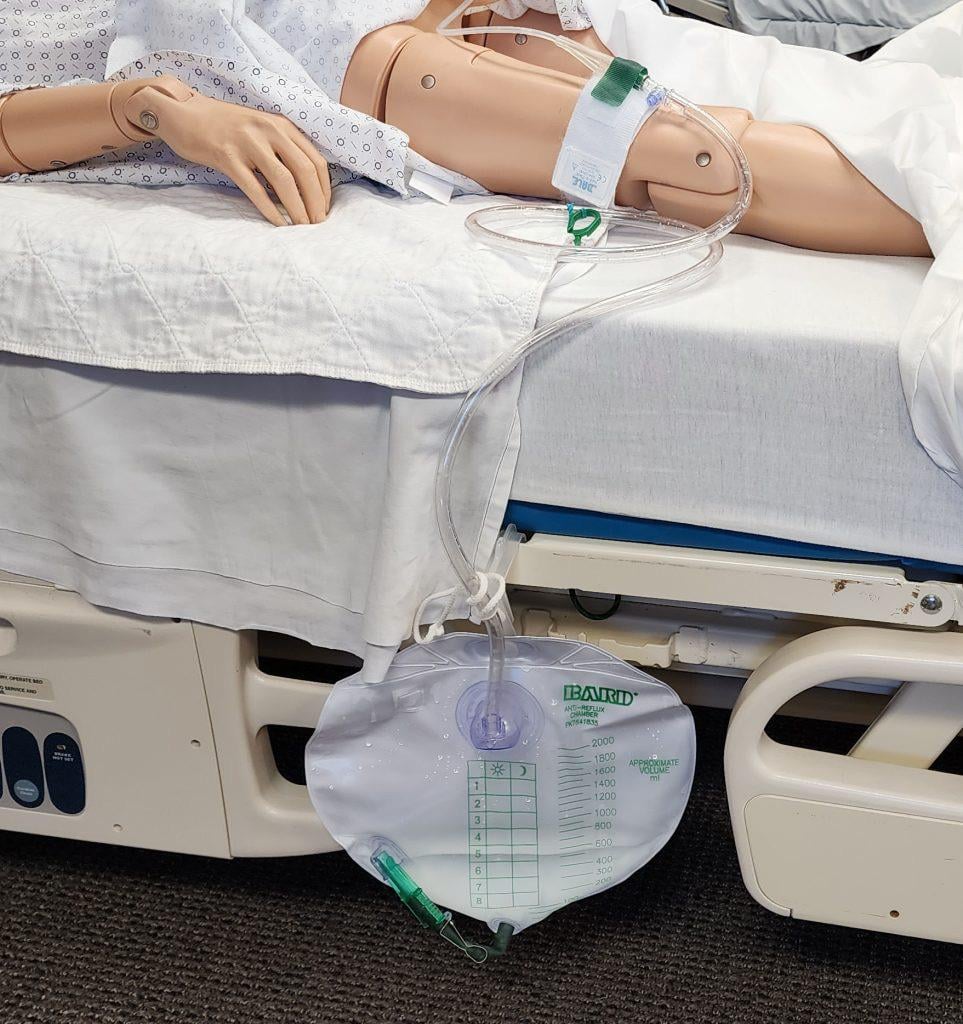
Sleeping comfortably with a catheter bag can feel challenging at first. You might worry about getting tangled, leaking, or simply not finding a good position to rest.
But what if you could sleep through the night without these fears holding you back? You’ll discover simple, practical tips that help you stay safe and comfortable while you sleep with a catheter bag. Keep reading to learn how to protect your health and enjoy a peaceful night’s rest—because you deserve it.
Choosing The Right Catheter Bag
Sleeping with a catheter bag can be easier with the right choice. The right bag helps you rest comfortably and keeps you safe during sleep.
Choosing the right catheter bag depends on your needs. Think about the type, size, and comfort before using it at night.
Types Of Catheter Bags
There are different catheter bags designed for various needs. Some are made for daytime use, while others suit night use better.
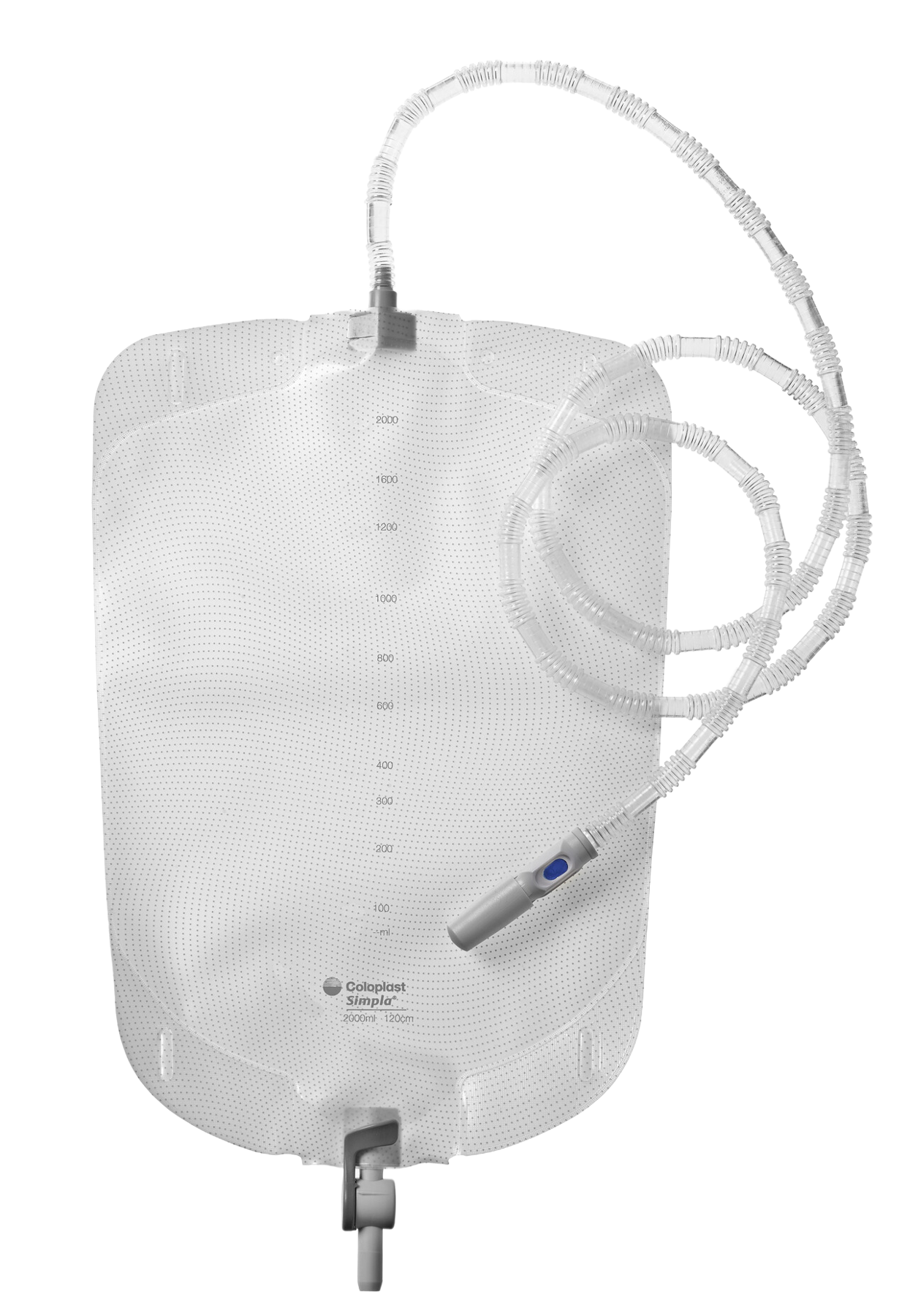
Night bags usually hold more urine and attach securely to your leg or bed. Leg bags are smaller and fit under clothes.
- Leg bags: Small, portable, for daytime use
- Night bags: Larger, higher capacity, for sleeping
- Drainable bags: Easy to empty without removal
Size And Capacity Considerations
The size of the catheter bag affects comfort and how often you empty it. A bigger bag holds more urine but may be bulky.
Night bags often have a larger capacity to last through the night. Leg bags are smaller to stay hidden and light for walking.
- Choose a bag size that fits your urine output
- Larger bags reduce the need to empty at night
- Smaller bags are easier to wear and move with
Material And Comfort Features
Catheter bags come in different materials to improve comfort. Soft, flexible materials reduce skin irritation and feel better at night.
Look for bags with smooth edges and breathable fabric covers. This helps prevent rashes and keeps your skin dry during sleep.
- Soft, flexible plastic for comfort
- Breathable covers to reduce moisture
- Secure straps that do not pinch skin

Credit: capasee.com
Preparing Your Sleeping Area
Sleeping with a catheter bag can feel uncomfortable at first. Preparing your sleeping area helps you rest better and keep the bag safe.
This guide shows how to set up your bed and bedding to make sleeping easier with a catheter bag.
Positioning Your Bed And Pillows
Arrange your bed and pillows to reduce pressure on the catheter and bag. Keep your body relaxed and avoid pulling the tubing.
Use pillows to support your legs and back. This helps keep the catheter bag stable and comfortable.
- Place pillows under your knees if you lie on your back
- Use side pillows to prevent rolling onto the catheter
- Keep the bag below your bladder level to avoid backflow
Using Protective Bedding
Protect your mattress and sheets from leaks by using waterproof bedding. This keeps your sleeping area clean and dry.
Choose soft, breathable materials to stay comfortable all night.
- Use a waterproof mattress protector under your sheets
- Cover the bed with washable, absorbent pads
- Keep extra bedding nearby for quick changes
Ensuring Easy Access To The Bag
Make sure the catheter bag is easy to reach. This helps you empty or check the bag without strain during the night.
Arrange your bed and furniture so the bag’s tubing is not stretched or pinched.
- Place the bag on a stand or hook near your bed
- Keep the tubing loose and free from tight bends
- Make a clear path to the bag for nighttime use
Best Sleeping Positions
Sleeping with a catheter bag can be uncomfortable without the right position. Choosing the best sleeping position helps reduce pain and keep the catheter safe.
This guide shares tips on side sleeping, back sleeping, and avoiding pressure on the catheter.
Side Sleeping Tips
Side sleeping is often the most comfortable way to sleep with a catheter bag. Use pillows to support your body and keep the catheter bag in place.
- Place a pillow between your knees for better hip alignment.
- Keep the catheter bag lower than your bladder to avoid backflow.
- Secure the catheter tube along your side to prevent pulling.
- Avoid lying directly on the catheter tube or bag.
Back Sleeping Guidelines
Back sleeping is another option, but it needs care to keep the catheter bag safe and comfortable.
| Tip | Reason |
| Place a small pillow under your knees | Reduces lower back strain |
| Keep catheter bag on one side of your body | Prevents tube from pulling |
| Use a belt or strap to hold the bag in place | Keeps bag secure during sleep |
| Avoid twisting your body | Prevents catheter kinks |
Avoiding Pressure On The Catheter
Pressure on the catheter can cause discomfort and block urine flow. Avoid sleeping positions that press on the catheter or bag.
- Do not lie on the catheter tube or bag.
- Use soft pillows to cushion the catheter area.
- Check catheter placement before sleeping.
- Adjust your position if you feel pulling or pain.

Credit: www.ebay.com
Securing The Catheter Bag
Sleeping with a catheter bag can be tricky without the right support. Securing the bag helps keep it safe and comfortable during the night.
Using proper methods stops the tubing from pulling or kinking. This makes your sleep less disturbed and protects your catheter.
Straps And Holders
Straps and holders keep the catheter bag close to your body. They prevent it from swinging or pulling on the tubing while you move in bed.
- Wear adjustable straps around your waist or thigh
- Use holders with soft padding to avoid skin irritation
- Choose straps with quick-release clips for easy removal
- Secure the bag in a position that feels comfortable and natural
Clipping And Taping Techniques
Clipping and taping the catheter bag and tubing can add extra security. It keeps everything in place and stops unwanted movement during sleep.
| Technique | Description | Tip |
| Clipping | Use small clips to attach tubing to clothing | Avoid tight clips that pinch tubing |
| Taping | Apply medical tape to secure tubing on skin or fabric | Use gentle tape to protect skin |
| Combination | Use both clips and tape for extra hold | Check tape regularly to replace if loose |
Preventing Tubing Kinks
Kinks in the tubing can block urine flow. Preventing these helps avoid leaks and discomfort while you sleep.
Follow these tips to keep tubing smooth:
- Run tubing in a gentle curve, not tight bends
- Avoid placing the tubing under heavy blankets or body weight
- Use clips or straps to keep tubing in place
- Check tubing before bed for any twists or loops
Nighttime Hygiene Practices
Sleeping with a catheter bag needs good hygiene to avoid infections. Nighttime care helps keep you safe and comfortable.
Follow simple steps to take care of the catheter and skin before bed. This will make sleeping easier and cleaner.
Emptying The Bag Before Bed
Empty the catheter bag before you go to sleep. This prevents leaks and discomfort during the night.
Make sure the bag is fully drained. Check the tube for kinks or blockages after emptying.
Cleaning Around The Catheter
Clean the skin around the catheter carefully every night. Use mild soap and water to avoid irritation.
Dry the area well with a soft towel. Keep the catheter site dry to stop bacteria from growing.
- Wash hands before touching the catheter
- Use clean cotton or gauze to clean around it
- Avoid harsh soaps or chemicals
- Dry the area gently and completely
Managing Moisture And Skin Care
Moisture around the catheter can cause skin problems. Keep the skin dry and healthy for comfort at night.
Use breathable dressings or pads if needed. Check your skin daily for redness or sores and change dressings often.
- Change wet or soiled dressings right away
- Apply a skin barrier cream if recommended
- Keep the catheter tubing secured to avoid pulling
- Inspect skin for irritation or infection signs
Dealing With Discomfort And Anxiety
Sleeping with a catheter bag can feel uncomfortable and cause anxiety. It is important to find ways to ease these feelings for better rest.
Using simple techniques and knowing when to get help can make nights easier and safer.
Relaxation Techniques
Relaxation helps reduce anxiety and muscle tension before sleep. Try deep breathing or gentle stretching.
- Breathe slowly in through your nose and out through your mouth.
- Focus on relaxing each muscle group, starting from your toes to your head.
- Listen to calming music or white noise to distract from discomfort.
- Practice meditation or guided imagery to calm your mind.
Pain Management Options
Pain from the catheter or bag can make sleep hard. Use safe ways to ease pain.
| Method | Description |
| Over-the-counter pain relief | Use medicines like acetaminophen or ibuprofen as directed. |
| Warm compress | Apply a warm cloth on the lower abdomen to relax muscles. |
| Proper positioning | Keep the catheter and bag untwisted and secure to avoid pulling. |
| Hydration | Drink enough water to reduce bladder irritation. |
When To Seek Medical Advice
Some signs mean you should see a doctor right away. Do not ignore these problems.
- Fever or chills that may show infection
- Severe pain or swelling near the catheter
- Changes in urine color or bad smell
- Catheter leaks or falls out
- Feeling very anxious or unable to sleep for many nights
Travel And Overnight Tips
Sleeping with a catheter bag during travel or overnight stays can be challenging. Planning ahead helps make it easier and more comfortable.
This guide offers tips on packing supplies, adjusting to new sleeping places, and keeping your routine while away from home.
Packing Spare Supplies
Bring extra catheter bags and accessories to avoid problems during your trip. Having backups can prevent discomfort and stress.
- Spare catheter bags in different sizes
- Extra tubing and connectors
- Antiseptic wipes and hand sanitizer
- Adhesive tape and securing straps
- Disposal bags for used supplies
Adjusting To Different Sleeping Environments
New places may have different beds and layouts. Find a spot where your catheter bag hangs freely without pulling.
| Sleeping Environment | Tip |
| Hotel Bed | Use a bedside hook or chair to hang the bag |
| Camping | Keep the bag off the ground using a portable stand |
| Friend’s House | Ask for a towel rack or use a hanger to secure the bag |
Maintaining Routine Away From Home
Stick to your usual catheter care and emptying schedule. This helps prevent infections and keeps you comfortable.
- Empty the bag before bedtime
- Wash hands thoroughly before handling the catheter
- Check for any leaks or discomfort regularly
- Keep supplies within easy reach during the night
Credit: products.coloplast.co.uk
Frequently Asked Questions
How Can I Sleep Comfortably With A Catheter Bag?
To sleep comfortably, secure the catheter bag below bladder level. Use a leg strap or clip to keep it stable. Avoid kinks or twists in the tubing. Choose a sleeping position that doesn’t put pressure on the bag or tube.
What Is The Best Sleeping Position With A Catheter Bag?
Sleeping on your back or side is best. Avoid lying directly on the catheter or bag. Use pillows to support the tubing and prevent pulling. This reduces discomfort and risk of dislodging the catheter during sleep.
How Do I Prevent Catheter Bag Leaks At Night?
Ensure all connections are tight and secure before sleeping. Empty the bag regularly to avoid overflow. Use quality catheter supplies and inspect tubing for damage. Position the bag properly to maintain continuous drainage.
Can I Use A Catheter Bag Holder While Sleeping?
Yes, a catheter bag holder or leg strap helps keep the bag stable. It prevents pulling and tangling during sleep. Choose a comfortable, adjustable holder to avoid skin irritation. This also reduces the risk of leaks.
Conclusion
Sleeping with a catheter bag might seem challenging at first. But with simple steps, comfort is achievable. Choose the right position. Ensure the bag is below bladder level. This prevents backflow. Use a secure strap to keep it in place.
Night bags are larger and ideal for uninterrupted sleep. Keep hygiene in mind to prevent infections. Consult your healthcare provider for personalized advice. Sleeping well with a catheter is possible. It just requires a bit of practice and adjustment. Take it one night at a time.
Enjoy restful sleep and better health.