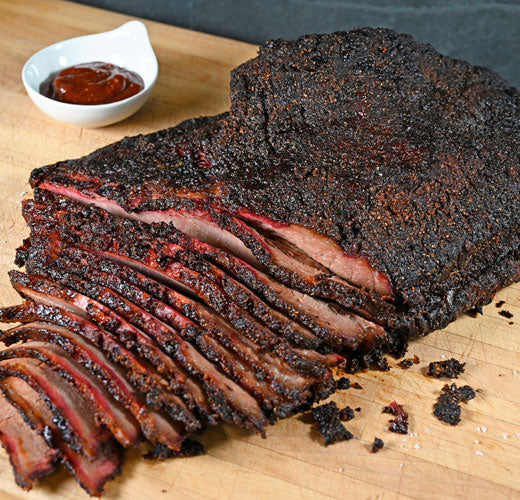
If you’ve ever wanted to master the art of smoking a brisket using a charcoal grill, you’re in the right place. Smoking a brisket might sound tricky, but with the right steps, you can create tender, flavorful meat that will impress everyone.
Imagine biting into juicy, smoky brisket made right at home, with that perfect balance of smoky aroma and rich taste. In this guide, you’ll discover simple tips and techniques to turn your charcoal grill into a smoker and achieve mouthwatering results.
Ready to become the backyard BBQ hero? Let’s dive in and make your next meal unforgettable.

Credit: www.youtube.com
Choosing The Right Brisket
Smoking a brisket on a charcoal grill needs the right cut of meat. Choosing the right brisket affects taste and tenderness.
Good brisket has a balance of fat and muscle. This helps the meat stay juicy while cooking low and slow.
Selecting The Cut
Brisket has two main parts: the flat and the point. The flat is leaner and slices well. The point has more fat and is more flavorful.
Choose a brisket that feels firm but not hard. Look for even fat covering on the surface. This fat melts during cooking and keeps the meat moist.
- The flat cut is best for neat slices.
- The point cut is richer and good for shredded meat.
- A whole packer brisket has both flat and point.
- Look for a brisket around 10 to 14 pounds for even cooking.
Understanding Grades
USDA grades show the quality of the brisket. The grade depends on fat marbling and the age of the animal.
Higher grades have more marbling, which gives better flavor and tenderness. Common grades are Prime, Choice, and Select.
- Prime:Most marbling, best for smoking.
- Choice:Good quality, less marbling.
- Select:Leaner and less tender.
Preparing The Brisket
Smoking a brisket on a charcoal grill needs careful preparation. Properly preparing the meat helps it cook evenly and taste better.
This section explains how to trim excess fat and apply seasoning to the brisket before smoking.
Trimming Excess Fat
Trim the fat cap on the brisket to about a quarter inch thick. Removing too much fat can dry out the meat.
- Use a sharp knife for clean cuts
- Remove large chunks of hard fat that won’t melt
- Keep a thin layer of fat to protect the meat
- Trim silver skin and any tough membranes
Seasoning Techniques
Seasoning adds flavor and helps form a tasty crust. Simple rubs work well on smoked brisket.
| Ingredient | Purpose |
|---|---|
| Salt | Enhances natural beef flavor |
| Black Pepper | Adds mild heat and aroma |
| Garlic Powder | Gives savory depth |
| Paprika | Provides color and sweetness |
Apply the rub evenly on all sides. Let the brisket rest at room temperature before placing it on the grill.
Setting Up The Charcoal Grill
Smoking a brisket on a charcoal grill needs careful setup. This helps keep the heat steady for many hours.
Good preparation of the charcoal and temperature control is key to a tender and tasty brisket.
Arranging Charcoal
Arrange charcoal on one side of the grill for indirect heat. This keeps the brisket away from direct flames.
Use a two-zone fire: hot coals on one side and no coals on the other. This setup helps slow cooking.
- Light charcoal and let it ash over
- Push coals to one side of the grill
- Place a drip pan on the empty side
- Put the brisket on the side without coals
Controlling Temperature
Keep the grill temperature between 225°F and 275°F. This is the best range to smoke brisket slowly.
Use the grill vents to adjust air flow. Open vents raise temperature, closed vents lower it.
- Open bottom vents to increase heat
- Close vents slightly to lower heat
- Check temperature often with a grill thermometer
- Add more charcoal if heat drops too low

Credit: themeatstick.com
Using Wood For Smoke Flavor
Smoking a brisket on a charcoal grill adds a deep, rich flavor. Wood smoke is key to getting that tasty, smoky taste.
Choosing the right wood and preparing it properly helps you get the best smoke flavor from your grill.
Selecting Wood Types
Different woods create different flavors. Some woods give a mild smoke, while others are stronger.
Here are some popular woods for smoking brisket:
- Hickory: strong, bacon-like flavor
- Mesquite: very strong, earthy taste
- Oak: medium strength, versatile
- Apple: mild and sweet smoke
- Cherry: slightly sweet and fruity
Use hardwoods only. Avoid softwoods like pine because they make bad smoke.
Soaking Wood Chips
Soaking wood chips slows down how fast they burn. This helps create steady smoke for your brisket.
To soak chips, put them in water for 30 to 60 minutes before grilling. You can also use apple juice or beer for more flavor.
- Use a bowl or bucket to soak chips
- Drain chips well before adding to coals
- Place chips on hot coals for smoke
- Replace chips as smoke fades during cooking
Cooking The Brisket
Smoking a brisket on a charcoal grill takes patience and care. The goal is to cook it slow and low for tender meat.
Start by preparing your charcoal grill to hold a steady temperature. This helps the brisket cook evenly over time.
Monitoring Temperature
Keep the grill temperature between 225°F and 250°F. This range cooks the brisket slowly and breaks down tough fibers.
Use a reliable grill thermometer to watch the heat. Check both the grill air temperature and the meat’s internal temperature.
- Place a thermometer near the coals for grill temperature
- Insert a meat probe in the thickest part of the brisket
- Adjust the vents to control airflow and heat
- Add charcoal or wood chips to maintain steady heat
Managing Cooking Time
Smoking a brisket usually takes 1 to 1.5 hours per pound. Plan for at least 8 to 12 hours total cooking time.
Start by placing the brisket fat side up on the grill. Let it cook slowly without opening the lid often.
- Maintain steady temperature for even cooking
- Check internal temperature after 6 hours
- Wrap brisket in foil when it reaches about 160°F
- Continue cooking until internal temperature hits 195°F to 205°F
- Let the brisket rest for at least 30 minutes before slicing
Wrapping The Brisket
Wrapping the brisket helps keep it moist during cooking. It also controls the bark texture and cooking speed.
Choosing the right wrap and timing can affect the final taste and tenderness of your brisket.
Foil Vs. Butcher Paper
Foil traps moisture inside the brisket. It steams the meat and makes it very tender.
Butcher paper lets the brisket breathe. It keeps the bark crisp while locking in juices.
- Foil creates a softer bark and faster cook time.
- Butcher paper keeps a firmer bark and better smoke flavor.
- Foil is good if you want very tender meat fast.
- Butcher paper is best for a balance of texture and taste.
Timing The Wrap
Wrap the brisket when it hits the “stall.” This is when the temperature stops rising.
The stall usually happens around 150°F to 170°F. Wrapping then helps push the cook along.
- Wrap too early and the bark may not form well.
- Wrap too late and the meat can dry out.
- Check the temperature often to find the right time.
- Use a probe thermometer for best results.
Resting And Slicing
After smoking a brisket in a charcoal grill, resting and slicing are key steps. They help keep the meat juicy and tender.
Proper resting allows the juices to settle. Slicing correctly shows off the brisket’s texture and flavor.
Importance Of Resting
Resting the brisket lets the juices move back inside the meat. This makes each bite moist and tasty. Cutting too soon will cause the juices to run out.
- Wrap the brisket in foil or butcher paper.
- Let it rest for at least 30 minutes.
- Keep it in a warm place or use a cooler to maintain heat.
- Longer resting times improve tenderness.
Techniques For Slicing
Slicing the brisket the right way enhances flavor and texture. Use a sharp knife and cut against the grain for tender pieces.
| Technique | Description |
| Identify the grain | Look closely to find the direction of muscle fibers. |
| Cut against the grain | Slicing perpendicular to fibers makes the meat easier to chew. |
| Use a sharp knife | Sharp blades create clean cuts without tearing the meat. |
| Slice thickness | Cut slices about ¼ inch thick for best texture. |
Troubleshooting Common Issues
Smoking a brisket on a charcoal grill can be tricky. Many cooks face problems like dry or tough meat. These issues can ruin your meal if not fixed early.
Here are some simple solutions to help you get a juicy, tender brisket every time. Follow these tips to avoid common mistakes and improve your results.
Dry Brisket Solutions
Dry brisket happens when the meat loses too much moisture during cooking. You can prevent this by controlling heat and adding moisture back.
- Keep the grill temperature steady between 225°F and 250°F to avoid drying out the meat.
- Use a water pan in the grill to add humidity during smoking.
- Wrap the brisket in foil or butcher paper halfway through cooking to lock in juices.
- Rest the brisket for at least 30 minutes after cooking to let the juices redistribute.
- Apply a thin layer of mustard or oil before seasoning to help retain moisture.
Handling Tough Brisket
Tough brisket is usually undercooked or not rested properly. Breaking down the connective tissue takes time and proper temperature.
| Problem | Cause | Solution |
| Tough texture | Low cooking temperature | Maintain 225°F-250°F during smoking |
| Chewy bites | Not enough cooking time | Cook until internal temp reaches 195°F-205°F |
| Hard to slice | Skipping resting period | Rest brisket for 30-60 minutes before slicing |
| Uneven tenderness | Inconsistent heat | Use charcoal arrangement to keep steady heat |
Serving Suggestions
Smoking a brisket in a charcoal grill creates rich flavors. Serving it right can make your meal special.
Choose sides and drinks that match the smoky taste of the brisket. This makes the meal more enjoyable.
Pairing With Sides
Simple sides work best with smoked brisket. They balance the strong, smoky flavor.
Popular sides include fresh, crunchy vegetables and creamy salads. They add texture and freshness.
- Coleslaw with a light vinegar dressing
- Baked beans with a touch of sweetness
- Grilled corn on the cob
- Potato salad with mustard or mayo
- Pickles to add a tangy bite
Beverage Pairings
Choose drinks that complement the deep flavor of smoked brisket. Both alcoholic and non-alcoholic options work well.
Cold drinks help refresh your palate between bites of rich meat.
- Dark beer like stout or porter
- Red wine with bold flavors, such as Zinfandel
- Iced tea with lemon
- Fresh lemonade
- Sparkling water with a slice of lime

Credit: www.youtube.com
Frequently Asked Questions
How Long Does It Take To Smoke A Brisket?
Smoking a brisket usually takes 1 to 1. 5 hours per pound. Maintain a steady temperature of 225-250°F for best results. Plan for 10-14 hours for an average-sized brisket to ensure tenderness and flavor.
What Type Of Charcoal Is Best For Smoking Brisket?
Natural lump charcoal is ideal for smoking brisket. It burns hotter and cleaner than briquettes. Combine it with hardwood chunks like oak or hickory for rich, smoky flavor.
How Do I Maintain Temperature In A Charcoal Grill?
Control airflow using vents to regulate temperature. Add charcoal gradually to keep heat steady. Use a digital thermometer to monitor grill and meat temperature accurately.
Should I Wrap Brisket During Smoking?
Wrapping brisket in foil or butcher paper after 5-6 hours helps retain moisture. It speeds up cooking and prevents the meat from drying out. This technique is called the “Texas crutch. ”
Conclusion
Smoking brisket on a charcoal grill takes time and patience. Keep the temperature steady and use good quality charcoal. Watch the smoke and adjust air vents for the best flavor. Don’t rush the process; slow cooking makes the meat tender.
Rest the brisket before slicing to keep it juicy. Your effort will reward you with delicious, smoky brisket every time. Try these steps on your next cookout for great results. Enjoy the simple joy of homemade smoked brisket.