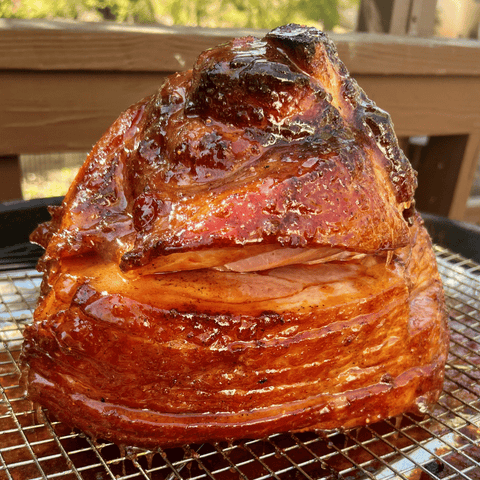
Imagine the tantalizing aroma of smoked ham wafting through the air, making your mouth water and your senses tingle. You can create this mouthwatering experience right in your own backyard with just a charcoal grill.
If you’ve ever wondered how to transform a simple piece of ham into a smoky masterpiece, you’re in the right place. In this guide, we’re diving into the art of smoking a ham on a charcoal grill, turning you into the pitmaster your friends and family will rave about.
Get ready to uncover the secrets of achieving that perfect smoky flavor and tenderness that will have everyone coming back for seconds. Whether it’s for a special occasion or just a delightful weekend cookout, mastering this skill will elevate your grilling game to new heights. Stick around and discover how easy it is to impress with every slice.
Choosing The Right Ham
Smoking a ham on a charcoal grill needs the right type of ham. Picking the right ham helps get the best flavor and texture.
There are many kinds of ham. Some work better for smoking than others. Learn how to choose the best one for your grill.
Types Of Ham Suitable For Smoking
Not all hams are good for smoking. Fresh hams and bone-in hams hold smoke flavor well. They stay juicy during the long cooking time.
Country hams are saltier and need soaking before smoking. Spiral-cut hams are often pre-cooked and may not absorb smoke well.
- Fresh ham (uncooked, bone-in or boneless)
- Bone-in ham for better flavor
- Country ham (requires prep)
- Avoid fully cooked spiral-cut hams for smoking
Fresh Vs. Pre-cooked Ham
Fresh ham is raw and needs to be fully cooked during smoking. It soaks in smoke flavor well and stays tender.
Pre-cooked ham is already cooked and only needs reheating. It will have less smoke flavor and can dry out if overcooked.
- Fresh ham: raw, more smoke flavor, needs full cooking
- Pre-cooked ham: reheated, less smoke flavor, risk of drying
Size And Cut Considerations
Choose a ham size that fits your grill and cooking time. Larger hams take longer to smoke but can feed more people.
Bone-in hams keep moisture better. Boneless hams cook faster but can dry out. Spiral cuts heat evenly but may lose smoke flavor.
| Ham Cut | Cooking Time | Flavor & Moisture |
|---|---|---|
| Bone-in | Longer | Better flavor and moisture |
| Boneless | Shorter | Less moist, faster cooking |
| Spiral-cut | Shortest | Less smoke flavor |

Credit: m.youtube.com
Preparing The Ham
Preparing your ham well makes a big difference in flavor and texture. Start with trimming and scoring to help the smoke reach inside the meat. Then, brine the ham to keep it juicy during cooking.
Finally, add dry rubs or marinades to boost the taste. Each step helps make the ham tender and tasty on your charcoal grill.
Trimming And Scoring
Begin by trimming excess fat from the ham’s surface. Leave a thin layer to keep the meat moist. Next, score the fat in a diamond pattern. This lets smoke and seasonings penetrate better.
Brining For Moisture
Brining helps the ham stay juicy while smoking. Use a saltwater solution with spices for added flavor. Submerge the ham fully and refrigerate during this process.
- Mix water, salt, and sugar in a large container.
- Add peppercorns, bay leaves, and garlic for taste.
- Place the ham in the brine, cover it completely.
- Refrigerate for 12 to 24 hours before smoking.
Applying Dry Rubs And Marinades
Dry rubs add a flavorful crust, while marinades soak into the meat. Choose spices that match your taste. Apply evenly over the ham surface before grilling.
| Dry Rub Ingredients | Marinade Ingredients |
| Paprika | Apple cider vinegar |
| Brown sugar | Olive oil |
| Garlic powder | Mustard |
| Black pepper | Honey |
| Cayenne pepper | Worcestershire sauce |
Setting Up The Charcoal Grill
Smoking a ham on a charcoal grill needs careful setup. Getting the grill ready ensures even cooking and good flavor.
Setting the right heat and choosing the right fuel are key steps. This guide helps you prepare your grill for smoking ham.
Creating Indirect Heat Zones
Indirect heat means the food cooks away from the coals. This prevents burning and cooks the ham slowly.
Arrange your charcoal on one side of the grill. Leave the other side empty for the ham.
- Light charcoal and push to one side.
- Place a drip pan under the cooking grate on the empty side.
- Put the ham on the side without coals.
- Close the grill lid to keep heat steady.
Choosing The Right Charcoal And Wood Chips
Pick charcoal that burns evenly and lasts for hours. Lump charcoal or briquettes both work well.
Use wood chips to add smoke flavor. Fruit woods like apple or cherry are mild and sweet.
- Use lump charcoal for quick heat.
- Briquettes burn longer and are steady.
- Soak wood chips in water for 30 minutes before use.
- Add chips to coals for smoke during cooking.
Maintaining Temperature Control
Keep the grill temperature between 225°F and 250°F. This low heat cooks the ham slowly.
Adjust the grill vents to control airflow and temperature. Open vents increase heat, close them to lower heat.
- Check temperature often with a grill thermometer.
- Adjust vents to keep steady heat.
- Add charcoal as needed to maintain temperature.
- Keep the grill lid closed to trap heat and smoke.

Credit: www.youtube.com
Smoking Process
Smoking a ham on a charcoal grill needs patience and care. The process adds rich flavor and tenderness to the meat.
This guide explains how to place the ham, control smoke, and check temperature for the best results.
Placing The Ham On The Grill
Set the ham away from direct heat to avoid burning. Use a drip pan under the ham to catch juices and keep the grill clean.
- Preheat the charcoal grill to a low temperature, around 225°F (107°C).
- Arrange coals to one side for indirect cooking.
- Place the ham on the grill grate opposite the coals.
- Keep the lid closed to maintain consistent heat.
Managing Smoke Levels
Smoke adds flavor but too much can make the ham bitter. Control smoke by managing wood and airflow.
| Action | Purpose | Tip |
| Add wood chips | Create smoke | Soak chips in water for 30 minutes before adding |
| Adjust vents | Control airflow and smoke intensity | Open vents for more smoke, close slightly to reduce |
| Use hardwood | Produce clean smoke flavor | Choose hickory, apple, or cherry wood |
Monitoring Internal Temperature
Check the ham’s temperature to ensure it is safe and tender. Use a reliable meat thermometer for accuracy.
- Insert the thermometer into the thickest part of the ham, avoiding bone.
- Maintain grill temperature between 225°F and 250°F.
- Smoke until the ham reaches 140°F internally for pre-cooked hams.
- Let the ham rest for 15 minutes before slicing.
Finishing Touches
Finishing your smoked ham on a charcoal grill adds extra flavor and texture. These final steps help make the ham juicy and tasty.
Pay attention to glazing, resting, and carving. These parts bring out the best in your smoked ham.
Glazing Techniques
Glazing adds a sweet, shiny coating to your ham. Apply glaze near the end of cooking to avoid burning.
Brush glaze every 10 to 15 minutes for a sticky, flavorful crust. Use a mix of honey, brown sugar, or fruit juice for glaze.
- Start glazing when ham reaches 140°F (60°C)
- Apply glaze in thin, even layers
- Turn ham if needed to coat all sides
- Watch closely to prevent burning sugar
Resting The Ham
Resting lets juices spread evenly inside the ham. After smoking, cover ham loosely with foil.
Let the ham rest for 15 to 20 minutes before cutting. This keeps the meat moist and tender.
- Remove ham from grill when done
- Cover with foil to keep warm
- Rest on a cutting board for 15–20 minutes
- Do not skip resting to avoid dry meat
Carving Tips
Carve the ham carefully for the best slices. Use a sharp knife and cut against the grain.
Thin slices work well for sandwiches. Thicker slices are great for serving as a main dish.
- Place ham on a stable cutting board
- Slice perpendicular to the grain
- Use steady, smooth cuts
- Remove any skin or fat before slicing
Common Mistakes To Avoid
Smoking a ham on a charcoal grill can be tricky. Many beginners make mistakes that affect taste and texture.
Knowing what to avoid helps you get juicy, flavorful ham every time you smoke it on charcoal.
Over-smoking And Drying Out
Too much smoke can make your ham taste bitter and harsh. It also dries out the meat.
Limit smoke exposure by using small amounts of wood chips and smoking for shorter times. Keep an eye on the ham’s moisture.
- Use mild wood like apple or cherry for smoke.
- Soak wood chips before adding to charcoal.
- Smoke only during the first half of the cooking time.
- Wrap ham in foil to keep moisture in later.
Temperature Fluctuations
Charcoal grills can change heat quickly. This makes it hard to keep a steady temperature for smoking ham.
Unstable heat can cause uneven cooking. Some parts of the ham may be overcooked while others stay raw.
- Arrange coals for indirect heat to avoid hot spots.
- Use a grill thermometer to check the temperature often.
- Add charcoal gradually to keep heat steady.
- Adjust air vents to control airflow and temperature.
Ignoring Safety Guidelines
Smoking meat requires safety steps to avoid foodborne illness and accidents. Ignoring these rules can be dangerous.
Always cook ham to a safe internal temperature and handle charcoal safely to prevent burns or fire.
- Use a meat thermometer to check ham reaches 145°F (63°C) safely.
- Keep the grill stable and away from flammable materials.
- Handle hot coals with tools and wear heat-resistant gloves.
- Never leave the grill unattended while smoking.
Serving Suggestions
Smoking a ham on a charcoal grill creates a delicious main dish. To make the meal complete, choose the right sides and drinks. Proper storage helps keep leftovers fresh and tasty.
Here are ideas for side dishes, beverages, and leftover tips to enjoy your smoked ham fully.
Side Dishes That Complement Smoked Ham
Smoked ham pairs well with sides that balance its smoky and salty flavor. Choose dishes with sweet, creamy, or tangy notes to create a nice contrast.
- Mashed potatoes with butter and herbs
- Roasted Brussels sprouts or green beans
- Sweet corn pudding or corn on the cob
- Macaroni and cheese for a creamy touch
- Coleslaw with a tangy vinegar dressing
- Fresh fruit salad to add sweetness
- Baked beans with a hint of brown sugar
Beverage Pairings
Choose drinks that balance the smoky, salty taste of ham. Both alcoholic and non-alcoholic drinks can match well with smoked ham.
- Light beers like pilsners or lagers
- Dry white wines such as Sauvignon Blanc
- Fruit-forward red wines like Pinot Noir
- Cider with a crisp apple flavor
- Lemonade or iced tea for a refreshing option
- Sparkling water with a slice of lemon
Storage And Leftover Ideas
Store smoked ham properly to keep it fresh and safe. Use leftovers creatively to reduce waste and enjoy more meals.
- Wrap ham tightly in foil or plastic wrap
- Keep in the fridge for up to 4 days
- Freeze leftovers for up to 2 months
- Make ham sandwiches with mustard and pickles
- Add chopped ham to scrambled eggs or omelets
- Use in soups, stews, or casseroles for flavor
- Dice ham and mix into pasta or salads

Credit: www.kitchenparade.com
Frequently Asked Questions
How Long Does It Take To Smoke A Ham On Charcoal?
Smoking a ham on charcoal usually takes 3 to 4 hours. Maintain a steady temperature of 225°F for best results. Use a meat thermometer to check for an internal temperature of 140°F.
What Type Of Wood Is Best For Smoking Ham?
Fruitwoods like apple, cherry, or hickory work best for smoking ham. They add a sweet, mild smoky flavor. Avoid strong woods like mesquite, which can overpower the ham’s taste.
Should I Soak Wood Chips Before Smoking Ham?
Yes, soaking wood chips in water for 30 minutes helps them smolder. This creates more smoke and less flame. It enhances the smoky flavor without burning the chips too quickly.
How Do I Maintain Charcoal Temperature While Smoking Ham?
Use the charcoal chimney starter for even heat distribution. Adjust air vents to control airflow and temperature. Add small amounts of charcoal every hour to keep consistent heat.
Conclusion
Smoking a ham on a charcoal grill brings great flavor to your meal. Keep the heat low and steady for best results. Use wood chips to add a smoky taste everyone will enjoy. Check the internal temperature often to avoid overcooking.
Let the ham rest before slicing to keep it juicy. This simple method makes your ham tender and full of flavor. Try it once, and you’ll want to do it again. Enjoy the process and the delicious food you create.