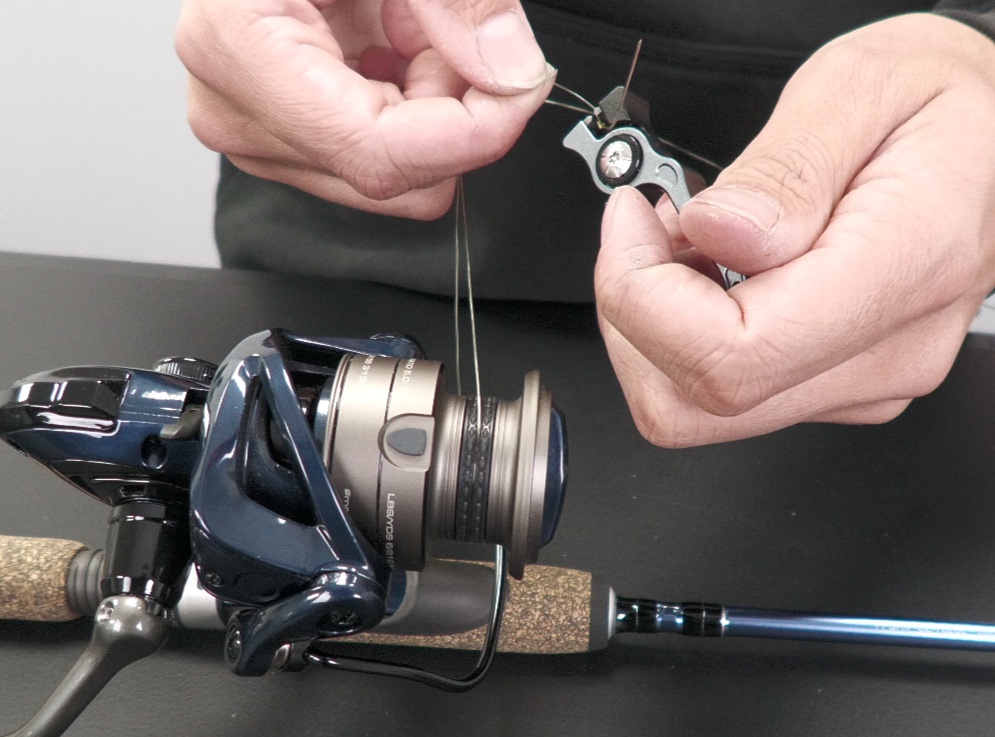
Are you ready to improve your fishing game? Learning how to spool a fishing rod correctly is one of the most important skills every angler needs.
If your line isn’t spooled right, you could face frustrating tangles, lost fish, or even broken gear. But don’t worry—this guide will walk you through simple, step-by-step instructions to get your rod ready quickly and easily. By the time you finish reading, you’ll feel confident and prepared to head out on the water with a perfectly spooled rod.
Let’s get started!

Credit: www.youtube.com
Choosing The Right Line
Choosing the right fishing line is key to a good fishing experience. The line connects you to the fish and affects your control and catch rate.
Knowing the types of fishing lines and how they match your rod and reel helps you fish better. Also, consider the conditions you will fish in.
Types Of Fishing Line
Fishing lines come in different materials and strengths. The main types are monofilament, fluorocarbon, and braided lines.
- Monofilament:A single strand of nylon. It is stretchy and easy to handle.
- Fluorocarbon:Nearly invisible underwater. It sinks faster than monofilament.
- Braided:Made of woven fibers. It has high strength and low stretch.
Matching Line To Rod And Reel
Each rod and reel has a line weight range it works best with. Using the right line weight prevents damage and improves casting.
| Rod Power | Line Weight (lbs) |
| Light | 2-6 |
| Medium | 6-12 |
| Heavy | 12-25 |
Check your reel’s specifications too. Match the line type and weight to both rod and reel for best results.
Considering Fishing Conditions
Water type, weather, and target fish affect the line choice. Choose a line that suits these conditions.
- Clear water: Use fluorocarbon for low visibility.
- Weedy areas: Use braided line for strength and resistance.
- Cold weather: Choose a line that stays flexible.
- Heavy fish: Use heavier line to avoid breaks.
Preparing The Rod And Reel
Before you spool a fishing rod, prepare both the rod and reel. This helps the line go on smoothly and prevents problems later.
Taking time to clean and check your gear ensures a better fishing experience. It also helps your equipment last longer.
Cleaning The Reel
Start by wiping the reel with a dry cloth to remove dirt and dust. Avoid using water directly on the reel to prevent damage.
If the reel is very dirty, use a small brush to clean hard-to-reach spots. This keeps the reel working smoothly.
- Use a dry or slightly damp cloth
- Brush away dirt in small parts
- Do not soak the reel in water
- Apply reel oil if needed for smoothness
Checking The Rod Guides
Look over each rod guide for cracks or damage. Damaged guides can cut or weaken your fishing line.
Run your finger gently through each guide to feel for rough spots. Smooth guides help the line spool evenly.
- Inspect all guides from the handle to the tip
- Check for cracks, bends, or corrosion
- Feel for sharp edges or rough areas
- Replace damaged guides before spooling
Attaching The Reel To The Rod
Align the reel seat on the rod with the reel foot. Slide the reel foot into the reel seat firmly but gently.
Tighten the reel seat ring to secure the reel in place. Make sure it does not move or wobble when you hold it.
- Place the reel foot in the rod’s reel seat
- Push the reel foot until it fits snugly
- Turn the reel seat ring to tighten
- Check that the reel is stable and secure
Attaching The Line To The Reel
Spooling a fishing rod starts by attaching the line to the reel. This step is key to prevent tangles and ensure smooth casting.
Take time to secure the line properly. It will help the line stay tight and last longer on your reel.
Selecting The Starting Point
Find the center of the reel spool to attach your line. This spot holds the line steady during spooling.
Make sure the spool is clean and free of dirt. It will keep the line from slipping off.
Tying The Arbor Knot
Use an arbor knot to tie the line to the reel spool. It is strong and easy to tie.
Wrap the line around the spool, then tie the knot. Pull tight to secure it firmly.
- Wrap the line around the spool
- Tie an overhand knot around the main line
- Tie a second overhand knot at the tag end
- Pull both knots tight against the spool
- Trim the tag end close to the knot
Securing The Line
Hold the line tight while winding it onto the spool. This keeps the line from loosening.
Use your fingers or a cloth to add gentle tension. Wind the line evenly across the spool.
- Keep steady tension on the line
- Wind slowly and evenly
- Fill the spool to about 1/8 inch from the edge
- Check often for twists or loops
Spooling The Line Properly
Spooling a fishing rod means putting the fishing line on the reel. Doing this right helps you fish better and avoid problems.
We will cover three important parts: keeping the line tight, winding it evenly, and filling the spool the right way.
Maintaining Line Tension
Keep the fishing line tight while you spool it. Loose line can cause tangles and knots.
You can hold the line with your fingers or use a cloth to keep some pressure. This helps the line wrap smoothly.
- Hold the line firmly but do not pull too hard
- Keep steady tension as you wind
- Check tension often to avoid slack
Winding The Line Evenly
Wrap the line evenly across the spool. This prevents bunches that can cause problems when casting.
Move the line back and forth to cover the whole spool surface. Try to layer the line close together without gaps.
- Start winding slowly to control placement
- Use your finger to guide the line side to side
- Keep the line flat and neat on the spool
Filling The Spool Correctly
Fill the spool up to the right level. Too much line can cause tangles, too little limits your casting distance.
Leave a small gap from the spool edge. This space helps the line come off smoothly during fishing.
- Fill the spool to about 1/8 inch below the edge
- Check the line level as you wind
- Stop filling if the line feels tight or crowded
Finishing Touches
Spooling your fishing rod correctly is important for a smooth fishing experience. The finishing touches help ensure the line stays secure and works well.
Pay close attention to the last steps. They prevent problems when you cast or reel in your catch.
Cutting The Line
Cut the line carefully after spooling. Use sharp scissors or line cutters for a clean cut.
Leave a small tag end, about an inch long, to tie knots easily. A clean cut helps the knots hold better.
Threading The Line Through Guides
Run the fishing line through each guide on the rod. Start at the tip and move toward the reel.
Make sure the line passes smoothly without any twists or snags. This helps your casting stay accurate and smooth.
Checking For Twists And Tangles
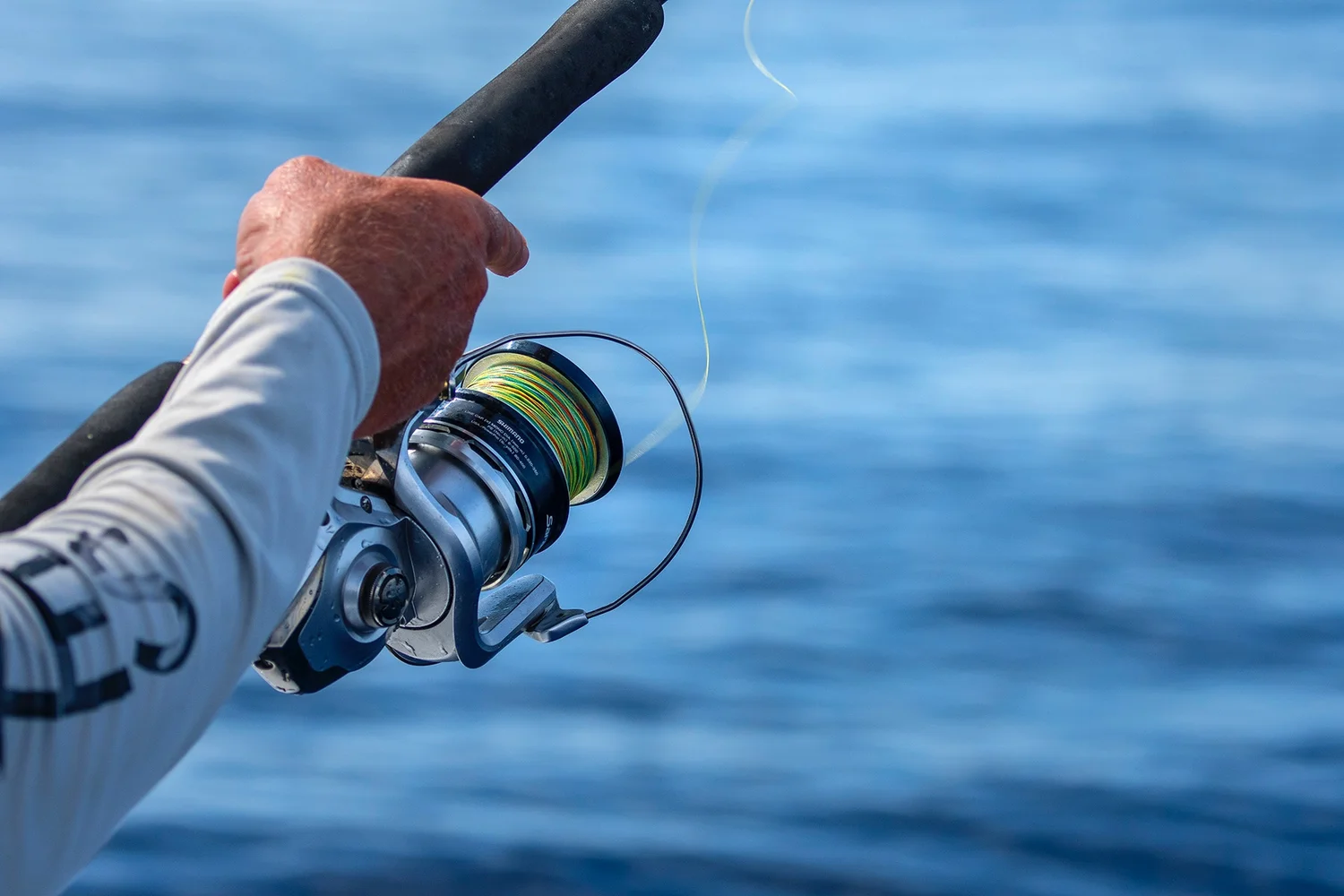
Look over the line for any twists or tangles after spooling. Twisted line can cause casting problems.
To check, hold the rod and let the line hang freely. If it spins or loops, fix it before fishing.
- Unwind the line and rewind carefully to remove twists
- Keep the spool tight during spooling to prevent tangles
- Use swivel connectors to reduce line twist in some cases
Credit: intothebluefishing.com
Common Mistakes To Avoid
Spooling a fishing rod seems easy but many anglers make simple errors. These mistakes affect your fishing experience and can cause line problems.
Knowing what to avoid helps you spool your rod properly. This guide covers common errors and how to prevent them.
Overfilling The Spool
Putting too much line on the spool causes tangles and bird nests. It also makes casting harder and can damage the reel.
- Leave about 1/8 inch of space from the spool edge.
- Do not fill the spool to the brim.
- Check the reel manual for recommended line capacity.
Ignoring Line Twist
Line twist causes loops and knots, leading to casting problems and breaks. Twists happen when the line is reeled improperly or spooled loosely.
| Cause of Line Twist | How to Avoid |
|---|---|
| Spooling with loose tension | Keep steady tension while spooling |
| Not using a swivel | Attach a swivel to prevent twisting |
| Reeling against line direction | Reel in the same direction as the line |
Using Wrong Line Type
Choosing the wrong fishing line affects casting distance and strength. Some lines do not fit certain reels or fishing styles.
- Match line type with your reel and rod.
- Use monofilament for beginners and light fishing.
- Choose braided line for strength and sensitivity.
- Pick fluorocarbon for invisibility under water.
- Read the reel’s line recommendations carefully.

Credit: windrider.com
Frequently Asked Questions
How Do You Start Spooling A Fishing Rod?
Begin by attaching the reel to the rod. Thread the line through the rod’s guides. Tie the line to the reel spool using an arbor knot. Ensure the line comes off the filler spool in the same direction the reel turns.
This prevents twists and ensures smooth spooling.
What Type Of Line Is Best For Spooling?
Monofilament, fluorocarbon, and braided lines are popular choices. Monofilament is versatile and easy to handle. Fluorocarbon is nearly invisible underwater. Braided line offers high strength and durability. Choose based on your fishing conditions and target species to optimize performance and results.
How Tight Should The Line Be On The Spool?
The line should be tight but not overly tight. Maintain slight tension to prevent tangles and twists. Ensure the line lies evenly on the spool without overlapping. This method allows for smooth casting and reduces the risk of line damage or knots during fishing.
Can I Spool A Reel Without Help?
Yes, you can spool a reel solo. Use a spooling station or a pencil through the filler spool. Hold the pencil ends to maintain tension. Alternatively, ask someone to assist by holding the spool. This ensures the line is evenly and tightly wound onto the reel.
Conclusion
Spooling a fishing rod is a simple skill anyone can learn. Take your time and follow the steps carefully. Use the right line and keep it tight while spooling. This helps prevent tangles and improves your fishing experience. Practice makes perfect, so don’t worry if it feels tricky at first.
Soon, you will feel confident and ready to enjoy fishing more. Remember, good preparation leads to better fishing trips. Keep your gear ready and enjoy every moment by the water.