If you want to catch more fish, starting with the right setup is key. One of the most important steps is spooling your fishing line correctly on your spinning reel.
It might seem simple, but doing it wrong can lead to tangles, line breaks, or lost fish. This guide will show you exactly how to spool your line the right way, so you can fish with confidence and enjoy every moment on the water.
Keep reading, and you’ll learn easy steps that save you time and frustration every time you head out.
Tools And Materials Needed
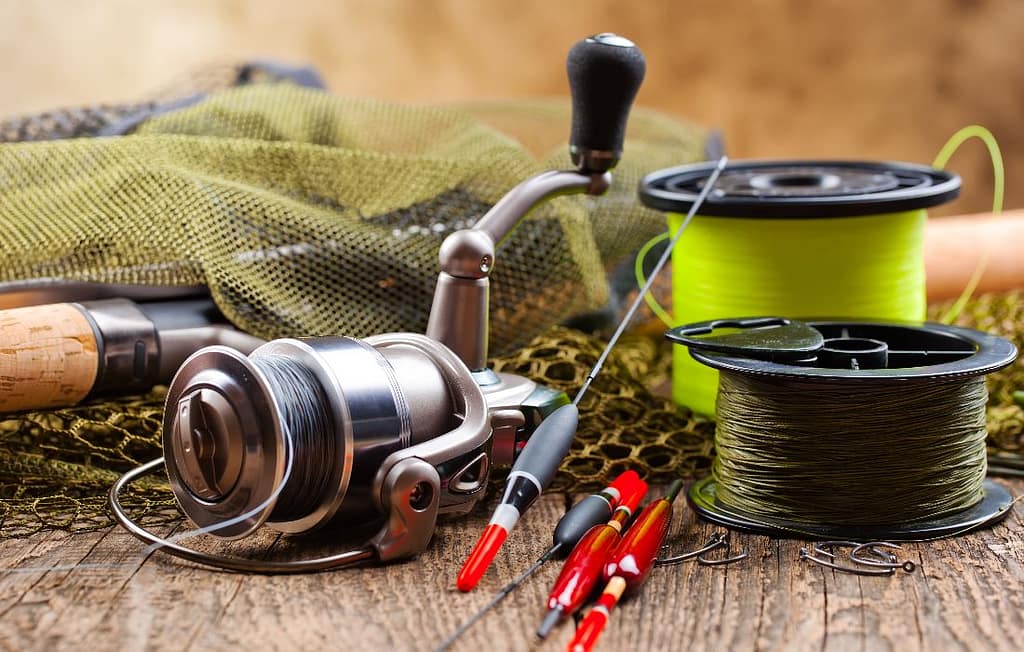
Spooling fishing line on a spinning reel requires the right tools and materials. Having everything ready makes the process smooth and easy.
Use quality items to avoid problems like tangles and line twists. Here is what you need before you start spooling.
Fishing Line
Choose the correct type and strength of fishing line for your needs. Common types include monofilament, fluorocarbon, and braided lines.
Spinning Reel
A spinning reel is designed to hold and release the fishing line. Make sure your reel is clean and in good working order before spooling.
Rod
A fishing rod helps guide the line onto the reel evenly. Attach the reel securely to the rod to prevent slipping during spooling.
Scissors Or Line Cutter
You will need scissors or a line cutter to trim excess line after spooling. A sharp tool ensures a clean cut without fraying.
Line Spooling Station Or Helper
Using a line spooling station or a friend to hold the spool steady helps keep line tension even. This reduces twists and tangles.
Optional: Pencil Or Rod For Holding Spool
If you do not have a spooling station, insert a pencil or small rod through the spool’s center hole. This makes it easier to hold and spin the spool.
- Fishing line (type and strength suited to your fishing)
- Spinning reel in good condition
- Fishing rod to mount reel
- Sharp scissors or line cutter
- Line spooling station or assistant
- Optional: pencil or rod to hold spool
Credit: letsgobassfishing.com
Preparing The Spinning Reel
Spooling fishing line on a spinning reel needs careful preparation. Proper setup helps avoid tangles and line twists.
Before adding new line, check the reel and remove any old line. This makes the process smooth and effective.
Remove Old Line
Start by taking off the old fishing line from your reel. Old line can be weak or damaged, affecting your fishing experience.
Cut the line near the spool and carefully pull it off. Remove all line pieces to prevent tangles with the new line.
- Cut the line close to the spool with scissors or a knife
- Slowly unwind the line from the spool
- Dispose of the old line properly
- Check for any leftover bits on the spool
Check Reel Condition
Before spooling, inspect the spinning reel for any damage. A well-maintained reel works better and lasts longer.
Look for cracks, rust, or worn parts. Test the reel handle and drag system to make sure they move smoothly.
- Check the spool for dents or damage
- Turn the handle to see if it rotates easily
- Test the drag system by adjusting it
- Clean any dirt or debris from the reel
Choosing The Right Fishing Line
Picking the right fishing line is key to a good fishing trip. The line affects casting, hook setting, and catching fish.
Different types of fishing lines work best for different fish and water conditions. Choose carefully to match your needs.
Types Of Fishing Line
There are three main types of fishing line: monofilament, fluorocarbon, and braided. Each has special features.
Monofilament is stretchy and easy to handle. Fluorocarbon is nearly invisible underwater. Braided line is very strong and thin.
- Monofilament:Good for beginners and general use
- Fluorocarbon:Best for clear water and shy fish
- Braided:Ideal for heavy cover and long casts
Line Strength And Length
Choose line strength based on the fish size you want to catch. Strength is measured in pounds (lb).
Length depends on your reel size and fishing style. More line helps with long casts and big fish fights.
- Light lines (2-6 lb) for small fish and light tackle
- Medium lines (8-15 lb) for most freshwater fishing
- Heavy lines (20+ lb) for big fish and saltwater use
- Fill your reel about 75-90% full to avoid tangles

Credit: windrider.com
Attaching The Line To The Reel
Attaching fishing line to a spinning reel is key for smooth casting. Doing it right helps avoid tangles and line slips.
This guide covers how to tie the arbor knot and secure the line properly on your reel.
Tie The Arbor Knot
The arbor knot holds the line firmly on the reel spool. It is simple and strong.
- Pass the line around the spool of the reel.
- Tie an overhand knot around the main line to form a loop.
- Tie a second overhand knot on the tag end.
- Pull both knots tight against the spool.
- Trim the excess tag end close to the knot.
Secure The Line
After tying the arbor knot, you need to secure the line to prevent slipping.
| Action | Purpose |
|---|---|
| Keep tension on the line | Ensures the line wraps tightly on the spool |
| Wind line slowly onto the spool | Prevents loose coils and line tangles |
| Check for line overlap | Keeps the line neat and ready for casting |
| Fill spool evenly | Maximizes line capacity and smooth retrieval |
Spooling The Line
Spooling the fishing line on your spinning reel is an important task. It helps your fishing line stay strong and work well.
Correct spooling prevents tangles and line damage. This guide shows you how to spool the line properly.
Set Line Tension
Keep the line tight while spooling to avoid loose coils. Loose line can cause tangles and reduce casting distance.
Hold the line between your fingers or use a cloth to add tension. This control helps the line wind tightly on the spool.
- Apply steady pressure on the line
- Keep tension consistent throughout
- Avoid letting the line go slack
Wind Line Evenly
Wind the line evenly across the spool. This creates a smooth layer that helps the line flow off easily when casting.
Move the line guide back and forth slowly to spread the line. Do not let the line bunch up in one spot.
- Turn the reel handle steadily
- Guide line from one side to the other
- Check for uneven spots and fix them

Credit: fishingkayakpro.com
Finishing The Spooling Process
After winding the fishing line onto your spinning reel, you need to finish the spooling process properly. This ensures the line stays secure and works well during fishing.
Taking the right steps to finish will help you avoid problems like loose line or tangles. Let’s look at what to do next.
Cut Excess Line
Once the line is tightly spooled, use sharp scissors or a line cutter to trim the extra line. Leave a small length to tie on your lure or hook.
Cutting the excess line cleanly prevents it from catching on weeds or gear. It also keeps your reel neat.
Test The Line
After trimming, pull the line gently to check if it is secure on the spool. Make sure it does not slip or loosen.
Cast a few practice casts to see if the line flows smoothly from the reel. This helps spot any problems early.
- Check for tightness on the spool
- Look for smooth line release when casting
- Listen for unusual noises from the reel
- Make sure the line is evenly wound
Tips For Maintaining Your Spinning Reel
Taking care of your spinning reel helps it last longer. Good maintenance keeps it working smoothly.
Simple steps can protect your reel from damage and wear. Regular care saves money on repairs.
Regular Cleaning
Clean your spinning reel after every fishing trip. Salt, dirt, and water can cause rust and damage.
Use a soft cloth to wipe the reel. Rinse lightly with fresh water if you fished in saltwater.
- Dry the reel completely before storing
- Use a small brush to clean hard-to-reach areas
- Apply reel oil to moving parts to reduce friction
- Avoid strong sprays of water that push dirt inside
Proper Storage
Store your spinning reel in a cool, dry place. Avoid places with high humidity or direct sunlight.
Keep the reel loose on the spool to prevent line tension. Cover it to protect from dust and damage.
- Loosen the drag before storing
- Use a reel cover or cloth wrap
- Keep the reel away from chemicals or heat sources
- Check the reel regularly even when not in use
Frequently Asked Questions
How Do I Spool Fishing Line On A Spinning Reel?
To spool fishing line, first attach the reel to your rod. Tie the line to the spool, then wind it evenly. Keep tension on the line to prevent twists and tangles. Fill the spool to about 1/8 inch from the edge.
What Type Of Line Is Best For Spinning Reels?
Monofilament and braided lines work well on spinning reels. Monofilament is flexible and easy to handle. Braided line offers high strength and low stretch. Choose based on your fishing needs and reel capacity.
How Much Fishing Line Should I Put On The Reel?
Fill the spool to about 1/8 inch below the spool’s lip. This prevents overfilling and reduces line tangles. Proper line capacity ensures smooth casting and better performance.
How Do I Avoid Line Twists When Spooling?
Keep steady tension while winding the line onto the spool. Use a line conditioner or wet the line slightly. Ensure the line feeds off the spool in the same direction it spools onto the reel.
Conclusion
Spooling fishing line on a spinning reel is simple. Follow the steps carefully. Start by choosing the right line. Attach it to the reel spool tightly. Keep tension on the line as you spool it. This prevents tangles. Fill the spool without overloading it.
Test the reel after spooling to ensure smooth casting. Proper spooling improves fishing success. Enjoy your next fishing trip with confidence. You’re now ready to catch more fish. Happy fishing adventures await!