
Are you struggling to save space in your laundry area? Stacking your washer and dryer might be the perfect solution.
It frees up room, keeps your appliances organized, and makes laundry day easier. But how do you do it safely and correctly? In this guide, you’ll discover simple, step-by-step instructions to stack your washer and dryer without hassle. Keep reading to transform your laundry space and make your chores more efficient!
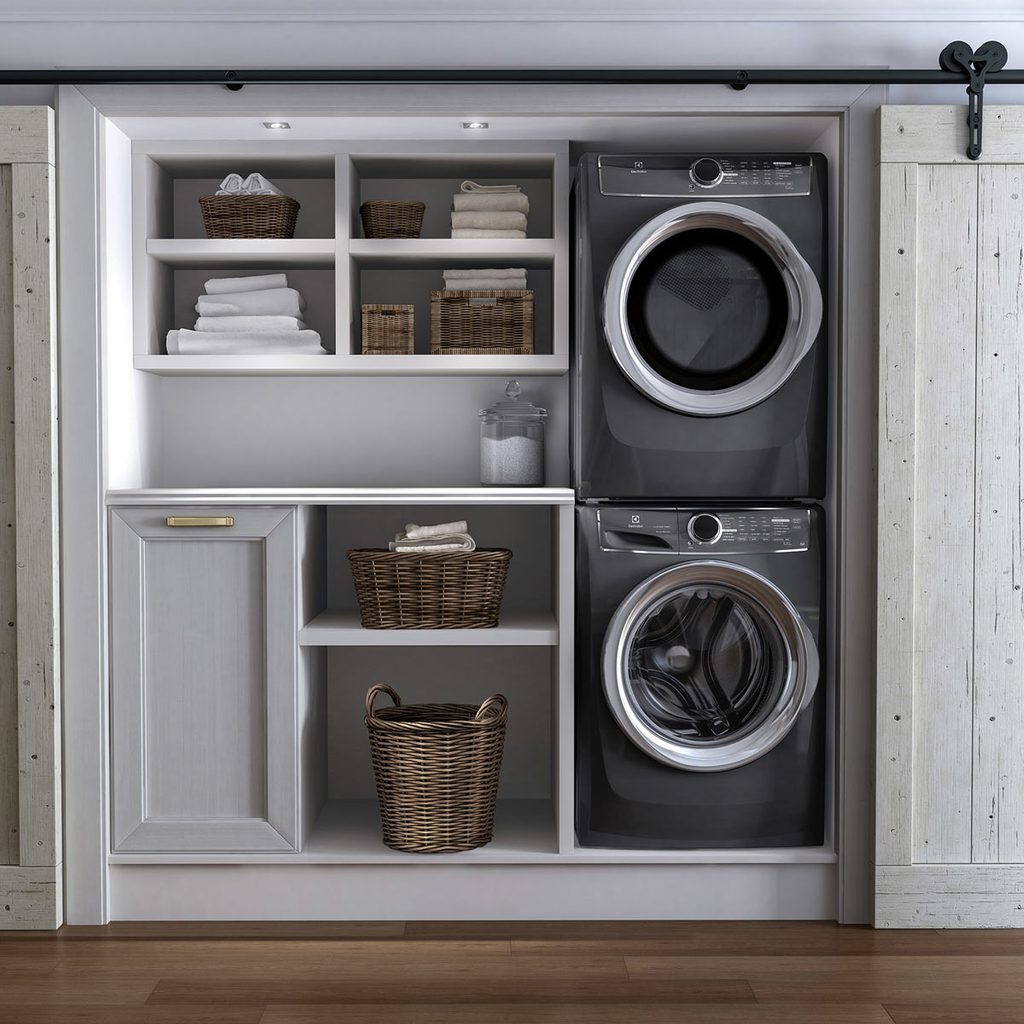
Credit: www.familyhandyman.com
Benefits Of Stacking Washer And Dryer
Stacking your washer and dryer saves space and adds convenience. It is a smart way to set up a laundry area in small homes.
This setup helps keep your laundry room neat and can improve its look. Many people choose this method to make their chores easier.
Maximizing Small Spaces
Stacking the washer and dryer uses vertical space. This frees up floor space for other needs or storage.
- Fits into tight corners
- Leaves room for shelves or cabinets
- Works well in apartments or small homes
Improved Laundry Room Organization
Stacking helps keep laundry tools and supplies organized. It makes the room look tidy and easy to use.
| Benefit | How It Helps |
| Better use of space | More room for baskets and detergents |
| Easy access | Reach washer and dryer controls quickly |
| Neat appearance | Fewer cluttered surfaces |
Enhanced Aesthetic Appeal
Stacked units create a clean and modern look. They fit well with different home designs and styles.
Tips for a stylish laundry space:
- Choose matching washer and dryer models
- Use matching storage bins and baskets
- Keep the area well-lit and clutter-free
Choosing The Right Washer And Dryer
Stacking a washer and dryer saves space in small laundry rooms. Picking the right models is important for safety and efficiency.
You need to check if the washer and dryer can be stacked and if they fit your laundry space well.
Compatible Models For Stacking
Not all washers and dryers are made to stack. Look for models labeled as stackable or designed for stacking.
Front-loading washers and dryers usually stack better than top-loading ones. Check the manufacturer’s guide for stacking kits.
- Choose front-load washer and dryer models.
- Use stacking kits made by the manufacturer.
- Confirm the models match or are compatible.
- Check for secure locking features in stacking kits.
Size And Capacity Considerations
Measure your laundry area before buying. The units must fit the space when stacked.
| Washer/Dryer Size | Typical Dimensions (inches) | Note |
| Compact | 24 W x 27 D x 33 H | Good for small spaces |
| Standard | 27 W x 30 D x 38 H | Larger capacity but needs more space |
| Capacity | 3.5 to 5.0 cu ft | Choose based on laundry load size |
Choose capacity based on your household size. A bigger capacity means fewer loads but more space.
Energy Efficiency And Features
Look for energy-efficient models to save on utility bills. Check for Energy Star labels.
- Energy Star certified washers use less water and power.
- Dryers with moisture sensors stop drying when clothes are dry.
- Look for models with multiple wash and dry cycles.
- Consider features like quick wash or steam options.
Essential Tools And Accessories
Stacking a washer and dryer saves space in your laundry area. Using the right tools and accessories makes the job easier and safer.
Before you start, gather all necessary items. This guide covers key parts to help you stack your units correctly.
Stacking Kits And Brackets
Stacking kits keep your washer and dryer securely together. Brackets hold the dryer above the washer to prevent shifting during use.
- Check the kit fits your models
- Includes brackets and screws
- Often has a spacer for height adjustment
- Instructions guide proper installation
Safety Straps And Supports
Safety straps add extra security to stacked units. They prevent the dryer from tipping or falling if bumped.
| Accessory | Purpose |
| Safety Strap | Keeps dryer stable |
| Support Bracket | Provides extra holding strength |
| Anti-slip Pads | Reduce movement between units |
Basic Tools Needed
Use basic tools to install your stacking kit and safety accessories. These tools help ensure a proper fit and secure setup.
- Screwdriver (Phillips and flathead)
- Adjustable wrench
- Drill with drill bits
- Measuring tape
- Level tool
- Socket set
Preparing The Laundry Area
Preparing your laundry area is important before stacking a washer and dryer. A well-organized space ensures safety and efficiency.
Follow these guidelines to make sure your laundry area is ready for your washer and dryer.
Measuring Space Accurately
Measure the space where you plan to stack your washer and dryer. Accurate measurements prevent installation issues.
- Measure the height, width, and depth of the space.
- Ensure there’s extra space for the door to open fully.
- Check ceiling height for enough clearance.
Ensuring Proper Ventilation
Ventilation is crucial for maintaining the efficiency of your appliances. It helps prevent overheating and moisture buildup.
Checking Electrical And Plumbing Setup
Check the electrical outlets and plumbing connections. Correct setup prevents potential issues with your appliances.
| Requirement | Details |
| Electrical Outlet | Ensure it’s within reach and has the correct voltage. |
| Water Connection | Make sure it’s leak-free and easily accessible. |
| Drainage | Confirm there’s an appropriate drain nearby. |
Step-by-step Stacking Process
Stacking a washer and dryer saves space in your laundry area. It also makes your machines easier to access.
This guide will show you how to stack your washer and dryer safely. Follow each step carefully for the best results.
Positioning The Washer
Place the washer on a flat, level surface. Make sure the floor can hold the machine’s weight.
Leave enough space around the washer for water and power connections. Check that the machine is stable and does not wobble.
- Choose a sturdy, level floor
- Keep space for hoses and cords
- Check stability before stacking
Securing The Dryer On Top
Place the dryer on top of the washer carefully. Use a stacking kit to hold the dryer in place.
The stacking kit usually has brackets and screws. Follow the kit instructions to attach the dryer securely.
- Align dryer with washer edges
- Use a stacking kit for safety
- Tighten all screws and brackets
- Double-check the dryer does not move
Connecting Power And Ventilation
Plug in the washer and dryer to separate power outlets. Avoid using extension cords for safety.
Connect the dryer vent to an outside vent. This removes hot air and moisture safely from your home.
- Use dedicated power outlets
- Secure dryer vent to outside vent
- Check all connections are tight
- Test machines after setup

Credit: www.reddit.com
Safety Tips And Precautions
Stacking a washer and dryer saves space in your laundry area. It is important to do it safely to avoid accidents.
Follow safety tips to keep your machines steady and working well. Proper stacking also protects your home.
Weight Distribution
Make sure the washer is on the bottom because it is heavier. The dryer goes on top since it is lighter.
Check the stacking kit instructions to place the weight evenly. Uneven weight can cause the stack to fall.
- Place the washer on a flat, strong surface
- Use the correct stacking kit for your models
- Do not stack if either machine is too heavy or unstable
Preventing Vibration And Noise
Vibration can make the stack shake and cause noise. It can also damage the machines over time.
Use anti-vibration pads or mats under the washer. Check that the machines are level and secure.
- Level the washer using adjustable feet
- Place rubber pads under the washer’s feet
- Tighten all stacking kit screws firmly
- Do not overload the washer or dryer
Regular Maintenance Checks
Inspect the stacked units often to keep them safe. Look for loose parts or signs of wear.
Clean lint filters and check hoses to prevent leaks or fire risks. Fix problems early to avoid bigger damage.
- Check stacking kit bolts and brackets monthly
- Clean dryer lint filter after every use
- Inspect water hoses for cracks or leaks
- Run machines on empty once in a while to test stability
Troubleshooting Common Issues
Stacking a washer and dryer can save space. Sometimes, issues arise that need fixing. Learn how to solve common problems with stacked units.
These solutions will help your washer and dryer work better together. Read on to learn more about alignment, stability, and efficiency problems.
Alignment Problems
Misalignment can make your washer and dryer less efficient. Check the alignment if your appliances make noise or vibrate a lot.
Make sure the washer is level before stacking the dryer. Use a spirit level to check. Adjust the feet if needed.
- Place the washer on a flat surface.
- Use a spirit level to check alignment.
- Adjust the feet until the washer is level.
Unstable Stacks
Unstable stacks can cause the dryer to fall off. This is dangerous and can damage your appliances.
Use a stacking kit to secure the dryer. Kits are made specifically for your washer and dryer models.
- Purchase the correct stacking kit.
- Follow the instructions carefully.
- Ensure the kit is tightly secured.
Ventilation And Drying Efficiency
Good ventilation helps your dryer work efficiently. Poor ventilation makes drying take longer and uses more energy.
Check the vent hose for kinks or blockages. Clean the lint filter after every load to improve airflow.
- Inspect the vent hose regularly.
- Remove any kinks or blockages.
- Clean the lint filter every time you use the dryer.
Alternative Space-saving Laundry Solutions
Many homes face a lack of laundry space. Finding smart solutions can help save room.
Stacking a washer and dryer is one option. There are other ways to keep laundry areas small.
Compact Washer-dryer Combos
Compact washer-dryer combos combine both functions in one unit. They save floor space and fit in small areas.
These machines wash and dry clothes without needing separate appliances. They work well in apartments or tiny homes.
Wall-mounted Dryers
Wall-mounted dryers hang above washers or other spots. This frees up floor space below.
They are lightweight and easy to install. Wall-mounted dryers suit small laundry rooms or closets.
- Use a sturdy wall for support
- Check dryer size to fit space
- Keep installation near power and venting
Foldable Laundry Units
Foldable laundry units fold away when not in use. This design saves room in tight spaces.
These units often include a washer, dryer, and folding table. They work well in multi-use rooms.
- Set up only when needed
- Store easily after use
- Good for small apartments and RVs
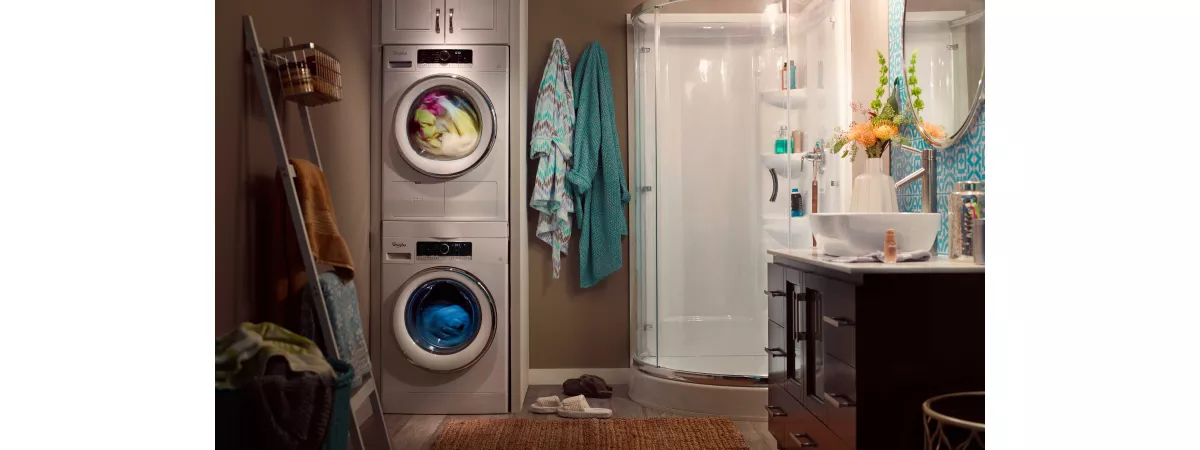
Credit: www.whirlpool.ca
Frequently Asked Questions
How Do You Safely Stack A Washer And Dryer?
Use a stacking kit designed for your models. Securely attach the dryer on top of the washer. Ensure both units are level and stable before use to prevent tipping or damage.
Can Any Washer And Dryer Be Stacked Together?
No, not all washers and dryers are stackable. Check manufacturer guidelines for compatibility. Front-loading models are typically designed for stacking, while top-loaders are not.
What Tools Are Needed To Stack A Washer And Dryer?
You typically need a stacking kit, a screwdriver, and possibly a wrench. The kit includes brackets and screws to securely fasten the dryer on top.
Is Stacking A Washer And Dryer Space-efficient?
Yes, stacking saves significant floor space in laundry areas. It allows for better organization, especially in small homes or apartments where space is limited.
Conclusion
Stacking a washer and dryer saves space in small homes. It keeps laundry areas neat and organized. Follow the steps carefully to ensure safety and stability. Use the right stacking kit for your models. Check connections to avoid leaks or damage.
With proper setup, laundry becomes easier and faster. Enjoy more room and a tidy laundry space. Simple changes make a big difference at home.