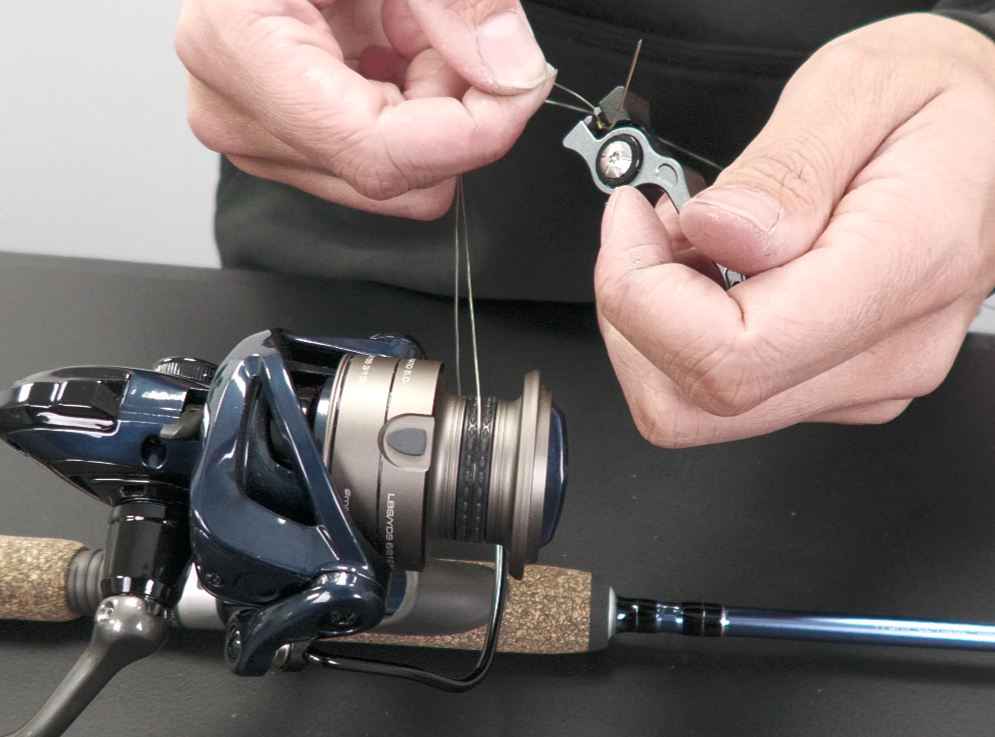
If you love fishing, you know that starting the line on your fishing reel the right way can make all the difference. But if you’ve ever struggled with tangled lines or poor casting, you’re not alone.
Getting this step right sets you up for a smooth and successful fishing trip. In this guide, you’ll learn simple, clear steps to start your fishing reel line quickly and correctly. Keep reading, and you’ll be ready to cast with confidence every time you head out to the water.
Choosing The Right Line
Choosing the right fishing line is important for a good fishing experience. The right line helps you catch fish and protects your gear.
This guide explains key points to consider when picking a fishing line. It covers types, strength, and matching line to your reel and rod.
Types Of Fishing Lines
There are three main types of fishing lines. Each type has different uses and features.
- Monofilament:Flexible and easy to handle. Good for beginners.
- Fluorocarbon:Hard to see underwater. Works well in clear water.
- Braid:Very strong and thin. Good for heavy cover fishing.
Line Strength And Diameter
Line strength shows how much weight the line can hold before breaking. Diameter affects how the line moves through water and gear.
| Line Type | Strength Range (lbs) | Diameter Range (inches) |
| Monofilament | 4 to 30 | 0.008 to 0.035 |
| Fluorocarbon | 6 to 20 | 0.010 to 0.030 |
| Braid | 10 to 80 | 0.005 to 0.020 |
Matching Line To Reel And Rod
Match the fishing line to your reel and rod for best performance. Use line strength that fits the rod’s rating.
- Check the reel’s line capacity and choose line within that limit.
- Use lighter lines for light rods and heavier lines for strong rods.
- Consider fishing conditions like water type and fish size.

Credit: www.youtube.com
Preparing The Reel
Starting the fishing line on your reel needs some preparation. Proper setup helps you fish without problems.
Taking time to prepare the reel keeps it working well. It also makes your fishing easier and more fun.
Cleaning And Inspecting The Reel
Before adding line, clean your reel to remove dirt and salt. Dirt can cause the reel to jam or wear out.
Check the reel parts for damage. Look for cracks, rust, or loose screws that need fixing.
- Wipe the reel with a soft cloth
- Use mild soap and water if very dirty
- Check the handle and knobs for smooth turning
- Inspect the bail arm and line roller
- Tighten any loose screws carefully
Opening The Spool
Open the spool to prepare it for the fishing line. This gives you space to wind the line properly.
Most reels have a knob or button to unlock the spool. Turn or press it to open the spool safely.
- Hold the reel firmly
- Turn the spool knob counterclockwise
- Remove the spool gently from the reel body
- Keep the parts in a clean place
Setting The Drag System
The drag system controls how much line pulls off the reel. Set it correctly to avoid line breaks.
Adjust the drag by turning the drag knob. Test it by pulling the line with your hand.
- Turn the knob clockwise to increase drag
- Turn it counterclockwise to decrease drag
- Set drag tight enough to hold fish but loose enough to prevent breakage
- Test the drag before fishing each time
Attaching The Line
Attaching the fishing line to the reel spool is the first step in setting up your fishing gear. It ensures the line stays secure and unwinds smoothly.
Two key tasks are tying the arbor knot and securing the line to the spool. Each step helps keep your line stable during casting and reeling.
Tying The Arbor Knot
The arbor knot fastens the fishing line to the reel spool’s center. It is simple and holds tight under pressure.
- Pass the line around the spool’s arbor.
- Tie an overhand knot around the standing line.
- Make a second overhand knot in the tag end.
- Pull both knots tight against the spool.
- Trim the tag end close to the knot.
Securing The Line To The Spool
After tying the arbor knot, wind the line evenly on the spool. Keep tension on the line to avoid loose loops.
| Action | Tip |
| Start winding the line | Turn the reel slowly and keep line tight |
| Check for loose loops | Stop and fix any slack line |
| Fill the spool | Leave 1/8 inch from the spool lip |
| Secure the line end | Use the reel’s line clip or tie a small loop |

Credit: www.youtube.com
Spooling The Line
Spooling the line on a fishing reel is a key step to prepare for fishing. It helps you cast smoothly and catch fish more easily.
Using the right method to spool the line keeps it strong and avoids problems while fishing.
Maintaining Proper Tension
Keep the fishing line tight as you spool it to stop loose loops. Loose line can cause tangles and knots during casting.
Use your fingers or a cloth to hold the line with gentle pressure. This helps the line wrap evenly on the spool.
Filling The Spool Correctly
Fill the spool so the line sits just below the spool’s edge. Too little line lowers casting distance. Too much can cause tangles.
- Start by tying the line to the spool.
- Hold the line tight to keep tension.
- Wind the line evenly across the spool.
- Stop when the line is near the spool edge.
Avoiding Line Twist And Overfill
| Problem | Cause | Solution |
|---|---|---|
| Line Twist | Loose tension or spinning lure | Keep tension and use swivel |
| Overfill | Too much line on spool | Stop spooling before line reaches edge |
| Line Tangles | Overfill or uneven winding | Fill spool evenly and correctly |
Check the line for twists while spooling. Fix twists by unrolling the line or using a swivel.
Final Checks
After spooling your fishing reel with line, it is important to do some final checks. These checks help ensure the line works well and lasts longer.
Doing these checks prepares you for a smooth fishing experience. It also helps prevent problems while casting or reeling in fish.
Testing Line Smoothness
Run the line through your fingers to feel its smoothness. The line should move easily without catching or rough spots.
If the line feels rough, it may cause tangles or break easily. Smooth line helps your casts fly farther and reduces snags.
Trimming Excess Line
Cut off any extra line that sticks out past the reel spool. Too much line can cause tangles and make casting harder.
- Use sharp scissors or a line cutter
- Leave a small amount of line for tying knots
- Trim carefully to avoid damaging the line
Preparing For Casting
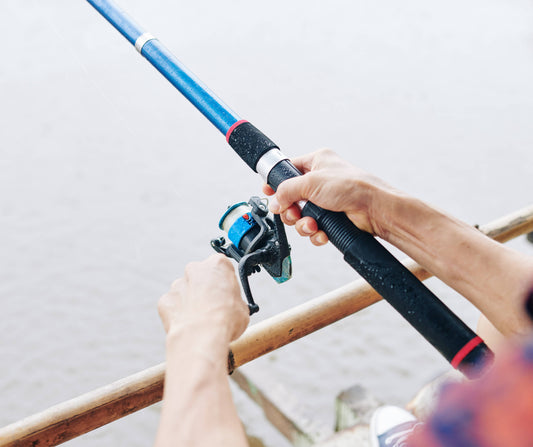
Make sure the line is tight and properly seated on the spool. Loose line can cause backlashes and bird nests.
Check the drag system to ensure it works smoothly. Adjust the drag for the type of fish you plan to catch.
Credit: windrider.com
Frequently Asked Questions
How Do I Start Line On A Fishing Reel?
Begin by securing the line to the reel spool with an arbor knot. Then, slowly turn the reel handle to wind the line evenly until the spool is nearly full.
What Type Of Line Is Best For Fishing Reels?
Monofilament is versatile and beginner-friendly. Braided line offers strength and sensitivity. Choose based on fishing conditions and reel type.
How Much Line Should I Put On My Fishing Reel?
Fill the spool to about 1/8 inch below the spool rim. Overfilling can cause tangles; underfilling reduces casting distance.
Can I Use Any Fishing Line On My Reel?
No, match the line type and test strength to your reel specifications. Using incorrect line can damage the reel or reduce performance.
Conclusion
Starting a fishing reel line is simple with practice. Follow these easy steps. Secure your reel properly. Tie the knot tightly. Spool the line evenly. Check for tangles often. Adjust tension as needed. Practice makes perfect. Enjoy your fishing trips more.
Catch more fish with ease. Share your newfound skills with friends. Fishing brings joy and relaxation. Now, get out there. Experience the water. Feel the excitement. Your reel is ready. Happy fishing!