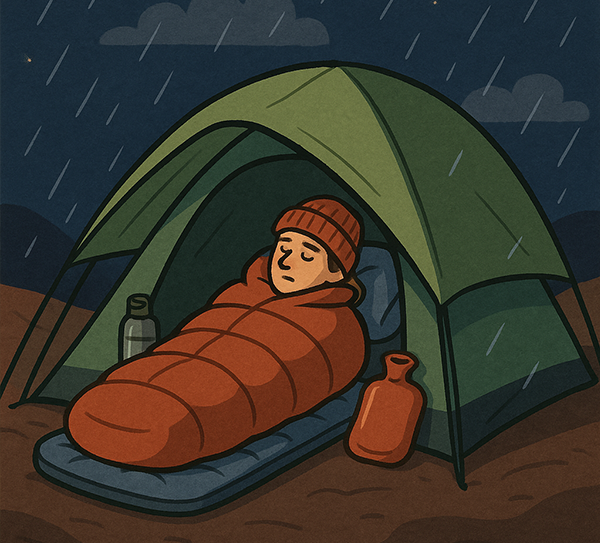
Camping can be one of the best ways to connect with nature, but nothing ruins the experience faster than feeling cold inside your tent. You’ve packed your gear, found the perfect spot, and now all you want is to stay cozy and warm through the night.
But how do you keep the chill away when the temperature drops? You’ll discover simple, effective tips that make a real difference. By the time you finish reading, you’ll know exactly how to turn your tent into a warm, comfortable retreat—no shivering required.
Keep reading, and say goodbye to cold nights outdoors for good.
Choose The Right Tent
Choosing the right tent is key to staying warm during cold weather camping. The tent you pick affects how well you keep heat inside and block the cold outside.
Focus on tents designed for cold conditions. These tents offer features that help keep you warm and comfortable all night long.
Opt For Four-season Tents
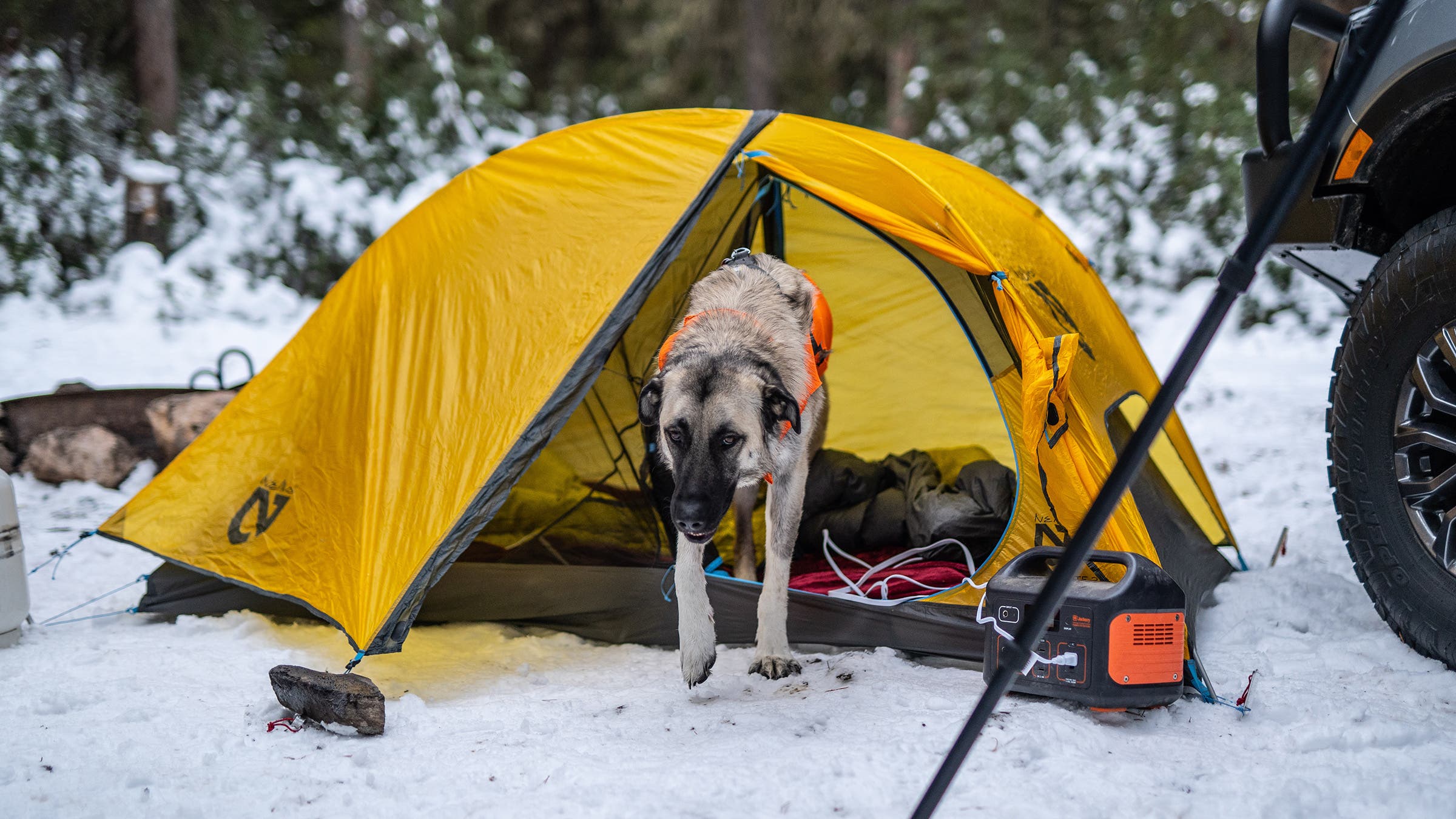
Four-season tents are built to handle snow, strong winds, and low temperatures. They use heavier materials and stronger poles than summer tents.
These tents cover you better from the weather. They keep cold air out and trap heat inside, making them a smart choice for winter camping.
Check Tent Insulation Features
Good insulation helps keep warmth inside your tent. Look for tents with thick fabrics and extra layers.
- Double-wall design with a rainfly
- Heat-reflective linings
- Sealed seams to prevent drafts
- Small mesh panels to reduce heat loss
Consider Tent Size And Ventilation
Choose a tent size that fits your group but is not too large. Smaller tents keep heat better because they have less air to warm.
| Factor | Why It Matters |
|---|---|
| Size | Smaller tents hold heat better but must fit occupants comfortably. |
| Ventilation | Good airflow prevents moisture build-up and keeps the air fresh. |
| Vent Placement | Vents near the floor or ceiling help control temperature and humidity. |
Credit: www.outsideonline.com
Select Warm Sleeping Gear
Staying warm in a tent is important for a good night’s sleep. Choose the right gear to keep cozy on cold nights.
With the right sleeping equipment, you can enjoy camping even in chilly weather. Here are some tips to help you pick the best options.
Pick High-quality Sleeping Bags
Sleeping bags come in various designs and materials. Choose one suitable for the season and weather conditions. Consider bags with a hood to keep your head warm.
Opt for sleeping bags with good insulation. Down or synthetic materials work well for keeping warmth in and cold out.
Use Insulated Sleeping Pads
Insulated sleeping pads provide a barrier between you and the cold ground. They offer extra warmth and comfort while you sleep.
Look for pads with high R-value. This rating shows the pad’s ability to resist heat loss, keeping you warmer during the night.
Add Thermal Blankets Or Liners
Thermal blankets or liners add an extra layer of warmth. They can be used inside your sleeping bag for extra insulation.
These items are lightweight and easy to pack. They are a great addition to your camping gear for cold weather trips.
- Thermal blankets trap body heat
- Linings can be removed if too warm
- Easy to wash and maintain
Dress For Warmth
Staying warm in a tent is important for a good night’s sleep. Dressing right helps keep your body heat inside.
Wearing the right clothes stops cold air from making you shiver. Use layers and special fabrics to stay cozy.
Layer Clothing Effectively
Wear several layers of clothing to trap warm air. Start with a thin base layer, add a middle layer, and finish with an outer layer.
The base layer keeps your skin dry. The middle layer holds heat. The outer layer blocks wind and rain.
- Base layer: thin and close to skin
- Middle layer: thick and warm
- Outer layer: windproof and waterproof
Wear Moisture-wicking Fabrics
Choose fabrics that pull sweat away from your skin. Dry skin feels warmer than wet skin.
Materials like wool or synthetic fibers work best. Avoid cotton because it holds moisture and cools you down.
- Wool keeps warmth even if wet
- Synthetic fabrics dry quickly
- Cotton traps sweat and cools you
Protect Extremities With Gloves And Hats
Your hands and head lose heat fast. Wear gloves and hats to keep these parts warm.
Choose gloves that fit well and hats that cover your ears. Wool or fleece materials work great to block cold air.
- Wear insulated gloves for warmth
- Use hats that cover ears fully
- Keep dry to avoid cold fingers and head
Credit: www.theshowerpouch.com
Optimize Tent Setup
Keeping warm in a tent starts with setting it up well. A good setup blocks wind and cold ground.
Small changes in how you pitch your tent can make a big difference in warmth.
Pitch Tent In Sheltered Locations
Choose a spot that shields your tent from wind. Look for natural barriers like trees or rocks.
A sheltered location reduces cold air hitting your tent. Avoid open, exposed areas on hills or ridges.
Use Ground Tarps And Footprints
Place a tarp or footprint under your tent. This adds a layer between you and the cold ground.
Ground tarps protect your tent floor and keep moisture away. They also help block cold that rises from the soil.
- Choose a tarp slightly smaller than the tent floor.
- Use a footprint made for your tent model if possible.
- Keep the tarp dry and clean to avoid moisture buildup.
Seal Tent Openings Properly
Close all zippers and vents tightly to keep warm air inside. Gaps let cold air in.
Use flaps or covers over openings to block wind. Check for any holes or tears before camping.
- Zip all doors and windows fully.
- Use tent flaps to cover mesh vents when cold.
- Patch any holes or gaps before your trip.
Use Heat Sources Safely
Staying warm in a tent is important for comfort and safety. Using heat sources can help, but you must use them carefully. Some heat options need extra attention to avoid accidents.
Below are safe ways to use heat inside or near your tent. Follow these tips to enjoy warmth without risks.
Try Portable Camping Heaters
Portable camping heaters are useful to warm your tent quickly. Choose models designed for indoor tent use to reduce fire and carbon monoxide risks.
- Always read the heater’s instructions before use.
- Keep the heater away from tent walls and flammable materials.
- Use carbon monoxide detectors inside the tent.
- Turn off the heater before sleeping or leaving the tent.
- Ensure good ventilation to avoid dangerous gas buildup.
Utilize Hot Water Bottles
Hot water bottles are a safe and simple way to keep warm. Fill them with hot water and place them in your sleeping bag or near your body.
| Tip | Reason |
| Use a sturdy bottle | Prevents leaks and burns |
| Wrap bottle in a cloth | Stops direct contact with skin |
| Refill with hot water as needed | Keeps warmth longer |
| Check for cracks before use | Ensures safety |
Build A Safe Campfire Nearby
A campfire can provide heat outside your tent. Build it at a safe distance to avoid smoke and fire hazards inside your tent.
- Clear dry leaves and grass around the fire spot.
- Keep the fire small and manageable.
- Always watch the fire and never leave it alone.
- Have water or sand nearby to put out the fire quickly.
- Make sure the fire is fully out before sleeping.
Improve Body Heat Retention
Staying warm in a tent can be hard, especially in cold weather. Keeping your body heat is key to feeling comfortable and safe.
Small habits can help your body hold on to heat better. These tips focus on what you can do inside and before you sleep.
Eat High-calorie Meals
Your body needs energy to keep warm. Eating high-calorie meals gives your body fuel to make heat.
Choose foods rich in fats and carbohydrates. These help your body create more heat during digestion.
- Peanut butter and nuts
- Cheese and whole milk
- Oatmeal with honey
- Energy bars with seeds
Stay Hydrated
Water helps your body work well and stay warm. Even if you do not feel thirsty, drink water regularly.
Warm drinks like herbal tea or hot water can raise your body temperature and keep you cozy.
- Drink water before bedtime
- Use a thermos for hot drinks
- Avoid alcohol and caffeine
Keep Moving Before Bedtime
Moving your body creates heat and warms your blood. Do light exercises before you get into your sleeping bag.
Simple actions like stretching or walking around the tent help raise your body temperature.
- Stretch your arms and legs
- Walk around the campsite
- Do gentle jumping jacks
Manage Moisture And Ventilation
Staying warm in a tent depends a lot on managing moisture and air flow. Moisture can make you cold and uncomfortable.
Good ventilation helps keep the air fresh without letting too much heat escape. This guide explains how to handle moisture and ventilation well.
Reduce Condensation Inside Tent
Condensation forms when warm air inside the tent meets cold surfaces. This makes water droplets that can wet your gear and clothes.
To reduce condensation, keep wet items outside the tent. Also, try to set up your tent where air can move around it.
- Do not dry wet clothes inside the tent
- Use a ground tarp to block moisture from the floor
- Keep the tent’s rainfly off the tent body slightly
- Avoid breathing directly on tent walls
Ventilate Without Losing Heat
Ventilation is important to avoid stuffy air and moisture build-up. You can ventilate without letting too much heat out.
Open vents or windows a little to allow fresh air in. Use mesh panels to keep bugs out and air flowing.
- Open tent vents slightly during cold nights
- Use mesh doors to let air pass through
- Position tent so wind flows through vents
- Close vents if the wind is very cold or strong
Dry Wet Clothes Outside Tent
Wet clothes inside the tent increase moisture and chill the air. Dry your wet clothes outside to keep the tent dry and warm.
Hang clothes on a line or use a bush or tree branch. If it rains, dry them under a shelter or inside the vestibule if it is ventilated.
- Use a portable clothesline or rope
- Hang clothes near the fire but not too close
- Turn clothes regularly for faster drying
- Keep wet gear away from your sleeping area

Credit: growattportable.com
Frequently Asked Questions
How Can I Keep My Sleeping Bag Warm Inside A Tent?
Use an insulated sleeping pad under your bag to block cold from the ground. Choose a sleeping bag rated for the expected temperatures. Keep it dry and store it properly to maintain its insulation.
What Clothing Is Best For Staying Warm In A Tent?
Wear moisture-wicking base layers and insulated mid-layers like fleece. Avoid cotton as it traps moisture. Use a warm hat and gloves to retain body heat during cold nights.
How Do I Prevent Condensation Inside My Tent?
Ventilate your tent properly by opening vents or slightly unzipping doors. Avoid cooking or drying wet clothes inside the tent. Condensation forms when warm air meets cold surfaces, so airflow is key.
Can Hot Water Bottles Help Keep Tents Warm?
Yes, hot water bottles placed inside your sleeping bag can provide extra warmth. Use a secure, leak-proof bottle and wrap it in a cloth to avoid burns while sleeping.
Conclusion
Staying warm in a tent takes some planning and good gear. Dress in layers and use a quality sleeping bag. Keep your body dry and avoid drafts inside the tent. Use hot water bottles or hand warmers for extra heat.
Ventilate the tent just enough to stop condensation. These small steps help you stay cozy all night. Enjoy your camping trip without feeling cold or uncomfortable. Simple actions make a big difference in cold weather. Stay safe and warm on every outdoor adventure.