Nothing ruins a camping trip faster than waking up to a soggy, damp tent. You zip open your sleeping bag only to find beads of water dripping down the walls.
Condensation inside your tent isn’t just annoying—it can make your gear wet and your night uncomfortable. But here’s the good news: you can stop condensation before it starts. In this guide, you’ll discover simple, effective tips to keep your tent dry and cozy, no matter the weather.
Ready to enjoy a dry, comfortable night under the stars? Let’s dive in.
Causes Of Tent Condensation
Condensation happens when moisture in the air turns into water drops. This often occurs inside tents during camping.
Understanding what causes condensation helps you prevent it. This keeps your tent dry and comfortable.
Breathing And Body Heat
When you breathe inside the tent, you release moisture. Your body heat also warms the air around you.
This warm, moist air touches the cooler tent walls. The water vapor then changes into tiny water drops.
Temperature Difference
Condensation forms when warm air inside meets cold tent fabric. The air cools down and moisture appears.
At night, the outside air cools the tent. This causes the inside air to lose heat and moisture to settle.
Humidity Levels
High humidity means more water vapor in the air. This increases the chance of condensation inside the tent.
Wet clothes, gear, and breathing add moisture. This raises humidity and causes water to form on tent walls.
Poor Ventilation
Tents without good airflow trap moist air inside. This makes condensation worse because the air cannot dry out.
Closed or blocked vents stop fresh air from moving. This keeps humidity high and water drops form faster.
Wet Ground And Environment
Setting a tent on wet or damp ground adds moisture near the tent floor. This moisture can rise and condense inside.
Camping near lakes or rivers increases humidity. This raises the chance of condensation in your tent.
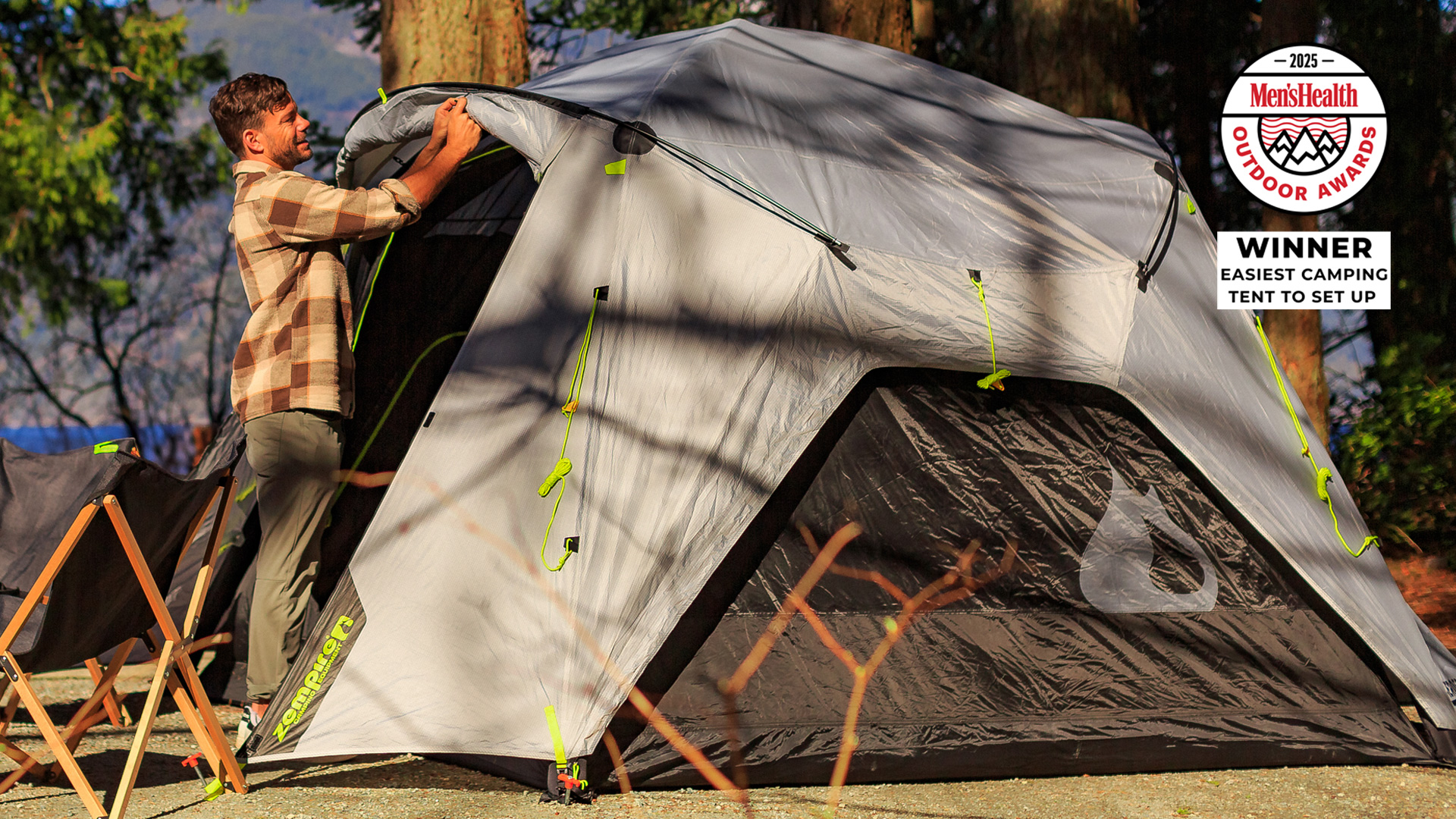
Credit: zempire.ca
Choosing The Right Tent Location
Condensation inside a tent can make camping uncomfortable. One way to reduce this is by choosing the right spot to set up your tent.
Picking a good location helps air flow and lowers moisture build-up. This keeps the inside of your tent dry and cozy.
Avoiding Low Areas
Low areas collect cold air and water. This makes condensation worse inside your tent. Avoid valleys, ditches, and dips in the ground.
Choose a flat or slightly raised spot. This helps cold air to flow away and water to drain better.
- Look for high ground to prevent water pooling
- Avoid spots where rainwater can collect
- Pick places with good drainage to stay dry
Selecting Windy Spots
Wind helps reduce condensation by moving moist air out of the tent. Setting up in a breezy place can keep your tent drier.
Find spots that get steady wind but are not too exposed. Too much wind can make your tent cold and noisy.
- Choose areas with natural wind flow
- Avoid spots blocked by trees or rocks
- Secure your tent well to handle wind safely
Proper Ventilation Techniques
Condensation forms inside tents when warm air meets cold surfaces. Good ventilation helps reduce this moisture. It keeps the air moving and dry inside your tent.
Using the right ventilation methods can stop water drops from forming. These techniques make your camping experience more comfortable and dry.
Using Tent Vents
Tent vents allow fresh air to enter and moist air to leave. Most tents have built-in vents near the top or sides. Keep these vents open whenever possible.
Open vents help air flow inside the tent. This prevents warm air from getting trapped and causing condensation. Check your tent’s manual to find vent locations.
- Locate vents near the tent roof or walls
- Keep vents open even in cold weather
- Use mesh covers to keep bugs out
- Adjust vents based on wind direction
Opening Tent Doors And Windows
Opening your tent’s doors and windows lets air flow through the tent. This helps remove moisture and prevents condensation buildup. Try to open them when weather allows.
Leave doors or windows open slightly to keep air moving. Avoid fully opening them if it is cold or rainy outside. Using mesh panels helps keep bugs away.
- Open doors or windows for fresh air
- Use mesh screens to stop insects
- Adjust openings based on outside weather
- Close openings during heavy rain or cold
Managing Moisture Inside The Tent
Condensation inside a tent can make your camping experience uncomfortable. Moisture builds up when warm air meets cold surfaces. Managing this moisture helps keep the tent dry and cozy.
Simple steps can reduce dampness and protect your gear. Focus on controlling wet items and using moisture absorbers.
Limiting Wet Gear Inside
Wet clothes and equipment add moisture to the air inside the tent. Keep these items outside or in a separate dry bag. This limits the amount of water vapor that causes condensation.
- Store wet boots in a waterproof bag
- Hang damp clothes outside if possible
- Use a vestibule or tent porch for wet gear
- Dry wet items before entering the tent
- Keep the tent floor clear of wet gear
Using Moisture-absorbing Products
Moisture absorbers help reduce humidity inside the tent. These products capture water vapor and keep the air dry. They work best when placed in different tent areas.
| Moisture Absorber | How to Use | Benefits |
|---|---|---|
| Silica Gel Packs | Place in pockets or near tent walls | Absorbs moisture quietly and effectively |
| Charcoal Briquettes | Wrap in cloth and set inside tent | Neutralizes odors and moisture |
| Calcium Chloride | Use in a small container with holes | Draws moisture from the air fast |
| Commercial Dehumidifiers | Hang or place inside tent | Designed for camping and small spaces |
Selecting The Right Tent Materials
Condensation inside a tent can make your camping experience uncomfortable. Choosing the right materials helps reduce moisture buildup. This guide focuses on breathable fabrics and waterproof coatings.
Understanding these materials allows you to pick a tent that keeps you dry and comfortable. Let’s explore how each type affects condensation.
Breathable Fabrics
Breathable fabrics allow moisture vapor to escape from inside the tent. They help prevent dampness and reduce condensation on the tent walls.
- Usually made from polyester or nylon with special weaves
- Permit airflow without letting rain enter
- Keep the tent interior dry by letting sweat evaporate
- Work best in tents with good ventilation design
- Require proper care to maintain breathability over time
Waterproof Coatings
Waterproof coatings stop rain from soaking the tent fabric. They create a barrier that keeps water outside but can affect breathability.
| Coating Type | Water Resistance | Breathability |
| Polyurethane (PU) | High | Low |
| Silicone | Very High | Moderate |
| Durable Water Repellent (DWR) | Moderate | High |

Credit: www.ultramarxl.com
Weather Considerations
Condensation happens when warm air meets cold surfaces inside your tent. Weather plays a big role in this process. Understanding weather helps you reduce moisture buildup.
Different weather conditions need different ways to stop condensation. Planning ahead can keep your tent dry and comfortable.
Preparing For Rain
Rain makes the air moist and increases condensation inside your tent. Use rain gear to keep water out and air flowing.
Set up your tent under natural cover if possible. Use a rainfly and groundsheet to protect against wet ground and dripping water.
- Pitch your tent with good ventilation openings
- Keep your rainfly slightly raised for airflow
- Use a tarp to shield the tent from direct rain
- Dry wet clothes outside the tent to avoid extra moisture
Dealing With Temperature Fluctuations
Temperature changes cause warm air inside the tent to cool and form condensation. Manage airflow to reduce this effect.
Open vents and windows to let moist air escape. Avoid sealing your tent completely, even in cold weather.
- Use mesh panels to improve ventilation
- Keep wet items outside or in a vestibule
- Remove snow buildup from the tent surface
- Air out the tent each morning to clear moisture
Using A Groundsheet Effectively
A groundsheet helps protect your tent floor from moisture and damage. Using it correctly can reduce condensation inside the tent. This guide covers how to place your groundsheet and check for condensation issues.
Proper groundsheet use keeps your sleeping area dry and comfortable. It also improves air circulation under the tent floor, lowering dampness.
Proper Groundsheet Placement
Place the groundsheet flat and smooth under your tent. Avoid letting it stick out beyond the tent edges. Extra groundsheet outside the tent can collect rain and cause water to pool beneath the floor.
- Choose a groundsheet slightly smaller than the tent floor area.
- Lay it on dry, level ground to prevent water pooling.
- Stretch it tight to avoid wrinkles that trap moisture.
- Make sure the groundsheet edges do not extend outside the tent walls.
- Check the groundsheet for holes or tears before use.
Checking For Groundsheet Condensation
Condensation can form under the groundsheet if moisture collects. You can monitor this by lifting the tent floor and inspecting the groundsheet regularly. Look for damp spots or water droplets.
| Signs of Condensation | Possible Causes | Action to Take |
| Damp patches on groundsheet | Trapped moisture from wet ground | Use a vapor barrier or improve site drainage |
| Water droplets under tent floor | Poor ventilation inside tent | Open vents and avoid blocking airflow |
| Mold or mildew smell | Persistent dampness | Dry tent and groundsheet thoroughly after use |
Post-trip Tent Maintenance
After camping, your tent needs care to last long. Proper maintenance helps stop condensation inside the tent.
Taking time to clean and check your tent prevents damage and keeps it ready for the next trip.
Drying The Tent Thoroughly
Moisture left inside the tent causes mold and mildew. Always dry your tent completely before storing it.
Set up the tent in a shaded, well-ventilated area. Avoid direct sunlight to protect the fabric.
- Unzip all doors and windows to let air flow
- Remove the rainfly and dry it separately
- Check the tent floor and corners for trapped water
- Use a towel to soak up stubborn wet spots
Inspecting For Damage
Look over the tent carefully for tears, holes, or broken parts. Early repair keeps your tent strong.
Check zippers, poles, and seams for signs of wear. Fix small problems before they get worse.
- Look for holes or rips in the tent fabric
- Test zippers to see if they move smoothly
- Examine poles for bends or cracks
- Check seam tape for peeling or gaps

Credit: www.reddit.com
Frequently Asked Questions
How Can I Reduce Tent Condensation Effectively?
To reduce tent condensation, increase ventilation by opening vents and doors. Avoid cooking or drying clothes inside. Use a breathable tent fabric and set up your tent in a breezy area. These steps help moisture escape and prevent buildup inside your tent.
Why Does Condensation Form Inside A Tent?
Condensation forms when warm, moist air meets cold tent surfaces. Your breath, sweat, and damp gear add moisture. Without proper airflow, this moisture cools and turns into water droplets on the tent walls and ceiling, causing condensation.
What Tent Materials Prevent Condensation Best?
Tents made from breathable fabrics like nylon or polyester with mesh panels reduce condensation. These materials allow moisture to escape while protecting from rain. Avoid fully waterproof or non-breathable materials, as they trap moisture and increase condensation risk.
Can Tent Placement Affect Condensation Levels?
Yes, tent placement greatly affects condensation. Avoid low spots or damp ground where moisture collects. Choose elevated, windy areas for better airflow. Position your tent to face prevailing winds to enhance ventilation and reduce condensation inside.
Conclusion
Stopping condensation in your tent makes camping more comfortable. Ventilate your tent well to let moisture escape. Use a rainfly properly to reduce dampness inside. Keep wet clothes and gear outside the tent. Avoid cooking or boiling water inside your tent.
These small steps help keep your tent dry and cozy. Enjoy your outdoor adventure without worrying about dampness. Simple habits create a better camping experience for everyone.