
You’ve invested in a good sleeping bag, so why risk ruining it by storing it the wrong way? How you store your sleeping bag can make all the difference in keeping it fluffy, warm, and ready for your next adventure.
If you want your sleeping bag to last longer and perform better, you need to know the right steps to take. Keep reading, and you’ll discover simple, effective tips that will protect your gear and save you money in the long run.
Don’t let poor storage ruin your comfort—your future self will thank you.
Choose The Right Storage Spot
Storing your sleeping bag correctly helps keep it clean and fluffy. The right place protects it from damage and bad smells.
Pick a storage spot that keeps your sleeping bag dry and safe. This will extend its life and keep it ready for your next trip.
Avoid Damp And Humid Areas
Do not store your sleeping bag in damp basements or bathrooms. Moisture makes the filling clump and causes mold.
- Check for leaks or water near the storage spot
- Use a breathable bag to keep air flowing
- Lift the sleeping bag off the floor if possible
Keep Away From Direct Sunlight
Sunlight can fade the fabric and weaken the fibers over time. Store your sleeping bag in a shaded or dark place.
Select A Cool And Dry Place
| Storage Spot | Why It Works |
| Closet | Usually cool and dry, away from direct sun |
| Under the Bed | Out of the way, keeps bag flat and clean |
| Storage Shelf | Elevated from floor, reduces damp risk |
Choose spots that stay cool and dry all year. This keeps your sleeping bag fresh and comfortable.

Credit: www.amazon.ca
Clean Before Storing
Keeping your sleeping bag clean before storage helps it last longer. Dirt and moisture can cause damage if left inside the bag.
Proper cleaning stops bad smells and keeps the insulation working well. Take time to clean your sleeping bag well.
Remove Dirt And Debris
Check your sleeping bag for dirt, leaves, and small stones. Brush off loose dirt using a soft brush or cloth.
Pay attention to corners and seams where debris can hide. This stops dirt from damaging the fabric over time.
Air Out The Sleeping Bag
Let your sleeping bag dry in a shaded, well-ventilated area. Fresh air removes moisture and any smells inside the bag.
Do not dry it in direct sunlight. Too much sun can weaken the fabric and reduce insulation.
Follow Washing Instructions
Check the label on your sleeping bag for washing details. Use mild soap and cold water if hand washing is recommended.
Use a gentle cycle if machine washing is allowed. Avoid harsh detergents and fabric softeners to protect the bag’s material.
Storage Methods
Storing a sleeping bag the right way keeps it warm and lasts longer. Proper storage protects the insulation inside.
There are a few good ways to store your sleeping bag. Each method helps keep the bag fluffy and dry.
Use A Large Breathable Bag
A large breathable bag lets air flow around the sleeping bag. This stops moisture from building up inside.
Use cotton or mesh bags instead of plastic ones. These materials help the sleeping bag stay fresh and dry.
- Choose a bag that is bigger than the sleeping bag
- Make sure the bag has ventilation holes or mesh panels
- Keep the sleeping bag loosely packed inside the bag
Avoid Compression Bags For Long-term
Compression bags squeeze the sleeping bag into a small size. This is fine for short trips but bad for long storage.
Keeping the bag compressed can damage the insulation over time. The bag loses its loft and warmth.
- Use compression bags only for travel or short periods
- Do not store your sleeping bag compressed for months
- Let the insulation fully expand between uses
Hang Or Lay Flat When Possible
Hanging or laying the sleeping bag flat helps keep its shape. This method avoids pressure on the insulation.
If you have space, use a wide hanger or a clean surface. Avoid folding or squashing the bag tightly.
- Hang the bag by the loops on a sturdy hanger
- Lay the bag flat on a clean, dry surface
- Keep the storage area cool and dry to prevent mold
Prevent Mold And Odors
Storing a sleeping bag properly keeps it fresh and clean. Mold and bad smells happen when moisture stays inside the bag. Taking simple steps helps avoid these problems.
This guide covers how to keep your sleeping bag dry, use moisture absorbers, and check it often. These tips help protect your gear for many trips.
Ensure Complete Dryness
Always dry your sleeping bag fully before storing it. Even small damp spots can cause mold. Air dry the bag in a shaded, well-ventilated area. Avoid direct sunlight to protect the fabric.
- Hang the sleeping bag loosely to let air flow.
- Check for damp areas and dry again if needed.
- Use a fan to speed drying if indoors.
- Do not store the bag in a tight stuff sack after use.
Use Moisture Absorbers
Place moisture absorbers in the storage area. These help keep humidity low and prevent odor and mold. Common absorbers include silica gel packs and activated charcoal.
| Type | How It Works | Notes |
| Silica Gel | Absorbs moisture from air | Reusable after drying |
| Activated Charcoal | Removes odors and moisture | Replace every few months |
| Baking Soda | Neutralizes odors | Use in an open container |
Regularly Check Stored Bags
Inspect your sleeping bag every few months. Look for signs of mold, dampness, or bad smell. Early checks prevent bigger problems. If you find issues, air out the bag and clean it if needed.
- Feel for damp spots or stiffness.
- Smell for any musty odors.
- Shake out the bag to fluff insulation.
- Store in a cool, dry place.
Tips For Frequent Use
Storing a sleeping bag properly keeps it ready for your next trip. Frequent use means you need easy and smart storage options.
Good storage helps keep your sleeping bag warm and comfortable. It also protects its shape and materials.
Quick Storage Techniques
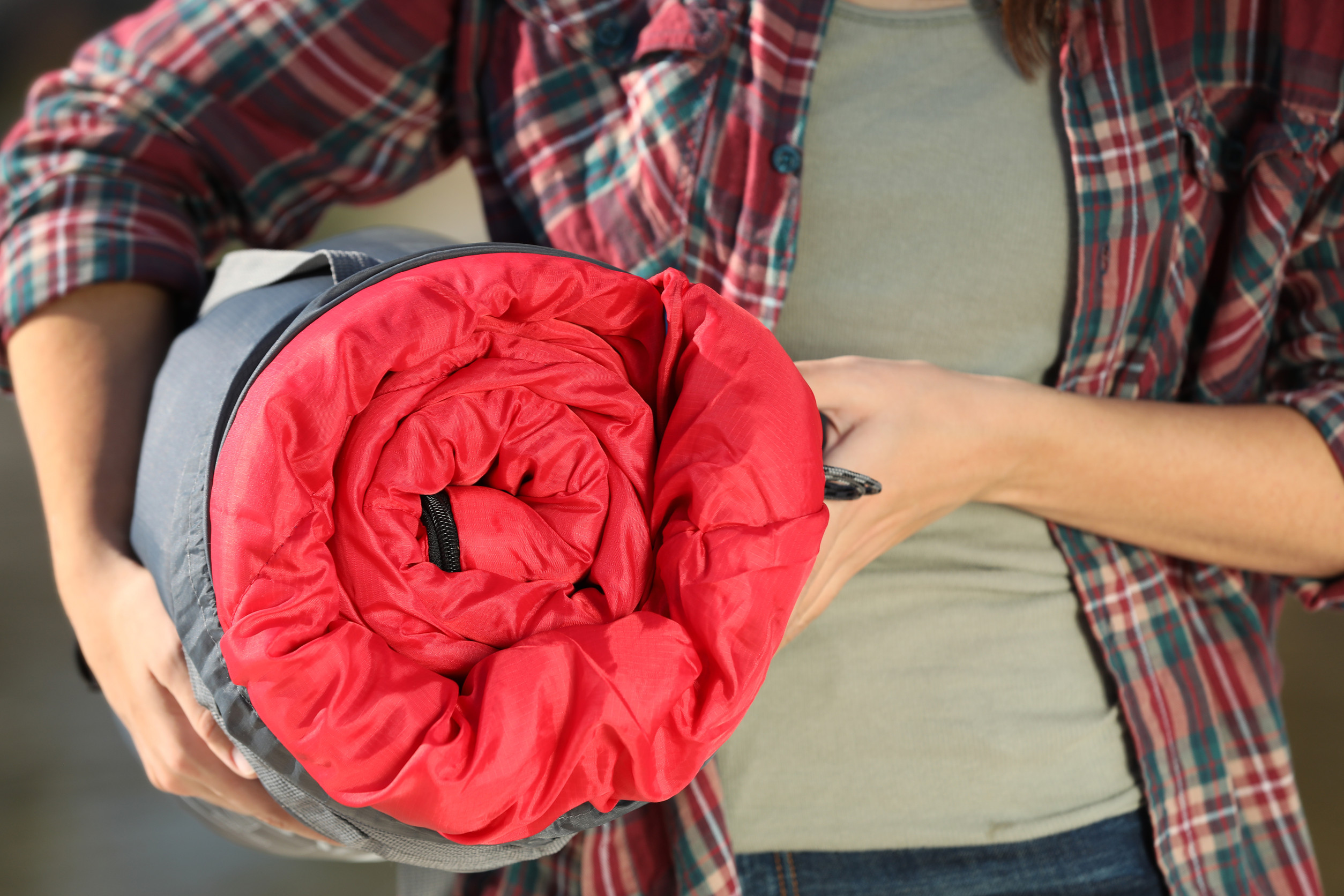
After each use, dry your sleeping bag well. Use the bag’s stuff sack for short trips. This saves space and time.
- Shake out dirt and debris
- Zip it up loosely to avoid damage
- Stuff it gently into the sack without compressing too much
- Store in a dry, cool place
Maintain Loft And Insulation
Loft is the fluffiness that keeps you warm. Avoid storing your sleeping bag tightly packed for long times.
Use a large storage sack or hang your sleeping bag. This keeps the insulation full and effective.
- Store loosely in a large breathable bag
- Hang it by loops in a dry closet
- Keep away from direct sunlight and heat
Inspect Before Each Trip
Check your sleeping bag for damage before every trip. Look for tears, broken zippers, or wet spots.
Fix small problems early to extend your sleeping bag’s life and comfort.
- Look for holes or loose seams
- Test zipper function
- Make sure the bag is fully dry
- Clean the bag as needed following care instructions
:max_bytes(150000):strip_icc()/SPR-ways-to-use-old-sleeping-bags-after-a-tear-02-b0b1224d69f94fb297f2310eff72c250.jpg)
Credit: www.thespruce.com
Credit: www.optimistdaily.com
Frequently Asked Questions
How Should I Store A Sleeping Bag Long-term?
Store your sleeping bag loosely in a large cotton sack or hang it. Avoid compression to maintain loft and insulation. Keep it in a cool, dry place away from direct sunlight and moisture to prevent mold and damage.
Can I Store A Sleeping Bag In Its Stuff Sack?
No, storing a sleeping bag in its stuff sack long-term compresses insulation. This reduces loft and warmth. Use a larger storage bag or hang the bag to preserve its quality and extend its lifespan.
What Is The Best Way To Dry A Sleeping Bag Before Storage?
Air dry your sleeping bag completely before storage. Lay it flat or hang it in a well-ventilated area. Avoid direct sunlight to protect fabric and insulation. Ensuring it’s fully dry prevents mold and unpleasant odors.
How Often Should I Clean My Sleeping Bag Before Storing?
Clean your sleeping bag after every few uses or if dirty. Follow manufacturer’s instructions for washing. Proper cleaning removes dirt and oils, which can degrade insulation. Clean bags store better and last longer.
Conclusion
Properly storing your sleeping bag keeps it clean and fluffy. Avoid stuffing it in small bags for long periods. Use a large cotton sack or hang it in a dry place. This helps maintain warmth and comfort on your next trip.
Taking small steps now saves money and effort later. Treat your sleeping bag well, and it will last many adventures. Simple care makes a big difference.