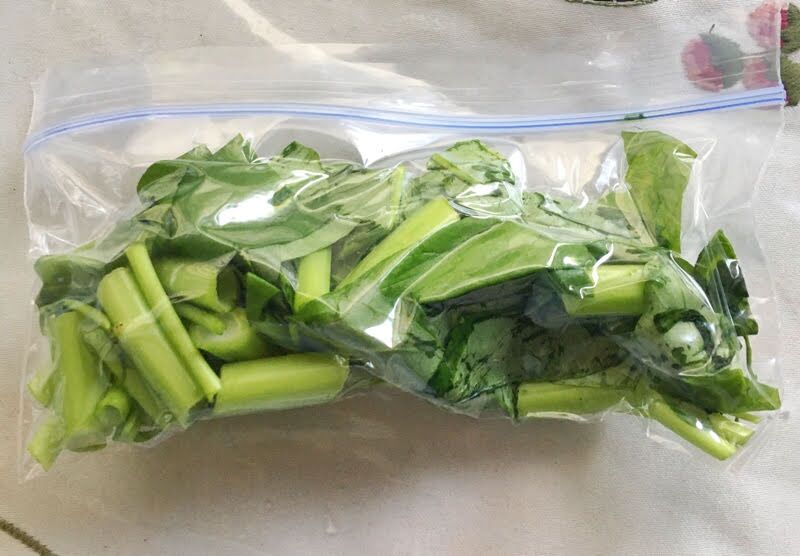
Do you often find yourself tossing out wilted bok choy just days after buying it? It’s a common problem, but it doesn’t have to be yours.
Imagine opening your refrigerator to find fresh, crisp bok choy ready for your next delicious meal. With a few simple storage tips, you can keep your bok choy fresh longer and reduce waste. This guide will reveal the secrets to preserving its flavor and crunch, ensuring you get the most out of every leafy bunch.
Stick around, and transform the way you store bok choy forever.

Credit: food52.com
Choosing Fresh Bok Choy
Choosing fresh bok choy is the first step to keeping it crisp and tasty in your fridge. Fresh bok choy has a bright appearance and feels firm to touch. Picking the best bunch helps your vegetable stay fresh longer and taste better in meals.
Check the leaves and stalks carefully before buying. Avoid bok choy that looks old or damaged. A good choice makes your storage easier and keeps the flavor strong.
Signs Of Freshness
- Leaves should be bright green, not yellow or brown.
- Stalks must be firm, white, and free from spots.
- The vegetable feels heavy and solid, not soft or limp.
- Fresh bok choy has a mild, fresh scent without any sour smell.
- Look for tight, compact heads with no signs of drying out.
Avoiding Wilted Leaves
- Wilted leaves look limp and lose their bright green color.
- Stay away from bok choy with slimy or sticky leaves.
- Leaves with dark edges or holes mean the vegetable is old.
- Check the base of the stalk for softness or browning.
- Choose bok choy with crisp leaves and firm stalks for best freshness.
Preparing Bok Choy For Storage
Preparing bok choy for storage helps keep it fresh and crisp longer. Proper steps remove dirt and excess moisture. This prevents spoilage and extends shelf life.
Washing And Drying
Rinse bok choy under cold running water. Remove any dirt between the leaves gently. Avoid soaking as it can make the vegetable soggy. Shake off excess water carefully.
Pat the leaves dry with a clean towel. Use a salad spinner for faster drying if available. Ensure bok choy is mostly dry before storing.
Trimming The Stems
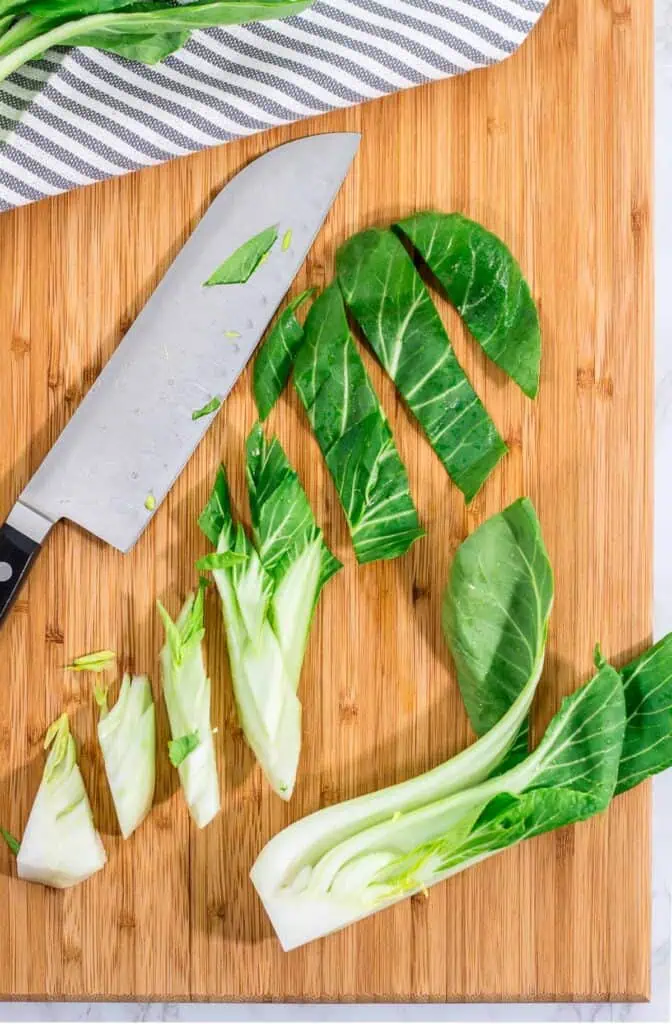
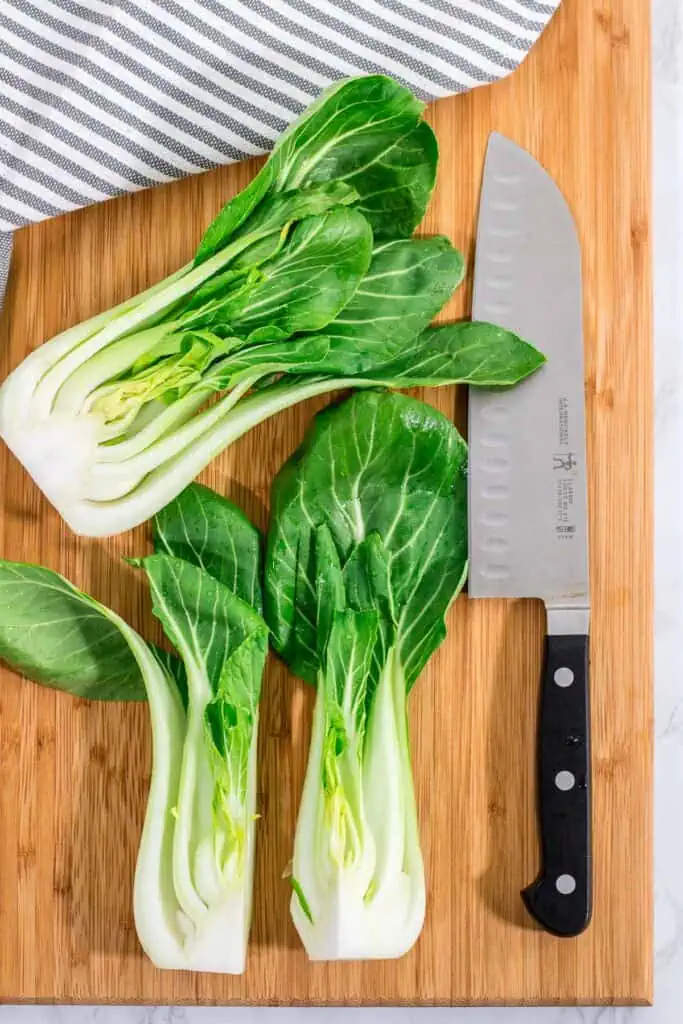
Cut off the root end of the bok choy. Trim any brown or damaged parts on the stems. Keep the leaves and stems intact for better freshness.
Separate large stalks if needed for even storage. Avoid cutting too much to prevent moisture loss. Proper trimming helps maintain texture and flavor.
Best Storage Methods
Storing bok choy properly keeps it fresh and crisp longer. The right method slows moisture loss and prevents wilting. Choose a storage technique based on your fridge setup and how soon you will use the bok choy. Each method helps maintain flavor and texture for several days.
Using Plastic Bags
Place bok choy in a perforated plastic bag. The holes allow air to circulate, reducing moisture buildup. Avoid sealing the bag tightly, which traps moisture and causes spoilage. Store the bag in the vegetable drawer of the fridge. This method keeps bok choy fresh for up to a week.
Storing In Containers
Use a container with a lid to store bok choy. Line the container with a dry paper towel to absorb excess moisture. Keep the lid slightly loose or use a container with vent holes. This prevents sogginess while maintaining humidity. Containers are great for storing cut or whole bok choy.
Wrapping In Paper Towels
Wrap bok choy loosely in dry paper towels. The towels absorb extra moisture and protect the leaves. Place the wrapped bok choy in a plastic bag or container. This method reduces wilting and extends shelf life. Check the towels regularly and replace if damp.
Credit: www.myeclecticbites.com
Ideal Refrigerator Settings
Setting your refrigerator correctly helps keep bok choy fresh longer. Ideal settings slow down spoilage and maintain crispness. Two main factors to focus on are temperature and humidity. These create the best environment for bok choy storage.
Optimal Temperature
Bok choy stays fresh at temperatures between 32°F and 36°F (0°C to 2°C). This range slows down decay and keeps leaves crunchy. Avoid freezing temperatures, as they damage the vegetable’s texture. Keep the temperature steady to prevent moisture loss.
Humidity Control
Bok choy prefers high humidity, around 90-95%. High humidity prevents wilting and drying. Use the crisper drawer designed to hold moisture. If your fridge has humidity controls, set it to “high” for leafy greens. Wrap bok choy in a damp paper towel for extra moisture. Avoid sealing it in an airtight bag, which traps excess water and causes rot.
Avoiding Common Storage Mistakes
Storing bok choy correctly keeps it fresh and crunchy longer. Many people make simple mistakes that spoil this leafy green fast. Avoid these errors to enjoy your bok choy at its best.
Preventing Excess Moisture
Too much moisture causes bok choy to rot quickly. Never wash bok choy before storing. Instead, keep it dry and wrap it loosely in paper towels. Store it in a perforated plastic bag to let air circulate. Check the bok choy regularly and remove any wet paper towels. This method helps keep leaves crisp and fresh.
Keeping Away From Ethylene Producers
Bok choy is sensitive to ethylene gas, which speeds up decay. Keep bok choy away from fruits like apples, bananas, and tomatoes. These produce ethylene naturally. Store bok choy in a separate drawer or container in the fridge. This step prevents premature yellowing and wilting of the leaves.
Credit: www.myeclecticbites.com
Signs Bok Choy Has Spoiled
Knowing when bok choy has gone bad is key to avoiding waste and keeping your meals fresh and tasty. It’s easy to overlook subtle signs of spoilage, but catching these early can save you from unpleasant surprises. Let’s look at the clear indicators that your bok choy has spoiled and needs to be tossed.
Discoloration
Fresh bok choy has vibrant green leaves and crisp white stalks. If you notice yellowing, browning, or dark spots spreading across the leaves, it’s a strong signal that spoilage has begun. These color changes happen because the vegetable is breaking down and losing its freshness.
Sometimes, just a few leaves will show discoloration while the rest looks fine. But if the damaged area is large or growing, it’s best not to keep it. Ask yourself: Is the color change isolated or spreading quickly?
Slimy Texture
Have you ever touched bok choy only to find it slimy or mushy? That texture is a red flag. Fresh bok choy feels firm and crisp, but slime develops as bacteria and mold start to grow.
If you peel back the outer leaves and find a wet, slippery surface, it’s time to throw it away. Don’t try to wash off the slime—once it’s there, the vegetable is no longer safe to eat.
Unpleasant Odor
Fresh bok choy has a mild, slightly sweet smell. If you detect a sour, rotten, or sharp odor, this means spoilage is underway. Sometimes the smell is subtle at first, so take a moment to sniff before cooking.
Trust your nose. If the smell makes you hesitate, it’s better not to risk eating it. Have you ever ignored a bad smell and regretted it later?
Extending Freshness Tips
Keeping bok choy fresh in the refrigerator takes simple care and smart storage. Proper steps help maintain its crunch and bright green color. These tips help you enjoy bok choy longer, reducing waste and saving money.
Storing bok choy right avoids wilting and sogginess. The key is to control moisture and air flow. Follow these ideas to keep your bok choy fresh and tasty for several days.
Freezing Bok Choy
Freezing is a great way to save bok choy for weeks. First, wash the leaves and chop into pieces. Blanch them in boiling water for 1-2 minutes. This stops enzymes that cause spoilage. Cool quickly in ice water. Drain well and dry with a clean towel. Place in airtight freezer bags. Remove as much air as possible to prevent freezer burn. Label with the date. Frozen bok choy works well in soups and stir-fries.
Using Bok Choy Quickly
Plan meals soon after buying bok choy. Use it within 3 to 5 days for best taste. Store in the coldest part of the fridge, like the vegetable drawer. Keep bok choy in a perforated plastic bag to allow air flow. Avoid washing before storing; moisture speeds up decay. Instead, rinse just before cooking. Using bok choy quickly keeps its crispness and nutrition at their peak.
Frequently Asked Questions
How Long Does Bok Choy Last In The Refrigerator?
Bok choy can last about 3 to 5 days when properly stored. Keep it in a plastic bag with some air holes. Store it in the vegetable crisper drawer to maintain freshness and crunchiness.
Should Bok Choy Be Washed Before Refrigerating?
It’s best to wash bok choy just before use, not before storing. Excess moisture can cause it to spoil faster. Instead, store it dry in the fridge to keep it fresh longer.
What Is The Best Container For Storing Bok Choy?
Use a perforated plastic bag or a container with ventilation holes. This helps maintain moisture balance while allowing air circulation. Avoid airtight containers to prevent wilting and spoilage.
Can I Freeze Bok Choy After Refrigerating?
Yes, but blanch bok choy first to preserve texture and nutrients. After blanching, cool it quickly and freeze in airtight bags. Frozen bok choy is best used in cooked dishes.
Conclusion
Storing bok choy properly keeps it fresh and crisp longer. Wrap it in a damp paper towel and place it in a plastic bag. Keep it in the fridge’s crisper drawer for best results. Check it often to remove any wilted leaves.
This simple care helps you enjoy bok choy’s flavor and crunch. Fresh bok choy makes meals healthy and tasty every time. Easy steps make a big difference in food quality. Try these tips to keep your greens fresh and ready.