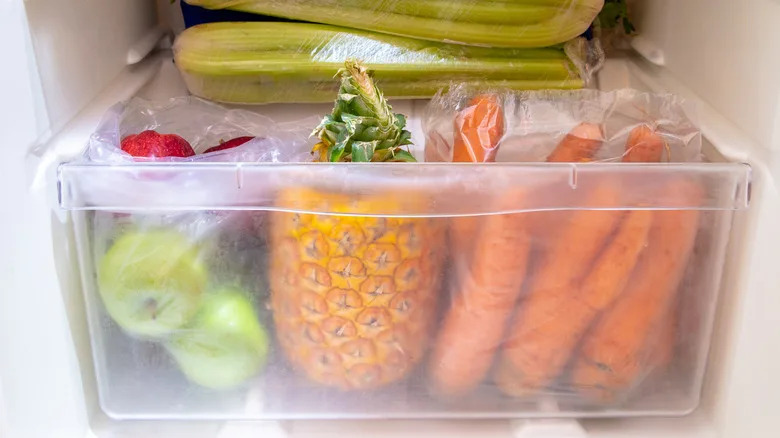
Have you ever bought a bunch of fresh carrots, only to find them limp and lifeless in your refrigerator after just a few days? It’s a common frustration, but it doesn’t have to be your reality.
Imagine opening your fridge to find crisp, vibrant carrots every time. You can make this a reality by learning how to properly store fresh carrots in your refrigerator. This guide is your secret weapon for preserving the crunch and flavor of your carrots for as long as possible.
Curious about how to achieve this freshness? Read on to discover the simple steps that will transform the way you store your carrots, ensuring they remain as fresh as the day you bought them.

Credit: www.youtube.com
Choosing Fresh Carrots
Choosing fresh carrots is the first step to keep them crisp and tasty in the fridge. Fresh carrots hold more flavor and nutrients. Picking the right ones helps them last longer and stay delicious.
Signs Of Freshness
- Bright orange color shows freshness and ripeness.
- Firm texture means the carrot is crisp and fresh.
- Smooth skin without wrinkles signals good quality.
- Fresh green tops indicate recently harvested carrots.
- No slimy or sticky feeling on the surface.
Avoiding Damaged Carrots
- Skip carrots with dark spots or bruises.
- Avoid soft or limp carrots that bend easily.
- Cracks or splits can lead to quick spoilage.
- Discard carrots with mold or unusual smells.
- Check for signs of drying or shriveling ends.
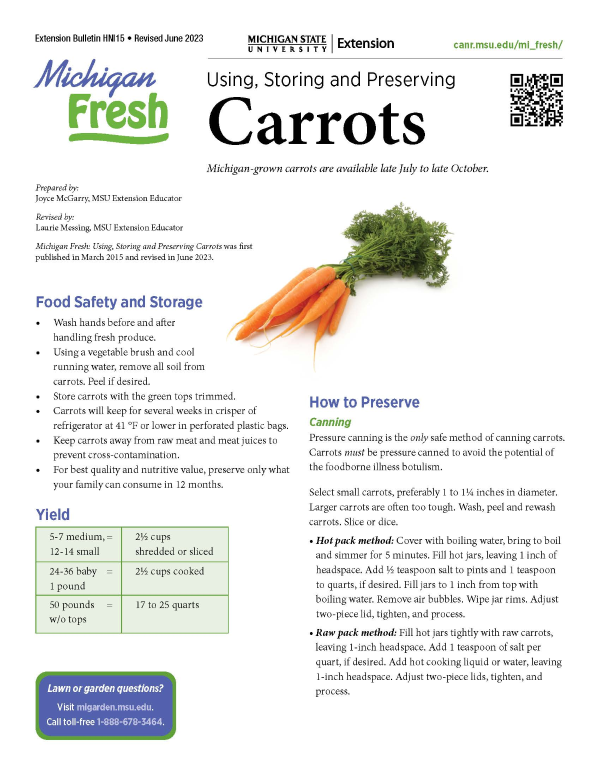
Credit: www.canr.msu.edu
Preparing Carrots For Storage
Preparing carrots properly before storing them in your refrigerator can make a big difference in how long they stay fresh and crisp. Taking a little extra time to clean and trim your carrots helps prevent moisture buildup and decay. This simple prep work sets your carrots up for longer shelf life and better taste when you’re ready to use them.
Washing And Drying
Start by rinsing your carrots under cool running water to remove any dirt or debris. Avoid scrubbing too hard, as that can damage the skin and lead to quicker spoilage.
After washing, dry the carrots thoroughly using a clean kitchen towel or paper towels. Leaving moisture on the surface invites mold and soft spots, which you definitely want to avoid.
Ever noticed how soggy carrots in your fridge turn limp fast? That’s usually because they weren’t dried well before storage.
Trimming Greens
If your carrots have leafy green tops, make sure to cut them off before storing. The greens pull moisture from the roots, causing the carrots to shrivel faster.
Trim the greens close to the carrot body but don’t peel the carrots unless you plan to use them immediately.
Think about it: keeping the greens on is like letting your carrot lose water while sitting in the fridge. Removing them helps your carrots stay firm and juicy longer.
Best Storage Methods
Storing fresh carrots properly keeps them crisp and tasty longer. Choosing the right storage method prevents wilting and spoilage. Different ways suit different kitchen setups and carrot quantities. Each method helps maintain moisture and freshness effectively.
Using Plastic Bags
Place carrots in a perforated plastic bag. The small holes allow air circulation. Keep the bag slightly open to avoid moisture buildup. Store the bag in the vegetable drawer of the fridge. This method helps carrots stay firm and fresh for weeks.
Storing In Containers
Use airtight containers for carrot storage. Add a damp paper towel inside the container. This keeps the carrots moist but not wet. Make sure to dry the carrots before storing. Containers protect carrots from fridge odors and damage.
Wrapping In Damp Cloth
Wrap carrots in a clean, damp cloth or towel. The cloth keeps the carrots hydrated without making them soggy. Place the wrapped carrots inside a plastic bag or container. Store in the fridge’s vegetable drawer for best results. This method is simple and effective for short-term storage.

Credit: www.aol.com
Ideal Refrigerator Conditions
Keeping your carrots fresh in the refrigerator requires the right environment. If your fridge is too warm or too dry, carrots can quickly become limp or shriveled. Understanding the ideal conditions inside your fridge will help you store carrots so they stay crisp and tasty for weeks.
Optimal Temperature
Your fridge should be set between 32°F and 40°F (0°C to 4°C) to keep carrots fresh. Temperatures above 40°F speed up spoilage, making carrots soft and less flavorful. On the other hand, freezing temperatures below 32°F can cause carrots to become mushy after thawing.
Have you ever found carrots turning rubbery despite refrigeration? It might be because your fridge runs slightly warm. Using a fridge thermometer helps ensure you keep the temperature just right for carrot storage.
Humidity Control
Carrots thrive in high humidity environments, ideally around 95%. This prevents them from drying out and losing their crunch. Most refrigerators have humidity-controlled drawers – these are perfect spots for your carrots.
If your fridge lacks humidity control, wrap carrots loosely in a damp paper towel and place them inside a perforated plastic bag. This simple trick maintains moisture without trapping excess water, which can cause rot.
Ask yourself: Are your carrots stored in a dry drawer or the crisper? Moving them to a high-humidity drawer can make a noticeable difference in how long they last.
Avoiding Common Storage Mistakes
Storing fresh carrots in the refrigerator can be tricky. Many people make common mistakes that cause carrots to spoil quickly. Avoiding these errors helps keep carrots crisp and fresh for longer. Simple changes in storage habits can make a big difference.
Preventing Moisture Build-up
Moisture is the enemy of fresh carrots in the fridge. Excess water causes carrots to become soft and moldy. Keep carrots dry before storing. Wrap them loosely in paper towels to absorb extra moisture. Use perforated plastic bags to allow air flow. Avoid sealing carrots in airtight containers without ventilation. Check stored carrots regularly and replace damp paper towels.
Separating From Ethylene Producers
Ethylene gas speeds up carrot spoilage. Many fruits release this gas naturally. Apples, bananas, and tomatoes are common ethylene producers. Keep carrots away from these fruits in the fridge. Store carrots in a separate drawer or container. This separation slows down ripening and decay. It helps carrots stay fresh and crunchy for days longer.
Extending Freshness
Extending the freshness of your carrots in the refrigerator is all about controlling moisture and temperature while preventing spoilage. Carrots can last weeks if stored properly, but a few simple habits can stretch their shelf life even further. Have you ever been frustrated by carrots turning soft or bitter just days after buying them? Let’s talk about how to avoid that.
Freezing Carrots
Freezing is a great way to keep carrots fresh for months beyond their refrigerator lifespan. Before freezing, peel and cut your carrots into sticks, slices, or cubes to make them easier to use later.
- Blanch the carrots by boiling them for 2-3 minutes, then immediately plunge them into ice water to stop cooking.
- Drain and dry them thoroughly to avoid ice crystals forming.
- Place the carrots in airtight freezer bags or containers, removing as much air as possible.
Frozen carrots retain most of their flavor and nutrients, so they’re perfect for soups, stews, and stir-fries. Have you tried freezing carrots and noticed the difference in taste compared to old refrigerator-stored ones?
Regularly Checking Stored Carrots
Checking your stored carrots regularly helps catch early signs of spoilage before it spreads. Look for soft spots, discoloration, or any sliminess on the surface.
Remove any carrots that show these signs immediately to protect the rest. Also, wipe away excess moisture inside your storage container or bag; moisture is the enemy of crisp carrots.
Ask yourself: How often do you check your produce? Making this a habit can save you money and reduce food waste dramatically.
Frequently Asked Questions
How Long Can Fresh Carrots Last In The Fridge?
Fresh carrots can last up to 3-4 weeks in the refrigerator when stored properly. Keep them in a plastic bag or airtight container to maintain moisture and freshness. Avoid washing carrots before storage to prevent mold growth.
Should I Remove Carrot Greens Before Refrigeration?
Yes, removing carrot greens before refrigeration helps extend their shelf life. Greens draw moisture from the roots, causing carrots to wilt faster. Store the carrots separately in the fridge for optimal freshness.
What Is The Best Way To Store Carrots In The Fridge?
The best way to store carrots is in a perforated plastic bag or airtight container. Keep them in the crisper drawer to maintain humidity and prevent them from drying out. Avoid storing carrots near fruits like apples that release ethylene gas.
Can I Store Carrots Without Refrigeration?
Carrots can be stored at cool room temperature for a short time, about 1-2 days. For longer storage, refrigeration is necessary to keep carrots fresh, crisp, and prevent spoilage.
Conclusion
Storing fresh carrots properly keeps them crisp and tasty longer. Wrap carrots in a damp paper towel and place them in a plastic bag. Keep them in the refrigerator’s crisper drawer for best results. Avoid storing carrots near fruits that release ethylene gas.
Check carrots regularly and remove any soft spots. This simple care helps reduce waste and saves money. Enjoy fresh carrots in your meals anytime. Easy steps, fresh carrots, happy kitchen!