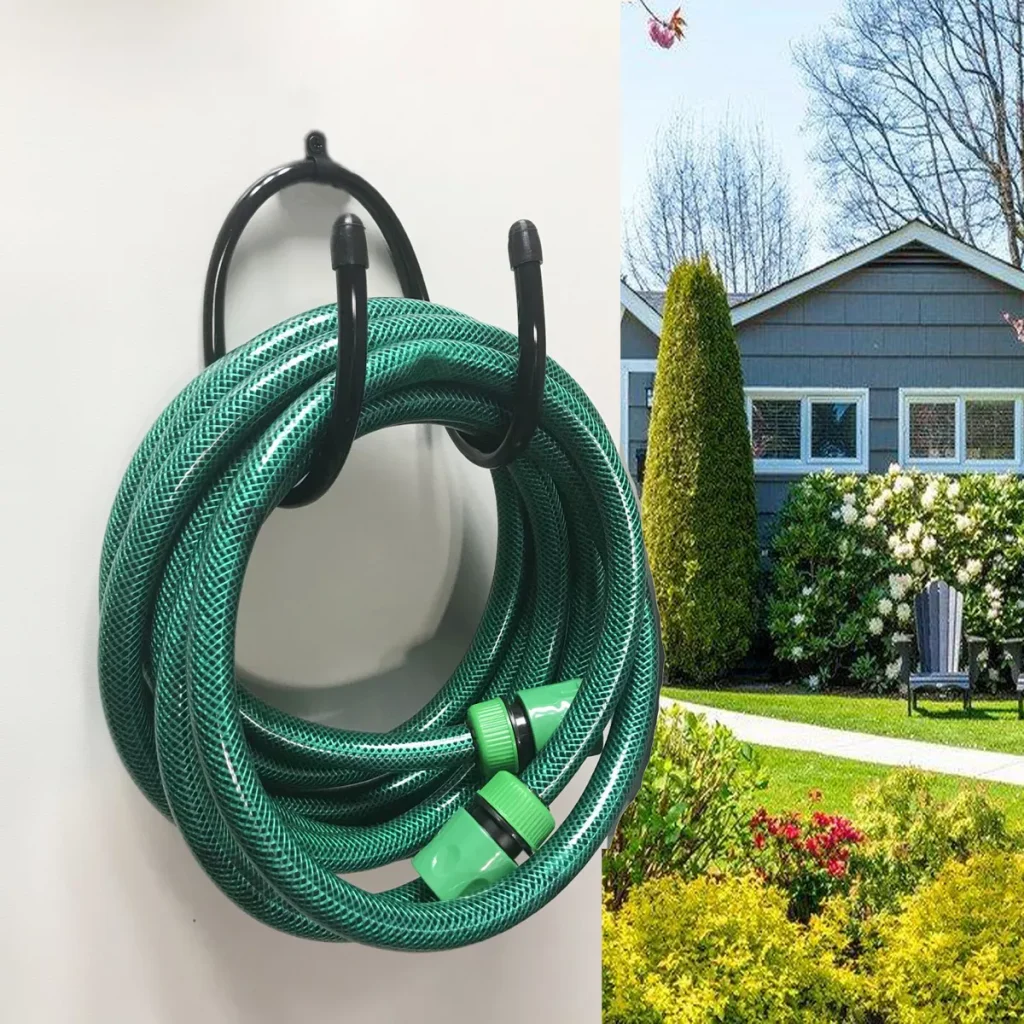
You’ve worked hard to keep your garden lush and beautiful. But what about your garden hose?
If you don’t store it properly, it can tangle, crack, or even leak, wasting your time and money. Imagine reaching for your hose and finding it ready to use—no kinks, no damage. You’ll discover simple and effective ways to store your garden hose that protect it all year round.
Keep reading to learn how a little care can make a big difference for your garden and your peace of mind.
:max_bytes(150000):strip_icc()/GettyImages-173017176-171100d66e9148aea66d2a4724b1f99f.jpg)
Credit: www.thespruce.com
Choosing The Right Hose
Picking the right garden hose is key for easy watering and storage. The hose type affects how you store and use it.
Look at the hose’s material, size, and strength. These factors help you choose a hose that lasts and fits your needs.
Material Matters
Garden hoses come in different materials like rubber, vinyl, and reinforced types. Each material has pros and cons.
Rubber hoses are flexible and strong but heavier. Vinyl hoses are light and cheaper but can crack in cold weather.
- Rubber: durable, flexible, lasts longer
- Vinyl: light, affordable, less durable
- Reinforced: strong, resists kinks, heavier
Length And Diameter Tips
Choose a hose length that fits your garden size. Too long makes storage hard. Too short limits reach.
Diameter affects water flow. Larger diameter means more water but heavier hose. Smaller diameter is lighter but less water.
- 25-50 feet: good for small yards
- 50-100 feet: suits medium to large yards
- Diameter 5/8 inch: common and balanced
- Diameter 1/2 inch: lighter, less flow
- Diameter 3/4 inch: heavier, more flow
Durability Factors
Check how well the hose handles sun, cold, and pressure. Durable hoses last longer and resist damage.
Look for hoses with UV protection and heavy-duty fittings. Good durability means easier storage without cracks or leaks.
- UV-resistant material prevents sun damage
- Heavy-duty connectors reduce leaks
- Crush-resistant hoses handle pressure better
- Freezing-resistant hoses avoid cracking
Preparing Hose For Storage
Storing your garden hose properly helps it last longer. Taking time to prepare the hose is important.
Follow simple steps to get your hose ready before putting it away for the season.
Draining Water Completely
Water left inside the hose can freeze and cause damage. Always drain the hose fully before storage.
Lift one end of the hose and let water flow out. Move the hose to remove all water.
Cleaning Before Storage
Dirt and debris can harm the hose material over time. Clean the hose before storing it.
Use a cloth or soft brush to wipe the hose surface. Rinse with water and let it dry fully.
- Remove dirt and mud
- Prevent mold and mildew
- Keep hose looking new
Checking For Damage
Inspect your hose for cracks, leaks, or worn spots before storage. Fix small problems to avoid bigger ones.
Look closely at the connectors and hose length. Replace parts if you see serious damage.
- Check for holes or splits
- Inspect connectors and fittings
- Test for leaks by running water
Storage Solutions
Proper storage of your garden hose is crucial. It helps maintain its condition. Explore various solutions to keep your hose neat and organized.
Choose the right option based on your needs. Consider factors like space and ease of access.
Wall-mounted Reels
Wall-mounted reels are perfect for saving space. They keep hoses off the ground, reducing wear and tear.
Install these reels on an exterior wall. They provide easy access and help in quick winding of the hose.
Portable Hose Carts
Portable hose carts offer flexibility. They can be moved around the garden, making watering tasks easier.
- Suitable for large gardens
- Comes with wheels for easy mobility
- Includes storage for additional tools
Storage Hooks And Hangers
Hooks and hangers are simple solutions. They are perfect for small spaces and easy to install.
| Type | Benefits |
| Metal Hooks | Durable and strong |
| Plastic Hangers | Lightweight and easy to install |
Indoor Vs Outdoor Storage
Decide between indoor and outdoor storage. Indoor storage protects from harsh weather, while outdoor storage offers convenience.
Consider the climate in your area. Choose the option that best preserves your hose’s lifespan.
:max_bytes(150000):strip_icc()/100353862-438baa9d09a44f6c9cc919b1b0159459.jpg)
Credit: www.thespruce.com
Techniques To Prevent Tangles
Storing a garden hose properly keeps it ready to use. Tangled hoses can cause frustration and damage. Using the right techniques helps keep your hose neat.
These tips show simple ways to stop your hose from tangling. Follow easy steps to make your hose last longer and work better.
Proper Coiling Methods
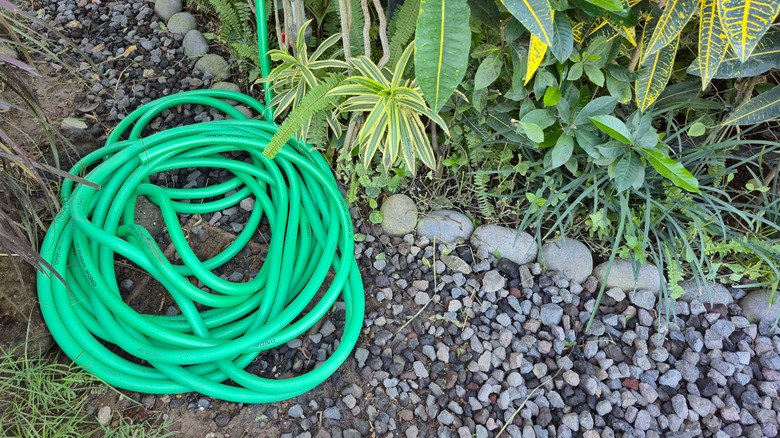
Coil your hose in large loops to avoid tight bends. Use your hand to guide the hose as you coil it. Keep the coils flat and even to prevent tangles.
- Make loops about 18-24 inches wide
- Lay the hose on the ground before coiling
- Coil in the same direction each time
- Avoid twisting the hose while coiling
Avoiding Twists And Kinks
Twists and kinks cause blockages and damage. Straighten the hose before storing it. Gently shake the hose to remove twists.
Do not pull the hose hard when unrolling. Pull the hose straight out and avoid sharp bends. Kinks happen when the hose bends too sharply.
- Unroll slowly and smoothly
- Keep the hose flat on the ground
- Do not bend the hose sharply
- Fix any kinks by running water through the hose
Using Hose Guides
Hose guides help direct the hose and stop it from tangling. They are useful near corners and sharp edges. Hose guides reduce wear and tear on the hose.
Install hose guides where the hose bends often. These guides keep the hose moving smoothly. They make storing and using the hose easier.
- Place guides at corners or garden beds
- Use plastic or metal hose guides
- Secure guides firmly to the ground
- Check guides regularly for damage
Maintaining Hose Longevity
Storing your garden hose properly helps it last longer. It prevents damage and keeps the hose ready to use.
Simple care steps can protect the hose from wear and tear. This guide shows how to store the hose well.
Protecting From Sun Damage
Sunlight can make the hose material weak. It causes cracks and leaks over time.
Keep the hose in shaded areas when not in use. Use hose reels or hangers to avoid direct sun exposure.
- Store hose under shade or indoors
- Use hose reels to keep it off the ground
- Avoid leaving hose in direct sunlight
Winter Storage Tips
Cold weather can freeze water inside the hose. Frozen water can burst the hose walls.
Drain all water before storing for winter. Store the hose in a dry and warm place.
- Drain water completely from the hose
- Store hose indoors or in a heated area
- Use a hose reel or coil neatly
Regular Inspection And Repairs
Check the hose often for holes and weak spots. Small leaks can become big problems later.
Fix minor damage quickly with tape or patches. Replace worn-out parts like washers to stop leaks.
- Inspect hose for cracks and leaks
- Repair small holes with hose repair tape
- Replace washers and connectors as needed
Credit: www.housedigest.com
Frequently Asked Questions
How Do I Store A Garden Hose Properly?
To store a garden hose properly, drain all water first. Coil it loosely to avoid kinks. Use a hose reel or hanger in a shaded, dry place to prevent damage and extend its life.
Can I Leave My Garden Hose Outside?
Leaving a garden hose outside can cause damage. Sunlight and extreme temperatures degrade the material. It’s best to store it indoors or in a shaded, dry area during off-seasons.
What Is The Best Way To Prevent Hose Kinks?
To prevent hose kinks, coil the hose loosely in large loops. Avoid tight bends and sharp twists. Using a hose reel or storage rack helps maintain its shape and prevents damage.
Should I Drain Water From My Garden Hose Before Storage?
Yes, always drain water before storing your hose. Water left inside can freeze and cause cracks. Draining also prevents mold and extends the hose’s lifespan.
Conclusion
Storing your garden hose properly saves space and extends its life. Keep it coiled and away from sharp objects. Store it in a cool, dry place to avoid damage. Avoid leaving water inside to prevent freezing or mold. Use hooks or reels to keep it neat and ready.
Taking these simple steps protects your hose for many seasons. Enjoy easy watering without hassle next time you garden. Simple care makes a big difference.