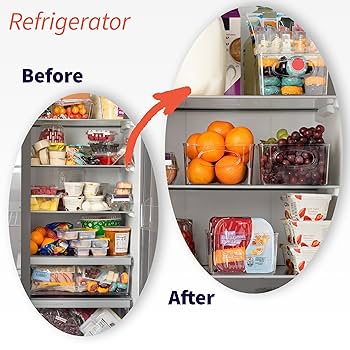
Are you tired of dealing with spoiled food and a messy fridge? Properly storing your refrigerator can make a world of difference.
Imagine opening your fridge to find everything organized, fresh, and easy to access. Sounds amazing, right? In this guide, you’ll discover simple and effective tips to maximize space, extend the life of your groceries, and create a clutter-free environment. By the end, you’ll feel more in control and confident, knowing your fridge is working efficiently for you.
Dive in to transform how you store your refrigerator, and enjoy a fresher, more organized kitchen experience!
Choose The Right Temperature
Choosing the right temperature for your refrigerator and freezer is key to keeping your food fresh and safe. If the temperature is too high, bacteria can grow quickly. Too low, and your food might freeze when it shouldn’t, affecting texture and taste.
Ideal Settings For Fridge And Freezer
Set your refrigerator temperature between 37°F and 40°F (3°C to 4°C). This range keeps your food cool enough to slow bacterial growth but prevents freezing.
Your freezer should be at 0°F (-18°C). This temperature keeps food frozen solid and preserves nutrients and flavor for longer periods.
Many fridges come with a digital display or a dial. Check the manual to find the exact settings that match these temperatures. Have you ever found your milk sour way before the expiration date? Incorrect temperature might be the culprit.
Avoiding Temperature Fluctuations
Constant temperature is as important as the right temperature. Opening the fridge door frequently or for long periods lets warm air in, causing fluctuations.
Keep your fridge and freezer organized so you can quickly find what you need. This reduces the time the door stays open.
Also, avoid overloading your fridge. Air needs to circulate to maintain a steady temperature. Have you noticed how a packed fridge sometimes feels warmer inside?
Lastly, place your fridge away from heat sources like ovens or direct sunlight. Heat can make your appliance work harder, increasing temperature swings.

Credit: www.her86m2.com
Organize Food Efficiently
Organizing your refrigerator efficiently can save you time, reduce food waste, and keep your kitchen cleaner. When you arrange your food properly, everything becomes easy to find and use before it spoils. Let’s look at two practical ways to make your fridge work better for you.
Separate Raw And Cooked Items
Keeping raw and cooked foods apart is crucial to avoid cross-contamination. Store raw meats, poultry, and seafood on the bottom shelf where their juices can’t drip onto other foods.
Cooked items and ready-to-eat foods should go on the upper shelves. This simple habit protects your meals and helps you feel confident about what you’re eating.
Use Clear Containers And Labels
Clear containers let you see what’s inside without opening them, so you won’t forget about leftovers or ingredients. Choose stackable containers to save space and keep the fridge tidy.
Adding labels with dates helps you track freshness. You might be surprised how much food you save just by knowing exactly when you stored something.
Maintain Cleanliness Regularly
Maintaining cleanliness regularly keeps your refrigerator fresh and safe. Dirt and spills can cause bad smells and bacteria growth. Clean your fridge often to avoid these problems. Regular cleaning also helps your fridge work better and last longer.
Safe Cleaning Methods
Use mild soap and warm water for cleaning. Avoid harsh chemicals that can damage surfaces or leave harmful residues. Remove all food before cleaning shelves and drawers. Use a soft cloth or sponge to wipe down all areas. Rinse with clean water and dry with a towel.
Preventing Mold And Odors
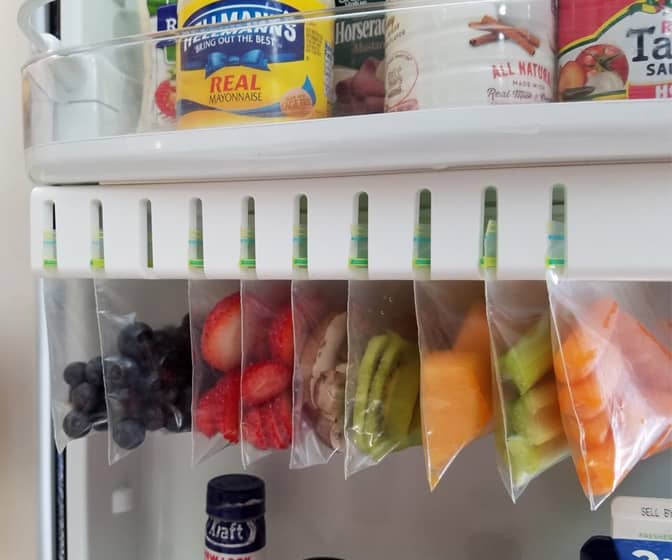
Check for spills and clean them immediately. Keep food sealed to stop moisture and smells. Use baking soda in an open container to absorb odors. Leave the fridge door open for a few minutes after cleaning to air it out. Regularly throw away expired or spoiled food to prevent mold growth.
Credit: www.thegreenhead.com
Manage Humidity Levels
Managing humidity levels in the refrigerator keeps produce fresh longer. Different fruits and vegetables need different humidity settings to stay crisp and tasty. Setting the right humidity slows down spoilage and preserves nutrients.
Use the humidity controls on your refrigerator drawers to create the best environment for your food. Check labels or guides to know which foods prefer high or low humidity. Proper humidity management reduces waste and saves money.
Use Crispers For Vegetables
Vegetables last longer in crispers with high humidity. Crispers trap moisture, preventing vegetables from drying out. Keep leafy greens, carrots, and broccoli in these drawers. Avoid opening the crispers too often to maintain moisture levels.
Store Fruits Separately
Fruits usually need low humidity to stay fresh. Store apples, berries, and citrus fruits in separate drawers or containers. This prevents moisture buildup that can cause mold or rot. Keeping fruits apart also stops the gas they release from spoiling vegetables.
Wrap And Seal Properly
Properly wrapping and sealing food before placing it in the refrigerator preserves freshness. It prevents moisture loss and stops odors from mixing. Correct wrapping also keeps bacteria out, reducing spoilage risks. This simple step extends the life of your groceries and helps maintain food quality.
Best Wrapping Materials
Choosing the right wrapping material is key for good storage. Use plastic wrap for short-term storage of fruits and vegetables. Aluminum foil works well for meats and cooked dishes. Reusable silicone bags are eco-friendly and airtight. Glass containers with lids offer a safe, leak-proof option. Paper towels can absorb moisture from leafy greens.
- Plastic wrap: seals tightly, good for quick use
- Aluminum foil: blocks light and air, ideal for meat
- Silicone bags: reusable, flexible, and airtight
- Glass containers: durable, safe for all foods
- Paper towels: absorb excess moisture from vegetables
Avoiding Cross-contamination
Cross-contamination spreads bacteria and causes foodborne illness. Always wrap raw meat separately from ready-to-eat foods. Use separate containers or bags for different food types. Label wrapped items to avoid confusion. Clean hands and surfaces before handling food. This habit keeps your refrigerator safe and clean.
Monitor Expiry Dates
Keeping track of expiry dates is essential to avoid food waste and keep your refrigerator safe. Ignoring those dates can lead to spoiled food and unpleasant surprises. By monitoring expiry dates, you protect your health and save money.
First In, First Out System
Use the First In, First Out (FIFO) system to manage your fridge items effectively. Place newly bought groceries behind older ones so you use the older products first. This simple habit prevents food from going bad unnoticed.
Labeling your items with the date you stored them can help you stay organized. For example, write the purchase date on a small sticker before placing jars or containers in the fridge. This makes it easier to spot what needs to be eaten soon.
Regularly Check Stored Items
Set a weekly reminder to inspect your fridge for expired or near-expiry items. This quick check helps you plan meals around what needs to be consumed first. You might discover forgotten leftovers or ingredients you can use creatively.
Discard anything that smells off or looks suspicious, even if the expiry date hasn’t passed. Trust your senses—they often catch spoilage before the date does. Have you ever eaten something past its date because it looked fine, only to regret it later?
Use Energy Efficient Practices
Energy efficiency in storing your refrigerator not only lowers your electricity bills but also extends the life of your appliance. Small habits can make a big difference in how much power your fridge uses daily. Let’s look at some simple yet effective ways to keep your fridge running efficiently.
Avoid Overloading The Fridge
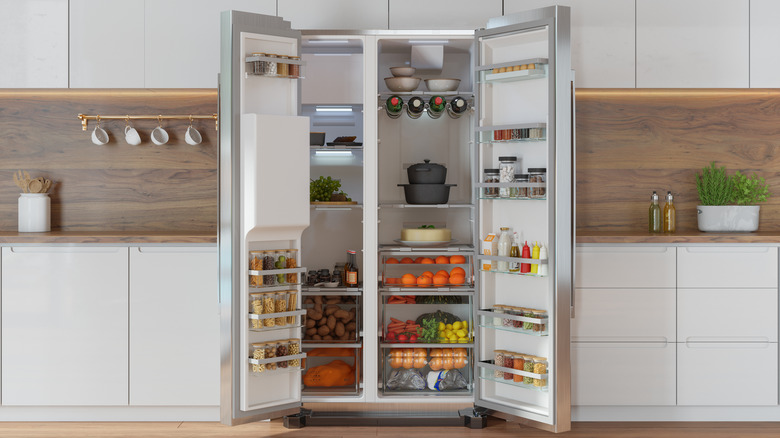
It might seem like a good idea to stuff your fridge full to save space, but overloading blocks air circulation inside. When air can’t circulate properly, your fridge works harder to keep everything cool, using more energy.
Think about your own experience: have you ever opened a packed fridge only to find warm spots at the back? That’s a sign of poor airflow. Try to leave some space between items so cold air can move freely.
- Organize items so they are not stacked tightly.
- Group similar foods together to make them easier to find and reduce door open time.
- Remove expired or unnecessary items regularly to free up space.
Keep Door Closed When Not In Use
Every time you open the fridge door, cold air escapes and warm air rushes in. This forces your fridge to use more energy to cool down again. How often do you find yourself standing with the door open, deciding what to eat?
Try to plan ahead before opening the door. Gather everything you need at once and close the door quickly.
- Check your fridge’s contents regularly so you don’t need to open the door as often.
- Use a checklist or menu plan to reduce “fridge browsing.”
- Make sure the door seal is tight and free from damage to keep cool air inside.
Credit: www.foodie.com
Frequently Asked Questions
How Do I Prepare My Refrigerator For Storage?
Clean the fridge thoroughly and defrost it completely. Remove all food items and unplug the appliance. Leave the door open to prevent odors and mold growth during storage.
What Is The Best Temperature For Storing A Refrigerator?
Store your refrigerator in a dry, cool place with temperatures between 50°F and 90°F. Avoid extreme heat or freezing conditions to protect its components.
Should I Keep The Refrigerator Door Open Or Closed?
Keep the door slightly open to allow air circulation. This prevents mold and unpleasant smells from developing inside the appliance.
How To Protect Refrigerator Parts During Storage?
Remove shelves and drawers, wrap them in bubble wrap or cloth. Cover the fridge exterior with a breathable cover to avoid dust and scratches.
Conclusion
Storing your refrigerator correctly keeps food fresh and safe longer. Clean it often to stop bad smells and bacteria. Keep items organized so you find things quickly. Avoid overloading shelves to let air flow well. Check seals to keep cold air inside.
These simple steps help your fridge work better and save energy. Caring for your fridge protects your food and your wallet. Remember, a well-kept fridge makes daily life easier and healthier.