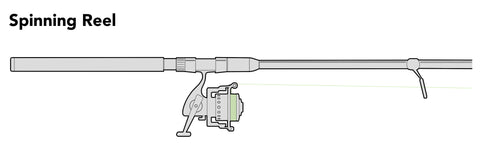
Are you tired of your fishing line tangling or breaking just when you’re about to catch a big one? Knowing how to string your fishing line correctly can make all the difference between a frustrating day and a successful fishing trip.
In this guide, you’ll discover simple, step-by-step techniques that anyone can follow to get your line set up perfectly every time. By the end, you’ll feel confident and ready to reel in your next catch without any hassle. Keep reading, and let’s make your fishing experience smoother and more enjoyable.

Credit: www.wikihow.com
Choosing The Right Fishing Line
Picking the right fishing line is important for a good fishing experience. The line helps you catch fish and handle different water conditions.
Knowing about fishing lines helps you choose one that fits your fishing style and target fish.
Types Of Fishing Lines
There are three main types of fishing lines: monofilament, fluorocarbon, and braided. Each type has its own features and uses.
- Monofilament:Flexible and easy to handle. Good for beginners.
- Fluorocarbon:Hard to see underwater. Great for clear water.
- Braided:Very strong and thin. Best for heavy cover fishing.
Line Strength And Diameter
Line strength is measured by its breaking point, called pound test. Diameter affects how the line moves and its visibility in water.
| Type | Strength Range (lbs) | Typical Diameter (inches) |
| Monofilament | 4 to 30 | 0.010 to 0.035 |
| Fluorocarbon | 6 to 50 | 0.009 to 0.030 |
| Braided | 10 to 80+ | 0.006 to 0.020 |
Matching Line To Fishing Conditions
Choose your line by thinking about water type, fish size, and fishing style. The right line improves your chance to catch fish.
- Clear water: Use thin, low-visibility lines like fluorocarbon.
- Heavy cover: Use strong braided lines to avoid breaks.
- Light fish: Use light monofilament for better sensitivity.
- Saltwater: Choose lines that resist salt and sun damage.

Credit: www.youtube.com
Preparing Your Fishing Reel
Getting your fishing reel ready is important before stringing the line. A well-prepared reel helps your line spool smoothly and lasts longer.
This guide covers cleaning and inspecting your reel, choosing the right spool size, and setting the drag and tension correctly.
Cleaning And Inspecting The Reel
Clean your reel to remove dirt, salt, and old line. This keeps it working well and prevents damage.
Look for cracks, rust, or worn parts. Fix or replace damaged parts before adding new line.
- Use a soft cloth and mild soap to clean the surface
- Check the spool, handle, and drag system for smooth movement
- Apply lubricant to moving parts if needed
Selecting The Spool Size
Choose a spool size that fits your fishing needs. Bigger spools hold more line and suit bigger fish.
Smaller spools work well for light lines and small fish. Match the spool size to your fishing rod and line type.
- Large spool: more line, good for deep water fishing
- Medium spool: versatile for many fishing styles
- Small spool: light lines, easy to cast
Setting Drag And Tension
Set drag to control how much resistance the fish feels. Proper drag prevents line breakage during a fight.
Adjust tension to help the line spool evenly. Too tight or loose tension causes problems while casting or reeling.
- Start drag low, then increase as needed
- Check tension by turning the spool by hand
- Adjust tension knob to keep line tight but smooth
Attaching The Line To The Reel
Attaching the fishing line to the reel is the first step to prepare for fishing. It ensures the line stays secure and does not slip off the spool.
This process involves tying a strong knot and securing the line properly to the spool. Follow the steps carefully for a good setup.
Tying The Arbor Knot
The arbor knot holds the line tightly to the reel’s spool. It is simple and reliable for most fishing reels.
- Pass the line around the reel spool.
- Tie an overhand knot around the standing line.
- Tie a second overhand knot on the tag end.
- Pull both knots tight against the spool.
- Trim any excess line close to the knot.
Securing The Line To The Spool
After tying the knot, secure the line on the spool to avoid slipping. This keeps the line neat and ready for casting.
| Tip | Description |
|---|---|
| Keep Tension | Hold the line tight while winding it on the spool. |
| Wind Evenly | Wrap the line evenly to avoid tangles and overlaps. |
| Fill Properly | Leave a small gap at the top of the spool to prevent overfilling. |

Credit: www.youtube.com
Spooling The Line Correctly
Spooling fishing line the right way helps you avoid many problems. It keeps the line strong and ready for fishing.
Using the correct technique saves time and makes fishing more enjoyable. Follow simple tips to spool your line well.
Maintaining Proper Tension
Keep steady tension on the line while spooling. Loose line can cause tangles and weak spots.
You can hold the line between your fingers or use a cloth for grip. Make sure the line stays tight but not too tight.
Avoiding Line Twists And Tangles
Line twists happen when the line spins too much during spooling. Twists cause knots and weak spots.
Feed the line straight from the spool or use a swivel to stop twisting. Check the line often for loops or tangles.
- Keep the spool in line with your reel
- Let the line flow smoothly without sudden pulls
- Use a swivel if the line twists too much
Filling The Spool To The Right Level
Do not overfill the spool with too much line. Overfilling causes line to catch on the reel edges.
Leave about 1/8 inch (3 mm) space from the spool edge. This helps the line flow smoothly when casting.
- Fill the spool evenly without gaps
- Stop adding line when near the spool edge
- Check the line level before fishing
Finishing The Setup
After threading your fishing line through the rod guides, it is time to finish setting it up. Proper finishing keeps your line secure and ready for fishing.
Follow the steps below to cut, secure, attach tackle, and test your line and reel for best results.
Cutting And Securing The Line End
Use sharp scissors or line cutters to trim the fishing line end cleanly. Avoid frayed ends as they can weaken your setup.
After cutting, tie a simple knot near the reel spool or use a line stopper. This stops the line from slipping back into the reel.
- Cut line about 6 inches past the reel spool
- Tie an overhand knot or use a rubber band
- Check that the line is tight and secure
Attaching Terminal Tackle
Terminal tackle includes hooks, swivels, and sinkers. Attach these items to the end of your line carefully.
Use appropriate knots like the improved clinch knot or Palomar knot to secure tackle. These knots hold well under tension.
- Thread the line through the terminal tackle eye
- Make 5-7 wraps around the line
- Pass the tag end through the loop and tighten
Testing The Line And Reel
Before fishing, test the line and reel to ensure they work smoothly. This avoids problems on the water.
Pull on the line gently to check for secure knots. Turn the reel handle to feel for smooth operation without snagging.
- Check all knots for tightness
- Test reel drag by pulling line
- Spin reel handle to confirm smoothness
Common Mistakes To Avoid
Stringing fishing line may seem easy, but small mistakes can cause big problems. Knowing what to avoid helps you fish better and protect your gear.
This guide covers common errors that anglers make. Avoid these to keep your fishing line strong and ready.
Overfilling The Spool
Putting too much line on your spool can cause tangles and line breakage. It also reduces casting distance and accuracy.
- Fill the spool to about 1/8 inch below the rim.
- Check the spool size and line capacity before filling.
- Avoid packing line tightly; it should lay smoothly.
Using Wrong Knot Types
Different fishing situations need different knots. Using the wrong knot can make your line slip or break easily.
| Knot Type | Best Use | Common Mistake |
| Improved Clinch Knot | General tying to hooks | Too few wraps causes slipping |
| Palomar Knot | Heavy line and braided line | Not moistening knot before tightening |
| Uni Knot | Versatile and strong connection | Incorrect threading weakens knot |
Ignoring Line Condition
Old or damaged fishing line breaks easily. Regularly checking line condition avoids losing fish and gear.
- Look for frays, nicks, or discoloration on the line.
- Replace the line if it feels rough or brittle.
- Store line away from sunlight and heat.
- Re-spool your line at least once per season.
Tips For Maintaining Your Fishing Line
Keeping your fishing line in good shape helps you catch more fish. Proper care prevents line breaks and tangles.
Use simple steps to check and store your line. These tips make your fishing trips smoother and more fun.
Regular Inspection
Look at your fishing line before and after each trip. Check for cracks, nicks, or weak spots that could break.
Run the line between your fingers slowly. Feel for rough or thin areas that need attention.
- Check for discoloration or fraying
- Look for damage near the knot or lure
- Replace line that feels rough or weak
Replacing Old Line
Old fishing line loses strength over time. Replace it regularly to avoid losing fish or gear.
Change your line if it has been on your reel for several months. Fresh line improves casting and reduces breakage.
- Replace line after 3-6 months of use
- Use the right type and strength for your fishing
- Spool line tightly and evenly on your reel
Proper Storage Techniques
Store your fishing line in a cool, dry place. Heat and sunlight can weaken the line and cause damage.
Keep the line on the reel or spool to avoid tangles. Use a line holder or plastic wrap if needed.
- Avoid direct sunlight and high temperatures
- Keep line away from sharp objects
- Store spools vertically to prevent deformation
Frequently Asked Questions
How To Start Stringing A Fishing Line?
Begin by selecting the right fishing line for your reel. Open the bail and thread the line through the rod’s guides. Secure it to the spool with an arbor knot. Ensure it’s tight and evenly distributed. Finally, close the bail and trim any excess line for a smooth fishing experience.
What Tools Are Needed For Stringing Fishing Line?
You’ll need a spool of fishing line, scissors, and your fishing reel. A fishing line winder can help ensure an even distribution on the spool. These tools make the process efficient and stress-free, preparing you for a successful fishing trip.
How Do I Tie An Arbor Knot?
Start by wrapping the line around the spool, forming a loop. Pass the line’s end through the loop, creating a second loop. Tighten the knot by pulling the tag end and main line. This knot is simple, strong, and ideal for securing the line to the reel.
Why Is Line Tension Important When Stringing?
Proper line tension prevents tangles and ensures smooth casting. It helps distribute the line evenly on the spool, reducing the risk of line twists. Keeping the line taut during spooling maximizes efficiency, providing a better fishing experience and enhancing overall performance.
Conclusion
Stringing fishing line takes patience and practice. Start slow and follow each step carefully. Use the right tools and materials for best results. Check knots and tension before casting your line. Keep your gear clean and well-maintained for longer use.
Fishing becomes more fun when your line is set properly. Try different knots to find what works best. Practice often to build confidence and skill. Soon, you will enjoy smoother fishing trips every time. Simple steps lead to better fishing experiences.