Is your air conditioner not cooling like it used to? The problem might be with your compressor, a key part that keeps your home comfortable.
Knowing how to test your air conditioner compressor can save you time and money on repairs. In this guide, you’ll learn simple steps to check if your compressor is working properly. By the end, you’ll feel confident in spotting issues early and deciding when to fix or replace it.
Keep reading to protect your cooling system and stay cool all season long.

Credit: www.acservicetech.com
Signs Of A Faulty Compressor
Common symptomsof a faulty air conditioner compressor include strange noises like clicking or buzzing. The AC may blow warm air instead of cold. You might notice the unit turning on and off quickly or not starting at all. Sometimes, the compressor gets very hot or trips the circuit breaker.
Impact on AC performanceis serious. A bad compressor reduces cooling power. The whole system works harder, using more energy. This can increase your electric bills. Over time, other parts may wear out faster. The AC might stop working altogether, causing discomfort during hot days.

Credit: www.youtube.com
Tools Needed For Testing
Multimeteris essential to check electrical parts of the compressor. It measures voltage, current, and resistance. This tool helps find if the compressor coil is broken or shorted.
Manifold Gauge Setis used to check the pressure inside the air conditioning system. It shows if the compressor is pumping refrigerant properly. The gauge set has hoses and dials for high and low pressure.
Safety Gearprotects you while testing. Wear gloves and safety glasses to avoid injury. Working with electrical parts and refrigerants can be dangerous without protection.
Preparing The Ac Unit
Always turn off the powerbefore working on the AC unit. This step is crucial for safety. Use a voltage tester to confirm no electricity flows to the unit. Wear insulated glovesand avoid wet surfaces.
Remove the outer cover of the air conditioner to access the compressor. Be gentle with screws and wires. Note the location of each part to help during reassembly. The compressor is usually a large, cylindrical metal partinside the unit.
Testing Electrical Components
Check the capacitorby turning off the power first. Use a multimeter set to the capacitance mode. Disconnect the capacitor wires carefully. Place the meter probes on the terminals. Compare the reading with the capacitor’s rated value. A low or zero reading means the capacitor is bad.
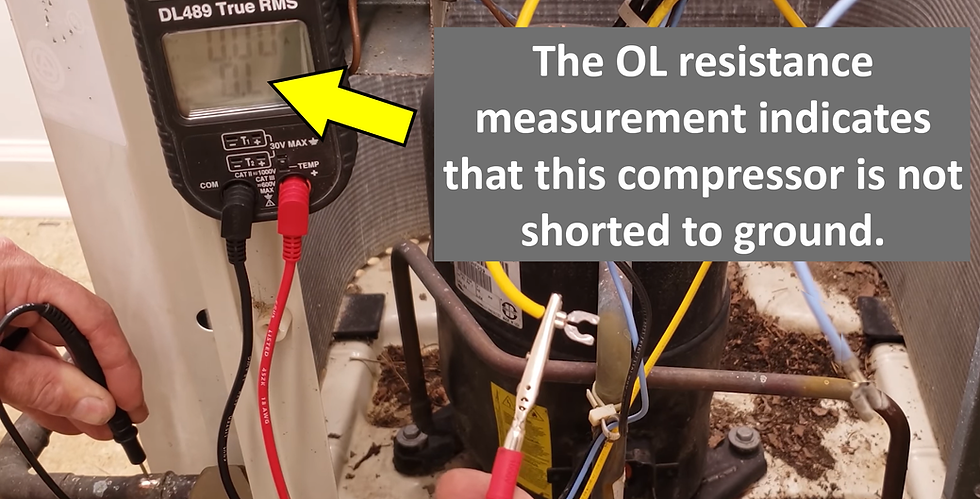
Measure resistance of compressor windingsusing an ohmmeter. Disconnect all wires from the compressor terminals. Test between the common, start, and run terminals. The readings should match the compressor’s specs. Infinite or zero resistance shows a faulty winding.
Inspect the contactorfor any signs of damage or burning. Check if the contact points are clean and not stuck. Use a multimeter to test the coil resistance. A damaged contactor can stop the compressor from working properly.
Assessing Compressor Functionality
Manifold gauges help measure the pressureinside the AC system. Connect the gauges to the compressor’s service ports. High or low pressure readings can show if the compressor is working well. Compare the readings with the manufacturer’s recommended pressure levels. Uneven or abnormal pressures might mean the compressor needs repair or replacement.
Unusual noises, like grinding, rattling, or hissing, often signal compressor issues. These sounds suggest parts inside the compressor may be damagedor worn out. Listen closely while the AC is running for any strange or loud noises. Quiet operation usually means the compressor is functioning properly.
Overheating can cause the compressor to fail quickly. Check if the compressor feels too hot to touchafter running for a while. Excess heat can result from poor lubrication, electrical problems, or blocked airflow. Make sure the compressor has enough ventilation and is clean to avoid overheating.
Interpreting Test Results
Normal readingsshow expected resistance and continuity in the compressor windings. The compressor should not have any open or short circuits. Voltage readings must match the manufacturer’s specifications. Proper resistance values ensure the compressor is working well.
Abnormal readingsmay include very high or low resistance or no continuity. These signs indicate problems like burnt windings or internal damage. Unusual voltage readings can also show electrical issues.
| Reading Type | Normal Range | Abnormal Signs |
|---|---|---|
| Resistance | Specified by manufacturer, usually low ohms | Open circuit (infinite), short circuit (near zero) |
| Voltage | Matches power supply and compressor specs | Too high, too low, or fluctuating |
Replace the compressorif readings show open or short circuits. Frequent tripping of breakers or overheating are also signs. Mechanical noises or failure to start suggest replacement. Always confirm with a professional technician before deciding.
Safety Tips During Testing
Handling electrical componentsrequires care to avoid shocks. Always turn off powerbefore touching wires or terminals. Use insulated toolsand wear rubber gloves. Check for damaged wiresor loose connections before testing. Avoid working in wet areasto reduce risk.
Avoiding refrigerant exposureis crucial. Refrigerants can cause skin burnsand breathing problems. Wear safety glassesand gloves when handling refrigerants. Never punctureor release refrigerantinto the air. Work in a well-ventilated areato avoid inhaling fumes.

Credit: www.achrnews.com
Frequently Asked Questions
How Do I Know If My Ac Compressor Is Bad?
A faulty AC compressor may cause warm air or unusual noises. It can also lead to the AC system not starting. Regular maintenance checks can help identify issues early. If you suspect a problem, consult a professional for a thorough inspection.
Can I Test My Ac Compressor Myself?
Yes, you can test your AC compressor with basic tools. Use a multimeter to check for electrical continuity. Listen for unusual noises or vibrations. Always turn off the power before testing. If unsure, it’s best to seek professional help to avoid damage.
What Tools Are Needed To Test An Ac Compressor?
To test an AC compressor, you’ll need a multimeter and a wrench. A clamp meter can also be useful. Ensure you have safety gear like gloves and goggles. These tools help in checking electrical continuity and inspecting mechanical parts safely.
Why Is My Ac Compressor Not Working?
An AC compressor might not work due to electrical issues or refrigerant leaks. Dirty coils or blocked suction lines can also be causes. Regular maintenance helps prevent these issues. Contact a professional for a detailed diagnosis and repair.
Conclusion
Testing your air conditioner compressor helps keep your home cool and comfortable. Use a multimeter to check electrical parts carefully. Listen for strange noises that may signal problems. Clean the compressor area to avoid dirt buildup. Regular checks can save money on big repairs later.
Stay safe by turning off power before testing. Knowing how to test the compressor gives you control. Keep your AC running smoothly with simple steps. Small efforts prevent major breakdowns and discomfort. Take time now to ensure your AC works well.