
Is your air conditioner not cooling like it used to? You might be wondering how to test your air conditioner to make sure it’s working properly.
Knowing the right steps can save you time, money, and discomfort during hot days. You’ll discover simple and effective ways to check your AC’s performance. By the end, you’ll feel confident about spotting problems early and keeping your home cool all summer long.
Keep reading to learn how to test your air conditioner like a pro.

Credit: www.youtube.com
Check The Thermostat Settings
Set the thermostat to the temperature you want. This tells the air conditioner to cool or heat the room. Check if the display shows the right temperature setting. A wrong setting can stop the AC from working well.
Switch the thermostat between different modes like cool, heat, fan, or auto. Each mode tells the AC what to do. For example, “cool” makes the room cold, and “fan” moves air without cooling. Make sure the AC reacts correctly to each mode.
- Set the temperature lower than room temperature for cooling.
- Try heating mode if your AC has it.
- Use fan mode to check airflow without cooling.
- Auto mode lets the AC choose heating or cooling.
Inspect The Air Filter
First, find the air filter in your air conditioner. It is usually near the front or side panel. Gently slide or pull it out to remove.
Check the filter for dust and dirt. A dirty filter blocks airflow and lowers cooling power. Clean the filter if it looks dusty. Use water and mild soap. Let it dry completely before putting it back.
If the filter is torn or very dirty, replace it with a new one. A clean filter helps the air conditioner work better and saves energy.
Examine The Airflow
Feel the air coming out of the vents. It should be strong and cool. Weak airflow means there might be a problem inside the unit.
Check for any dust or objects blocking the vents. Clear blockagesto help air flow freely. Blocked vents can lower the AC’s performance.
Make sure nothing is covering the vents like furniture or curtains. This stops air from spreading well in the room.
- Turn on the AC and place your hand near each vent.
- Notice if the air feels cold and strong.
- Look around vents for dust or dirt build-up.
- Move any objects that block air from flowing.
- Clean vents carefully with a soft cloth or brush if dusty.
Listen For Unusual Noises
Unusual noises can signal problems in an air conditioner. Common sounds include:
- Buzzing:Might mean electrical issues or loose parts.
- Grinding:Could be worn-out motor bearings.
- Rattling:Often caused by loose screws or debris.
- Hissing:May show refrigerant leaks.
- Clicking:Usually a sign of a faulty relay or thermostat.
Troubleshoot noise problems by first turning off the unit. Check for loose parts or debris. Tighten screws and clean vents. If noise continues, call a technician.
Measure The Temperature Difference
Use a thermometerto check air temperature before and after the air conditioner. Measure the air coming out of the vents and the air near the intake.
Record both temperatures to find the temperature difference. This difference shows how well the AC cools the air. A good AC usually cools the air by about 15 to 20 degrees Fahrenheit.
Calculate the cooling efficiencyby subtracting the vent temperature from the intake temperature. The bigger the difference, the better the AC works.
- Set the thermometer at the air intake.
- Set the thermometer at the air vent.
- Note both readings after running AC for 10 minutes.
- Find the difference between the two temperatures.
- Check if the difference is within 15-20 degrees Fahrenheit.

Credit: imhomeinspections.com
Inspect The Outdoor Unit
Clear away leaves, dirt, and other debrisaround the outdoor unit. This helps the air conditioner work better and last longer. Debris can block airflow and cause the unit to overheat.
Look closely at the fan blades. Make sure they spin freelyand without noise. A fan that doesn’t move well can reduce cooling power.
- Check for bent or broken fan blades.
- Listen for unusual sounds when the fan runs.
- Make sure nothing is blocking the fan.
Test The Drainage System
The drain linecarries water away from the air conditioner. It is usually a white PVC pipe near the unit. Sometimes it runs to the outside or to a drain inside the house.
Check for any clogsin the drain line. Clogs cause water to back up and can damage the unit. Use a wet/dry vacuum to clear the line or a thin brush to push out debris.
- Locate the drain line near the indoor unit.
- Look for water leaks or buildup around the line.
- Use a vacuum or brush to clear blockages.
- Pour a cup of vinegar down the drain to prevent future clogs.
Evaluate The Overall Performance
Check the energy meterto see how much power the air conditioner uses. A high reading might mean the unit is not working well. Compare the current consumption with past bills to spot changes.
Regular professional maintenancehelps keep the air conditioner running smoothly. Experts clean filters, check coolant levels, and test all parts. This service can prevent breakdowns and save money.
- Clean or replace filters every 1-3 months.
- Check for unusual noises or smells.
- Keep outdoor units clear of debris.
- Seal any air leaks around windows and doors.
Credit: thecoolingco.com
Frequently Asked Questions
How Do I Test My Air Conditioner Efficiency?
To test efficiency, measure the temperature difference between the intake and output vents. A difference of 15-20°F is ideal. Ensure the air filter is clean and the thermostat is working correctly. Regular maintenance can help maintain efficiency and prolong the air conditioner’s lifespan.
What Tools Do I Need To Test Ac Performance?
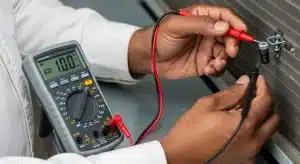
You’ll need a thermometer to measure air temperature at vents. A multimeter can check electrical components. Ensure you have a clean filter and access to the AC unit. Always follow safety precautions when working with electrical appliances.
How Can I Test My Ac’s Cooling Capacity?
First, set the thermostat to a low temperature. After 15 minutes, measure the air temperature at the output vent. A 15-20°F drop from the room temperature indicates proper cooling capacity. If not, consider checking refrigerant levels or contacting a professional.
What Signs Indicate My Ac Needs Testing?
If your AC blows warm air, cycles on and off, or has unusual noises, it needs testing. Increased energy bills and poor airflow are also signs. Regular testing can prevent major issues and ensure efficient operation.
Conclusion
Testing your air conditioner regularly keeps it running smoothly. Check the temperature, airflow, and noise to spot problems early. Clean or replace filters to improve performance. Simple tests save money by avoiding big repairs later. Stay comfortable during hot days by keeping your AC in good shape.
Regular checks also help your unit last longer. Take a few minutes to test your air conditioner often. It makes a big difference in staying cool and saving energy.