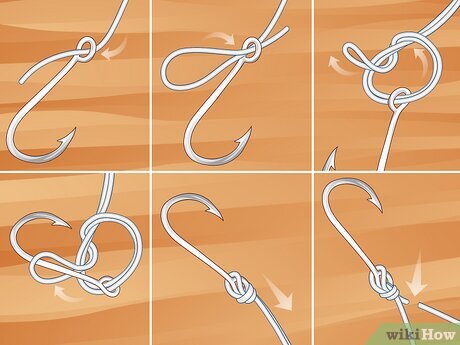
Tying a fish hook on your line might seem tricky at first, but it’s an essential skill every angler needs to master. Whether you’re new to fishing or want to improve your technique, knowing the right knot can make all the difference.
A strong, secure knot keeps your hook in place and helps you catch more fish without losing your bait. You’ll learn simple, step-by-step methods to tie your hook quickly and confidently. Ready to boost your fishing game? Let’s dive in and get your line hooked up the right way!
Choosing The Right Hook And Line
Knowing how to tie a fish hook on the line starts with choosing the right hook and line. This choice helps catch fish more easily.
Using the correct hook and line keeps your gear strong and works well for different fish types.
Types Of Fishing Hooks
Fishing hooks come in many shapes and sizes. Each type fits certain fishing needs and fish species.
- J-Hooks: Classic shape, good for most fish
- Circle Hooks: Reduce fish injury, good for catch and release
- Trebles: Three hooks in one, used for lures
- Siwash Hooks: Used for replacing treble hooks on lures
- Bait Hooks: Designed to hold live or dead bait securely
Selecting The Suitable Fishing Line
Fishing lines vary by material and strength. Choose a line that fits your fishing style and water conditions.
- Monofilament: Flexible and easy to handle
- Fluorocarbon: Hard to see underwater, good for clear water
- Braid: Strong and thin, good for heavy cover
Matching Hook And Line Strength
Match your hook size and line strength to avoid losing fish. Stronger lines need bigger hooks.
| Hook Size | Recommended Line Strength (lbs) |
|---|---|
| Small (size 10-14) | 2-6 |
| Medium (size 6-8) | 8-14 |
| Large (size 1-4) | 15-30 |
Preparing The Line And Hook
Tying a fish hook on the line is crucial for successful fishing. Proper preparation ensures a secure knot.
Let’s explore how to prepare both the line and the hook effectively. This will help you get ready for your next fishing adventure.
Trimming And Straightening The Line
Before tying the hook, make sure your line is in the best condition. A well-prepared line is easier to work with and more reliable.
- Cut any frayed ends with scissors.
- Ensure the line is straight and untangled.
- Use a line straightener if necessary.
Inspecting The Hook For Damage
Check your fish hook carefully before tying it to the line. A damaged hook can ruin your fishing experience.
| Inspection Point | What to Check |
| Hook Point | Ensure it’s sharp and intact |
| Eye of the Hook | No rust or deformation |
| Overall Structure | Look for bends or breaks |
Popular Knot Techniques
Tying a fish hook to the line is a key skill for fishing. Using strong knots keeps your hook secure.
Here are three popular knots used by anglers around the world. Each knot has its own benefits and uses.
Improved Clinch Knot
The Improved Clinch Knot is simple and reliable. It works well with most fishing lines and hooks.
- Thread the line through the hook eye.
- Wrap the tag end around the standing line five to seven times.
- Pass the tag end through the small loop near the eye.
- Then pass it through the big loop you just created.
- Wet the knot and pull tight.
Palomar Knot
The Palomar Knot is strong and easy to tie. It works best with braided lines and keeps the hook from slipping.
| Action | Description |
| Double the line | Make a loop and pass it through the hook eye. |
| Tie an overhand knot | Loose knot with the doubled line around the hook. |
| Pass hook through loop | Pull the hook through the big loop. |
| Pull tight | Moisten the knot and pull both ends firmly. |
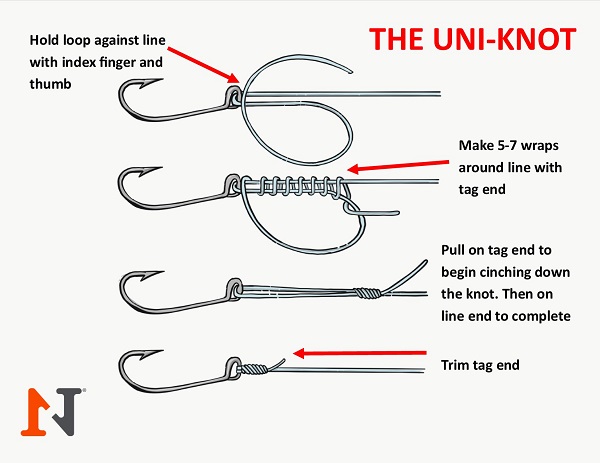
Uni Knot
The Uni Knot is versatile and strong. It works well for tying hooks or joining lines of different sizes.
Follow these steps to tie the Uni Knot:
- Pass the line through the hook eye, doubling back parallel.
- Make a loop by laying the tag end over the doubled line.
- Wrap the tag end around both lines five times.
- Pull the tag end to tighten the coils.
- Slide the knot down to the eye and pull tight.

Credit: www.ohero.com
Step-by-step Knot Tying
Tying a fish hook securely to the line is important for fishing success. A strong knot keeps the hook from slipping off.
Here are three easy knots to learn. Each one works well for different fishing lines and hooks.
Tying The Improved Clinch Knot
Start by passing the line through the eye of the hook. Then wrap the tag end around the standing line five to seven times.
Next, thread the tag end through the small loop near the eye. Pull it tight and trim the extra line.
- Pass line through hook eye
- Wrap 5-7 times around standing line
- Thread tag end through loop by eye
- Pull tight and trim excess
Tying The Palomar Knot
Double about six inches of line and pass it through the hook eye. Tie a loose overhand knot with the doubled line.
Pass the hook through the loop of the overhand knot. Pull both ends of the line to tighten the knot around the hook.
- Double 6 inches of line
- Pass through hook eye
- Tie loose overhand knot
- Pass hook through loop
- Pull ends to tighten
Tying The Uni Knot
Pass the line through the hook eye and double back alongside the standing line. Make a loop by laying the tag end over the doubled lines.
Wrap the tag end around the doubled lines five to six times. Pull the tag end to tighten the coils, then slide the knot down to the eye.
- Pass line through hook eye
- Double back along standing line
- Make a loop with tag end
- Wrap tag end 5-6 times
- Pull tight and slide knot to eye
Tips For Stronger Knots
Tying a fish hook on the line needs a strong knot. A strong knot holds the hook firmly and stops it from slipping.
Here are some tips to help you tie knots that last longer and work better while fishing.
Moistening The Knot
Wet the knot with water or saliva before tightening. This reduces friction and heat.
Moistening helps the line slide smoothly and stops it from weakening or breaking.
Pulling The Knot Tight
Pull the knot slowly and evenly to tighten it. Avoid pulling too fast or hard.
Even pulling keeps the knot neat and strong. It also stops the line from twisting or snapping.
Trimming Excess Line
Cut off the extra line close to the knot. Leave a small tail to avoid slipping.
Use sharp scissors or nail clippers for a clean cut. This keeps your knot tight and tidy.

Credit: greensafaris.com
Common Mistakes To Avoid
Tying a fish hook correctly is important for a strong catch. Many anglers make simple errors that cause lost fish.
Knowing what mistakes to avoid helps you tie better knots and fish more successfully.
Loose Knots
Loose knots can slip and fail when a fish pulls hard. Tight knots hold better and keep the hook secure.
- Always pull the knot tight before cutting the tag end.
- Wet the line with water or saliva to reduce friction when tightening.
- Check the knot by pulling firmly to test its strength.
Wrong Knot Selection
Not all knots work well with every type of line and hook. Choosing the wrong knot weakens your setup.
| Knot Type | Best For | Not Recommended For |
| Improved Clinch Knot | Monofilament Lines | Heavy Braided Lines |
| Palomar Knot | Braided and Monofilament | Fluorocarbon Line |
| Snell Knot | Circle Hooks | Standard Hooks |
Neglecting Knot Inspection
Skipping knot checks can lead to failure at the worst time. Always inspect your knot before fishing.
- Look for any gaps or loose wraps.
- Ensure the knot is tight and neat.
- Check the tag end is trimmed properly.
- Test the knot by pulling hard on the line.
Testing And Maintaining Knots
Tying a strong knot is key to successful fishing. Testing and caring for your knots helps avoid losing fish.
Regular checks keep your knots reliable. This guide explains how to test and maintain your fishing knots.
Checking Knot Strength
After tying a knot, always check its strength. Pull the line firmly to feel if the knot holds tight.
Look for any slipping or loosening. A strong knot should not move or come undone under pressure.
- Pull the line slowly to test tension
- Watch the knot for any sliding
- Make sure the knot stays tight
- Check both sides of the knot
Re-tying Worn Knots
Knots can wear out after use or strain. Always re-tie knots that look frayed or weak.
Do not risk fishing with old knots. Fresh knots are safer and less likely to break.
- Cut old knots off the line
- Use clean line sections for new knots
- Tie knots tightly and trim excess line
- Test new knots before fishing
Storing Tied Hooks Properly
Storing hooks with tied knots needs care. Keep knots dry to avoid weakening the line.
Use a tackle box with separate compartments. This prevents knots from getting tangled or damaged.
- Keep hooks in dry, cool places
- Separate hooks to avoid tangles
- Check knots before each fishing trip
- Replace knots if line shows wear
Credit: n1outdoors.com
Frequently Asked Questions
How Do You Tie A Fish Hook Securely?
To tie a fish hook securely, use strong knots like the improved clinch knot. Ensure the line wraps tightly around the hook eye. Pull the knot firmly and trim excess line for a neat finish. This prevents slipping and increases fishing success.
What Is The Easiest Knot To Tie A Fish Hook?
The easiest knot to tie a fish hook is the improved clinch knot. It’s simple and reliable for most fishing lines. Loop the line through the hook eye, twist five times, then pass the end through the loop. Tighten and trim for best results.
How Much Line Should I Leave When Tying A Hook?
Leave about 6 inches of line when tying a fish hook. This length allows proper wrapping and knot tightening. It prevents the knot from loosening and ensures a strong, secure connection between the hook and the line.
Can I Tie A Fish Hook Without Special Tools?
Yes, you can tie a fish hook without special tools. Use your fingers to loop and tighten the knot. Tools like pliers can help but aren’t necessary. Practice finger-tying techniques for quick and efficient knot tying in any situation.
Conclusion
Tying a fish hook on the line is simple with practice. Choose the right knot and follow each step carefully. Check the knot strength before casting your line. A strong knot helps keep the fish hooked. Keep practicing to improve your fishing skills.
Soon, tying hooks will feel natural and quick. Enjoy your time fishing with confidence and ease.