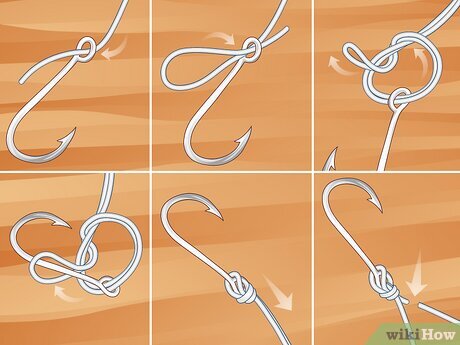
Are you tired of losing fish because your hook wasn’t tied right? Knowing how to tie a hook on your fishing line can make all the difference between a missed catch and a great day on the water.
This simple skill boosts your confidence and improves your chances every time you cast. In this guide, you’ll learn easy, step-by-step methods that anyone can master quickly. Keep reading, and you’ll discover how to secure your hook like a pro—so you never lose a fish again.

Credit: www.ohero.com
Choosing The Right Hook And Line
Choosing the right hook and line is important for successful fishing. The right combination helps catch fish easily and keeps your tackle strong.
Understanding the types of hooks and lines will guide you to select the best match for your fishing needs.
Types Of Fishing Hooks
Fishing hooks come in many shapes and sizes. Each type fits different fishing styles and fish species.
- J-Hook:Classic shape, good for many fish types.
- Circle Hook:Curved hook that reduces fish injury.
- Treble Hook:Three hooks joined, used for lures.
- Octopus Hook:Short shank, good for bait fishing.
- Siwash Hook:Long shank, often used with spoons.
Selecting Suitable Fishing Line
Fishing lines vary by material, strength, and stretch. Pick a line that suits your fishing style and target fish.
| Line Type | Strength | Best Use |
| Monofilament | Low to medium | General fishing, easy to handle |
| Fluorocarbon | Medium to high | Clear water, less visible to fish |
| Braid | High | Strong, good for heavy cover |
Matching Hook To Line Strength
Match your hook size to the line strength. Stronger lines need bigger hooks to hold fish safely.
- Light line (2-6 lb): Use small hooks (size 12 to 8).
- Medium line (8-14 lb): Use medium hooks (size 6 to 2).
- Heavy line (16+ lb): Use large hooks (size 1/0 and up).
Essential Knot Types For Hooks
Tying the right knot on your fishing hook is very important. It keeps the hook secure and helps catch fish more easily.
Here are three popular knots used by anglers. Each one has its own strength and uses for different fishing lines.
Improved Clinch Knot
The Improved Clinch Knot is easy to tie and works well with most fishing lines. It holds the hook tightly and is good for beginners.
- Thread the line through the hook eye.
- Wrap the tag end around the standing line 5 to 7 times.
- Pass the tag end through the small loop near the eye.
- Then pass it through the big loop you just made.
- Moisten the knot and pull it tight.
Palomar Knot
The Palomar Knot is strong and simple. It works well with braided and monofilament lines. It keeps the hook from slipping.
| Action | Description |
| Double the line | Make a loop and pass it through the hook eye |
| Tie an overhand knot | Loose knot around the doubled line |
| Pass hook through loop | Bring the hook through the big loop |
| Tighten knot | Moisten and pull both ends slowly |
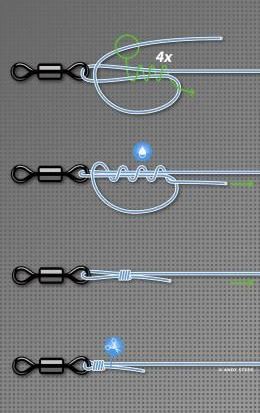
Uni Knot
The Uni Knot is very flexible. It works for hooks, lures, and connecting lines. It is easy to tie and very reliable.
How to tie a Uni Knot:
- Pass the line through the hook eye and double back.
- Make a loop by laying the tag end over the doubled line.
- Wrap the tag end around the doubled line 6 times.
- Pull the tag end to tighten the coils.
- Slide the knot down to the eye and pull the standing line to secure.
Step-by-step Knot Tying Guide
Tying a hook on a fishing line is an essential skill for every angler. A strong knot keeps your hook secure and helps catch fish effectively.
This guide will teach you how to prepare your line and hook, and tie three common knots. You will also learn how to test the knot’s strength.
Preparing The Line And Hook
Start by selecting the right fishing line and hook for your fishing style. Cut the line cleanly with sharp scissors to avoid frays. Hold the hook firmly in one hand.
- Choose a hook size that matches your bait and target fish.
- Use a fishing line suitable for the fish size and water conditions.
- Trim the line end straight for easier knot tying.
- Keep your hands dry for a better grip.
Tying The Improved Clinch Knot
The Improved Clinch Knot is strong and easy to tie. It works well for most fishing lines and hooks.
- Thread the line through the hook eye and wrap it five times around the standing line.
- Pass the tag end through the loop near the eye.
- Then pass the tag end through the big loop created.
- Moisten the knot and pull the tag end and standing line to tighten.
- Trim the excess tag end close to the knot.
Tying The Palomar Knot
The Palomar Knot is very reliable and works great with braided lines. It keeps high strength and is simple to tie.
- Double about six inches of line and pass it through the hook eye.
- Tie an overhand knot with the doubled line, but do not tighten it.
- Pass the hook through the loop formed by the overhand knot.
- Moisten the knot and pull both ends of the line slowly to tighten.
- Cut the tag end close to the knot.
Tying The Uni Knot
The Uni Knot is versatile and works with many line types. It is easy to adjust and very strong.
- Pass the line through the hook eye and double back parallel to the standing line.
- Make a loop by laying the tag end over the doubled line.
- Wrap the tag end around the doubled line and through the loop five times.
- Moisten the knot and pull the tag end to tighten the coils.
- Slide the knot down to the hook eye and pull the standing line to secure it.
- Trim the tag end close to the knot.
Testing Knot Strength
After tying, test the knot to make sure it holds well. A weak knot can cause lost fish and tackle.
| Test Method | How to Perform | What to Check |
|---|---|---|
| Pull Test | Hold the hook and pull the line hard. | The knot should not slip or come undone. |
| Visual Check | Look for tight coils and no frayed line. | Knot must be neat and tight on the hook eye. |
| Water Test | Wet the knot and pull again. | Wet knots tighten better and should not fail. |
Credit: www.beadinggem.com
Tips For Strong And Reliable Knots
Tying a hook on your fishing line needs care to keep it strong. A good knot holds well and stops fish from escaping.
These tips help you make knots that last and work every time you fish.
Wet The Knot Before Tightening
Always wet the knot with water or saliva before you pull it tight. This stops friction that can weaken the line. Wetting helps the knot tighten smoothly and keeps the line strong.
Trim Excess Line Properly
Cut the extra tag end close to the knot but leave a little bit to prevent slipping. Trimming too close can cause the knot to fail, while leaving too much can catch weeds or debris.
- Use sharp scissors or clippers
- Leave about 2-3 mm of tag end
- Make a clean, straight cut
Practice For Consistency
Practice tying your knots often. Consistent knots mean fewer mistakes and stronger holds. Try different knots to see which feels best and holds best for you.
| Practice Tip | Why It Helps |
| Tie knots daily | Builds muscle memory |
| Use different lines | Learn how each behaves |
| Test knots by pulling | Check strength and security |
Common Mistakes To Avoid
Tying a hook on a fishing line may seem easy. Many anglers make simple errors that cause lost fish.
Knowing what mistakes to avoid helps keep your hook secure and your catch safe.
Loose Knots
A loose knot can slip or come undone. This causes the hook to fall off while fishing.
Always pull the knot tight and wet the line before tightening. This stops friction from weakening the line.
- Do not leave slack in the knot
- Make sure the knot is snug against the hook eye
- Wet the line to help the knot tighten properly
Incorrect Threading
Threading the line the wrong way through the hook eye weakens the connection. The knot might not hold well.
Thread the line through the hook eye in the proper direction. Follow the knot instructions carefully.
- Check the hook eye size before threading
- Pass the line through smoothly without twisting
- Use the correct end of the line for tying
Ignoring Line Type Differences
Different fishing lines need different knots. Using the wrong knot can cause breakage.
Know your line type: monofilament, fluorocarbon, or braided. Pick knots that work best for each type.
- Monofilament needs knots that tighten slowly
- Fluorocarbon knots require extra care to prevent slipping
- Braided lines need knots that hold well on slick surfaces
Advanced Knot Techniques
Tying a strong knot is key for fishing success. Advanced knots give extra strength and reliability.
Below are two advanced knots that improve hook attachment and fishing line performance.
Snell Knot
The Snell Knot ties the hook directly to the line. It keeps the line straight with the hook eye.
- Thread the line through the hook eye, leaving a tag end.
- Wrap the tag end tightly around the shank and main line 5 to 7 times.
- Pass the tag end back through the hook eye near where it first entered.
- Pull the main line to tighten the coils around the shank.
- Trim the tag end close to the knot.
This knot offers better hook alignment and less slippage than other knots.
Dropper Loop Knot
The Dropper Loop Knot creates a strong loop on the main line. It allows adding extra hooks or lures.
| Action | Description |
|---|---|
| Make a loop | Form a small loop in the line where you want the dropper. |
| Twist the loop | Twist the loop 5 to 7 times to form coils. |
| Pass loop through | Push the loop through the center of the coils to create the dropper loop. |
| Tighten knot | Pull both ends of the main line to secure the knot. |
| Attach hook | Tie the hook to the dropper loop for extra bait points. |

Credit: n1outdoors.com
Frequently Asked Questions
How Do You Tie A Hook Securely?
To tie a hook securely, use the improved clinch knot. Thread the line through the hook eye. Wrap it around itself five times. Pass the end through the loop near the hook eye. Then, thread it through the big loop.
Pull tight to secure.
What Is The Best Knot For Fishing Hooks?
The Palomar knot is highly recommended for fishing hooks. It’s strong and easy to tie. Double the line, pass it through the hook eye, and tie an overhand knot. Loop the hook through the line end, then pull to secure.
Can Beginners Easily Tie A Fishing Hook?
Yes, beginners can easily tie a fishing hook using simple knots. The improved clinch knot and Palomar knot are beginner-friendly. They provide a secure and reliable hold. Practice a few times to master the technique.
Why Is Knot Strength Important In Fishing?
Knot strength is crucial for preventing line breaks. A strong knot ensures the hook stays attached during a catch. Weak knots can slip, leading to lost fish. Always test your knots for strength before casting.
Conclusion
Tying a hook on your fishing line does not have to be hard. With practice, you can do it fast and strong. Use the steps shared here to help you tie the hook right every time. Good knots keep your bait secure and help catch more fish.
Try different knots and see which one works best for you. Keep your fishing line neat and check your knots often. Simple skills like this make fishing more fun and successful. Keep practicing, and enjoy your time by the water.