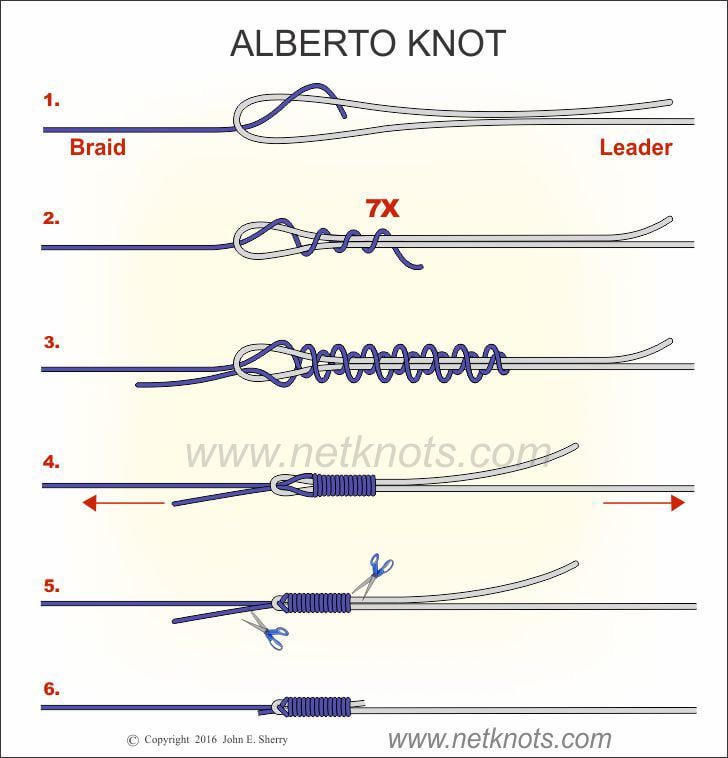
Tying a leader on your fishing line might seem tricky at first, but it’s a skill that can make a big difference in your fishing success. Whether you’re facing sharp-toothed fish or need extra strength for heavy catches, knowing how to tie a strong leader is key.
In this guide, you’ll learn simple steps to tie a leader that won’t slip or break, helping you land more fish with less hassle. Keep reading, and you’ll soon feel confident handling your fishing gear like a pro.
Choosing The Right Leader
Choosing the right leader is important for fishing success. The leader connects your main line to the hook or lure. It helps protect against sharp teeth and rough surfaces.
Leaders come in different types, materials, and lengths. Picking the right one depends on your fishing style and target fish. Learn about leader options to make a good choice.
Types Of Leaders
There are several types of leaders. Each type has strengths for specific fishing needs. Understanding them helps you pick the best one for your trip.
- Monofilament Leaders: Flexible and strong, good for most fishing.
- Fluorocarbon Leaders: Less visible in water, ideal for clear conditions.
- Wire Leaders: Best for fish with sharp teeth, prevents line cutting.
- Shock Leaders: Thicker and stronger, used for heavy casting and big fish.
Material Selection
Material choice affects leader strength and invisibility. Each material suits different water types and fish behavior. Select material based on your fishing spot.
| Material | Strength | Visibility | Best Use |
| Monofilament | Good | Moderate | General fishing |
| Fluorocarbon | Strong | Low | Clear water fishing |
| Wire | Very strong | High | Toothy fish |
| Shock Leader | Very strong | Moderate | Heavy casting |
Leader Length Considerations
Leader length affects casting and fish strikes. Short leaders offer better control. Long leaders reduce fish spooking in clear water.
- Short leaders (12-18 inches): Use for fast action and heavy cover.
- Medium leaders (18-36 inches): Good for general fishing conditions.
- Long leaders (over 36 inches): Best for clear water and shy fish.
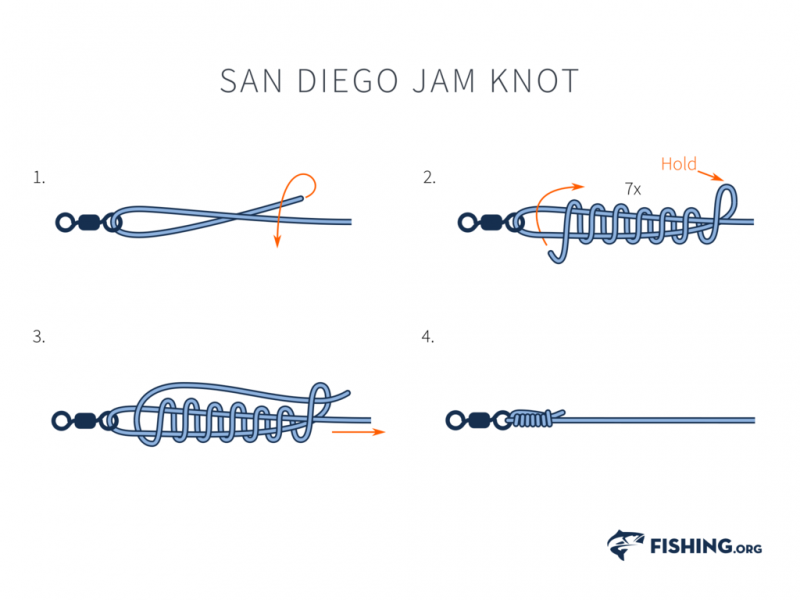
Credit: medium.com
Essential Tools And Materials
Tying a leader to your fishing line requires some essential tools and materials. Knowing what to use will make the process easier and more efficient.
Let’s explore different types of fishing lines and the necessary knots and accessories for tying leaders.
Fishing Line Types
There are various types of fishing lines that you can use. Each type has its own advantages and is suitable for different fishing conditions.
- Monofilament Line: Flexible and easy to handle.
- Braided Line: Strong and offers excellent casting distance.
- Fluorocarbon Line: Invisible in water and resistant to abrasion.
Knots And Tie Accessories
Choosing the right knot is crucial for securing your leader to the fishing line. You also need some accessories to make the knot tying process more efficient.
| Knot Type | Usage |
| Improved Clinch Knot | Great for securing hooks and lures |
| Double Uni Knot | Ideal for connecting two lines |
| Loop Knot | Allows more movement for bait |
Accessories like a pair of scissors, a knot tying tool, and a line clipper can be very helpful. They ensure that the knots are tight and secure.
Preparing The Line
Preparing the fishing line is an important step before tying a leader. It helps make a strong and secure connection.
Taking your time to prepare the line improves your chances of catching fish. Follow the steps carefully.
Cutting The Leader
Start by cutting the leader to the right length. Use sharp scissors or clippers for a clean cut.
A clean cut prevents fraying and helps knots hold better. Avoid jagged edges on the leader.
- Measure the leader length needed
- Use sharp scissors or clippers
- Cut straight to avoid frays
- Check the cut end for any damage
Moistening The Line
Before tying the knot, moisten the line with water or saliva. This reduces friction and heat.
Moistening helps the knot tighten smoothly and prevents line damage. It makes the knot stronger.
- Wet your fingers or the knot area
- Use water or saliva to moisten
- Tighten the knot slowly and evenly
- Avoid dry knots that can weaken

Credit: www.wikihow.com
Step-by-step Knot Techniques
Tying a leader to your fishing line is important for strong, reliable fishing. Different knots work best in different situations. Learning these knots helps you fish with confidence.
Below are easy steps for three popular knots. Follow the instructions carefully to tie each knot correctly.
Improved Clinch Knot
The Improved Clinch Knot is strong and simple. It works well for attaching a leader or hook to the main line.
- Pass the end of the leader through the eye of the hook.
- Wrap the end around the main line 5 to 7 times.
- Thread the end back through the small loop near the eye.
- Then, pass the end through the larger loop you just made.
- Wet the knot and pull both ends to tighten.
- Trim the excess tag end close to the knot.
Uni Knot
The Uni Knot is versatile and easy to tie. It works well for lines of different thicknesses.
| Step | Action |
|---|---|
| 1 | Double about 6 inches of line and pass it through the hook eye. |
| 2 | Form a loop by laying the tag end over the doubled line. |
| 3 | Make 6 turns with the tag end around the doubled line and through the loop. |
| 4 | Pull the tag end to tighten the coils snug against the eye. |
| 5 | Slide the knot down to the eye and pull both ends to secure. |
| 6 | Trim the tag end close to the knot. |
Double Surgeon’s Knot
The Double Surgeon’s Knot is great for joining two lines or leaders of different sizes.
- Overlap the ends of the two lines by several inches.
- Make a simple overhand knot with both lines together.
- Pass the ends through the loop one more time for a double knot.
- Pull the knot tight, keeping the lines aligned.
- Slide the knot to the center if needed.
- Trim the tag ends close to the knot for a neat finish.
Testing Knot Strength
After tying a leader on your fishing line, it is important to test the knot’s strength. This ensures the knot will hold during fishing and not fail under tension.
Testing knot strength helps you avoid losing fish and gear. It also confirms that the knot is tied correctly and securely.
Pulling Techniques
To test the knot, pull the line firmly but steadily. Avoid sudden jerks that may damage the knot or line.
- Hold the main line with one hand.
- Hold the leader end with the other hand.
- Pull both ends away from each other.
- Increase pressure slowly until you feel resistance.
- Check if the knot slips or loosens during pulling.
Signs Of Weakness
Look closely for signs that show the knot may fail. Identifying these helps you retie the knot before fishing.
| Sign | Description | Action |
|---|---|---|
| Slipping | The knot moves along the line when pulled. | Retie knot tighter or choose a different knot. |
| Line Damage | The fishing line frays or cuts near the knot. | Cut the damaged part and retie knot. |
| Looseness | The knot feels loose or untied. | Pull knot tight or re-tie to secure. |
| Uneven Wraps | Knots are not wrapped evenly or neatly. | Retie knot carefully with even wraps. |
Tips For Durable Knots
Tying a strong leader knot on your fishing line is important. A durable knot helps keep your catch secure. Using the right technique makes your knot last longer.
Simple habits can protect your knots from breaking. Paying attention to how you tie and care for the knot can save you time and fish.
Avoiding Over-tightening
Pulling the knot too hard can damage the fishing line. Over-tightening can weaken the fibers and cause breaks. Tighten knots just enough to hold firmly.
Use gentle but steady pressure when securing your knot. This keeps the line strong and the knot neat. Avoid jerking or sudden pulls.
- Hold the knot steady while tightening
- Stop pulling when the knot feels firm
- Wet the line before tightening to reduce friction
- Avoid sharp or sudden pulls on the knot
Regular Knot Inspection
Check your knots often during fishing trips. Look for signs of wear, such as frayed line or loose knots. Replace or retie knots if you find damage.
Inspecting knots helps prevent line breaks and lost fish. Make knot checks part of your fishing routine. It only takes a few seconds.
- Look closely for frayed or weak spots
- Test knots with a gentle pull
- Retie knots that feel loose or damaged
- Keep spare leaders and tools ready
Common Mistakes To Avoid
Tying a leader on a fishing line takes care and attention. Many anglers make simple errors that weaken their setup.
This guide points out common mistakes to avoid. Fixing these helps keep your line strong and reliable.
Incorrect Knot Tying
Choosing the wrong knot or tying it poorly can cause your leader to slip or break. Even small mistakes affect strength.
- Failing to wet the knot before tightening adds friction and weakens the line.
- Not pulling the knot tight enough leaves it loose and prone to slipping.
- Using too many wraps or too few can reduce knot strength.
- Cutting the tag end too close to the knot makes it come undone.
Using Incompatible Lines
Leaders and main lines must match in type and strength. Mixing lines that do not work well together causes breaks.
| Line Type | Common Issues |
| Monofilament with Fluorocarbon | Different stretch rates cause knots to fail |
| Braided Line with Monofilament Leader | Slippery knots need special tying methods |
| Fluorocarbon with Fluorocarbon | Best compatibility, fewer issues |
| Braided Line with Braided Leader | High visibility, may spook fish |

Credit: www.reddit.com
Frequently Asked Questions
What Is A Leader In Fishing Line?
A leader is a strong, thin line tied between the main line and the hook. It prevents line breakage and improves bait presentation.
Why Should I Tie A Leader On My Fishing Line?
Tying a leader increases durability, reduces visibility underwater, and helps catch wary fish without spooking them.
What Is The Best Knot To Tie A Leader?
The improved clinch knot and the Albright knot are popular for tying leaders. Both are strong and reliable.
How Long Should My Fishing Leader Be?
Leaders typically range from 12 to 36 inches. Length depends on water clarity and targeted fish species.
Conclusion
Tying a leader on fishing line takes practice but is simple to learn. Use strong knots and check them before fishing. A good leader helps catch more fish and avoids line breaks. Keep your line clean and knot tight for best results.
Try different knots to see what works for you. With patience, your fishing skills will improve. Enjoy your time on the water and happy fishing!