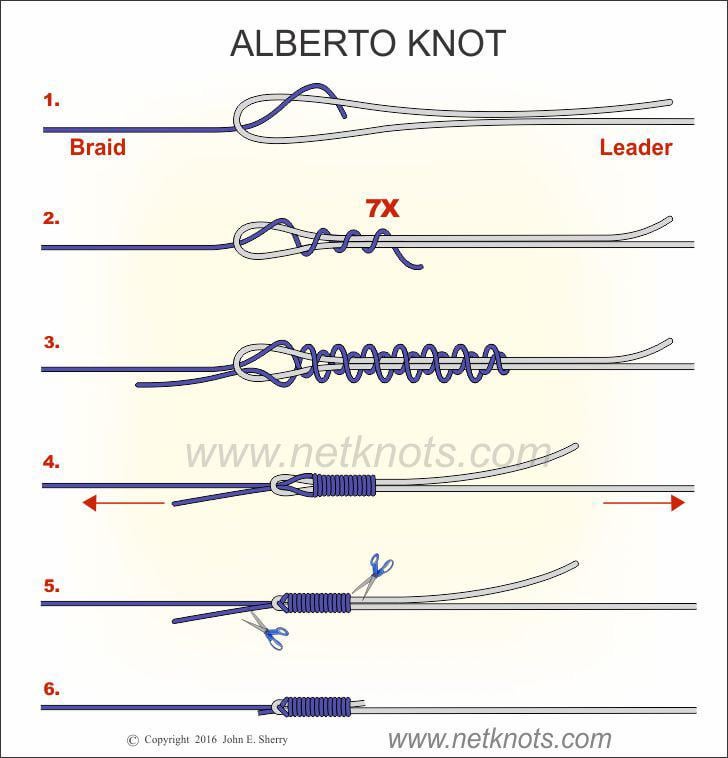
Tying a leader to your fishing line might seem tricky at first, but it’s a skill every angler needs to master. Getting it right can make a huge difference in how your line performs and how many fish you catch.
If you want your setup to be strong, smooth, and ready for action, this guide is made for you. Keep reading, and you’ll learn simple steps that will boost your confidence and help you fish like a pro.
Choosing The Right Leader
Choosing the right leader is important for fishing success. It affects how your line performs and how fish react.
Leaders connect your main fishing line to the hook or lure. Picking the right one depends on material, length, and strength.
Types Of Leader Materials
Leaders come in different materials. Each has benefits for certain fishing conditions and fish types.
- Monofilament:Flexible and easy to tie. Good for clear water and many fish.
- Fluorocarbon:Nearly invisible underwater. Best for clear water and shy fish.
- Wire:Strong and resists sharp teeth. Used for pike or other toothy fish.
- Braided:Very strong and thin. Used for heavy cover or big fish.
Selecting Leader Length
Leader length affects how the bait moves and how fish see the line. Choose length based on water and fish behavior.
| Leader Length | Use |
| 6 to 12 inches | Clear water, cautious fish |
| 12 to 24 inches | General fishing, moderate visibility |
| 24 to 36 inches | Murky water, heavy cover |
| Over 36 inches | Big fish or very clear water |
Matching Leader Strength To Fishing Line
Match your leader strength to your main line to avoid weak spots. The leader should be about the same or slightly stronger.
- If your main line is 10 lb test, use a 10 to 15 lb leader.
- Heavier leaders can scare fish if too thick.
- Weaker leaders may break easily under pressure.
- Balance strength and visibility for best results.
Preparing The Fishing Line And Leader
Before tying a leader to your fishing line, you must prepare both properly. This helps create a strong, reliable knot.
Good preparation makes fishing easier and reduces the chance of line failure.
Trimming And Straightening Lines
Cut both the fishing line and leader ends cleanly. Use sharp scissors or a line cutter for a neat cut.
Straighten the ends by running them between your fingers. This removes bends and kinks that weaken knots.
- Trim frayed or damaged ends
- Make sure cuts are straight and clean
- Run the line through your fingers to straighten
- Check for any weak spots before tying
Moistening Lines Before Knotting
Wet the lines lightly before you tie the knot. Moisture reduces friction and heat from tightening.
This prevents the line from weakening or breaking during knotting.
- Use clean water or saliva to moisten
- Apply moisture to both lines at the knot area
- Tighten the knot slowly and evenly
- Keep the knot wet until fully secure
Popular Knots For Leader To Line
Tying a leader to your fishing line is important for a strong setup. There are several knots that make this connection secure.
Each knot has its benefits and is suited for different fishing situations. Let’s explore some popular knots used by anglers.
Improved Clinch Knot
The Improved Clinch Knot is a favorite among many anglers. It is simple to tie and holds well.
This knot is often used for light to medium-weight lines. It is reliable and easy to learn for beginners.
Albright Knot
The Albright Knot is great for connecting different types of lines. It works well with lines of different diameters.
This knot is useful when you want to attach a leader to a thicker main line. It is strong and flexible under pressure.
Double Uni Knot
The Double Uni Knot is versatile and easy to tie. It is ideal for joining two lines of similar diameter.
This knot is often used by saltwater and freshwater anglers alike. It provides a smooth and secure connection.
Blood Knot
The Blood Knot is commonly used for fly fishing. It is excellent for connecting two similar lines.
This knot is strong and creates a smooth profile, making it ideal for casting. It requires practice but is worth learning.
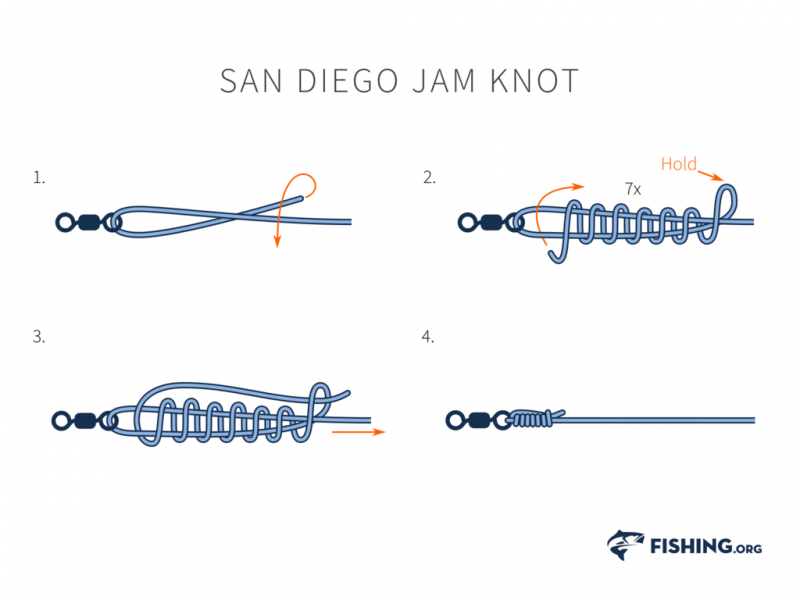
Credit: medium.com
Step-by-step Knot Tying Guide
Tying a leader to your fishing line is important for strong, reliable connections. This guide shows you how to tie four popular knots.
Each knot works best in different fishing situations. Follow the simple steps to tie them correctly.
Tying The Improved Clinch Knot
The Improved Clinch Knot is easy to tie and holds well for most fishing lines. It works great for attaching leaders and hooks.
Start by threading the line through the eye of the leader. Wrap the tag end around the standing line five times.
- Pass the tag end through the small loop near the eye.
- Then pass it through the big loop you just made.
- Pull the knot tight by holding the standing line and tag end.
- Trim the extra tag end close to the knot.
Tying The Albright Knot
The Albright Knot joins two lines of different thickness. It is common for attaching a heavy leader to a light main line.
Make a loop in the leader line. Pass the main line through the loop and wrap it around both lines ten times.
- After wrapping, pass the tag end of the main line back through the loop.
- Moisten the knot with water or saliva.
- Pull both ends slowly to tighten the knot.
- Cut the tag ends close to the knot.
Tying The Double Uni Knot
The Double Uni Knot is strong and easy to tie. It connects two lines of similar or different diameters.
Overlap the ends of both lines. Make a loop with one line and wrap it five times around the other line.
- Pass the tag end through the loop and pull tight.
- Repeat the same with the other line.
- Pull both standing lines to slide the knots together.
- Trim the tag ends close to the knots.
Tying The Blood Knot
The Blood Knot joins two lines of similar thickness. It is good for making leaders longer.
Overlap the ends of the two lines. Twist one line five times around the other.
- Pass the tag end back through the middle of the twists.
- Repeat with the other line twisting in the opposite direction.
- Moisten the knot and pull both standing lines slowly.
- Trim the tag ends close to the knot.
Testing Knot Strength
Testing the strength of your knot is important before fishing. It helps ensure your leader will hold tight under pressure.
Knowing how to test your knot can save you from losing a big catch. Use simple methods to check if your knot is secure.
Pull Test Techniques
Pull tests let you check how strong your knot is. You apply pressure to the knot to see if it holds.
- Hold the fishing line firmly on one side of the knot.
- Pull the leader on the other side with steady force.
- Increase the pressure slowly to avoid sudden breaks.
- Watch for any slipping or loosening of the knot.
- If the knot holds tight, it passes the test.
Signs Of A Secure Knot
A secure knot shows clear signs that it will not fail easily. Watch for these clues after tying and testing your knot.
| Sign | Description |
|---|---|
| No Slipping | The knot stays tight and does not move along the line. |
| Even Tightness | The knot looks neat and evenly tightened without loose loops. |
| No Line Damage | The fishing line or leader shows no cuts or fraying near the knot. |
| Holds Under Pressure | The knot does not break or loosen when pulled hard. |
Common Mistakes To Avoid
Tying a leader to your fishing line seems easy but many anglers make simple mistakes. These errors can cause knots to fail and lose fish.
Learn what to avoid so your knots stay strong and secure every time you fish.
Overtightening Knots
Pulling knots too tight can damage the line. It weakens the leader and the main line, leading to breaks during casting or fighting fish.
- Do not use excessive force when tightening knots.
- Hold the knot gently and tighten gradually.
- Use a wet cloth to help tighten without friction.
Skipping Moistening
Dry knots create friction that can cut the line fibers. Always moisten the knot with water or saliva before tightening. This protects the line and helps the knot set properly.
| Why Moistening Matters | Result if Skipped |
|---|---|
| Reduces friction when tightening | Line weakens or breaks |
| Helps knot slide and seat correctly | Knot slips or loosens |
| Prevents damage to line fibers | Lower knot strength |
Using Incorrect Line Types
Not all lines work well together. Leaders and main lines have different materials and thicknesses. Using the wrong types reduces knot strength.
- Match leader line type with main line material.
- Use knots designed for the specific line types.
- Avoid mixing very different line diameters.
- Check manufacturer recommendations for line compatibility.
Tips For Maintaining Knot Durability
Keeping your fishing knots strong is key to a good catch. A knot that fails can mean losing your fish and gear.
Below are some tips to help your knots last longer and stay reliable on the water.
Regular Knot Inspection
Check your knots before and after each fishing trip. Look for signs of wear like fraying or slipping.
- Feel the knot for rough or thin spots
- Look for any looseness or damage
- Test the knot by pulling it firmly
- Replace knots that show any weakness
Retying After Long Use
Even strong knots can weaken over time. Retie your leader to line after many hours of use.
| Time Used | Action |
| Less than 4 hours | Inspect only |
| 4 to 8 hours | Inspect and consider retying |
| More than 8 hours | Retie knot before next use |
Proper Storage Of Tied Lines
Store your fishing lines carefully to keep knots from loosening or getting damaged.
- Keep lines dry before storing
- Wrap lines loosely to avoid strain on knots
- Use a line spooler or holder to keep lines neat
- Avoid direct sunlight to prevent line wear

Credit: www.reddit.com

Credit: www.reddit.com
Frequently Asked Questions
What Is The Best Knot To Tie A Leader To Fishing Line?
The best knot for tying a leader is the Double Uni Knot. It’s strong, reliable, and easy to tie. This knot maintains line strength and works well for different line types, ensuring your leader stays secure during fishing.
How Long Should A Fishing Leader Be?
A fishing leader is typically 12 to 24 inches long. The length depends on water clarity and fish species. Longer leaders reduce line visibility and improve bait presentation, increasing your chances of a successful catch.
Can I Use Mono Leader With Braided Main Line?
Yes, you can use a monofilament leader with a braided main line. The leader provides abrasion resistance and invisibility. Use knots like the Double Uni Knot to connect these different lines effectively and securely.
Why Is Tying A Leader Important In Fishing?
Tying a leader improves bait presentation and reduces line visibility. It protects the main line from abrasion and fish teeth. Leaders increase the chances of landing fish and prevent line breakage during fights.
Conclusion
Tying a leader to your fishing line is a key skill. It helps keep your rig strong and ready. Practice the knots until they feel natural to you. A secure connection means better chances of catching fish. Take your time and check your knots often.
This simple step can improve your fishing experience a lot. Keep your gear ready, and enjoy your time on the water.