Are you ready to catch more fish on your next trip? Knowing how to tie a lure on a fishing line the right way can make all the difference.
A strong, reliable knot keeps your lure secure, so you don’t miss out on that big catch. In this guide, you’ll learn simple steps that anyone can follow to tie a lure quickly and effectively. Keep reading to discover easy techniques that will boost your confidence and improve your fishing success every time you cast your line.
Choosing The Right Knot
Tying a lure to your fishing line is important for a good catch. The right knot keeps your lure secure and strong.
Choosing a knot depends on the type of lure and fishing line you use. A strong knot helps you catch more fish.
Popular Knots For Lures
Several knots work well to tie lures. The most common ones are easy to learn and hold well under tension.
- Improved Clinch Knot – simple and reliable for most lines
- Palomar Knot – strong and easy to tie with braided lines
- Loop Knot – allows lure to move freely in the water
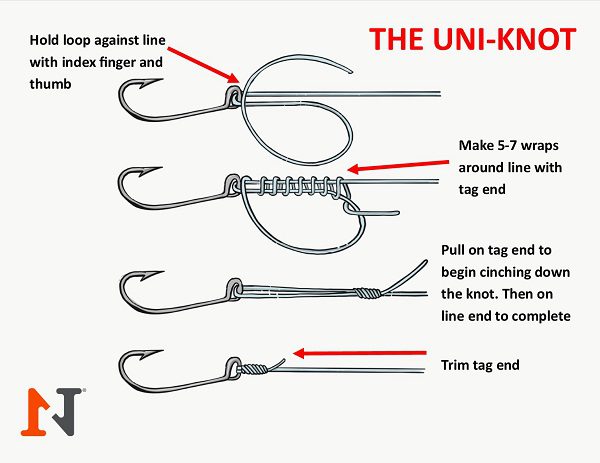
- Uni Knot – versatile and works for many line types
Knot Strength And Reliability
Strength is key when choosing a knot. A weak knot can break, and you lose your lure and fish.
Reliable knots keep their strength even after casting and pulling. They are less likely to slip or come undone.
| Knot | Strength (%) | Best For |
|---|---|---|
| Improved Clinch Knot | 85-90% | Monofilament, Fluorocarbon |
| Palomar Knot | 90-95% | Braided and Monofilament |
| Loop Knot | 80-85% | Allowing lure movement |
| Uni Knot | 85-90% | All line types |
Credit: www.youtube.com
Preparing The Line And Lure
Tying a lure on your fishing line starts with good preparation. This step helps your lure work well and stay secure.
Before tying, you must check your line and lure carefully. This keeps your fishing setup strong and reliable.
Trimming The Line
Trim the fishing line to remove any frayed or weak ends. A clean cut helps your knot hold better and avoids slipping.
- Use sharp scissors or a line cutter.
- Cut off about half an inch from the end of the line.
- Make sure the cut is straight and smooth.
- Check the line for any damage along its length.
Inspecting The Lure Eye
Look closely at the lure eye before tying. The eye is where you attach the line, so it must be strong and clean.
| Check Point | What to Look For |
| Eye Opening | Should be round and not bent |
| Metal Ring | Must not be loose or rusty |
| Surface | No cracks or sharp edges |
| Attachment | Securely fixed to the lure body |
Step-by-step Knot Tying
Tying a lure to your fishing line is important for a strong connection. A good knot keeps your lure secure and helps catch fish.
Below are easy steps for three popular knots. Each knot works well with different lures and fishing lines.
Improved Clinch Knot
The Improved Clinch Knot is common and easy. It works well for most fishing lines and small lures.
- Thread the line through the lure eye.
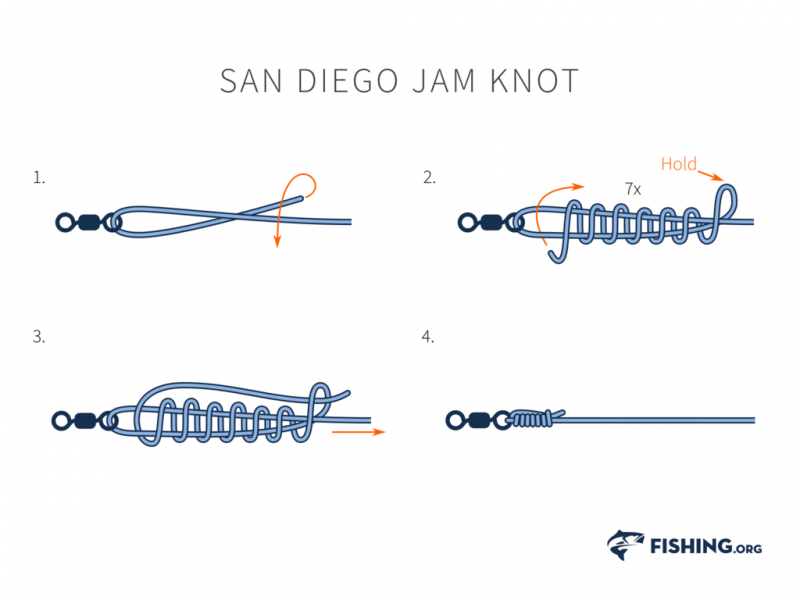
- Wrap the tag end around the standing line 5-7 times.
- Pass the tag end through the small loop near the eye.
- Then pass the tag end through the big loop you just made.
- Moisten the knot and pull the tag end and standing line tight.
- Trim the extra tag end close to the knot.
Palomar Knot
The Palomar Knot is strong and simple. It is good for braided lines and heavy lures.
- Double about 6 inches of line and pass it through the lure eye.
- Tie a loose overhand knot with the doubled line.
- Pass the lure through the loop of the overhand knot.
- Moisten the knot with water or saliva.
- Pull both ends of the line to tighten the knot.
- Trim the tag end close to the knot.
Loop Knot
The Loop Knot lets the lure move freely. It is good for lures that need extra action in water.
- Make a small loop in the line about 6 inches from the end.
- Pass the tag end through the lure eye.
- Bring the tag end back through the loop.
- Wrap the tag end around the standing line 4-5 times.
- Pass the tag end back through the loop again.
- Moisten and pull the knot tight.
- Trim the extra tag end close to the knot.

Credit: www.youtube.com
Tips For Secure Tying
Tying a lure to a fishing line needs care. Secure knots keep your lure safe in water.
This guide shows simple tips to make your knot strong and reliable for fishing.
Moistening The Knot
Always wet the knot before tightening. Moisture reduces friction and stops the line from burning.
- Use water or saliva to moisten the knot.
- Apply moisture evenly on the knot area.
- Do not over-wet; just enough to reduce heat.
Tightening Techniques
Tighten the knot slowly and with steady pressure. This keeps the knot neat and strong.
| Method | Description |
| Slow Pull | Pull the line gently to avoid slipping. |
| Hold the Tag End | Keep the loose end steady during tightening. |
| Check Knot Shape | Make sure the knot is compact and not twisted. |
Common Mistakes To Avoid
Tying a lure on a fishing line is easy but needs care. Small mistakes can make your knot weak.
Learn about two common errors that can cause problems when fishing. Avoid these to keep your lure secure.
Overlapping Lines
Overlapping lines happen when the tag end crosses the main line too much. This can make knots slip or break.
- Do not cross the lines more than needed.
- Keep the wraps neat and close together.
- Make sure the tag end lies next to the main line, not on top.
Insufficient Wraps
Not wrapping the line enough times weakens the knot. The lure may come loose during casting or fishing.
| Number of Wraps | Knot Strength |
| 3 or fewer | Weak and slips easily |
| 4 to 6 | Good balance of strength and size |
| 7 or more | Very strong but bulky knot |
Testing Knot Strength
After tying a lure on your fishing line, it is important to check if the knot is strong. A weak knot can cause you to lose fish and tackle. Testing knot strength helps you fish with confidence.
Two common ways to test the knot strength are the pull test method and visual inspection. Both methods are simple and effective to ensure your knot holds well.
Pull Test Method
The pull test method uses physical force to check the knot. You pull the line hard to see if the knot slips or breaks. This test mimics the tension a fishing line faces during a catch.
- Hold the lure and the line firmly in each hand.
- Pull the line slowly with steady force.
- Watch for any slipping or movement in the knot.
- If the knot holds without slipping, it is strong.
- If the knot slips or breaks, retie it before fishing.
Visual Inspection
Visual inspection means looking closely at the knot for errors. Some knot problems are easy to spot with your eyes. This method is quick and helps prevent future failures.
| Signs of a Good Knot | Signs of a Weak Knot |
| Knots lie flat and neat | Knots look bunched or twisted |
| Line wraps tightly around itself | Line appears loose or uneven |
| No damage or cuts on the line | Line has abrasions or frays near knot |
| Knot size matches line thickness | Knot looks bulky or uneven |
Maintaining Your Knots
Keeping your fishing knots strong is very important. A weak knot can cause you to lose your lure and catch.
Regular care helps your knots last longer and stay reliable on the water.
Regular Knot Checks
Check your knots before and after fishing. Look for any signs of wear or loosening. A good knot should feel tight and secure.
- Pull gently on the knot to test its strength.
- Look for frayed or worn spots on the line near the knot.
- Retie any knot that feels loose or damaged.
- Wet the knot before tightening to avoid friction damage.
Replacing Worn Lines
Lines that show damage or wear should be replaced quickly. Old lines can snap easily and cause you to lose your lure.
| Signs of Worn Line | Action to Take |
| Fraying near the knot | Cut and retie with new line |
| Discoloration or stiffness | Replace entire section of the line |
| Cracks or nicks along the line | Trim damaged part or replace line |
Credit: medium.com
Frequently Asked Questions
How Do You Tie A Lure To A Fishing Line?
To tie a lure, thread the line through the eye of the lure. Use a strong knot like the improved clinch knot. Tighten the knot firmly and trim excess line. This ensures a secure connection and prevents the lure from slipping off during fishing.
What Is The Best Knot For Fishing Lures?
The improved clinch knot is widely recommended for fishing lures. It provides strength and reliability. It’s easy to tie and works well with most line types. This knot keeps the lure secure and maximizes your fishing success.
Can You Use Braided Line To Tie A Lure?
Yes, you can use braided line for tying lures. Braided lines are strong and have low stretch. Use knots like the Palomar knot for best results. This combination improves sensitivity and lure action underwater.
How Tight Should The Knot Be When Tying A Lure?
The knot should be pulled tight enough to secure the lure firmly. Avoid over-tightening, which can weaken the line. A snug, secure knot prevents slippage and ensures the lure stays attached during casting and reeling.
Conclusion
Tying a lure on your fishing line is simple with practice. Choose the right knot and tighten it well. A strong knot keeps your lure secure while fishing. Check your knot before casting every time. This small step helps catch more fish and avoid lost lures.
Keep practicing to improve your skills. Soon, tying a lure will feel quick and easy. Enjoy your time fishing with confidence and success.