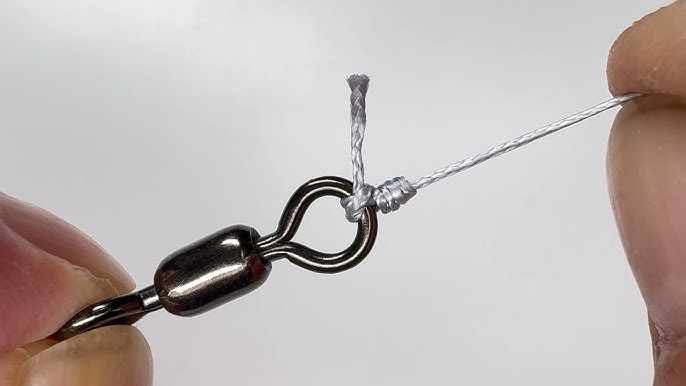
If you want to keep your fishing line strong and avoid frustrating tangles, knowing how to tie a swivel is a must. A properly tied swivel not only saves your line from twists but also makes your fishing setup more reliable.
In this guide, you’ll learn simple steps that anyone can follow to tie a swivel quickly and securely. By the end, you’ll feel confident handling your gear like a pro, making every fishing trip smoother and more enjoyable. Ready to master this essential skill?
Let’s dive in.

Credit: www.ohero.com
Choosing The Right Swivel
Using the right swivel can prevent your fishing line from twisting. It also helps keep your bait or lure moving naturally. Picking a swivel depends on the type and size that fits your fishing needs.
This guide will help you understand different types of swivels and how to match their size to your fishing line.
Types Of Swivels
Swivels come in many shapes and sizes. Each type has a special use and works best in certain fishing situations.
- Barrel Swivels:These are the most common. They have two rings with a barrel in the middle that spins freely.
- Ball Bearing Swivels:These swivel smoothly and reduce line twist better than barrel swivels. They are good for heavy lines and big fish.
- Snap Swivels:These have a clip on one end. They make changing lures or leaders fast and easy.
- Three-Way Swivels:These have three rings. They are used for dropper rigs or multiple lines.
Matching Swivel Size To Line
Using the right size swivel keeps your line strong and balanced. A swivel too small can break. One too big can be heavy and scare fish.
| Line Strength (lb) | Swivel Size | Common Use |
| 2-6 | Size 12-16 | Light fishing, small fish |
| 6-12 | Size 8-12 | Medium fishing, trout, bass |
| 12-20 | Size 6-8 | Larger fish, saltwater use |
| 20-50 | Size 4-6 | Big fish, heavy tackle |

Credit: www.youtube.com
Preparing The Fishing Line
Before you tie a swivel on your fishing line, preparation is key. A well-prepared line ensures a strong knot and smooth fishing experience.
Let’s explore how to prepare your fishing line effectively. This includes cutting the line cleanly and moistening it properly.
Cutting The Line Cleanly
Cutting the fishing line cleanly is crucial for a secure knot. A clean cut prevents fraying and helps the knot hold better.
Use sharp scissors or a line cutter to make a precise cut. Avoid using blunt tools as they can damage the line.
- Ensure your cutting tool is sharp
- Avoid frayed edges on the line
- Cut at a slight angle for best results
Moistening The Line
Moistening the fishing line helps in tightening knots without creating friction. This process reduces the chance of weakening the line.
Before tying the knot, wet the line with water or saliva. This simple step protects the line from heat damage.
- Moisten the line before knotting
- Use water or saliva for lubrication
- Prevents line from breaking under pressure
Step-by-step Knot Tying
Tying a swivel on a fishing line keeps your tackle secure and prevents line twists.
This guide shows clear steps to tie the knot correctly and hold your gear firmly.
Threading The Swivel
Start by passing the end of your fishing line through the eye of the swivel.
Pull enough line through to have room for tying the knot comfortably.
Forming The Loop
Create a small loop by doubling the line back alongside the main line.
- Hold the loop near the swivel eye.
- Make sure the loop is not twisted.
- Keep the loop firm but loose enough to wrap.
Wrapping The Line
Wrap the free end of the line around both the loop and main line several times.
Five to seven wraps create a strong knot that will hold under pressure.
| Wrap Count | Strength Level |
|---|---|
| 3 | Low |
| 5 | Medium |
| 7 | High |
Securing The Knot
Pull the free end and main line slowly to tighten the wraps against the swivel eye.
- Ensure the wraps do not overlap.
- Moisten the knot with water or saliva before tightening.
- Trim the excess line close to the knot.
Testing Knot Strength
After tying a swivel on a fishing line, it is important to test the knot strength. This ensures the knot will hold during fishing.
Testing the knot helps avoid losing fish or tackle. It also shows if the knot was tied correctly.
Pulling To Check Security
Pull the fishing line firmly but slowly to check if the knot holds. Use your hands to feel the knot’s tightness.
If the knot slips or loosens, it needs to be retied. A strong knot will not move or come undone.
- Hold the swivel with one hand and pull the line with the other.
- Pull hard enough to test strength but not too hard to break the line.
- Repeat the pull a few times to be sure the knot is secure.
Common Mistakes To Avoid
Some mistakes can weaken the knot. Avoid these to keep your fishing line strong.
- Not wetting the line before tightening the knot can cause friction and weaken it.
- Tying the knot too loosely makes it slip under pressure.
- Using too few wraps or twists around the swivel reduces knot strength.
- Cutting the tag end too short can cause the knot to come undone.
Tips For Durable Knots
Tying a swivel on a fishing line needs care. A strong knot prevents losing fish or gear.
Use simple steps to make your knots last longer. Small details can improve strength.
Using Knot Lubricants
Knot lubricants help reduce friction when you pull the knot tight. This stops the line from weakening.
Water or saliva works well as a natural lubricant. Apply it before tightening the knot.
- Lubricants keep the line smooth during tightening
- They prevent heat that can damage the line
- Use just enough to wet the knot, not soak it
Retying After Use
Check your knots after each fishing trip. Retie if you see wear or slipping.
Old knots can weaken, even if they look fine. Retie to keep your setup strong and safe.
- Inspect knots for frays or damage
- Retying prevents unexpected knot failure
- Always use the same knot method for consistency

Credit: www.youtube.com
Frequently Asked Questions
How Do You Tie A Swivel To A Fishing Line?
To tie a swivel, thread the line through the swivel eye. Make an overhand knot, wrap the tag end around the main line five times, then pass it back through the loop. Pull tight and trim excess line for a secure connection.
Why Use A Swivel On A Fishing Line?
A swivel prevents line twisting and tangling. It allows the lure or bait to spin freely. This improves casting and reduces line damage, increasing your fishing efficiency and line lifespan.
What Is The Best Knot For Tying A Swivel?
The improved clinch knot is best for tying swivels. It is strong, easy to tie, and reliable. This knot keeps your swivel firmly attached, preventing slippage during fishing.
Can You Tie A Swivel Without Tools?
Yes, tying a swivel requires no special tools. Use your fingers to make loops and wraps. Scissors or nail clippers help trim excess line after tying the knot.
Conclusion
Tying a swivel on a fishing line is simple and useful. It helps stop line twists and keeps your setup strong. Practice the steps slowly to get comfortable. Soon, you will tie it quickly and neatly every time. Using a swivel makes fishing easier and more fun.
Keep your line and tackle ready for any catch. Try it next time you go fishing. You will see the difference.