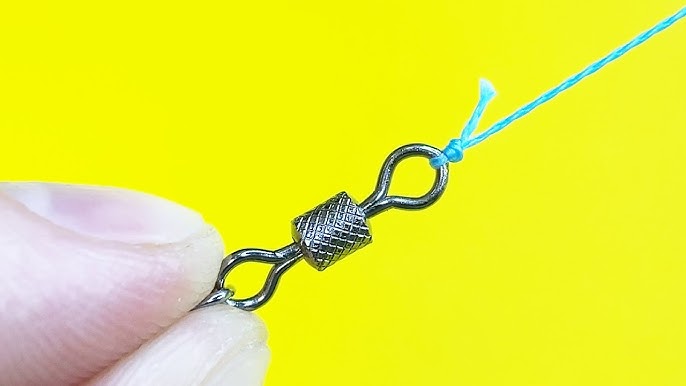
Are you tired of your fishing line twisting and tangling every time you cast? Knowing how to tie a swivel to your fishing line can make a huge difference.
It keeps your line strong, reduces knots, and helps you catch more fish with less hassle. You’ll learn simple, step-by-step instructions that anyone can follow. By the end, you’ll feel confident and ready to improve your fishing game. Keep reading to discover the easy way to secure your swivel and make your fishing experience smoother and more successful.

Credit: www.wikihow.com
Choosing The Right Swivel
Choosing the right swivel is important for smooth fishing. A swivel helps prevent line twists and tangles. It connects your fishing line to the lure or hook.
Knowing the types, sizes, and materials of swivels helps you pick the best one. This guide covers the key points to consider before tying a swivel to your fishing line.
Types Of Swivels
There are several types of swivels. Each type suits different fishing needs. Choosing the right type can improve your fishing experience.
- Barrel Swivels:Simple and strong, good for general use.
- Ball Bearing Swivels:Smooth rotation, best for heavy line and large fish.
- Three-Way Swivels:Used to connect multiple lines or rigs.
- Snap Swivels:Have a snap for quick lure changes.
Selecting Swivel Size
Choose a swivel size based on your fishing line and target fish. Too small can break, too large can scare fish or tangle.
| Swivel Size | Line Strength (lbs) | Best Use |
|---|---|---|
| Small (Size 10-14) | 2-6 | Light fishing, small fish |
| Medium (Size 6-8) | 8-20 | General freshwater fishing |
| Large (Size 2-4) | 25-50 | Heavy freshwater or light saltwater |
| Extra Large (Size 1/0 and up) | 50+ | Big game and saltwater fishing |
Material Considerations
Swivels come in different materials. The material affects strength and corrosion resistance. Pick a material that suits your fishing environment.
Common swivel materials include:
- Brass:Affordable and rust-resistant, good for freshwater.
- Stainless Steel:Strong and corrosion-proof, best for saltwater.
- Nickel-Plated:Offers extra corrosion resistance and durability.
- Plastic-Coated:Reduces noise and visibility in water.

Credit: www.youtube.com
Preparing Your Fishing Line
Preparing your fishing line is important for a successful fishing trip. A well-prepared line can help you catch more fish and avoid problems.
Learn how to cut, check, and moisten your line properly. Follow these steps for a better fishing experience.
Cutting The Line
Use sharp scissors or a line cutter to cut your fishing line. A clean cut helps you tie knots easier.
Make sure your cutting tool is not rusty. A rusty tool can damage the line.
- Hold the line tight before cutting
- Cut at an angle for a clean edge
- Keep tools in good condition
Checking For Damage
Check your line for any nicks or frays. Damaged lines can break easily when you catch a fish.
Run your fingers along the line to feel for rough spots. Replace any damaged sections.
- Inspect the line under good light
- Look for discoloration
- Replace if necessary
Moistening The Line
Moisten the fishing line before tying a knot. This reduces friction and helps the knot hold better.
Use a little water or saliva to dampen the line. This makes it more flexible.
- Wet the line before knotting
- Avoid using oils or chemicals
- Ensure even moisture along the line
Popular Knots For Swivels
Tying a swivel to your fishing line correctly keeps your gear strong and working well. Using the right knot helps prevent slipping and line damage.
Here are three popular knots that anglers use to tie swivels. Each knot has its own benefits and steps to follow.
Improved Clinch Knot
The Improved Clinch Knot is a common choice for tying swivels. It is simple and holds well with most fishing lines.
- Thread the line through the swivel eye.
- Wrap the tag end around the standing line five times.
- Pass the tag end through the small loop near the swivel eye.
- Then pass it through the big loop created.
- Moisten the knot and pull both ends to tighten.
Palomar Knot
The Palomar Knot is strong and easy to tie. It works great with braided and monofilament lines.
- Double about 6 inches of line and pass it through the swivel eye.
- Tie a loose overhand knot with the doubled line.
- Pass the swivel through the loop of the overhand knot.
- Pull on both ends of the line to tighten the knot.
- Trim the tag end close to the knot.
Uni Knot
The Uni Knot is versatile and reliable. It is easy to adjust before tightening.
| Step | Action |
|---|---|
| 1 | Pass the line through the swivel eye and double back. |
| 2 | Make a loop alongside the doubled line. |
| 3 | Wrap the tag end around the doubled line and through the loop 5 times. |
| 4 | Moisten the knot and pull the tag end slowly to tighten. |
| 5 | Slide the knot down to the swivel eye and pull the standing line to secure. |
Step-by-step Knot Tying
Tying a swivel to your fishing line helps prevent line twists. It also makes changing lures easier. Below are simple steps to tie three common knots.
Each knot has strengths. Try them to see which works best for you.
Tying The Improved Clinch Knot
Start by threading the line through the swivel eye. Wrap the tag end around the main line five to seven times.
Pass the tag end through the small loop near the swivel eye. Then pull it through the big loop you just made. Tighten the knot by pulling the main line and tag end.
- Thread line through swivel eye
- Wrap tag end 5-7 times
- Pass tag end through small loop
- Pass tag end through big loop
- Tighten knot by pulling both ends
Tying The Palomar Knot
Double about six inches of line and pass it through the swivel eye. Tie a simple overhand knot with the doubled line.
Pass the swivel through the loop of the overhand knot. Pull both ends of the line to tighten. Trim the tag end close to the knot.
- Double 6 inches of line
- Pass doubled line through swivel eye
- Tie overhand knot with doubled line
- Pass swivel through overhand loop
- Tighten by pulling both ends
- Trim tag end
Tying The Uni Knot
Pass the line through the swivel eye and double back alongside the main line. Form a loop by crossing the tag end over the doubled line.
Make five wraps with the tag end around the doubled line and through the loop. Pull the tag end to tighten the coils. Slide the knot down to the swivel and pull to secure.
- Pass line through swivel eye
- Double back and form a loop
- Wrap tag end 5 times around doubled line
- Pass tag end through loop
- Tighten coils by pulling tag end
- Slide knot to swivel and pull tight
Testing Knot Strength
After tying a swivel to your fishing line, it is important to test the knot strength. This ensures the knot holds well under pressure.
Testing helps prevent losing fish or gear due to knot failure. Use simple techniques to check your knot.
Pulling Techniques
To test the knot, pull the line slowly at first. Increase the force steadily to see if the knot holds.
Try pulling from different angles to check the knot’s durability. Use your hands or a small clamp for steady pressure.
- Pull the line slowly to feel resistance
- Apply steady pressure until the knot is tight
- Pull from side angles to test flexibility
- Use a clamp for consistent force if available
Signs Of Weakness
Look for slipping or loosening in the knot when pulled. These signs show the knot may fail under stress.
Watch for frayed or damaged line near the knot. This damage weakens the line and can cause breakage.
- Knot slides or slips under pressure
- Line near the knot looks worn or frayed
- Knot feels loose or changes shape when pulled
Reinforcing The Knot
If the knot shows weakness, retie it carefully. Use extra wraps or a different knot style for better strength.
Moisten the line before tightening. This helps the knot cinch down smoothly and hold better.
- Retie the knot with more wraps for strength
- Try knots like the improved clinch or Palomar
- Wet the line before tightening the knot
- Trim excess tag ends close to the knot
Common Mistakes To Avoid
Tying a swivel to your fishing line needs care. Small errors can cause the knot to fail.
Learn these common mistakes to keep your knot strong and reliable.
Overtightening
Tightening the knot too much can damage the fishing line. It may cut the fibers and weaken the knot.
- Pull the knot firmly but not too hard.
- Moisten the line before tightening to reduce friction.
- Avoid sudden jerks when pulling the knot tight.
Using Damaged Line
Using old or damaged line leads to knot failure. The line may break even if the knot looks good.
| Damage Type | Effect on Knot |
| Frayed line | Reduced strength |
| Discolored line | Hidden wear |
| Stiff or brittle line | Less flexibility |
Incorrect Knot Steps
Skipping or mixing steps causes a weak knot that can slip or break.
- Pass the line through the swivel eye correctly.
- Make the right number of wraps around the line.
- Thread the line back through the loops as instructed.
- Tighten the knot slowly and evenly.
Maintaining Your Knots And Swivels
Keeping your fishing knots and swivels in good shape is important. Strong knots and working swivels help catch fish without losing gear.
Regular care stops problems like line breaks or swivel jams. Follow simple tips to keep everything working well.
Regular Inspections
Check your knots and swivels often. Look for signs of wear, rust, or damage. Inspect after every fishing trip to catch problems early.
- Pull on the knot to test its strength
- Look for cracks or bends in swivels
- Check the fishing line near the knot for frays
- Make sure the swivel moves freely without sticking
Replacing Worn Components
Replace any part that looks weak or broken. Old knots can slip, and worn swivels may jam or break.
| Component | Signs to Replace |
| Fishing Knot | Slipping, loose, or frayed line |
| Swivel | Rust, bending, or no rotation |
| Fishing Line | Frays or cuts near the swivel |
Storage Tips
Store your fishing gear in a dry place. Keep knots and swivels away from moisture to stop rust and line damage.
- Dry your line and swivels before storing
- Use tackle boxes with compartments
- Keep gear out of direct sunlight
- Untangle lines gently to avoid stress on knots

Credit: www.ohero.com
Frequently Asked Questions
How Do You Tie A Swivel To Fishing Line Securely?
To tie a swivel securely, use the improved clinch knot. Thread the line through the swivel eye, wrap it around 5-7 times, then pass the tag end through the loop and tighten. This ensures a strong, reliable connection that won’t slip during fishing.
Why Is Tying A Swivel Important In Fishing?
Tying a swivel prevents line twisting and tangling. It allows the lure or bait to spin freely. This improves casting and presentation. A properly tied swivel increases fishing efficiency and reduces frustration caused by knots coming undone or line damage.
What Type Of Fishing Line Works Best With Swivels?
Monofilament and fluorocarbon lines work well with swivels. Both offer flexibility and strength for knot tying. Braided lines require special knots like the Palomar. Match your line type with the right knot for a secure swivel connection.
Can Tying A Swivel Improve Casting Distance?
Yes, a swivel reduces line twist, allowing smoother casting. It lets the lure move naturally, improving distance and accuracy. Using a swivel tied correctly enhances overall fishing performance and helps your bait look more lifelike in the water.
Conclusion
Tying a swivel to your fishing line keeps your rig strong and tangle-free. Practice the steps slowly until you feel confident. A good knot helps catch more fish and saves time. Try different knots to find what works best for you.
Keep your line tight and check the knot before casting. Small efforts make a big difference in fishing success. Now, get out there and enjoy your time on the water!