Are you tired of your braided fishing line slipping or breaking when you tie your knots? Knowing how to tie braided fishing line correctly can make all the difference between landing your catch and losing it.
In this guide, you’ll discover simple, step-by-step techniques that anyone can master. Whether you’re a beginner or looking to improve your skills, these tips will boost your confidence and help you fish smarter. Keep reading, and you’ll never worry about your line coming undone again.
Credit: medium.com
Choosing The Right Knot
Tying knots with braided fishing line needs care. The line is thin and slippery. The right knot keeps your line strong and safe.
Picking a knot that works well with braided line stops it from slipping. This helps catch more fish and avoid line breaks.
Best Knots For Braided Line
Some knots hold better on braided line. These knots grip the thin line without slipping. They also keep strength high.
- Palomar Knot: Simple and strong for braided line.
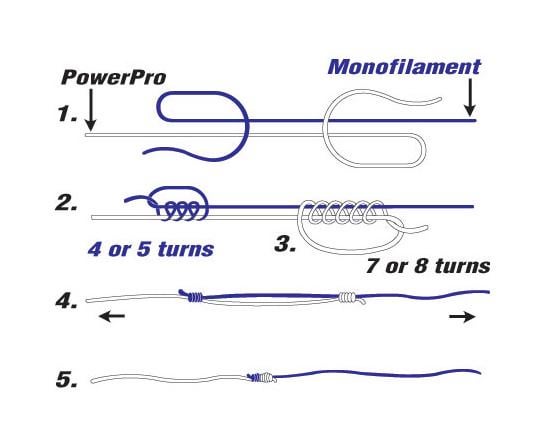
- Double Uni Knot: Great for joining braided to leader line.
- Improved Clinch Knot: Works well if tied tightly.
- FG Knot: Strong and slim, good for braided to fluorocarbon.
Factors Affecting Knot Strength
Knot strength changes by many things. The way you tie and the type of braid matter most.
- Tightening the knot firmly helps keep it strong.
- Moistening the line before tightening stops heat damage.
- Using more wraps in the knot adds strength.
- Cutting the tag end close prevents snagging.
- Choosing a knot made for braided line avoids slipping.
Preparing The Line
Before you tie a braided fishing line, preparation is important. It ensures the line is ready and effective for fishing.
Proper preparation makes tying easier and helps avoid line damage. Follow these steps to prepare your braided fishing line.
Trimming And Cleaning
Trimming the line removes any frayed ends. This makes the line smooth and easy to handle.
Cleaning the line helps remove dirt or debris. A clean line ties better and performs well in water.
- Use sharp scissors for trimming
- Gently wipe the line with a damp cloth
- Ensure no knots or tangles before tying
Moistening The Line
Moistening the line reduces friction. It helps the knots form tightly and securely.
Water or saliva can be used to moisten the line. This step is quick but very effective.
- Dip the line in water
- Use saliva if water is unavailable
- Ensure the line is not too wet
Step-by-step Knot Tying
Tying knots with braided fishing line requires care. Braided line is thin and slippery.
Use strong knots that hold well and do not slip. Follow these steps for popular knots.
Palomar Knot Steps
The Palomar knot is strong and simple for braided lines. It keeps line strength high.
- Double about 6 inches of line and pass it through the hook eye.
- Tie a loose overhand knot with the doubled line.
- Pass the hook through the loop of the overhand knot.
- Pull both ends of the line slowly to tighten the knot.
- Trim excess line close to the knot.
Improved Clinch Knot Steps
The Improved Clinch knot works well with braided line and small hooks. It is easy to tie.
- Thread the line through the hook eye and wrap it around the standing line 5-7 times.
- Pass the tag end through the small loop near the eye.
- Then pass the tag end through the big loop you just made.
- Pull the tag end and standing line slowly to tighten the knot.
- Cut off the extra line close to the knot.
Uni Knot Steps
The Uni knot is versatile and strong for braided fishing lines. It works with many setups.
- Pass the line through the eye of the hook and double back parallel to the standing line.
- Make a loop by laying the tag end over the doubled line.
- Wrap the tag end around the doubled line and through the loop 5-6 times.
- Pull the tag end to tighten the coils around the doubled line.
- Slide the knot down to the eye and pull both ends to secure it.
- Trim the tag end close to the knot.

Credit: www.reddit.com
Tips For Stronger Knots
Tying knots with braided fishing line needs care to keep them strong. Strong knots stop the line from breaking or slipping.
Use the right technique and handle the line gently. This guide helps you avoid common mistakes for better results.
Avoiding Slippage
Braided line can slip if knots are not tied properly. Use these tips to keep knots tight and secure.
- Moisten the knot before tightening to reduce friction.
- Use knots that match braided line, like the Palomar or Double Uni.
- Make extra wraps or turns in the knot to increase grip.
- Pull the line slowly and evenly when tightening.
- Check knots often and retie if needed before fishing.
Proper Tension And Tightening
Tightening knots too fast or with uneven pressure can weaken them. Control the tension for the best hold.
| Tightening Tip | What to Do | What to Avoid |
| Apply Slow Pressure | Pull line gently and steadily | Do not jerk or snap the line |
| Keep Even Tension | Hold both ends of the line equally | Do not pull one side harder |
| Use Moisture | Wet the knot before tightening | Do not tighten dry knots |
| Final Check | Ensure knot is tight and neat | Do not leave loose or bunched knots |
Testing Your Knots
After tying a braided fishing line knot, testing it is very important. This ensures the knot will hold under pressure.
By testing your knots, you avoid losing fish and gear. A strong knot makes fishing more successful.
Pull Test Techniques
Pull tests check how strong your knot is. Use steady pressure to pull the line and knot tight.
Pull the line slowly until you feel the knot slip or break. This helps find weak knots before fishing.
- Hold the line firmly near the knot.
- Pull the tag end and main line in opposite directions.
- Feel for any slipping or loosening.
- Stop if the knot holds tight with no movement.
When To Retie
Retie your knot if it slips during the pull test. A slipping knot can fail while fishing.
Also, retie knots after catching a big fish. Pressure can weaken knots without visible signs.
- Retie knots that slip or feel loose.
- Retie knots after heavy strain or big fish.
- Retie knots if the line is damaged near the knot.

Credit: www.wikihow.com
Maintaining Braided Line Knots
Braided fishing line knots need care to keep strong and reliable. Proper maintenance helps avoid line breaks and lost fish.
Regular checks and quick fixes keep your knots in good shape. This saves time and improves fishing success.
Regular Inspection
Look over your braided line knots before and after fishing trips. Check for frays, loosening, or damage around the knot.
Small damage can cause knots to fail under pressure. Catch problems early to avoid losing fish or gear.
- Examine knots for worn or broken fibers
- Feel knots for any slipping or loosening
- Check if knots tighten properly when pulled
- Replace knots showing any signs of damage
Replacing Worn Knots
Remove knots that show wear or damage. Cut the old knot and retie using a strong knot type for braided lines.
Tying fresh knots prevents fishing line failure. Use knots made for braided line, like the Palomar or Double Uni knot.
- Cut damaged section of the line
- Choose a knot suitable for braided line
- Tie the new knot tightly and trim excess line
- Test the knot by pulling hard before fishing
Frequently Asked Questions
How Do You Tie A Braided Fishing Line To A Hook?
To tie braided fishing line to a hook, use the Palomar knot. Double the line, pass it through the hook eye, tie a loose knot, then pass the hook through the loop. Tighten firmly and trim excess line for a secure hold.
What Knot Works Best For Braided Fishing Line?
The Palomar knot is best for braided fishing line. It maintains the line’s strength and is easy to tie. This knot provides a strong, reliable connection ideal for braided lines used in various fishing conditions.
Can I Use The Same Knot For Braided And Monofilament Lines?
No, braided and monofilament lines require different knots. Braided line is thinner and slicker, needing knots like Palomar. Monofilament line works well with improved clinch or uni knots. Choosing the right knot ensures strength and prevents line slippage.
How Do I Prevent Braided Line From Slipping On Knots?
To prevent slipping, use knots designed for braided lines like the Palomar. Double the line before tying and moisten the knot before tightening. This reduces friction and helps secure the knot firmly on the braided line.
Conclusion
Tying braided fishing line takes practice but is simple to learn. Use the right knot and pull tight for a strong hold. Check your line often to avoid slipping or breaking. Keep your tools ready and stay patient while practicing.
Soon, your fishing line will stay secure every time. Enjoy your fishing trips with confidence and ease.