Tying your fishing line onto the reel might seem tricky at first, but once you know the right steps, it becomes quick and easy. Getting this right is crucial because a secure line means better casting, fewer tangles, and more fun on the water.
In this guide, you’ll discover simple, clear instructions that anyone can follow, whether you’re a beginner or just need a refresher. Stick with me, and you’ll have your line perfectly attached in no time—ready for your next great catch.

Credit: windrider.com
Choosing The Right Fishing Line
Choosing the right fishing line is important for a good fishing experience. The line connects your bait or lure to the reel.
Different fishing lines work better for different types of fish and fishing styles. Picking the best line helps you catch more fish and avoid problems.
Monofilament Vs. Braided Line
Monofilament and braided lines are two popular types of fishing lines. Monofilament is made from one strand of nylon. It is stretchy and easy to handle.
Braided line is made from many thin fibers woven together. It is stronger and thinner than monofilament. It also has less stretch.
- Monofilament is good for beginners and general fishing.
- Braided line lasts longer and is better for heavy cover fishing.
- Monofilament floats well, braided sinks faster.
Line Strength And Thickness
Line strength is measured in pounds. It tells how much weight the line can hold before breaking. Thicker lines usually have more strength.
Thinner lines are harder to see in water and let fish bite more freely. But they may break easier. Choose strength based on the fish you want to catch.
- Light strength (2-6 lbs) for small fish like trout.
- Medium strength (8-15 lbs) for bass and similar fish.
- Heavy strength (20+ lbs) for big fish like catfish or pike.
Considerations For Different Fish Types
Different fish need different types of lines. Small fish need light, thin lines. Big fish need strong, thick lines.
Some fish fight hard and need strong lines. Others are shy and need lines that are hard to see. Match your line to the fish’s habits and size.
- Use light monofilament for trout and panfish.
- Use braided line for bass in heavy weeds.
- Use heavy lines for catfish and big river fish.
Preparing Your Reel
Tying your fishing line onto the reel starts with good preparation. Getting your reel ready helps the line hold tight and last longer.
Two main tasks will prepare your reel: cleaning the spool and checking if the reel fits your fishing line. These steps keep your gear working well.
Cleaning The Reel Spool
Clean the spool before tying the line. Dirt and old line bits can cause problems when casting or reeling in.
- Remove the spool from the reel carefully.
- Use a soft cloth to wipe off dust and grime.
- Check for any damage like cracks or dents on the spool.
- Rinse with fresh water if the spool was used in saltwater.
- Dry the spool fully before putting it back.
Checking Reel Compatibility
Make sure your reel matches the fishing line type and size. This helps avoid tangles and line breaks.
| Reel Type | Line Type | Line Size Range |
| Spinning Reel | Monofilament, Braided | 4–20 lb test |
| Baitcasting Reel | Fluorocarbon, Braided | 10–30 lb test |
| Spincast Reel | Monofilament | 6–12 lb test |
Attaching The Line To The Reel
Knowing how to tie fishing line onto a reel is essential for successful fishing. A secure attachment keeps the line steady and helps you catch fish effectively.
There are different knots you can use to attach the line to your reel. Each knot has its benefits and can be used in various situations.
Using The Arbor Knot
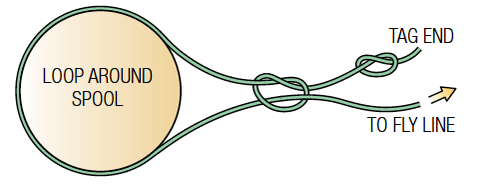
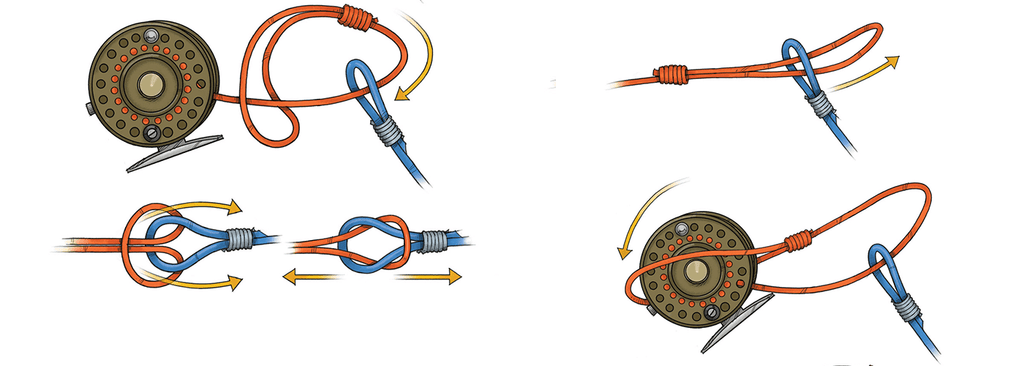
The arbor knot is popular for attaching line to a reel. It is simple and strong, making it ideal for beginners.
This knot helps secure the line to the spool effectively. Follow these steps to tie the arbor knot:
- Wrap the line around the spool.
- Tie an overhand knot around the main line.
- Tie a second knot at the tag end.
- Pull tight and trim the excess line.
Alternative Knots For Secure Attachment
Besides the arbor knot, other knots can attach the line to a reel. These knots provide extra security and are useful in different conditions.
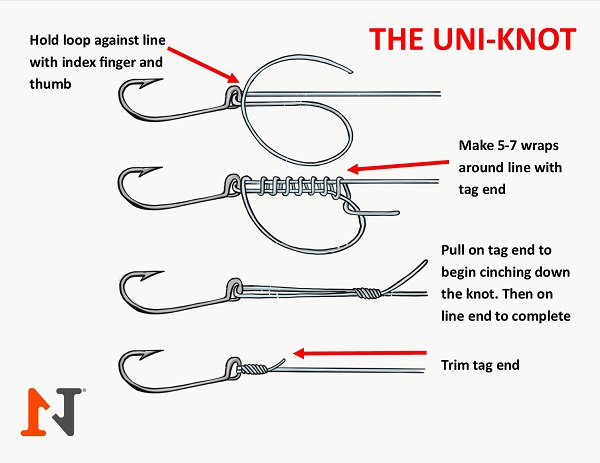
Consider these alternative knots for a secure line attachment:
- Uni Knot: Provides a strong connection.
- Albright Knot: Useful for joining lines of different sizes.
- Palomar Knot: Known for its strength and reliability.
Credit: n1outdoors.com
Spooling The Line Properly
Spooling the fishing line onto your reel is key for good fishing. Proper spooling helps avoid problems on the water.
Following simple steps can keep your line neat and ready for casting. This guide explains how to spool the line correctly.
Maintaining Tension While Spooling
Keeping tension on the line prevents loose loops. Loose loops cause tangles and line damage.
Hold the line between your fingers or use a cloth to keep steady pressure as you spool.
- Keep a firm but gentle grip on the line
- Do not let the line get slack
- Ask someone to help by holding the spool tight
Avoiding Line Twists And Tangles
Line twists happen when the line spins too much during spooling. Twists lead to knots and weak spots.
Make sure the line comes off the filler spool in the same direction it goes onto the reel spool.
- Place the filler spool so the line pulls off smoothly
- Check for twists by letting a length of line hang freely
- Fix twists by flipping the spool or untwisting the line
Filling The Spool Correctly
Fill the reel spool evenly to avoid line bunching. Do not overfill or underfill the spool.
Leave about 1/8 inch of space between the line and spool edge. This helps prevent line damage and casting issues.
- Fill the spool evenly from side to side
- Stop spooling when the line is near the spool edge
- Check the line level before finishing
Final Checks Before Casting
After tying the fishing line onto your reel, it is important to do some final checks. These checks help ensure your line is secure and ready for fishing.
Taking a few minutes now can save you from losing fish or having line problems later.
Testing Line Security
Pull the line firmly to check if it is tied tightly to the reel. The knot should not slip or loosen.
If the line moves or feels loose, redo the knot. A secure line helps prevent losing fish.
Trimming Excess Line
Cut the extra line close to the knot. Leave about a quarter inch to avoid slippage.
Too much extra line can cause tangles. Too little can cause the knot to come undone.
Adjusting Drag Settings
Set the drag so it is tight but can still let out line when needed. This protects the line from breaking.
Test the drag by pulling the line with your hand. Adjust the knob until you feel some resistance but not too much.
Credit: www.epicflyrods.com
Frequently Asked Questions
How Do I Tie Fishing Line To A Reel Securely?
To tie fishing line to a reel, start with an arbor knot. Wrap the line around the spool, tie a simple overhand knot, then a second knot around the main line. Pull tight and trim excess. This ensures a strong, slip-free connection.
What Is The Best Knot For Attaching Line To Reel?
The Arbor knot is ideal for attaching line to a reel. It’s simple, strong, and prevents slipping. This knot works well with most fishing lines and reels, making it a reliable choice for anglers of all levels.
How Much Fishing Line Should I Spool On My Reel?
Fill your reel spool about 80-90% full to avoid line tangles. Overfilling causes line to spill off, while underfilling reduces casting distance. This balance helps maintain smooth casting and reeling performance.
Can I Use Any Fishing Line With My Reel?
Most reels can handle monofilament, fluorocarbon, and braided lines. Check your reel’s specifications for line weight and type. Using the recommended line ensures better performance and prevents damage to the reel.
Conclusion
Tying fishing line onto your reel is simple with practice. Start slow and follow the steps carefully. A secure knot helps avoid line slips and tangles. Check your knot before every fishing trip. This small effort can save you time and frustration.
Soon, it will become a quick and easy part of your fishing routine. Enjoy your time on the water with confidence. Keep learning and improving your fishing skills each day.